English


How to Evaluate a Cheap Overhead Crane Before Buying
Date: 2026-11-12 Share:
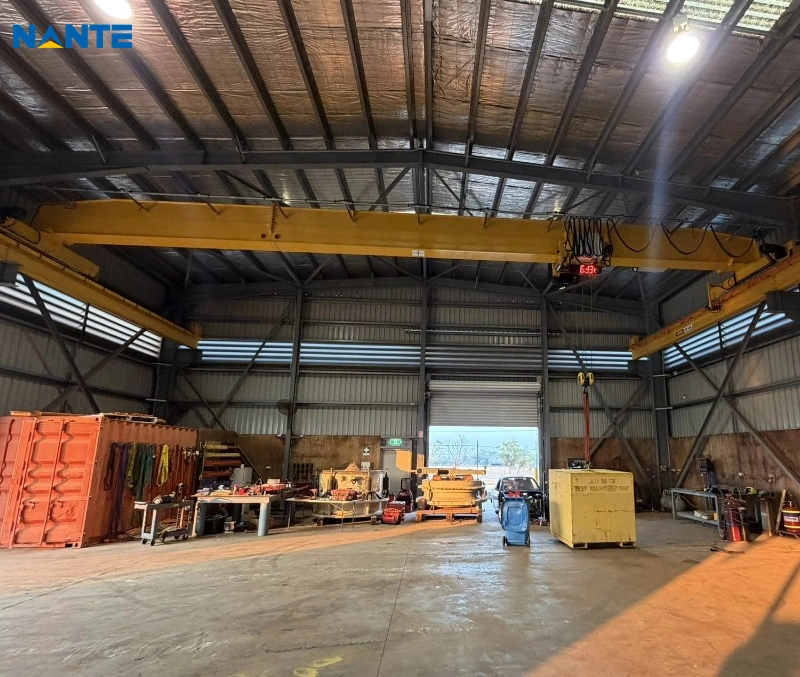
When a cheap overhead crane quote comes in well below the others, ask the bidder to explain the difference in a written revision. Verify which savings come from a configuration that meets the job, which costs sit outside the quote, and which requirements still need technical approval. Compare prices after putting both bids on the same delivery and acceptance scope.
Hypothetical example. A plant is buying a bridge crane for a production bay. Two bids show the same rated capacity and span. Bid A is $18,000 lower, but its operating assumptions are unclear, it offers a basic shop coating, and it lists site acceptance testing as an option. The purchasing team needs to find out how much of that $18,000 remains after those items are resolved.
Step 1. Turn Cheap Overhead Crane Risks Into Written Bid Questions
Create a clarification log before asking for a discount
Send both bidders the same project specification and drawing revisions. For each open item, record the requirement, the bidder’s stated offer, the evidence requested, and the party responsible for closing it. Ask the bidder to identify each response as included, excluded, optional, or a proposed deviation.
| Bid A finding | Written clarification to request | Evidence or price needed |
| Peak production duty is unstated | Confirm the crane and hoist selections against the supplied operating profile. | Duty basis and model-specific ratings |
| Hoist is listed by series only | Identify the exact configuration and any proposed alternates. | Component schedule and data sheets |
| Bridge steel and weld inspection are unspecified | Identify the design materials and proposed inspection scope. | Drawing references and inspection plan |
| Basic shop finish is included | Confirm whether it meets the site coating specification. | Coating schedule and any price adjustment |
| Site acceptance testing is optional | Define the test scope and who supplies labor, test loads, and instruments. | Itemized price and responsibility split |
| Warranty coverage is unclear | State which costs are covered and who responds to a site fault. | Written warranty terms and support scope |
Carry every unresolved item into the next bid revision. The guide to overhead crane price variation gives buyers additional categories to check when the initial price gap has several possible causes.
Step 2. Verify Whether the Low Cost Crane Can Perform the Same Job
Ask the bidder to confirm duty and building fit
In the example, Bid A states the rated capacity, but the plant needs repeated lifts during peak production. Send the bidder typical and maximum loads, peak lifts per hour, shift patterns, lift and travel distances, and frequent positioning moves. Include the weight of any below-the-hook lifting device in the load information.
Ask the supplier to identify the crane service classification, the hoist duty rating, and the standard used for each. Repeated load cycles affect structural fatigue demand. Frequent starts and stops also affect the thermal duty of motors and brakes. Have the bidder explain how the selected equipment covers the operating profile and identify any limits.
Check the preliminary general arrangement drawing against the plant layout. Confirm headroom, hook approach at the transfer stations, and clearance for maintenance. Request wheel loads for review by the engineer responsible for the runway and supporting structure. If a proposed layout requires building work, assign and price that work before comparing the bids.
Resolve component substitutions before accepting the price
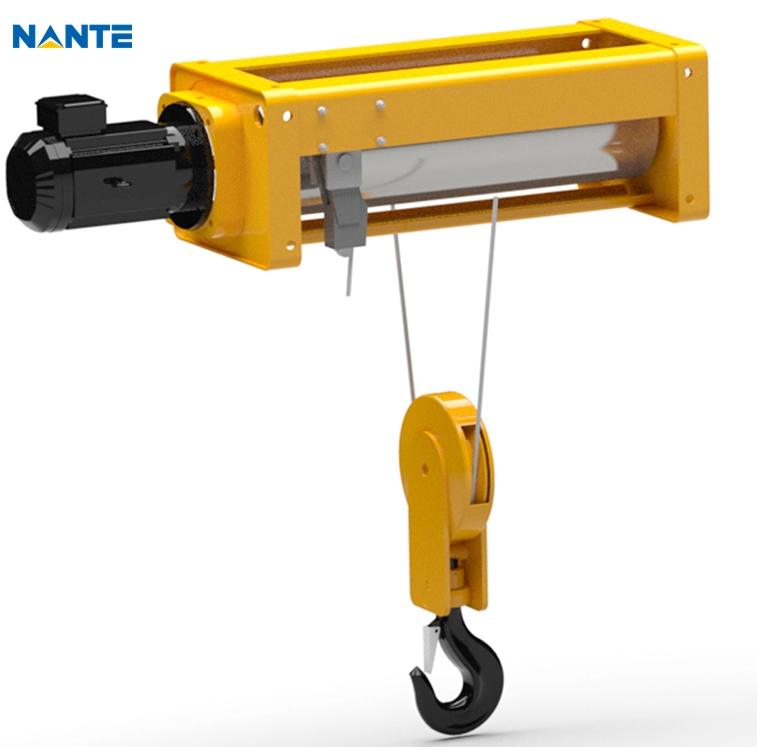
Suppose Bid A identifies a wire rope hoist series but leaves the exact model open. Ask for the selected hoist, motor, gearbox, brake, travel drives, and control components. The NHC series wire rope hoist product page illustrates how one series can include several configurations. The project component schedule should identify the one being offered.
If the bidder proposes a substitute, compare ratings, mounting dimensions, control interfaces, service access, and spare-parts availability. Record the accepted models or the criteria an alternate must satisfy, along with who can approve it. That gives engineering a basis for reviewing any change after award.
Step 3. Compare Overhead Crane Quality vs Price on the Same Scope
Separate technical approval from priced changes
For Bid A’s bridge steel, request the material specification, preliminary member details, and the design basis for strength, fatigue, and deflection. Agree on which material certificates and weld inspection records the supplier will provide and how those records will trace back to the finished members. If the proposal uses a lighter girder, have engineering review the design and its effect on wheel loads and clearances.
Handle the coating as a separate line. If the bay is subject to condensation and the project specifies a coating system, ask Bid A to confirm surface preparation, coating layers, dry film thickness, and inspection records against that requirement. Request a fixed price for any change and assign responsibility for touch-up after erection. The overhead crane quality inspection guide provides more detail on inspection evidence.
Calculate the gap after scope adjustments
Use written supplier prices or documented contractor estimates for work outside the base offer. Compare both bids on the same basis for packing, freight, unloading, runway and power interfaces, installation, commissioning, training, and initial spares. Show estimated owner costs separately from firm prices.
Assume Bid B includes the specified coating, site acceptance testing, and a commissioning and training visit. In this example, commissioning covers startup and adjustments, and training covers operator instruction. Site acceptance testing covers the formal tests and report. Each activity is priced once, even if the same crew performs it during the same visit.
| Adjustment to Bid A | Illustrative amount |
| Initial price advantage | $18,000 |
| Add specified coating | −$3,000 |
| Add formal site acceptance tests and reporting | −$5,000 |
| Add startup, adjustments, and operator training | −$4,000 |
| Remaining price advantage | $6,000 |
The revised comparison leaves Bid A $6,000 lower on the priced scope. That figure is provisional while duty and component selection are open. If meeting the duty requirement changes the hoist, controls, or bridge design, obtain a revised configuration and price before treating the difference as a confirmed saving.
Step 4. Set Award Conditions When a Cheap Crane Supplier Submits the Lowest Bid
Define factory checks and site sign-off separately
Apply the same award conditions to every bidder. For Bid A, adding the site test price closes that line item only after both bids describe equivalent work. Ask for a draft inspection and test plan that separates factory checks from checks that require the installed crane, runway, and power supply.
Specify the acceptance criteria, witness points, sign-off authority, and required reports. For site testing, agree on who provides test loads, instruments, operators, and labor. Assign responsibility for corrections and retesting if a check fails. Confirm the applicable US workplace and project requirements when defining the site procedure.
Put service terms and open items into the order package
Ask the bidder to state the warranty start date and coverage for parts, labor, travel, and freight. Confirm who receives a fault report, who can provide site support, and which spares should be available at handover. List the required manuals, wiring diagrams, and parts schedules as deliverables.
When comparing bids from Nante Crane and other suppliers, request the same written breakdown of warranty and service coverage. Buyers who also need to qualify a bidder’s manufacturing and service responsibilities can use the overhead crane supplier evaluation guide.
If Bid A qualifies for award, attach the final quote revision, accepted drawing references, component schedule, scope split, and inspection plan to the purchase order. Record who approves each item and when. Resolve technical requirements that affect selection, such as the duty basis, before award. Assign final material and test records to agreed production, shipment, or handover milestones.
Frequently Asked Questions
What if the bidder says the crane is a standard design?
Ask which standard configuration is included and which limits apply to duty, headroom, hook coverage, and the environment. A standard design can preserve the saving when those limits fit the job and the supplier documents the selection in the revised quote.
Can a low bid stay in consideration while an item is open?
Yes. Keep it in the comparison with the open item, owner, and due date clearly recorded. An unpriced exclusion makes the cost comparison provisional. An unresolved mandatory technical requirement should hold up technical approval.
Which documents should be agreed before paying a deposit?
Agree on the design basis, preliminary layout, included scope, accepted deviations, and proposed inspection and acceptance plan. Set the delivery dates and approval points for final drawings, material records, and test reports in the order documents.
Request a Project-Specific Overhead Crane Quotation
Send the application and the items that need clarification
Purchasing teams can share the capacity, span, lift height, peak operating duty, site conditions, and installation scope, plus a layout if available. Include unresolved specification, testing, or service items so the proposed equipment and scope can be reviewed on a common basis. To discuss a project-specific proposal, submit an overhead crane quotation inquiry.