English


Overhead Crane Price Variation: Why Similar Cranes Have Different Prices
Overhead Crane Price Variation: Why Similar Cranes Have Different Prices
Date: 2026-09-03 Share:
Two overhead crane quotations can appear similar while differing substantially in price. This does not automatically mean that one supplier is overcharging or that the lowest quotation is the best choice.
The difference usually comes from specifications, components, design standards, manufacturing quality, testing, logistics and after-sales service. A reliable commercial investigation compares equivalent technical and commercial scopes before ranking prices.
The important question is not simply, “Which crane costs less?” It is, “What is included in each price, and what risks remain outside the quotation?”
What Overhead Crane Price Variation Really Measures
Similar crane names can hide different designs
“Single-girder overhead crane” and “double-girder EOT crane” describe broad configurations rather than complete equipment designs. Two cranes with the same rated capacity may have different spans, lifting heights, operating speeds, duty classifications and control systems.
A crane used occasionally for light material handling does not require the same structure or mechanisms as equipment operating several shifts per day. The design basis affects girder weight, motor capacity, brakes, wheels, hoisting components and inspection requirements.
The overhead crane product range illustrates why the full configuration must be defined before comparing supplier prices.
Equipment price is different from project cost
One quotation may cover only the bridge, hoist and trolley. Another may include runway beams, rails, conductor bars, installation, commissioning, operator training, spare parts and technical documentation.
Freight, export packing, taxes, local lifting equipment, civil work and site supervision may also be excluded. These differences create apparently inconsistent crane quotations even when the equipment descriptions look alike.
Why Overhead Crane Prices Vary
Capacity, span and lifting height
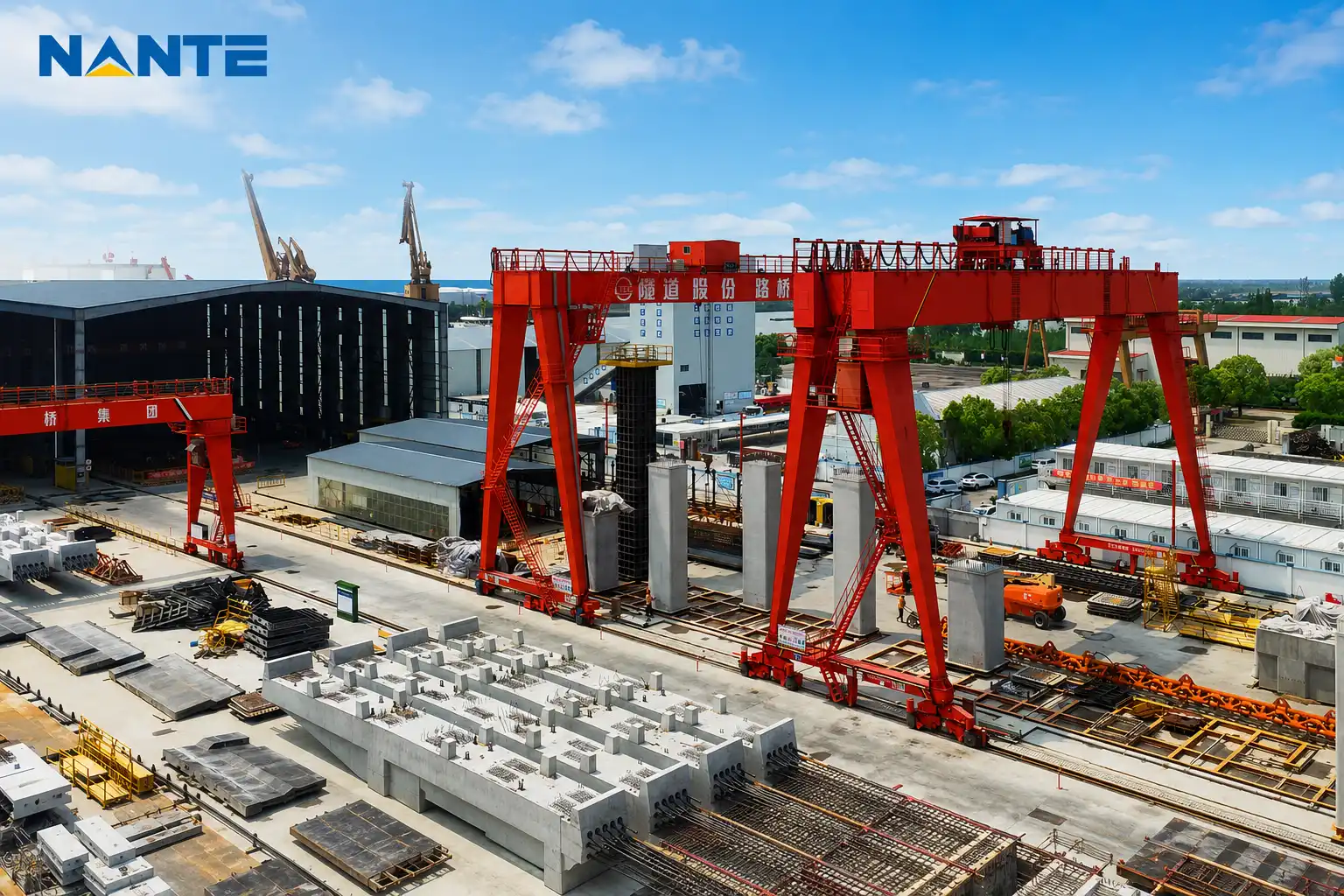
Rated capacity affects the main girder, end carriages, hoist, hook block, wire rope and brakes. A higher safe working load generally requires heavier materials and stronger mechanical systems.
Span also has a major effect. A longer runway span increases bending and deflection requirements, which may require deeper or heavier girders. Lifting height changes wire-rope length, drum size, guide arrangements and building-clearance calculations.
A complete request for quotation should state:
- Rated capacity and maximum lifted load
- Crane span and runway length
- Lifting height and hook approach
- Required lifting, cross-travel and long-travel speeds
- Indoor or outdoor operating conditions
Duty class and load spectrum
Duty classification reflects operating frequency and loading severity. A crane handling occasional loads has a different design basis from equipment serving a production line, steel mill, warehouse or continuous logistics process.
The quotation should identify the selected FEM, ISO or CMAA duty class and state the assumed operating hours, starts per hour and load spectrum. A supplier that assumes a lighter duty class may offer a lower price but provide equipment unsuitable for the actual workload.
This duty classification comparison helps purchasing teams connect operating conditions with design requirements.
Building interface and environment
Indoor and outdoor cranes have different cost drivers. Outdoor systems may require weather protection, corrosion-resistant coatings, wind restraints, storm locks and protected electrical enclosures.
The existing building can also create major cost differences. Runway alignment, column spacing, available headroom, rail condition and power supply determine how much adaptation and interface engineering is needed.
A quotation based on ideal site assumptions may be cheaper than one including a site survey, structural review and installation planning.
Components and Controls Drive Crane Quotation Differences
Hoists, wheels and end carriages
The hoist is often one of the largest cost elements. A comparison should cover lifting speed, motor rating, brake arrangement, reeving, drum design, hook type and maintenance access.
End carriages and wheels also influence both price and service life. Wheel material, bearing design, drive arrangement, alignment tolerance and rail compatibility can produce significant differences between apparently similar cranes.
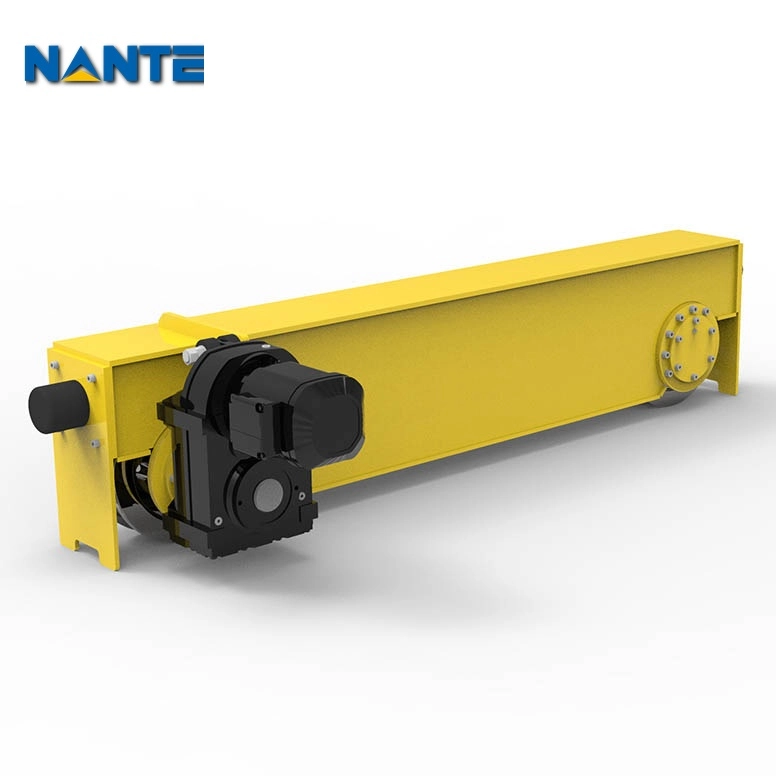
The crane component catalog includes hoisting mechanisms, travelling mechanisms, power supply systems and crane controls. Reviewing these items separately often explains the crane cost difference.
Controls and safety equipment
Variable-frequency drives, radio remote controls, pendant stations, anti-collision systems, overload limiters, travel limit switches and operator cabins each add equipment and engineering cost.
Safety devices should be listed individually. The phrase “standard electrical accessories” does not explain whether overload protection, emergency stops, warning lights, limit switches or monitoring functions are included.
The control and safety equipment section provides a useful reference for separating controls from the base crane price.
Documentation and spare parts
A complete package may include general arrangement drawings, load calculations, electrical schematics, operating manuals, inspection records, test certificates and recommended spare-parts lists.
A lower quotation may provide only basic drawings and manuals. That may reduce the initial purchase price but increase commissioning delays, maintenance uncertainty and future replacement costs.
Standards, Quality and Testing Change the Risk-Adjusted Price
Standards depend on application
Standards are not interchangeable sales labels. The project owner may require compliance with local regulations, customer specifications or a recognized crane design code.
The quotation should identify the governing standard, design assumptions and certificate scope. For international projects, purchasing teams should confirm whether conformity documents, third-party inspection, factory acceptance testing and export documents are included.
A management-system certificate should not be treated as proof that every product meets a specific project requirement.
Quality evidence has commercial value
A meaningful price comparison includes evidence of how the crane will be manufactured and verified. Useful records may include:
- Material certificates and traceability records
- Welding procedures and welder qualifications
- Non-destructive testing reports
- Paint-system specifications and inspection results
- Motor, brake and electrical component datasheets
- Factory acceptance test procedures
- Calibration records
- Load-test reports and final inspection checklists
The overhead crane quality inspection guide explains the evidence that can be requested before supplier approval.
How to Perform an Overhead Crane Price Comparison
Normalize every quotation
Before comparing totals, place every supplier quotation into the same comparison structure.
| Quotation area | Questions to verify |
| Crane configuration | Single girder, double girder, EOT or underhung? |
| Main specifications | Capacity, span, lift height, speeds and duty class |
| Mechanical equipment | Hoist, motors, brakes, wheels and hook block |
| Electrical scope | Controls, drives, protection, power supply and cable systems |
| Standards | Design code, local requirements and certificate scope |
| Testing | FAT, load testing, inspection agency and records |
| Site work | Runway, rails, installation, commissioning and training |
| Commercial terms | Packing, freight, taxes, warranty, spares and exclusions |
The overhead crane quote checklist can help standardize the information sent to each supplier.
Compare lifecycle cost
The real cost difference may appear after commissioning. A lower purchase price can become more expensive if the crane consumes more energy, requires frequent repairs, uses difficult-to-source components or lacks technical documentation.
Lifecycle review should consider:
- Expected maintenance intervals
- Availability of replacement parts
- Access to brakes, wheels and control cabinets
- Warranty response
- Training and inspection support
- Planned downtime
- Recommended critical spares
For production-critical equipment, a clear spare-parts plan is part of the commercial value.
Supplier Evaluation: Evidence Behind the Number
Ask how the price was engineered
A capable supplier should explain the assumptions behind the quotation. The purchasing team can request a preliminary general arrangement drawing, load data, duty-class calculation, component schedule and list of exclusions.
The supplier should also identify which elements are standard, which are customized and which depend on a site survey. This makes future change orders easier to control.
A useful manufacturer evaluation checklist covers engineering, production, quality control, testing, documentation and service capability.
Check responsibility boundaries
Service may include design review, installation supervision, commissioning, operator training, preventive-maintenance guidance, troubleshooting and spare-parts support.
These services may be included, optional or assigned to a local contractor. Each quotation should define deliverables, response procedures, travel charges and the responsible party for the project location.
The service center overview can be reviewed when assessing the stated service structure.
How Nante Crane Fits the Comparison Process
Product and component scope
Nante Crane’s official product pages list single-girder overhead cranes, double-girder EOT cranes, double-girder cranes with open winches and underhung overhead cranes.
Its component pages separately cover hoists, end carriages, conductor rails, cable systems and control equipment. This structure allows buyers to compare the complete crane and the major cost-driving components as separate packages.
Project information for a technical review
A project brief should include:
- Rated capacity and maximum load
- Span, runway length and hook approach
- Lifting height and operating speeds
- Duty class, operating hours and load spectrum
- Indoor or outdoor environment
- Power supply and control preference
- Applicable standards and inspection requirements
- Delivery destination and installation scope
This information gives the supplier a consistent design basis and reduces quotation revisions.
FAQ
Is the lowest overhead crane price usually the best option?
No. The lowest figure may exclude installation, testing, documentation, controls, spare parts or site adaptations. A normalized scope and lifecycle review provide a stronger decision basis.
Which specifications affect overhead crane price most?
Capacity, span, lifting height, duty class, hoist type, operating speeds, environmental protection, controls and runway requirements are among the main cost drivers.
Should installation be included in the quotation?
Installation should either be included with a defined scope or listed clearly as an exclusion. The quotation should state responsibility for unloading, assembly, electrical connection, testing, commissioning and training.
Request a Comparable Crane Quotation
Project information to submit
For an apples-to-apples review, submit crane specifications, duty requirements, site conditions, destination, standards and preferred service scope. Existing runway drawings or photographs should be included when available.
Nante Crane can review the project basis and prepare a comparable technical and commercial response. Submit the project details through the official Nante Crane contact page.