English


What Determines the Required Crane Motor Insulation Class?
Date: 2026-10-09 Share:
Selecting a crane motor insulation class is a thermal design decision, not a label chosen from lifting capacity alone. The engineering team must estimate winding temperature from ambient conditions, electrical losses, load spectrum, starts, braking, cooling and enclosure restrictions. The selected class needs margin for the operating profile and planned service life.
The Short Answer: Thermal Stress Sets the Class
Insulation class is a temperature limit
IEC 60085 groups insulation systems by their maximum thermal capability. In common crane specifications, Class F is associated with a 155°C thermal limit and Class H with 180°C. These figures describe the insulation system’s thermal endurance; they are not the normal winding temperature that a motor should run at continuously.
The practical calculation is a temperature balance:
Winding temperature = ambient temperature + temperature rise + hot-spot allowance
The result must remain below the system’s thermal class after the selected duty, cooling method, altitude and supply conditions are considered. A motor that meets Class F on a test stand can still be unsuitable if a crane room is hotter, ventilation is restricted, or starts are more severe than the test duty.
Class and temperature rise are different specifications
A supplier may offer Class F with conservative temperature rise, or Class H for extra headroom. Class H does not automatically mean more torque, higher ambient capability or no derating; those outcomes require a complete thermal and electromagnetic review.
Ambient Temperature Changes the Required Margin
Start with the reference ambient
IEC 60034-1 ratings are commonly stated around a 40°C ambient reference, but the project specification controls when the crane operates above that value. A steel mill bay, foundry, cement plant or enclosed process building can expose a motor to hot air, radiant heat and limited air movement at the same time.
The specification should record:
- minimum and maximum air temperature at the motor;
- radiant heat from furnaces, ladles, ovens or hot loads;
- altitude, dust, humidity and corrosive agents;
- enclosure, fan and air-path restrictions; and
- whether the motor is exposed to washdown or outdoor weather.
High ambient reduces usable thermal capacity
When ambient temperature rises, the same losses produce a higher winding temperature. A motor may need reduced load, shorter duty, improved cooling or a higher insulation class. The remedy depends on the calculation; simply changing an F class crane motor to an H class crane motor may leave the root cause unresolved.
For a high temperature crane motor, the quotation should state the maximum ambient used for rating, the permissible temperature rise, the cooling arrangement and any output derating. These fields make competing offers comparable and reveal when a “high-temperature” label is only a marketing description.
Motor Heating Is Driven by Losses
Separate copper, core and mechanical losses
Motor heating comes from stator and rotor copper losses, iron losses, bearing friction, windage, and additional losses from harmonics or unbalanced voltage. Hoisting motors see high current during acceleration and braking; travel motors see repeated starts, reversals and low-speed operation.
The nameplate power alone cannot predict winding temperature. Two motors with the same kilowatt rating can have different thermal behavior because of efficiency, rotor design, fan performance, frame size and control method.
Check the cooling path and enclosure
Totally enclosed fan-cooled (TEFC) and separately ventilated motors reject heat differently. A close-mounted brake, dusty fan cover or VFD low-speed operation can reduce heat rejection. The specification should identify cooling code, fan supply, enclosure protection, mounting orientation and minimum speed.
For inverter-fed operation, the data sheet should identify frequency range, fast-rise insulation suitability, cable length assumptions, bearing-current mitigation and low-speed torque limits. Electrical stress and heat are linked.
Duty Cycle and Load Spectrum Matter as Much as Power
Use the correct duty designation
Crane motors are often selected using IEC duty types such as S1 continuous duty, S3 intermittent periodic duty or S5 intermittent duty with electric braking. The duty code must be paired with cycle duration, starts per hour, load percentage, travel distance and braking energy.
An S3 motor may tolerate a lower average load because it has cooling intervals, while frequent starts can create high short-term heating. A hoist that lifts near rated capacity repeatedly may have a more severe thermal profile than a mechanism with a higher nominal power but long idle periods.
Build a load-spectrum calculation
The project owner should provide a representative cycle rather than only a maximum load. A useful schedule records:
- lifted mass and attachment arrangement;
- acceleration, running and braking time;
- starts, reversals and inching operations per hour;
- percentage of time at each load level; and
- ambient temperature during the busiest shift.
The supplier can then calculate RMS torque or equivalent heating and confirm whether the selected F class crane motor has sufficient margin. If the load spectrum is uncertain, an H class design may be considered, but the uncertainty should be documented rather than hidden inside a higher class label.
Thermal Margin Protects Service Life
Do not consume the full class limit
Insulation aging accelerates as temperature rises. A design close to the thermal ceiling leaves little allowance for blocked ventilation, voltage variation, bearing friction, seasonal heat or future duty. Thermal margin should be documented from measured rise, hot-spot estimates and the consequence of winding failure.
The margin should be visible in the motor schedule. Buyers can request the calculated hot-spot temperature, temperature-rise method, ambient basis, overload duration and assumptions for cooling and duty. This is more useful than accepting “Class H” without a test or calculation behind it.
Verify tests and records
For critical cranes, the technical file should include routine test results, winding resistance, insulation resistance, no-load current, vibration, brake checks and temperature-rise or heat-run evidence where specified. Calibration records for test instruments and a clear acceptance plan help distinguish a documented thermal design from a generic motor substitution.
How to Specify a High Temperature Crane Motor
Put the operating envelope on the data sheet
The motor request should include mechanism, rated torque, speed range, supply voltage and frequency, control type, duty class, ambient range, altitude, enclosure, brake arrangement, mounting, hazardous-area requirement if applicable, and starts per hour.
The document should identify whether the motor is for hoisting, cross travel, long travel or auxiliary movement. Each mechanism has different acceleration and cooling. A high temperature crane motor for slow travel may need a different solution from a hoist motor with repeated full-load lifts.
Match the motor to the crane mechanism
The motor, gearbox, brake, wheel set, inverter and control logic should be evaluated as one mechanism. A larger motor frame may improve heat dissipation, but it can change shaft height, brake dimensions, gearbox fit and end-carriage geometry. Interface drawings and replacement clearances are therefore part of the insulation-class decision.
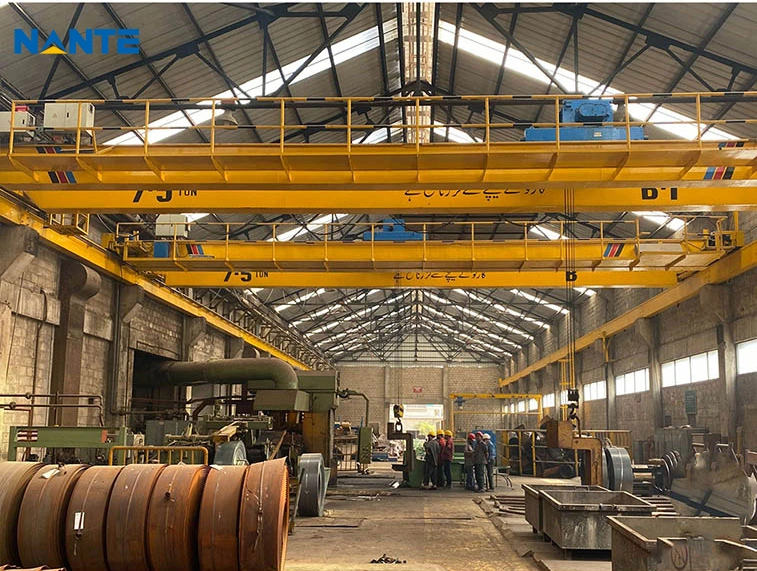
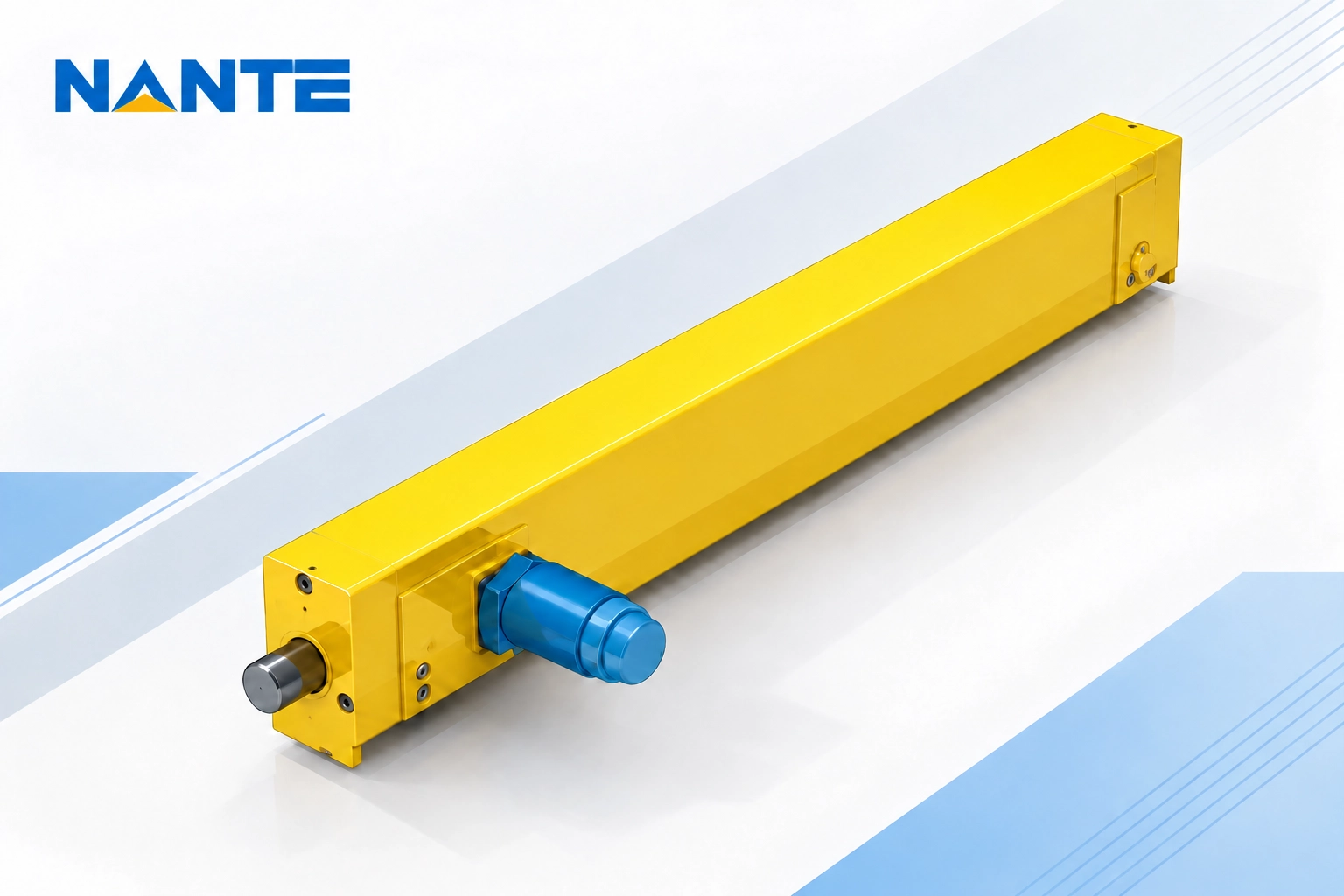
For a product-level reference, buyers can review the single-girder overhead crane product range and compare how the motor package fits the crane arrangement. The travelling-mechanism component category is also useful when checking end-carriage and drive interfaces.
Supplier Review: Evidence Before Price
Normalize the quotation scope
Motor offers should be compared on the same basis: insulation class, temperature rise, duty, ambient, cooling, brake, encoder, inverter compatibility, tests, drawings, manuals, spares and warranty. The quotation should list exclusions such as cabling, panel modifications, commissioning and heat shielding.
When the project involves several crane mechanisms, the purchasing team can use related crane engineering articles to align terminology before issuing a technical query. From the midpoint of supplier evaluation onward, Nante Crane can be included as an official source for the crane and component scope being reviewed; the motor insulation class should still be confirmed against the project duty and ambient data.
Ask for a traceable technical proposal
The proposal should connect each rating to a drawing, calculation, test or stated assumption. Evidence can include the motor data sheet, thermal calculation, duty interpretation, wiring diagram, VFD statement, routine-test format and spares list. A supplier that cannot state the ambient and duty basis cannot provide a reliable class comparison.
FAQ: Crane Motor Insulation Class Decisions
Is a Class H motor always better than a Class F motor?
No. Class H offers a higher thermal capability, but the complete motor may still be limited by cooling, bearings, brake temperature, inverter operation or the crane mechanism. Class F is often adequate when the calculated hot-spot temperature and service margin are controlled.
Does high ambient temperature require Class H?
Not automatically. The engineering response may combine derating, forced ventilation, shielding, a larger frame, shorter duty or a different insulation system. The decision follows the calculated winding temperature at the specified ambient.
Can a standard motor be used with a variable-frequency drive?
Only when the motor is approved for the intended inverter waveform, speed range, cable system and braking profile. VFD operation can add harmonic losses, dv/dt stress and low-speed cooling limits, so the motor schedule must state those conditions.
Project-Specific Motor Specification Review
Inputs for a technical review
The project brief should include capacity, span, lifting height, mechanism, duty class, cycle times, starts per hour, ambient and radiant heat, supply and control method, enclosure, standards, layout and delivery location. These inputs let a supplier check thermal margin, interfaces and documentation instead of guessing from motor power alone.
Teams preparing a high-temperature or replacement-crane package can submit the operating data for a project-specific technical review through the motor specification inquiry channel.