English



What Determines Overhead Crane Price Key Cost Factors Explained
What Determines Overhead Crane Price Key Cost Factors Explained
Date: 2026-07-10 Share:
Understanding overhead crane price is essential before comparing suppliers or requesting a quotation. The final price is not decided by capacity alone. It depends on many crane cost factors, including lifting capacity, span, lifting height, hoist price, duty class, control system, installation conditions, and crane configuration cost. Since most overhead cranes are engineered for a specific workshop or production process, two cranes with similar tonnage can have very different prices.
Why Overhead Crane Price Varies So Much
An overhead crane is not a standard shelf product. It is a customized lifting system designed around a buyer’s load, building structure, workflow, and operating frequency. A crane used occasionally in a maintenance area does not need the same structure or components as a crane used every day in heavy production.
This is why buyers should not only ask, “How much is an overhead crane?” A better question is, “What specifications are included in this overhead crane price?” The real crane cost includes the bridge structure, hoist, trolley, end trucks, control panel, power supply, safety devices, installation, testing, and long-term maintenance requirements.
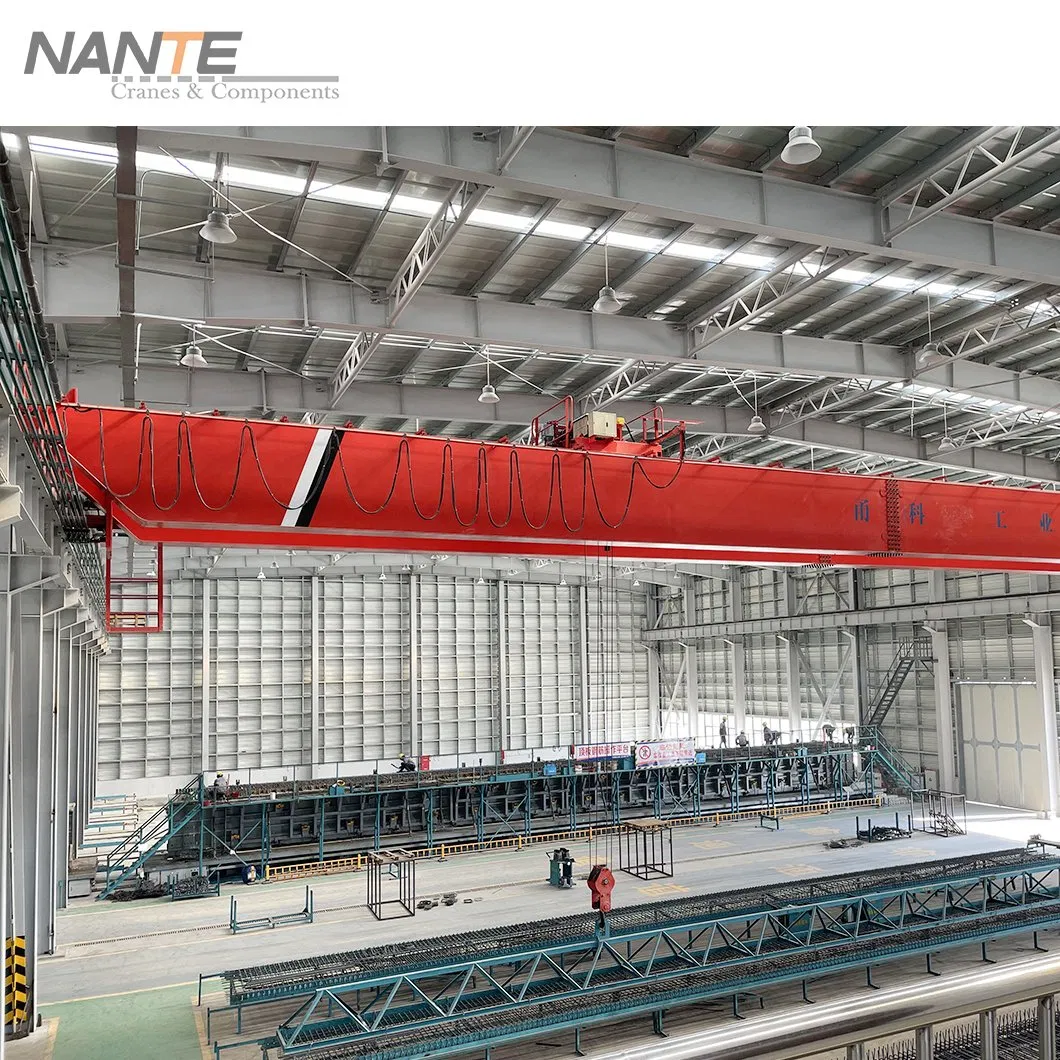
Key Crane Cost Factors That Affect Overhead Crane Price
Lifting Capacity
Lifting capacity is the strongest price driver for a crane. A higher capacity crane needs stronger girders, a larger hoist, stronger motors, heavier brakes and more robust electrical components. For a light-duty crane with small loads a simple structure is sufficient. A high-capacity crane on the other hand requires a deeper structural design and more safety reserves.
Capacity also affects transportation and installation. Heavier bridge girders and larger components are harder to move, position, and commission.
Span Length
Span is the distance between the runway rails. The longer the span, the more demanding the bridge girder design becomes. A short-span crane may use a lighter and more economical structure, but a long-span crane often needs deeper girders, more steel, stronger end trucks, and greater deflection control.
Span can also affect the building itself. If the runway beams, columns, or support structure are not strong enough, the buyer may need reinforcement work.
Lifting Height and Hoist Price
Lifting height has a direct effect on hoist price. A taller lift may require longer wire rope or chain, a larger drum, stronger reeving, greater motor power, and better braking performance. In some buildings, limited headroom may also require a special hoist arrangement to maximize hook height.
Hoist price also depends on capacity, lifting speed, duty class, and control accuracy. A simple hoist for occasional lifting will cost less than a high-performance hoist designed for frequent cycles, precision movement, or heavy industrial use.
Duty Class
Duty class describes how often and how intensively the crane works. It is one of the most important crane cost factors because it affects the durability level of the whole system.
A low-duty crane may only lift occasionally. A high-duty crane may operate for multiple shifts, perform many cycles per hour, or lift heavy loads close to rated capacity. Higher duty class normally requires stronger motors, brakes, gearboxes, bearings, wheels, control systems, and structural fatigue resistance.
Choosing the wrong duty class can be costly. If the crane is under-specified, it may wear out quickly and cause downtime. If it is over-specified, the buyer may pay for performance that the application does not need.
Crane Configuration Cost
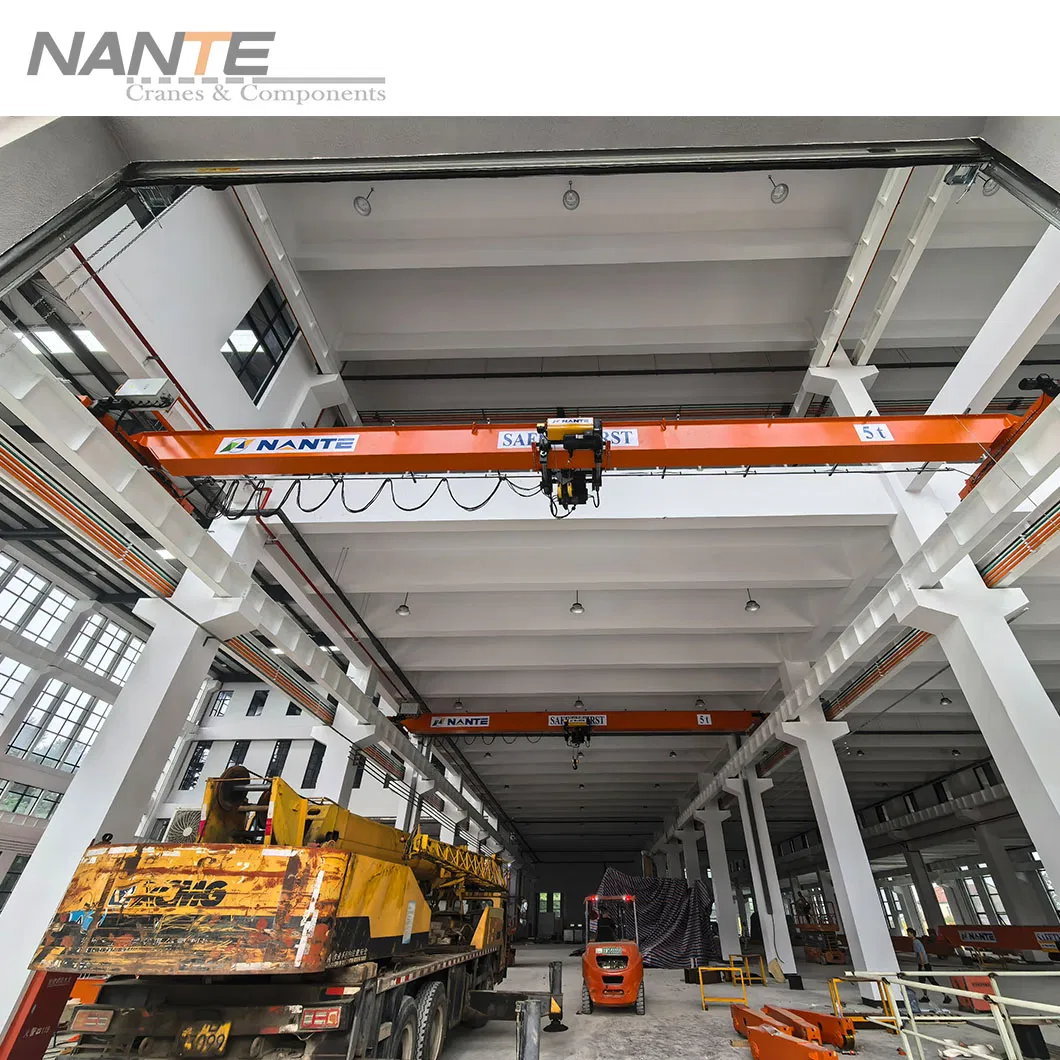
Crane configuration cost is generally based on if a single girder overhead crane, double girder overhead crane, underhung overhead crane or other type of configuration is needed.
A single girder crane would normally be considered for lighter loads, average span, general workshop type applications. Single girder cranes are generally the most cost effective use of steel for lifting, ease of installation. A double girder crane will generally cost more, but will lift heavier loads, over longer spans, to greater hook height and in a greater number of Duty Classes.
Control System and Electrical Components
The control system affects both price and operating performance. A basic pendant control system may be enough for simple lifting tasks. However, some applications require remote control, variable speed control, anti-sway function, automation, data logging, or intelligent monitoring.
The crane control panel is a core component because it sends action signals to the lifting, trolley travel, and long travel mechanisms.
Safety Features and Compliance
Safety devices increase the initial price but protect workers, equipment, and production continuity. Common safety-related features include overload protection, emergency stop, upper and lower limit switches, travel limit switches, warning alarms, anti-collision systems, braking protection, and rated load marking.
Safety compliance is also part of the total crane cost. Official overhead and gantry crane requirements include design, inspection, maintenance, and safe operating provisions, which should be considered when specifying a crane system.
Working Environment
The operating environment can change both structure and component selection. Indoor workshops, outdoor yards, dusty areas, humid conditions, corrosive environments, and high-temperature spaces may all require different protection levels.
Outdoor or harsh environments may need stronger paint systems, corrosion protection, sealed electrical enclosures, weather protection, or stainless control enclosures. These upgrades increase upfront price but help extend service life and reduce maintenance risk.
Installation, Runway, and Commissioning
The equipment price is only one part of the total project budget. Installation can include runway beams, rails, columns, electrical connection, site lifting equipment, transportation, load testing, commissioning, and operator training.
A quotation should clearly state whether it includes equipment only or a complete solution. Buyers should also confirm whether the existing runway can support the new crane. If not, structural modification may become a major cost item.
Price Impact Factors Chart
| Price Factor | How It Affects Overhead Crane Price | Cost Impact |
|---|---|---|
| Lifting capacity | Requires stronger girders, hoists, motors, and brakes | High |
| Span length | Increases steel use, girder depth, and transport difficulty | High |
| Lifting height | Changes hoist rope, drum, motor, and headroom design | Medium |
| Hoist price | Depends on capacity, speed, duty class, and control accuracy | Medium to High |
| Duty class | Requires more durable components for frequent operation | High |
| Crane configuration | Double girder or special layouts increase material and engineering cost | High |
| Control system | Advanced controls, automation, and anti-sway increase price | Medium |
| Environment | Harsh conditions require better protection and materials | Medium |
| Installation | Runway, site access, testing, and commissioning affect total cost | Medium to High |
How to Control Crane Cost Without Sacrificing Safety
To control overhead crane price, buyers should define real operating needs instead of using rough assumptions. Start with accurate capacity, span, lifting height, and duty class. Then choose the most suitable crane configuration for the building and workflow.
Avoid selecting the cheapest crane without checking specifications. A low quote may exclude installation, safety devices, electrical components, or proper duty class. At the same time, avoid unnecessary over-design. The best value comes from a crane that matches the actual load, work cycle, environment, and long-term production plan.
What Information Is Needed for an Accurate Quote?
To receive an accurate overhead crane price, buyers should prepare:
- Lifting capacity
- Span
- Lifting height
- Runway length
- Duty class or working frequency
- Load type and dimensions
- Indoor or outdoor environment
- Power supply
- Required lifting and travel speeds
- Control method
- Safety requirements
- Workshop layout or drawings
FAQ
What is the biggest factor affecting overhead crane price?
The lift capacity is often the major cost driver for a hoist as it dictates the size and design of the crane structure, hoist, motors, brakes and electrical system. Other major cost drivers are the span between supports, the assigned duty class and the specified crane configuration.
Why does duty class affect crane cost?
Duty class is a measure for the frequency of operation and the intensity of the loads for a crane. Higher duty classes require more robust components, greater durability and a higher resistance to wear and fatigue.
Is a double girder crane always more expensive?
In most cases, yes. A double girder crane uses more steel, stronger structures, and more complex engineering. However, it can be the better choice for heavy loads, long spans, high hook height, or demanding duty class.
Nante Crane is a crane and crane component designer and manufacturer focused on lifting and material handling technologies. Its product range includes overhead cranes, gantry cranes, launching cranes, electric hoists, crane travel units, mobile power supply systems, crane control panels, and other crane components. Contact Nante Crane to share your capacity, span, lifting height, duty class, site conditions, and required crane configuration, and get a customized overhead crane price for your project.