English


Crane Control System Remote Control, Pendant Control & Cabin Control for Overhead Cranes
Crane Control System Remote Control, Pendant Control & Cabin Control for Overhead Cranes
Date: 2026-05-08 Share:
The crane control system is a core component in modern overhead crane operations used across industrial material handling environments. This system enables operators to control lifting, positioning, and transportation of loads through three main methods: remote crane control system, pendant crane control system, and crane cabin control system. Each method influences operational safety, visibility, and efficiency. Understanding how these crane control systems work helps industries select the most suitable solution for overhead crane and crane component integration.
What is Crane Control System in Overhead Cranes?
Role of crane control system in material handling operations
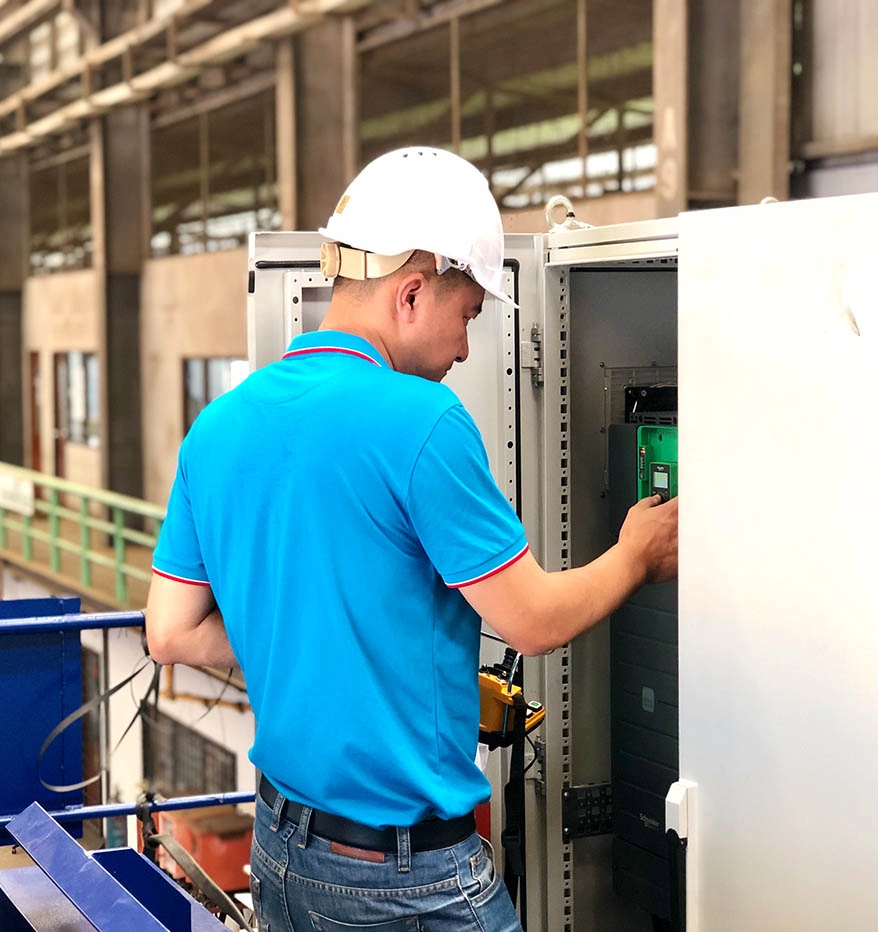
A crane control system manages all movement and coordination of an overhead crane during lifting operations. The system connects the operator interface with crane components such as the hoist, trolley, and travel motors.
The crane control system ensures that every lifting operation is executed with precision. The system allows a single operator to control heavy loads safely and efficiently across industrial environments such as factories, warehouses, and construction sites.
Main movements controlled by crane control system
A crane control system typically manages three primary motions:
- Crane travel motion along runway beams
- Hoist lifting motion for vertical load movement
- Trolley movement for horizontal positioning
These three motions allow the crane to move loads in three dimensions. This capability is essential for accurate material handling and positioning tasks.
Why crane control system is important for safety and efficiency
A crane control system directly impacts operational safety and productivity. The system reduces human error by providing controlled and responsive movements.
The system also improves workflow efficiency by enabling faster positioning of loads. A well-designed crane control system ensures coordination between crane components and prevents accidents such as load swinging or misalignment.
Types of Crane Control Methods
Overview of crane control categories
Industrial overhead cranes use three main control methods:
- Remote crane control system (wireless operation)
- Pendant crane control system (wired operation)
- Crane cabin control system (operator cabin control)
Each crane control method is designed for specific working conditions, load requirements, and safety considerations.
Remote Control for Cranes (Wireless Radio Control)
What is remote crane control system?
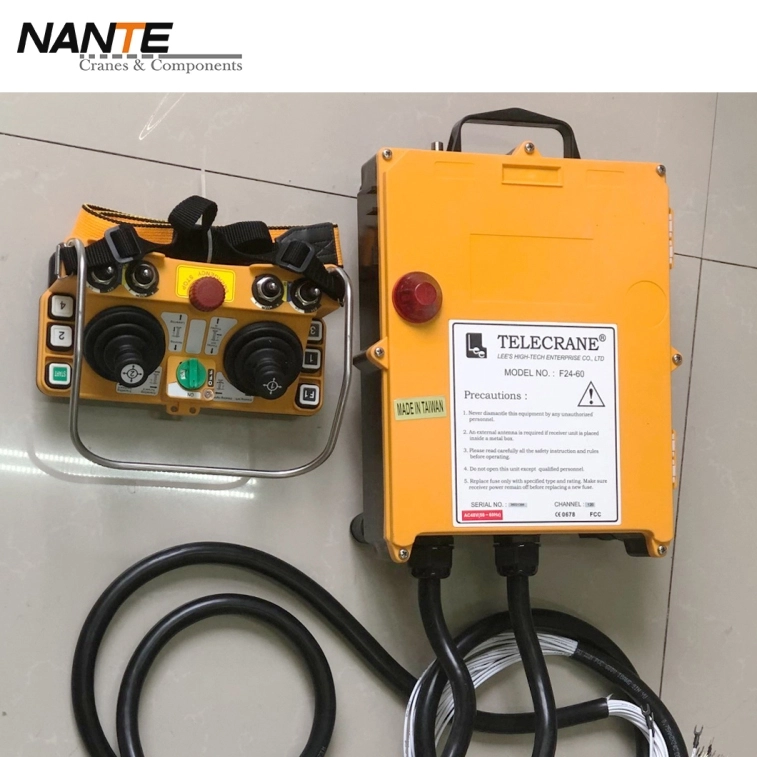
A remote crane control system allows an operator to control the crane wirelessly using a handheld transmitter. The operator does not need to stand near the crane or load.
This system is widely used in modern overhead crane applications where flexibility and safety are critical.
How wireless crane remote control works
The remote control system operates through radio frequency signals. The handheld transmitter sends commands to a receiver installed on the crane.
The receiver translates these signals into actions such as lifting, lowering, and moving the crane. This communication enables real-time control of crane components.
Advantages of remote control cranes
Remote crane control systems offer several benefits:
- Operators can move freely within the work area
- Operators gain better visibility of the load from different angles
- Operators maintain a safe distance from hazardous zones
These advantages improve both safety and operational efficiency in material handling.
Limitations of remote crane control systems
Despite the advantages, remote systems have certain limitations:
- Signal interference may occur in complex industrial environments
- Devices depend on battery power
- Precision may be lower in extremely heavy-duty operations
Applications of remote control in modern cranes
Remote crane control systems are widely used in:
- Steel fabrication workshops
- Warehousing operations
- Medium-duty overhead crane systems
These environments benefit from flexibility and improved operator mobility.
Pendant Control for Overhead Cranes
What is pendant control system?
A pendant crane control system is a wired control device suspended from the crane. The operator controls the crane using push buttons on the pendant.
This system is one of the most traditional and widely used crane control methods.
How wired pendant control operates
The pendant control system is physically connected to the crane through cables. The operator sends commands directly to the crane’s electrical system.
The system controls hoist, trolley, and crane travel motions through simple button inputs.
Benefits of pendant crane control system
Pendant control systems provide several advantages:
- High reliability due to wired connection
- Simple and intuitive operation
- Low installation and maintenance cost
The absence of wireless communication eliminates signal interference issues.
Disadvantages of pendant control system
However, pendant systems also have limitations:
- Operators must remain close to the load
- Movement range is restricted by cable length
- Cables may wear over time
These factors can reduce flexibility in certain operations.
Common applications of pendant control cranes
Pendant crane control systems are commonly used in:
- Light to medium-duty overhead crane systems
- Workshops and assembly lines
- Standard industrial material handling environments
These applications benefit from simplicity and cost efficiency.
Cabin Control for Crane Operation
What is crane cabin control system?
A crane cabin control system allows an operator to control the crane from an enclosed cabin mounted on the crane structure.
This system is typically used in large-scale industrial cranes where high capacity and continuous operation are required.
Types of crane operator cabins
Crane cabins can be classified into three types:
- Fixed cabin attached to the crane structure
- Traveling cabin moving along the bridge
- Trolley-mounted cabin for precise positioning
Each type provides different levels of visibility and control depending on the application.
Advantages of cabin control cranes
Cabin control systems offer several benefits:
- Wide and stable field of view
- Comfortable working environment for long shifts
- High precision for heavy-duty operations
These advantages make cabin control suitable for demanding industrial environments.
Limitations of cabin control system
Cabin control systems also have certain drawbacks:
- Higher installation and infrastructure cost
- Limited flexibility compared to remote systems
- Requires dedicated operator space
Industries using cabin-operated cranes
Cabin control systems are widely used in:
- Steel manufacturing plants
- Shipyards
- Heavy fabrication industries
These industries require precise and stable crane operations.
Comparison of Remote vs Pendant vs Cabin Control
Safety comparison
Remote crane control systems provide the highest safety by allowing operators to stay away from the load. Pendant systems require closer proximity, while cabin systems provide enclosed operator safety.
Efficiency and visibility comparison
Remote systems offer flexible positioning and better viewing angles. Pendant systems provide direct control but limited movement. Cabin systems offer stable visibility for large-scale operations.
Cost and maintenance comparison
Pendant control systems are the most cost-effective. Remote systems involve moderate cost due to electronics. Cabin systems require the highest investment due to structural integration.
Best use cases for each crane control type
- Remote control: flexible and dynamic environments
- Pendant control: standard workshop operations
- Cabin control: heavy-duty industrial applications
How to Choose the Right Crane Control System?
Based on working environment
Indoor workshops often use pendant or remote systems. Outdoor or large-scale environments may require cabin control systems.
Based on load type and duty cycle
Light-duty operations favor pendant systems. Heavy-duty and continuous operations require cabin control systems.
Based on operator safety requirements
High-risk environments benefit from remote control systems. Controlled environments may use pendant systems.
Based on crane system integration
The selected control system must integrate with crane components such as hoists, trolleys, and electrical systems.
FAQ – Crane Control System
What is the most common crane control system?
Pendant crane control systems and remote crane control systems are the most commonly used in overhead crane applications.
Which crane control system is safest?
Remote crane control systems provide the highest level of safety due to operator distance from the load.
Can one crane use multiple control methods?
Many modern cranes support combined control methods, allowing both pendant and remote operation.
What crane control system is used in heavy industry?
Cabin control systems are commonly used in heavy industries such as steel production and shipbuilding.
Nante Crane Solutions
Nante Crane provides complete overhead crane systems, crane components, and advanced crane control system solutions including remote control, pendant control, and cabin control systems. The company supports applications such as overhead cranes, gantry cranes, jib cranes, and workstation cranes, delivering reliable material handling solutions for a wide range of industrial environments. Contact Nante Crane today.