English


8 Tips on Selection of Electric Chain Hoist & Powered Chain Hoist
8 Tips on Selection of Electric Chain Hoist & Powered Chain Hoist
Date: 2026-05-08 Share:
Introduction
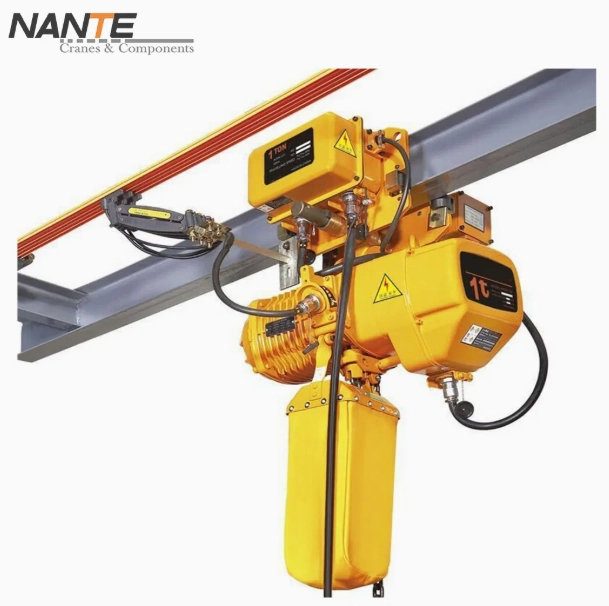
Electric chain hoist choice marks a basic build choice in any plant stuff handling setup. A powered chain hoist does not stand alone as a tool. It serves as a main crane part. This part fits into overhead crane systems, gantry crane systems, jib crane builds, and work spot lift fixes.
Tip 1 – Define Your Application Requirements for Electric Chain Hoist
Electric chain hoist choice always begins with use setup. This holds true because each crane system acts in its own way under true work setups. A hoist in a close build line will not act the same as one in steel make or store lift.
How to Choose Electric Chain Hoist for Specific Applications
Varied plant spots need varied lift acts. For case:
- Build lines need smooth move check and close spot
- Store work needs fair speed and repeat lift rounds
- Heavy make work needs strong pull and build strength
The crane lift part must fit the task flow. It should not force the flow to fit the tool.
Powered Chain Hoist for Assembly vs Heavy Lifting
Build tasks often need checked speed up and slow down. This guards soft parts. Heavy lift tasks need tough chain setups, strong motors, and steady stop work.
Chain Hoist Selection Based on Load Type and Precision
Load traits play a big part in choice. Soft loads need low-speed close check. Steel blocks or machine parts need hit stand and high build power.
Tip 2 – Evaluate Working Environment Conditions
The work spot has a straight effect on work, safety, and life span of any electric chain hoist setup. Spot check often gets low value. Yet it stands as one of the key steps in crane part choice.
Electric Chain Hoist for High Temperature Environment
High-heat spots cut motor work and raise heat stress on inside parts. In steel plants or melt shops, heat-stand cover and better cool build prove key for steady run of the lift part.
Hoist Selection for Cold Weather or Outdoor Use
Low-heat spots harm oil work and raise machine push back. Outdoor crane setups must hold rust-stand stuff, shut power boxes, and higher IP guard rates. These ensure trust.
Explosion Proof Powered Chain Hoist Requirements
In risk spots like oil clean plants or chem plants, blast-proof crane hoists prove needed. These setups hold checked power boxes and special build crane parts. They stop fire start risks.
Spot check parts hold:
- Room heat range
- Damp and wet levels
- Dust or bit count
- Chem or rust face
Each part must pair with right crane build traits.
Tip 3 – Determine Duty Cycle and Usage Frequency
Duty cycle stands as one of the key tech parts in electric chain hoist choice. It sets how hard a hoist can run without heat up or loss of work steadiness.
What Is Duty Cycle of Electric Chain Hoist
Duty cycle shows the part of active lift time versus rest time in a full run round. A higher duty cycle means the hoist can run more often under steady plant setups.
How to Calculate Hoist Working Class M3 M4 M5
Duty class follows world rules like ISO and FEM. A simple math holds:
- Count lift rounds per hour
- Measure mean lift high per round
- Guess daily run length
- Check load strength and change
M3 fits light or now-and-then tasks. M4 and M5 fit steady make spots where cranes run often all day.
High Duty Cycle vs Low Duty Cycle Hoist Selection
Low-duty hoists fit fix tasks or break lift. High-duty hoists prove key in auto make lines. There the crane lift part runs again and again with little stop time. Picking the wrong duty class often brings heat up, motor break, or cut use life.
Tip 4 – Calculate Load Capacity and Safety Margin
Load size choice acts as a main part in electric chain hoist build. It straight affects task safety and tool life span.
How to Choose Chain Hoist Capacity Correctly
Full load math must hold:
- Main pay load weight
- Rig gear like hooks or ropes
- Any extra lift adds
Skip extra weights often causes overload setups in crane systems.
Safety Factor for Electric Chain Hoist Selection
Plant build rule suggests picking a hoist with at least 20–25% higher size than the max wait load. This edge lets the crane lift part run safe under move setups and surprise load changes.
Difference Between Rated Load and Actual Load
Rated load means the max build size under best setups. True work load shifts due to speed up, slow down, and hit forces. Steady run at or near rated load cuts machine life span and raises break risk.
Tip 5 – Choose Proper Lifting Height and Hook Distance
Lift high straight sets the use of a crane system in plant spots. It needs careful size in build plan.
Electric Chain Hoist Lifting Height Calculation
True size holds:
- Floor-to-hook max go length
- Build clear in the crane system
- Needed task lift span
Wrong high guess can bring set-up issues or small task bend.
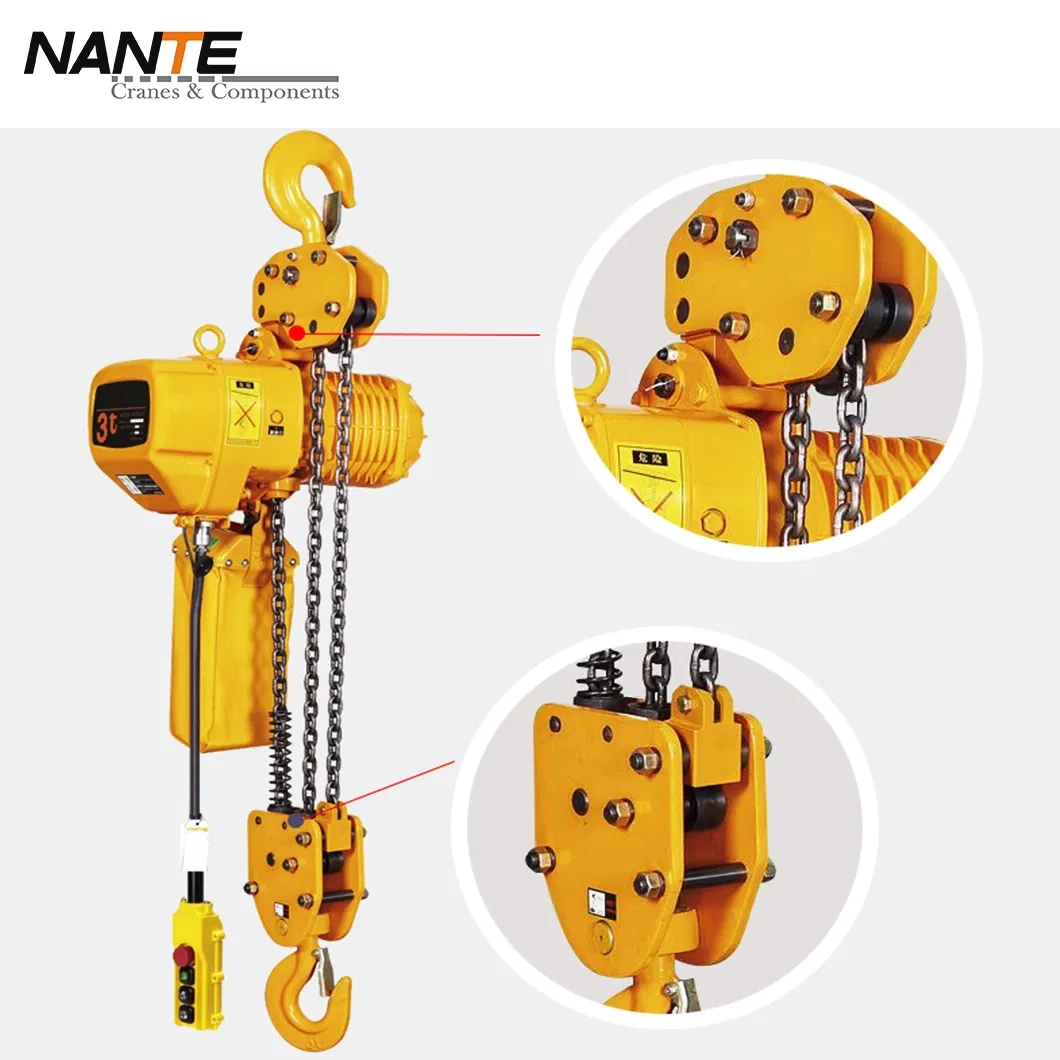
Chain Container Size vs Lifting Height
Long lift highs need bigger chain boxes to safe store extra chain length. Wrong size can cause chain jam, machine clash, or cut system work.
Low Headroom Hoist Selection Guide
Plants with small roof high need small crane lift parts. Low-headroom builds max up-down spot use while keeping full lift size. They fit tight plant spots well.
Tip 6 – Check Power Supply and Voltage Compatibility
Power match proves key for steady and good run of the electric chain hoist setup.
Single Phase vs Three Phase Chain Hoist
Single-phase hoists fit light-duty tasks and small shops. Three-phase setups stand as usual for plant spots where higher pull and steady run prove needed.
Electric Chain Hoist Voltage Requirements
Voltage must pair plant power give just right. Wrong match can cause heat up, weak motor work, or full system break of crane parts.
Industrial Power Supply for Hoist Systems
Steady power give makes sure even pull out and guards inside crane lift part from voltage shifts. Plant-grade setups often need set lines for safe run.
Tip 7 – Review Safety Features and Protection Systems
Safety setups stand as key parts in every electric chain hoist. They guard both users and tools right away.
Electric Chain Hoist Safety Features Checklist
Key safety bits hold:
- Overload guard setup
- Urgent stop job
- Upper and lower limit switches
- Phase failure guard setup
Each bit plays a part in stopping task breaks.
Overload Protection and Limit Switch in Hoists
Overload guard stops lift past safe size limits. Limit switches rule hook move to skip over-go. They guard machine build and load whole.
Hoist Braking System and Thermal Protection
Stop setups make sure quick load hold in power loss or stop acts. Heat guard setups watch motor heat and stop heat up in steady crane run.
Tip 8 – Warranty, Service Support and Total Cost
Full cost look holds both first spend and long-run task costs. These prove key in plant buy choices.
Electric Chain Hoist Warranty Comparison
Warranty terms show tool trust and maker faith in crane part build. Longer warranties often point to higher build rules.
Hoist Maintenance Cost and Service Support
Fix costs hold work, stop time, and spare parts. Trust service back cuts make break and raises long-run task work.
How to Choose Reliable Hoist Supplier
A trust supplier should give:
- Build talk and tech back
- Quick spare parts get
- Proven know in crane systems and plant uses
Selection Checklist (Featured Summary)
- Define application requirements clearly
- Evaluate environmental conditions thoroughly
- Perform accurate hoist duty cycle calculation
- Select proper load capacity with safety margin
- Measure lifting height and space limitations
- Confirm electrical compatibility
- Review all safety protection systems
- Evaluate warranty and long-term service support
Partner with Nante Crane for Reliable Hoisting Solutions
Nante Crane acts as a professional manufacturer. It focuses on crane systems and crane components. These hold electric chain hoists, lift parts, overhead cranes, gantry cranes, and jib cranes. The company gives joined lift fixes set for plant uses like making, move of goods, build work, and heavy gear handle. With strong build skill and tight build check, Nante Crane brings trust crane systems and parts. These make sure safe, good, and steady lift work over world plants.
FAQ
Q1: How do I calculate hoist duty cycle for factory applications?
Duty cycle comes from look at lift often, load strength, and full run time per work shift.
Q2: What safety margin is recommended for electric chain hoist selection?
A safety margin of 20–25% above maximum load is generally recommended for industrial crane systems.
Q3: Can single-phase chain hoists be used in industrial environments?
Single-phase hoists are suitable for light-duty tasks, while industrial operations typically require three-phase systems.
Q4: What environmental factors affect hoist performance most?
Temperature extremes, humidity, dust, and corrosive substances significantly affect crane hoisting mechanism performance.
Q5: Why is low headroom important in crane design?
Low headroom allows maximum lifting height in facilities with limited vertical space, improving system efficiency.