English


Crane Cable Reel Selection Guide for Industrial Buyers
Date: 2026-08-21 Share:
Selecting the right crane cable reel starts with understanding the actual operating conditions rather than simply comparing reel sizes. This crane cable reel selection guide helps industrial buyers evaluate cable length, voltage, current, crane travel speed, duty cycle, installation layout, and environmental conditions before requesting a model. A complete industrial cable reel specification makes it easier to match the drive type, drum capacity, electrical configuration, and protection level to the application.
Crane Cable Reel Selection Guide: Start With Operating Data
Define Crane Type and Motion
Identify the crane type and whether the reel serves long travel, cross travel, or vertical movement. Record whether it is mounted on the crane, at a runway end, or near the center because reel position changes active payout length.
IEC 60204-32 includes external power and control feeders such as flexible cables within the electrical equipment requirements for hoisting machines.
Separate Crane Capacity From Electrical Load
Crane lifting capacity alone does not determine reel size. Provide motor power, rated voltage, maximum current, phase, frequency, control voltage, simultaneous demand, and operating duty; these are more useful selection inputs than tonnage alone.
How Cable Length and Travel Distance Affect Reel Selection
Determine Active Cable Payout
Do not automatically use the full runway length as the cable length. Measure the maximum distance between the reel or feed point and the furthest crane position. End-fed, center-fed, horizontal, and vertical layouts can require different cable lengths.
Add Routing and Installation Allowance
Required cable length should include active payout, fixed connection length, routing, and the design-required installation allowance. Avoid arbitrary percentages; a simple layout drawing is more reliable.
Check Drum Storage Capacity
Drum capacity depends on cable length and outside diameter, while cable weight, drum core diameter, flange size, and winding arrangement influence mechanical selection. Two cranes with the same travel distance can therefore require different reels.
Industrial Cable Reel Specification: Voltage, Current, and Cable Configuration
Confirm Voltage and Current
State rated voltage, AC or DC, number of phases, frequency, maximum operating current, and any separate control or auxiliary voltage.
Check current capacity for the actual reeling condition. Because heat dissipation can change while cable remains wound, request confirmation of permissible current and any required derating.
Specify Cable Cores
List power conductors, protective conductor, control cores, auxiliary circuits, and any signal requirements. Conductor cross-section and core count affect cable diameter, weight, electrical capacity, and drum size.
IEC 60204-32 covers electrical systems for hoisting machinery from the supply connection and includes external power and control feeders, making electrical compatibility a key part of reel specification.
Crane Travel Speed and Duty Cycle
Record Maximum Travel Speed
Include maximum travel speed in m/min and note variable speed, acceleration, deceleration, or frequent reversing. The reel must follow crane motion while controlling slack and tension.
Define Operating Frequency
Specify operating hours per day, starts and stops per hour, reeling cycles, and continuous or intermittent duty. A short-travel crane cycling constantly can demand more from a reel than a longer crane used only occasionally.
Spring-Driven or Motorized Cable Reel for Crane Applications?
When a Spring-Driven Reel May Fit
A spring-driven reel may suit shorter or moderate travel, lighter cable, lower electrical demand, and simpler duty. Final selection should still verify cable weight, current, travel speed, and cycle frequency.
When to Consider a Motorized Cable Reel for Crane Use
A motorized cable reel for crane use becomes more relevant for long travel, heavier cable, higher current, frequent starts and stops, or more demanding torque control.
Selection guidance likewise associates motorized designs with long travel, heavy cable, higher current, and demanding duty, while spring-driven designs are more commonly considered for shorter travel and lighter operating requirements.
Purchase price should therefore not be the deciding factor. Compare the reel against the actual operating profile and expected lifecycle requirements.
Select the Correct Cable Before Finalizing the Reel
Use Cable Designed for Repeated Movement
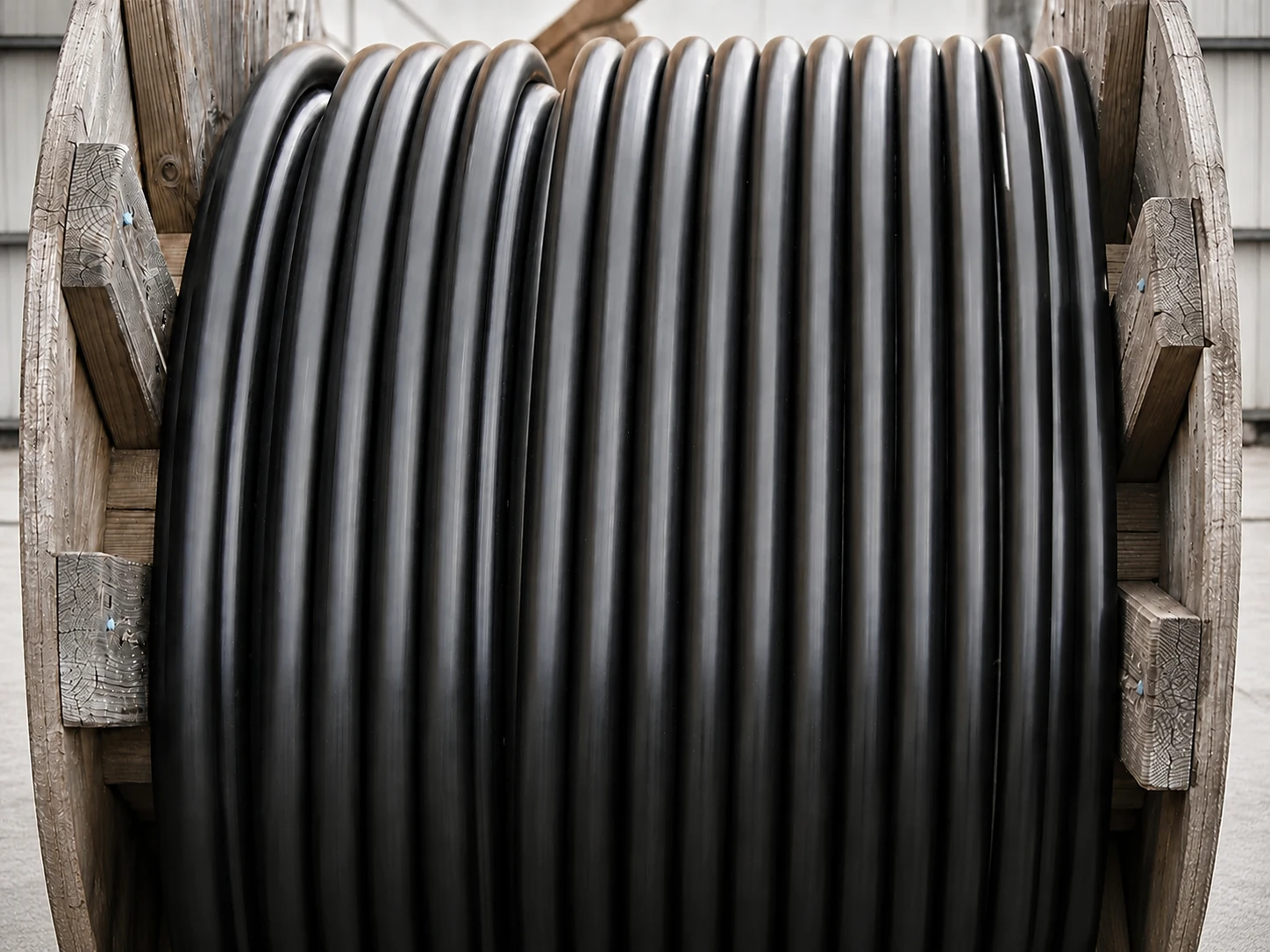
Reeling cable should tolerate repeated movement. Check flexibility, abrasion and tensile resistance, jacket material, temperature range, and environmental compatibility. These are core mobile-power requirements for crane cable.
Check Diameter, Weight, and Bending Requirements
Provide cable outside diameter, weight per meter, number of cores, conductor cross-section, minimum bending radius, and total length.
These parameters affect drum capacity, reel torque, cable tension, and service life. Selecting the drum before confirming the cable can result in insufficient storage capacity or unsuitable mechanical loading.
Environmental Conditions and IP Protection
Define Indoor or Outdoor Exposure
State exposure to rain, dust, sunlight, condensation, washdown, wind, and temperature variation. IEC 60529 defines the IP system used to classify enclosure resistance to dust and liquid ingress.
Do not select an IP rating simply because the crane is outdoors. Base the requirement on actual environmental exposure.
Consider Corrosion, Temperature, and Hazardous Areas
Ports, mines, steel plants, chemical facilities, coastal sites, and extreme temperatures may require special materials or cable compounds.
Explosive or flammable atmospheres need additional engineering; IEC 60204-32 notes that special requirements may apply to hoisting equipment in explosive atmospheres and mines.
Reel Mounting, Routing, and Cable Tension
Confirm Orientation and Cable Path
Specify horizontal or vertical payout, drum orientation, reel location, direction of travel, and cable entry angle. Guides should keep the cable aligned and prevent rubbing against structures or sharp edges.
Control Cable Tension
The goal is controlled tension, not maximum tension. Supplier calculations may consider cable weight, drum diameter, speed, payout direction, and acceleration.
Also state whether separate power, control, or other circuits require multiple drums.
Electrical Integration With the Crane Control System
Coordinate Power and Control Requirements
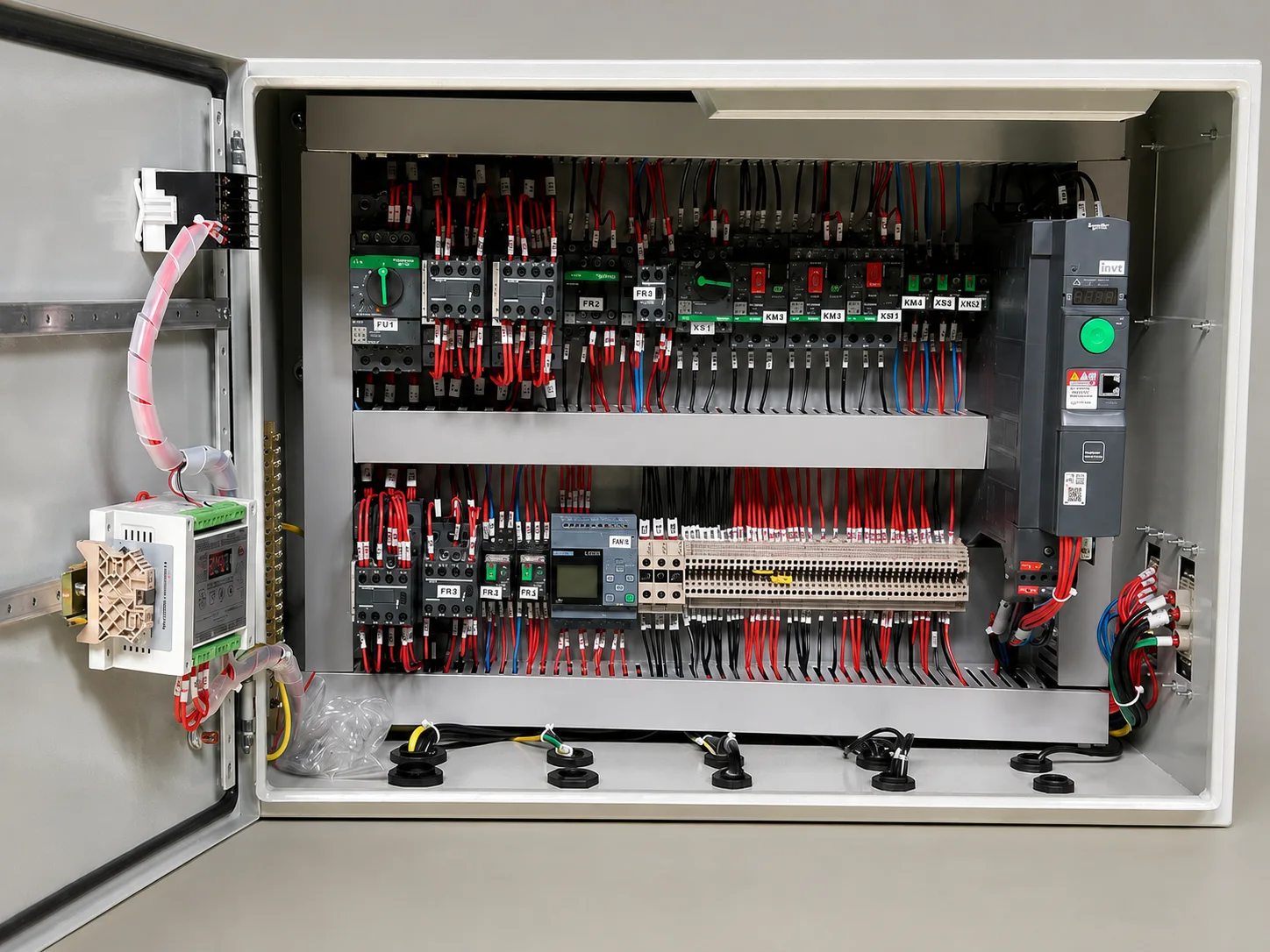
Provide main supply voltage, control voltage, motor data, control-panel interface, variable-speed requirements, and required protection signals.
IEC 60204-32 applies from the hoisting-machine supply connection and includes external power and control feeders.
For U.S. installations, OSHA crane and hoist requirements also address disconnecting means, including provisions for lockable disconnection of crane power supplies.
Industrial Cable Reel Specification Checklist for RFQs
Before requesting a quotation, prepare:
- Crane type and reel application.
- Total travel and active payout distance.
- Reel and feed-point position.
- Voltage, phase, frequency, and maximum current.
- Cable type, cores, cross-section, diameter, and weight.
- Maximum crane travel speed.
- Operating hours, cycles, and starts/stops.
- Horizontal or vertical payout.
- Indoor/outdoor conditions and ambient temperature.
- Dust, water, corrosion, or hazardous-area exposure.
- Required IP level.
- Installation-space limits and drum quantity.
- Control-panel interface requirements.
- Applicable electrical and crane standards.
These parameters are also consistent with the operating data recommended for long-travel crane reel selection and quotation preparation.
A complete RFQ reduces the risk of receiving a reel that is electrically adequate but mechanically unsuitable.
How to Evaluate a Cable Reel Supplier
Look for Application-Based Selection
A qualified cable reel supplier should request operating data before confirming a model. Cable length alone is not enough.
Compare rated current, compatible cable, drum capacity, drive method, protection level, installation, maintenance access, and lifecycle requirements.
Request Technical Documentation
Ask for model data, dimensions, electrical configuration, motor data where applicable, installation orientation, drawings, wiring information, maintenance instructions, and compliance documents.
If the application has unusual mounting space, multiple cables, harsh environmental exposure, or special control requirements, confirm customization capability before placing the order.
Common Crane Cable Reel Selection Mistakes
Avoid these purchasing errors:
- Choosing by cable length or crane tonnage alone.
- Ignoring cable weight and bending limits.
- Omitting travel speed or reversing frequency.
- Assuming wound cable has identical thermal conditions to fully extended cable.
- Treating indoor and outdoor specifications as interchangeable.
- Comparing initial price without considering maintenance, replacement cable, and downtime.
Example Selection Scenarios
Short-Travel Indoor Workshop Crane
For moderate duty, lighter cable, shorter travel, and a clean indoor environment, a spring-driven reel may enter the shortlist after current, speed, and cable-weight checks.
Long-Travel Outdoor Gantry Crane
Long travel, heavier cable, higher current, frequent operation, and weather exposure make a motorized design and clearly defined enclosure protection more important.
Heavy Industrial Application
For high cycle rates, large cables, dust, moisture, or corrosive exposure, prioritize duty capability, tension control, cable compatibility, environmental protection, and supplier engineering support.
Final Crane Cable Reel Selection Checklist
Before ordering, confirm cable length, drum capacity, current, voltage, cable cores, travel speed, duty cycle, drive type, mounting orientation, IP requirement, bending limits, control interfaces, drawings, and maintenance access.
If any of these remain undefined, model selection is not complete.
FAQ
How Do I Determine the Correct Cable Length?
Start with maximum active payout, then include fixed connection length, cable routing, and the required installation allowance. Reel position should be confirmed before calculating the final length.
Does Crane Lifting Capacity Determine the Reel Model?
No. Lifting capacity provides application context, but current, voltage, cable size, travel distance, speed, and duty cycle are more direct reel-selection inputs.
What IP Rating Should an Outdoor Crane Cable Reel Have?
There is no single rating suitable for every outdoor application. Select protection according to actual dust and water exposure using the IEC 60529 IP classification.
What Should I Compare Between Cable Reel Suppliers?
Compare electrical capacity, cable compatibility, drum capacity, drive method, environmental protection, documentation, technical support, maintenance requirements, and lifecycle cost rather than purchase price alone.
Request a Crane Cable Reel Recommendation
Nante Crane supplies cable reel solutions for a wide range of industrial crane applications. Procurement teams can provide key operating data, including travel distance, voltage, current, cable specifications, speed, duty cycle, and environmental conditions, to receive a suitable crane cable reel configuration and quotation. Contact Nante Crane to submit application requirements for technical review.