English



Wireless Crane Remote Control Systems Benefits and Limitations
Wireless Crane Remote Control Systems Benefits and Limitations
Date: 2026-06-26 Share:
Wireless Crane Remote Control Systems are widely used in modern industrial lifting operations to replace traditional wired pendant controls and improve operational flexibility, safety, and productivity. As industries increasingly adopt crane radio remote controls and broader wireless crane operation systems, decision-makers focus on performance factors such as remote control crane safety, signal reliability, interference resistance, and lifecycle efficiency. This article explores the benefits, limitations, and selection criteria of wireless crane control technology, while also comparing it with conventional pendant control systems.
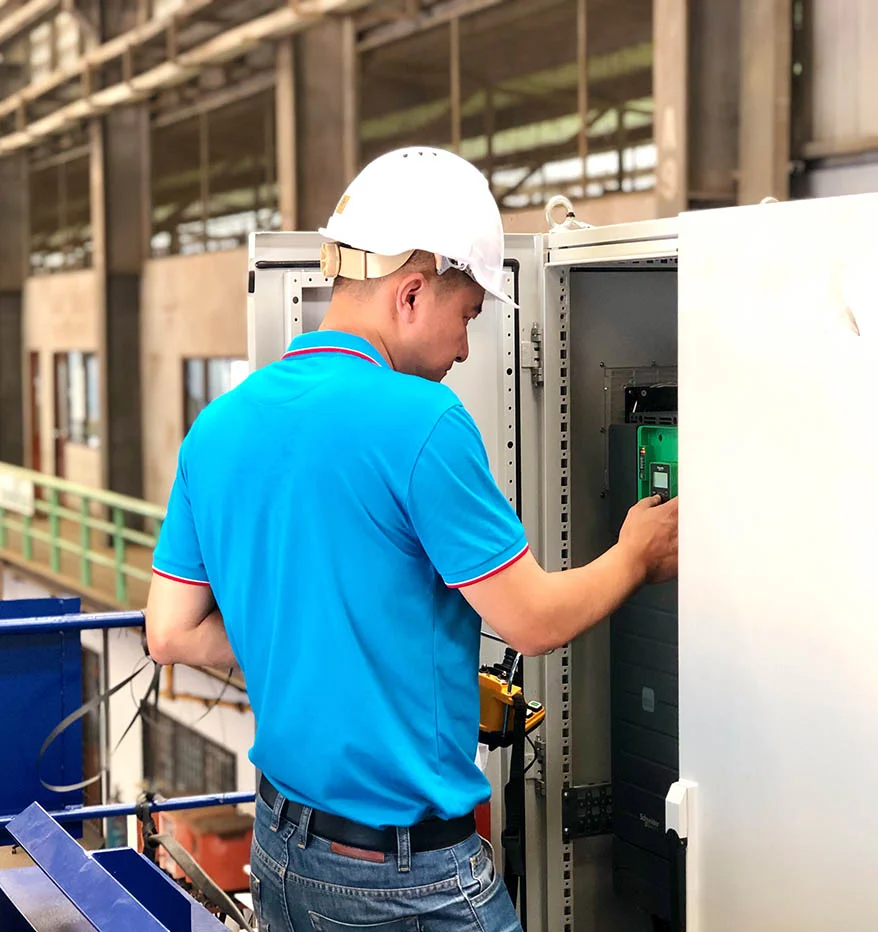
Crane Radio Remote Controls in Modern Industrial Operations
Crane radio remote controls are handheld wireless devices that transmit control signals via radio frequency (RF) to a receiver installed on the crane control system. This enables operators to control lifting, traveling, and positioning functions without being physically connected to the crane.
Industrial radio remote systems are now widely used in overhead cranes, gantry cranes, and material handling systems due to their ability to improve operational flexibility and safety. According to industrial control system principles, radio remote controls are designed with fail-safe architectures where signal verification and relay-based execution ensure safe command transmission in industrial environments .
In practice, wireless crane operation systems are increasingly replacing pendant stations because they allow operators to move freely around the workspace, improving visibility and reducing exposure to hazardous load zones.
Productivity Benefits of Wireless Crane Operation Systems
Wireless crane systems greatly enhance productivity on the job. Free from the constraints of cables, operators can position themselves for the best possible view to control their load as required. This greatly improves the accuracy with which they can manage loads.
Many wireless solutions also offer fast setup times, because wireless radio solutions are immediately ready for use and do not need to be physically handed around or cables to be laid out. This makes a big difference in very fast moving environments such as a busy warehouse or even a production line. The time saved setting up a wireless radio solution can be used to increase production volume.
Additional productivity is gained by reducing mechanical wear and tear. The cable of pendant systems are constantly bent and subject to wear and tear, which leads to frequent maintenance of cranes. The wireless systems do not have any mechanical wear and tear, thus allowing for more uptime without any interruptions for maintenance.
Remote Control Crane Safety and Operational Improvements
Remote Control Crane Safety Advantages
One of the main benefits of using wireless crane controls is safety. The ability to operate the crane from a remote location means the operator is not placed in jeopardy of being hit by a falling load or by moving machinery or being in a lift area where other individuals may be present.
The operator can position himself in safer locations with better visibility, and thus avoid blind lifting. In addition, the operator can coordinate better with ground staff. This promotes the safety of remote control crane operation, in particular in complex environments like a steel mill or a building site.
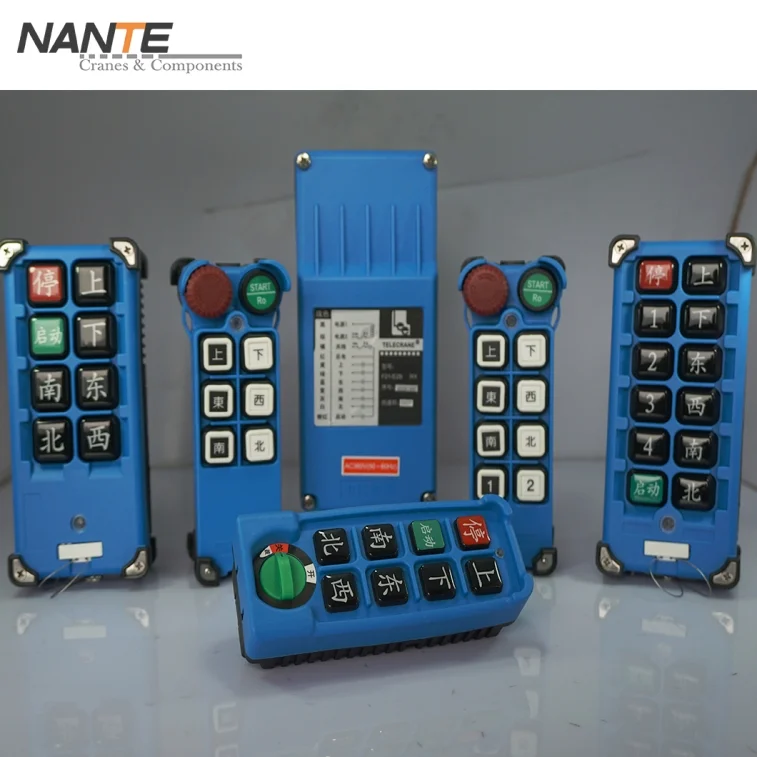
Anti-Interference Remote Controls
Industrial environments contain multiple sources of electromagnetic noise, including motors, transformers, and high-voltage equipment. To ensure stable communication, modern systems use anti-interference remote controls equipped with frequency-hopping and encoded transmission technology.
These systems continuously switch frequencies to avoid signal overlap and interference, ensuring stable communication even in electrically noisy environments. Redundant signal verification also helps prevent unintended crane movements caused by communication disruptions.
Radio Frequency Safety Standards
Wireless crane systems must comply with strict radio frequency safety standards to ensure reliable and safe operation. These standards govern signal integrity, emergency stop functionality, and fail-safe behavior in case of communication loss.
In industrial control systems, if signal transmission is lost or corrupted, the crane is designed to automatically enter a safe state, preventing unintended motion. This fail-safe principle is essential in heavy-duty lifting applications where safety risks are significant.
Wireless Crane Control Reliability and Technical Performance
The performance of the wireless crane system is dependent upon the stability of the signal, the transmission distance and the surrounding environment.
A problem studied in modern industrial research for wireless networked control systems is the trade-off between reliability and communication freshness. In real-time systems retransmission and signal quality have a major impact on stability of operation and on accuracy of control.
Wireless Crane Control Reliability in Real Operations
Reliability of wireless crane control in industrial applications is determined by several factors.
· Electromagnetic interference from nearby machinery
· Physical obstacles such as steel structures
· Distance between operator and crane receiver
· Environmental conditions such as humidity and dust
Modern RF systems are capable of handling these challenges and operate reliably with the help of redundant coding, filters and error correction.
Remote Control Operating Distance
The operating range of crane remote controls for use on cranes in open industrial yards is generally quite long even when using wireless systems, however the signal may be reduced in indoor environments with steel structures.
There are a few key factors that can influence how well a wireless system performs, such as the amount of power being transmitted by the wireless transmitter, the amount of sensitivity required by the wireless receiver, and how much interference is caused by the structure around the wireless transmitter and receiver. Typical wireless systems are designed to perform safely within the parameters of normal industrial facility design, and can handle to operate within the typical environment found within such a facility.
Wireless Crane Systems vs Pendant Control Systems
One of the major purchasing decisions is whether to go with a wireless system or to continue with the more traditional pendant controls.
Pendant systems are mechanically simple and cost-effective but limit operator mobility. Operators must remain physically connected to the crane via a cable, which restricts movement and reduces flexibility in large workspaces.
Wireless systems, on the other hand, provide significantly higher mobility. Operators can move freely, select optimal viewing angles, and respond more quickly to operational changes. This improves both efficiency and safety.
From a maintenance perspective, pendant systems require frequent cable inspection and replacement due to mechanical wear. Wireless systems eliminate cable wear entirely but introduce electronic components and battery maintenance requirements.
Overall, wireless systems offer superior operational flexibility, while pendant systems remain a lower-cost option for simple or low-frequency applications.
Common Limitations of Wireless Crane Remote Control Systems
Wireless crane systems do have some limitations that must be considered when selecting a system.
In areas with high levels of electrical noise or heavy metal structures signal interference is still a major risk. Even with the best anti-interference technology in extremely noisy environments complete immunity cannot be guaranteed.
The wireless system is battery dependent and therefore requires periodic recharging or replacement of the batteries. This adds to the maintenance compared to wired pendant systems.
Environmental sensitivity can be critical to the long term performance of components. Extreme weather, moisture and dust are all environmental factors that could potentially compromise a system if it is not adequately protected.
Finally, training of the operators is required for safe and proper use of the wireless systems. For optimal use of the wireless systems, the operators must have a thorough understanding of the emergency stop functions as well as the signal characteristics and of the operating instructions.
Maintenance and Best Practices for Long-Term Reliability
For long lasting performance it is very important to service on a regular basis. Test the signal for correct response, check the transmitter and receiver for damage or wear and check the emergency stop button.
Check battery performance to prevent unexpected power loss. Periodically check system for any potential sources of interference before they cause problems.
By performing maintenance properly on your industrial system you can get the best possible performance from your system, reduce down time to a minimum and extend the life span of your system.
FAQ
What are Wireless Crane Remote Control Systems?
They are RF-based control systems that allow operators to control cranes remotely without physical cables.
How do crane radio remote controls improve safety?
They reduce operator exposure to hazardous lifting zones and improve visibility during crane operation.
What affects wireless crane control reliability?
Signal interference, distance, environmental conditions, and system design all influence reliability.
Nante Crane is a professional manufacturer of crane systems and lifting components, providing overhead cranes, gantry cranes, and crane electrification solutions including crane control panels and industrial control systems. Its crane control technologies are engineered for reliable operation in demanding industrial environments, ensuring stable performance, safety compliance, and efficient material handling. Engineers can consult Nante Crane for customized wireless crane remote control solutions tailored to operating distance, environmental conditions, and safety requirements. Contact us to discuss your project needs and obtain a tailored crane control solution.