English


Why Corrosion-Resistant Davit Cranes Matter in Harsh Environments
Why Corrosion-Resistant Davit Cranes Matter in Harsh Environments
Date: 2026-05-16 Share:
A corrosion resistant davit crane gives steady lift work where normal gear breaks down fast. In davit crane harsh environment uses like sea work and sea platforms, touch with salt water, chemicals, and high wetness speeds up stuff wear.
What Makes Harsh Environments So Challenging for Davit Cranes?
Davit cranes work in spots that hit metal sides and machine parts hard. Outside factors mix to make fast wear that normal plans cannot stand.
Saltwater Corrosion and Marine Exposure Risks
Salt water works as a salt that boosts quick electric reactions on metal sides. Salt bits go through guard layers. They start pit and crack wear, above all in wet spots and areas with steady salt mist. Marine davit crane corrosion moves fast on carbon steel. The salt mist leaves lead films that keep on-going rust. Ports, ships, and shore setups show gear to these spots each day. Even small side harm grows into frame weak points.
Chemical Exposure in Industrial Facilities
Chemical plants let out acids, bases, cleaners, and gases that hit crane parts right. These things speed up rust and cause stuff thin or break easy. A corrosion resistant davit crane turns key when lift gear works near work tanks or deals with bad stuff often. Without right stuff pick, even short touch leads to clear part loss on arms and bases.
Moisture, Humidity, and Temperature Extremes
High wetness with heat changes causes wet build in joins, cracks, and shut areas. Freeze-melt rounds in some places make crack in covers or base stuff worse. These repeat rounds cut the frame strength of davit cranes over time. Wet build holds wet against metal sides. It makes good spots for under-cover wear.
Why Standard Davit Cranes Fail in These Conditions
Standard davit cranes from raw carbon steel get clear rust in months in hard spots. Rust grows and makes stress spots that start cracks. As wear cuts the side area of weight-hold parts, the gear loses power. It then breaks under weights it first could hold. This break way is clear but can stop with planned stuff and plan picks.
How Corrosion Affects Davit Crane Performance and Safety
Wear does not just change looks. It hits the machine traits and trust of davit cranes right.
Structural Weakening Caused by Rust and Oxidation
Rust and rust cut the thick of beams, pins, bases, and other key parts in davit cranes. The way makes pits that act as stress starts. Builders see clear loss of stuff power after long touch in davit crane harsh environment spots. This thin cuts the bend power and tire fight of the hit parts.
Reduced Load Capacity and Mechanical Failure Risks
Worn parts lose their first set power. A corrosion resistant davit crane keeps its checked weight hold. This happens because picked stuff and covers stop part loss. Non-fight models risk fast bend or break. This occurs even when workers put weights far under the name rate. Machine joins stick or lock as wear stuff builds up. This leads to hard-to-tell work.
Safety Hazards in Lifting Operations
Weak davit cranes raise the chance of weight falls or arm drop in lift. Workers face more risks in marine davit crane corrosion cases. There, eye checks may miss inner pits or hid thin. Safety rules need gear to keep full frame strength all through its work life. This guards people and goods.
Increased Maintenance and Lifecycle Costs
Often checks, fixes, and early swaps raise the full cost of own. Wear forces plan-out time that breaks make plans in steady work. A right-set corrosion resistant davit crane cuts these costs. It does so by keeping work over long times.
What Makes a Davit Crane Corrosion-Resistant?
Builders reach wear fight through close pick of stuff, guard setups, side care, and full plan.
Stainless Steel vs Galvanized Steel vs Aluminum Materials
Stainless steel, above all 316 or 316L kinds, makes a self-fix guard chrome rust layer. This fights salt hit well in sea spots. Galvanized steel puts a zinc give coat that guards the under steel until the zinc layer runs out. Aluminum gives normal wear fight and less weight. But builders must pick right mixes to keep need power in davit crane uses. Each choice shows give-backs in first cost, weight, power, and long wear for davit crane harsh environment work. Duplex stainless steels give even higher power and wear fight in hard sea uses.
Protective Coatings (Epoxy, Powder Coating Systems)
Many-layer epoxy setups with zinc-full first coats make strong walls against wet and chemicals. Powder coats give even cover and good stick when put and set right. These setups lengthen the life of base stuff in marine davit crane corrosion spots. Builders match coat thick and kind to wear kinds like C5-M or CX by ISO 12944 rules. Sea-kind coats can give guard for up to 25 years under right set.
Electropolishing and Surface Treatment Technologies
Electropolishing smooths stainless steel sides. It takes off tiny flaws that hold bad stuff. This way also boosts the guard layer on the metal. Extra side care makes better clean and long fight in chemical and marine davit crane uses. Smoother sides cut the start spots for pit wear.
Design Engineering for Long-Term Durability
Good plan cuts cracks where wet and dirt gather. Builders set shut bearings, IP-set boxes, and right drain paths. Stuff match stops electric wear between unlike metals. Careful build makes a corrosion resistant davit crane that works steady over tens of years in hard spots. Nante Crane’s offshore davit cranes, for example, add parts for salt mist fight and wind guard in marine ship and platform uses.
Key Industries That Require Corrosion-Resistant Davit Cranes
Some fields meet outside spots that make corrosion resistant davit cranes a must for safe and cheap work.
Offshore Oil and Gas Platforms
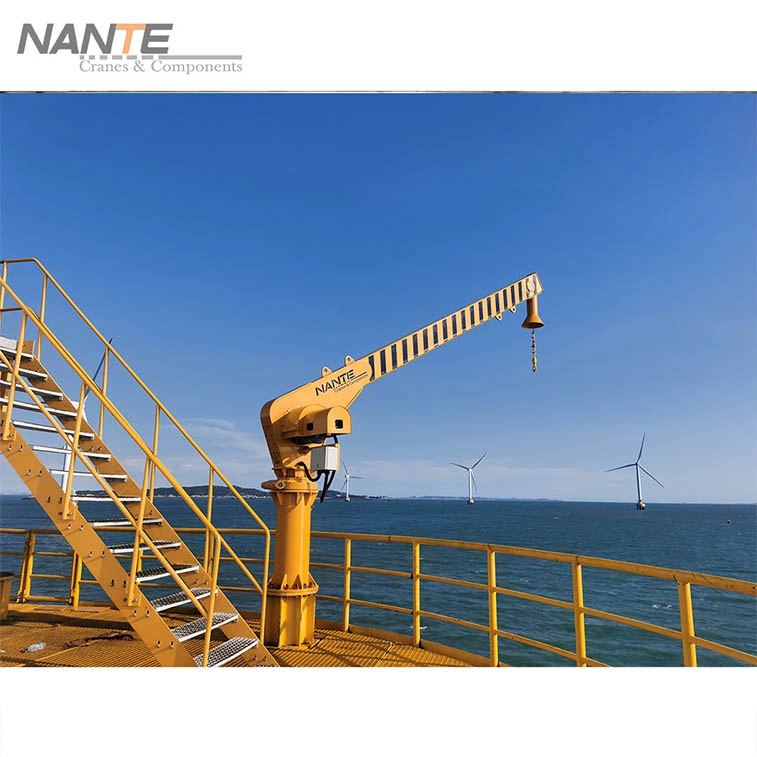
Sea platforms show davit cranes to steady salt mist, high winds, and wave move. Corrosion resistant davit cranes deal with people move, gear lift, and supply work while keeping frame strength. Nante Crane gives made sea cranes with holds from 150kg to 10t for these hard spots.
Marine and Port Operations
Ports and ships use davit cranes for load deal, boat start, and care tasks. Marine davit crane corrosion guard stops high-cost time-out in busy areas where gear works near sea water each day. Hot-dipped galvanized ends and stainless steel parts help gear last tens of years of touch.
Wastewater Treatment Facilities
Wet holes, clearers, and chemical add areas make wet, chemical hard spots with hydrogen sulfide and other bad stuff. Davit cranes lift pumps, mixers, and feelers in these setups. Wear-fight models cut swap rate and back steady care work.
Chemical Processing Plants
Touch with hard gases, spills, and smokes needs special stuff. Corrosion resistant davit cranes back care and stuff deal tasks without hitting safety or adding dirt risks.
Mining and Heavy Industrial Sites
Mining work mixes rough dust with wet or chemical touch. Strong davit cranes keep work where normal gear gets fast wear and often breaks.
Nante Crane helps these and over 30 fields world-wide, adding marine ship build, oil & gas, mining, and green power, with made lift fixes.
How to Choose the Right Corrosion-Resistant Davit Crane
Pick needs step-by-step check of site spots and work needs.
Matching Material to Environment Severity
Builders check the wear kind (C3, C5, or CX). They pick stainless steel for top sea davit crane corrosion. Or they choose galvanized steel with thick coats for middle touch. Site facts and rules lead the last stuff choice.
Load Capacity and Application Requirements
Buyers set max weight, reach, work round, and turn needs before picking a davit crane. The picked model must keep full hold after count for outside wear factors in davit crane harsh environment work. Nante offers davit cranes from 150kg to 10t. It also gives made sea fixes up to 50t.
Fixed vs Portable Davit Crane Selection
Fixed base models give higher hold and steady for last setups. Move plans give bend for many lift spots in wet or care uses. Each kind needs wear guard fit to its move and touch level.
Partner with Nante Crane for Reliable Lifting Solutions
Nante Crane acts as a leading manufacturer of cranes and crane components with over 30 years of experience. The company provides comprehensive lifting solutions, including jib cranes (free standing, wall mounted, wall travelling, and movable types with capacities from 150kg to 5000kg), workstation crane systems, offshore cranes, and davit cranes ranging from 150kg to 10t (plus customized offshore cranes up to 50t). Nante serves more than 30 industries across 50+ countries, with particular strength in marine, shipbuilding, oil & gas, offshore wind, mining, and other harsh environments. Its offshore cranes feature corrosion resistance and salt spray protection, while products follow rigorous quality control and design standards for durability, safety, and customization. Nante Crane also supplies a full range of crane components such as hoists, end carriages, and power supply systems to support complete lifting solutions.
Contact Nante Crane today via their website to discuss your specific corrosion resistant davit crane requirements and receive tailored engineering support.
FAQ
What is the main advantage of a corrosion resistant davit crane in marine environments?
It keeps frame strength and weight hold despite steady salt water touch. This cuts break risks and lengthens work life.
Which material performs best for davit crane harsh environment applications?
Stainless steel (316/316L) or hot-dipped galvanized steel with high-quality coatings offer excellent performance, depending on the exact corrosivity level.