English


Top-Running Vs. Under-Hung Overhead cranes: Differences and Advantages
Top-Running Vs. Under-Hung Overhead cranes Differences and Advantages
Date: 2026-05-16 Share:
Overhead crane systems hold an important part in material handling in making and factory places. When looking at choices, many engineers and site leaders look for top running vs underhung crane looks to grasp frame and work differences. A top running crane runs on tracks set on top of path beams. An underhung crane (also called under-running) goes along the bottom edge of the beams.
What Is a Top-Running Crane System?
Top-Running Crane Definition and Structure
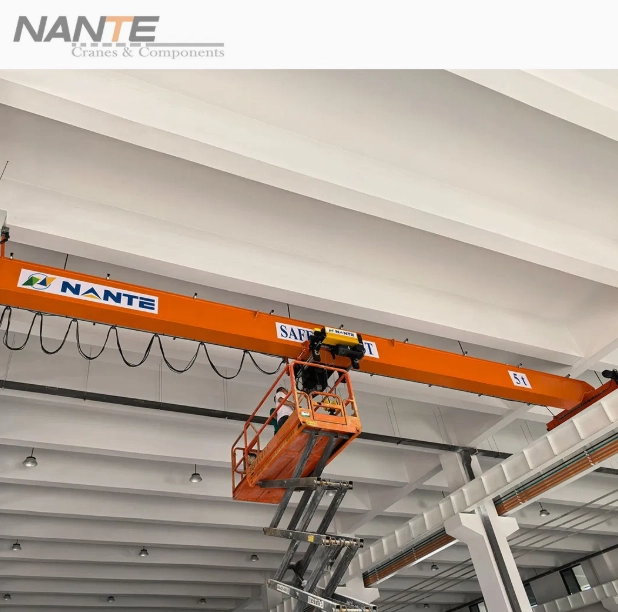
A top-running crane acts as an overhead bridge crane. In this setup, the end trucks roll on tracks fixed to the top of the runway beams. The bridge girders rest above the runway. The whole system sends loads straight down into the hold frame. This often means building columns or set supports. This plan makes a steady base for lift work. Top-running cranes appear in single girder and double girder styles. This lets bend based on hold needs.
How Top-Running Overhead Cranes Operate on Runway Rails
The crane’s end trucks shift along set tracks on top of the runway beams. Electric motors push the bridge along the length of the runway. At the same time, the trolley and hoist move across the bridge girders at right angles to the runway. This top-set track system gives even and firm motion. It works even with big loads. The plan cuts bend under weight. It also backs exact place in factory spots.
Key Components of Top-Running Overhead Cranes
Key components cover runway beams with top-set tracks. They also include single or double bridge girders, end trucks with wheels, a trolley, hoist unit, and electric control systems. The girders and end trucks take the main frame loads. Good crane components make sure steady work. They cut shake and lengthen use time in hard tasks. These parts join well to give good lift from light to heavy work.
What Is an Under-Hung (Under-Running) Crane System?
Under-Hung Crane Definition and Design
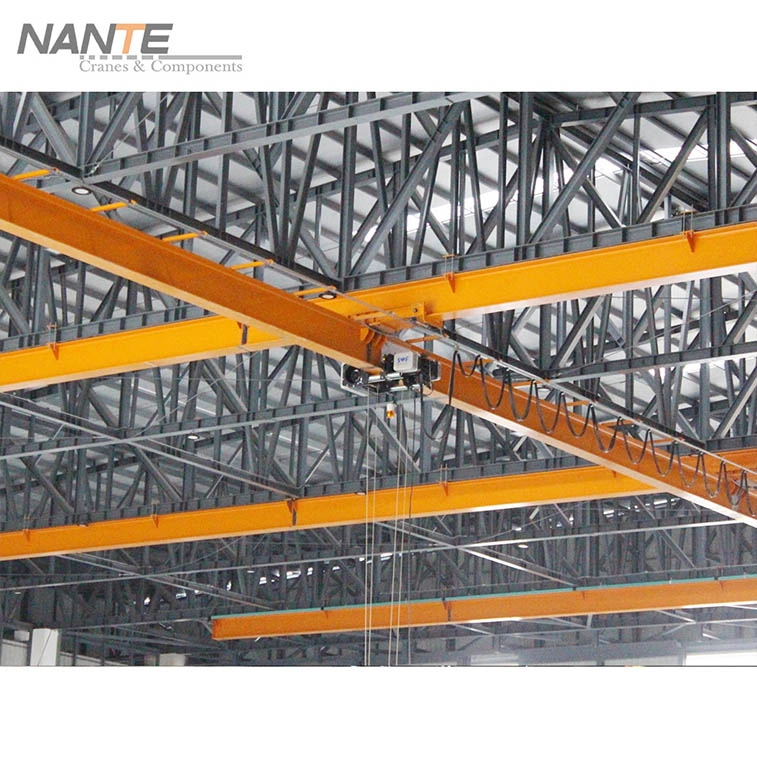
An underhung crane, also known as an under-running crane, has a plan where the bridge girders and end trucks work below the runway beams. The wheels touch right with the bottom edge of the beams. The whole crane hangs from the building’s top frame. This setup fits lighter weight uses. It gives a small shape in the place.
How Under-Running Cranes Are Supported by Building Structure
Under-running cranes count on the building’s roof frames or ceiling frame for hold. The runway beams fix right to these top parts. This lets the crane hang below without needing many floor-level columns in some plans. This hang way cuts floor blocks. It makes the system fit places where max use floor space counts.
Bottom Flange Runway Operation Explained
In an underhung crane, the wheels of the end trucks roll right on the lower edge of the I-beam runway. The trolley often moves along the bottom edge of the bridge girder too. This bottom-edge work makes a hung move path. It gives good cover over the work space. It keeps a lower full shape next to the hold beams.
Key Differences Between Top-Running and Under-Hung Cranes
Structural Support Differences (Top vs Bottom Runway)
Top-running cranes put the weight path on tracks set on top of strong runway beams. These beams send forces down into columns or firm building holds. Underhung cranes hang the bridge from the bottom edge of the runway beams. They count more on the roof or ceiling frame for hold. These basic frame differences touch hold, steadiness, and setup needs right away.
Load Capacity Comparison
Top-running cranes often back higher weight holds. Single girder top-running plans usually deal with up to 20 tons. Double girder setups can handle 20 tons to some hundred tons. Underhung cranes mostly serve lighter jobs. Their holds go from 0.5 tons to about 10 tons. Places with heavy lift needs often pick top-running systems for their power and growth room.
Installation Requirements and Building Design Impact
Top-running systems often need stronger building columns and set runway holds to deal with the down weight forces. Underhung systems join with old roof frames. This can make setup easier in buildings made for ceiling hang. The pick touches full building changes and work times.
Headroom and Workspace Efficiency Differences
Top-running cranes often give bigger hook tall. This comes because the bridge rides above the runway beams. It maxes open lift room. Underhung cranes use more up-down space from their hung plan. This can cut max hook tall. But it may let better side move and cover in some place plans. The room difference often turns into a key pick in low-ceiling spots.
Quick Comparison Summary
· Load Capacity: Top-running (higher, up to 300+ tons) vs Underhung (lighter, typically ≤10 tons)
· Support: Top-running on columns/runway tops vs Underhung suspended from roof
· Hook Height: Top-running generally superior
· Span Capability: Top-running excels in wider spans
· Floor Impact: Underhung often minimizes obstructions
Advantages of Top-Running Cranes
Higher Load Capacity for Heavy-Duty Applications
Top-running cranes do well in tasks needing lifts over 20 tons. Their strong girder and track plan spreads heavy weights well. This makes them fit for hard factory lift jobs where steadiness at top hold counts.
Longer Span Capability for Large Facilities
The frame power of top-running systems backs longer reaches between runway beams. This skill helps big making halls and storage spots. They need wide cover without middle holds.
Stronger Structural Integration with Building Columns
Top-running cranes join well with column-held runway beams. The plan sends loads right into the building’s up holds. This gives great full steadiness for steady heavy work.
Advantages of Under-Hung Cranes
Space-Saving and Floor Obstruction-Free Design
Underhung cranes cut the need for floor-level hold columns in many setups. The hung plan keeps the work space open below. This boosts item flow and worker move on the making floor.
Ideal for Low Headroom Facilities
In buildings with set roof frames, underhung cranes can give good cover where other plans might meet issues. Their small hung shape fits some low-room or special plans when made right.
Flexibility and Multi-Runway Systems
Underhung cranes give more bend for hard plans. They back link with next systems, side paths, or many runways. This lets smooth item shift over different work station areas.
Which Crane Should You Choose?
Choosing Based on Load Capacity Requirements
Check the top weight first. Pick a top-running crane when weights often go over 20 tons. Or pick it when later hold growth seems likely. Choose an underhung crane for steady lighter weights under 10 tons. In those cases, bend matters more than plain power.
Choosing Based on Building Structure Limitations
Look at the old building. Strong column-held frames like top-running cranes. Buildings with firm roof frames and few floor hold choices may fit underhung systems better. Always check frame engineer match.
Choosing Based on Production Workflow
Think about daily work. Heavy making and steel deal flows match with top-running cranes for their tall and hold. Group lines, light workrooms, and multi-spot item move often gain from the bend of underhung cranes.
Application Scenarios of Both Crane Types
Heavy Manufacturing and Steel Industry (Top-Running)
Top-running cranes help heavy making and steel fields well. These spots need high holds, wide reaches, and max hook heights for moving big steel rolls, machines, or made parts. Double girder top-running plans work steady in such hard places.
Assembly Lines and Light-Duty Workshops (Under-Hung)
Underhung cranes suit group lines and light workrooms well. Their lighter weight, bend, and small floor touch back good work flow in spots dealing small parts or often re-place over many stations.
Warehousing and Logistics Applications Comparison
In storage and move work, top-running cranes deal with heavier box or bulk loads with bigger lift heights. Underhung cranes give quick cover for lighter, high-amount pick and sort tasks where open floor space and many-way move add worth. The best pick rests on weight shapes and place plan.
Partner with Nante Crane for Your Overhead Crane Needs
Nante Crane acts as a leading manufacturer with over 30 years of experience making good cranes and crane parts. The company gives single girder overhead cranes (1-20t), double girder overhead cranes with hoist (3.2-63t) or open winch (10-300t) in top-running designs, and underhung overhead cranes (0.5-10t). Nante Crane offers steady lift fixes for making, storage, metal work, steel, ship build, and other heavy fields. This comes with full tech help and service. The Nante Crane team waits to talk about project needs and give made tips for the best top running or underhung crane system. Contact Nante Crane today.
Frequently Asked Questions
What is the main difference between top running and underhung crane?
The main difference sits in frame hold. Top-running cranes roll on tracks on top of runway beams held by columns. Underhung cranes hang from the bottom edge of beams fixed to the roof frame.
Which crane type offers higher load capacity?
Top-running cranes give much higher weight hold. They often go over 20 tons and reach hundreds of tons in double girder plans. Underhung cranes mostly deal with lighter weights up to about 10 tons.
Can underhung cranes work in low headroom buildings?
Underhung cranes can join with some building frames. But top-running cranes often give better hook tall and lift room in low headroom cases from their top-set plan.