English



What Crane Overload Prevention System Keeps Lifting Operations Safe and Efficient?
What Crane Overload Prevention System Keeps Lifting Operations Safe and Efficient
Date: 2026-05-15 Share:
A crane overload prevention system plays a key role in modern lifting work. The system watches load weight, radius, and other details all the time. It helps stop accidents before they start. Operators on busy construction sites, ports, and factories depend on these tools. They avoid tipping, damage to structures, or failure of equipment. A good crane overload prevention system uses sensors, displays, and automatic controls. These keep lifting capacity safe.
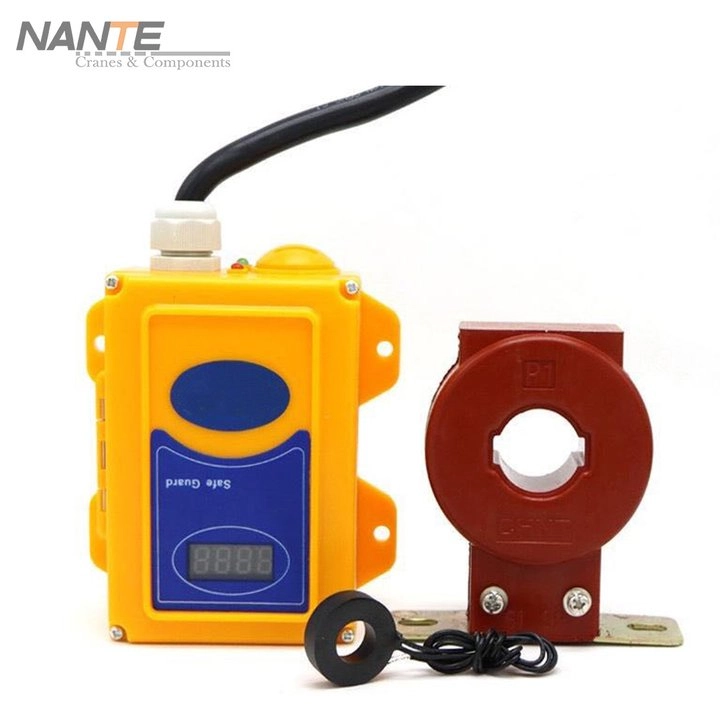
What Is Crane Overloading and Why Does It Pose Serious Risks?
Crane overloading happens when operators lift a load past the crane’s rated capacity. This often comes from wrong load checks, sudden boom extension, or shifts in working radius on mobile cranes. The risks include crane tipping, boom collapse, hook or rope failure, and serious injuries to nearby workers.
In ports, heavy container handling raises the risk when loads move suddenly. On construction sites, tall building lifts create high moments that test stability. These events lead to expensive downtime, equipment repairs, and possible rule breaks. A reliable crane overload prevention system deals with these risks. It gives nonstop monitoring and automatic action.
Why Crane Overload Prevention System Matters in Daily Operations
The crane overload prevention system cuts downtime and repair costs. It also protects people. The system sends real-time alerts and automatic shutdowns. These give operators confidence in complex lifts. Facilities use the system on overhead cranes, gantry cranes, jib cranes, and construction cranes.
Key benefits include:
- Prevention of tipping accidents during variable radius lifts.
- Protection of the crane hoist and structural components from excessive stress.
- Support for safe operations in high-traffic industrial environments like warehouses and manufacturing plants.
Proper use of the crane overload prevention system helps companies follow industrial safety rules. It also improves overall lifting efficiency.
Key Components of Modern Crane Overload Prevention System
A full crane overload prevention system brings several technologies together. Sensors pick up weight and position data. Indicators show information clearly to the operator. Limiters set off alarms or cut power when limits get close. These parts link with the crane control system for smooth protection.
The components make sure monitoring stays active during every lift. Operators get quick feedback in the cabin. Automatic features react faster than manual moves. This mix builds the base for strong overload protection in today’s cranes.
Load Moment Indicator Crane System Explained
The load moment indicator crane system works as a smart safety tool. It figures out safe lifting limits as conditions change. The system uses several sensors to measure boom angle, boom length, working radius, and actual load weight. It then works out the load moment as weight times radius. Next, it compares this value to the crane’s rated capacity chart.
Real-time monitoring runs all the time. The load moment indicator crane system gives visual and sound warnings inside the operator cabin. Warnings come when the load gets near safe limits. Many systems also limit some movements to stop unsafe actions.
How Load Moment Indicator Crane System Calculates Load and Radius
Sensors gather data on boom extension, angle, and hook load. A central processor takes these inputs. It calculates the current working radius. The system checks pre-loaded capacity charts that cover different setups. This process gives accurate, fast feedback even when the boom moves during the lift.
How the Load Moment Indicator Crane System Prevents Crane Tipping
The load moment indicator crane system steps in before the crane loses stability. When the calculated moment gets near the limit, the system sends warnings. It can also limit boom extension or hoist movement automatically. This feature helps a lot in mobile and tower crane work. There, radius changes happen quickly.
Advantages and Limitations of Load Moment Indicator Crane System
The system provides good accuracy for complex lifts with changing radii. Operators get clear data that supports better choices. However, the load moment indicator crane system needs correct calibration and regular checks to stay reliable. Outdoor factors like strong winds may affect readings in outside work.
Crane Load Limiter System and Its Function in Safe Lifting
The crane load limiter system serves as a direct weight-based safety tool. The system checks the actual lifted weight against set safe limits. When the load hits a level—often around 90-100% of rated capacity—the crane load limiter system sends alarms. It also cuts lifting power automatically to stop further hoisting.
Integration with the crane hoist mechanism lets the system react right away. The crane load limiter system works well on overhead cranes and gantry cranes in factories and warehouses.
How Crane Load Limiter System Stops Overloading in Practice
Sensors or load cells measure force on the hoist. Electronic units handle the data. They compare it with set limits. When overload conditions show up, the system starts alarms and disconnects the lifting circuit. This real-time load monitoring gives a simple safeguard against too much weight.
Safety Benefits of Crane Load Limiter System in Industrial Settings
The crane load limiter system protects the crane hoist and ropes from damage. It lowers the chance of sudden failures during normal material handling. Operators in busy industrial areas gain from the automatic cutoff. It prevents unsafe lifts without depending only on human judgment.
Load Sensor and Intelligent Weighing Technology in Crane Safety
Crane load sensor systems give exact weight measurement during lifting. Intelligent crane weighing systems turn sensor data into digital details for nonstop monitoring. Real-time crane weight monitoring technology uses strain gauges or load cells at important points on the crane hoist or hook block.
How Load Sensors Measure Lifting Weight Accurately
Load cells bend under force. Strain gauges fixed to the sensor notice this change. They create electrical signals. The signals go to processing units that calculate the exact weight. Placement on the hook block or hoist ensures direct measurement of the suspended load.
Role of Sensors in Overall Crane Overload Prevention System
Sensors supply raw data that feeds into the broader crane overload prevention system. They support combined safety networks by giving inputs for both load limiters and load moment indicators. Smart data logging features in modern crane control systems let operators and supervisors review lift history for better safety management.
Torque Limiter System for Crane Stability and Tipping Prevention
The crane torque limiter system focuses on rotational forces that affect crane stability. The system monitors twisting moments from the load and boom setup. Torque links directly to tipping risk. This is true especially during slewing or when the boom extends far from the center of rotation.
Applications often appear in tower cranes and mobile cranes with long booms. The crane torque limiter system helps keep balance. It handles forces that pure weight measurement might miss.
How Torque Limiter System Prevents Tipping Accidents
Sensors track torque values all the time. When limits get near, the system sets off alarms. It can also cut power to risky movements such as further boom extension or slewing. This action stops the crane from reaching a tipping point from excessive moment.
Differences Between Torque Limiter and Other Crane Safety Systems
Torque limiters stress stability and rotational dynamics. In contrast, load moment indicator crane systems calculate overall moment. Crane load limiter systems focus mainly on direct weight. Many modern setups combine these technologies for full protection.
Automatic and Intelligent Features in Crane Overload Prevention System
Automation improves the crane overload prevention system by lowering human error. The system links with crane hydraulic systems, power supply, and crane control for coordinated responses. Features include automatic alarms, instant shutdowns, and data feedback to the operator.
Comparison of Different Crane Overload Prevention Systems
Different systems meet specific needs inside the crane overload prevention system family. Load moment indicator crane systems do well in variable radius situations. Crane load limiter systems offer simple weight protection for hoist-focused work. Torque limiter systems handle stability in rotating cranes.
- Accuracy varies by application: LMI systems manage complex calculations well.
- Cost versus performance depends on crane type and usage frequency.
- Industry applications differ: ports favor combined systems, while factories often rely on load limiters for overhead cranes.
Industry Applications for LMI, Load Limiter, and Torque Limiter Systems
Construction sites use load moment indicator crane systems for mobile and tower cranes. Ports and warehouses apply crane load limiter systems on gantry and overhead cranes. Tower cranes benefit strongly from torque limiter systems that prevent tipping during slewing.
Choose Reliable Crane Components for Maximum Safety
Nante Crane is a leading manufacturer with over 30 years of experience in producing high-quality cranes and crane components, including overhead cranes, gantry cranes, jib cranes, construction cranes, workstation cranes, and offshore cranes. The company offers robust crane control systems and components such as overload limitor that support effective crane overload prevention system performance. For professional crane solutions tailored to your lifting needs, contact Nante Crane today through their website or service team.
FAQ
What is the main function of a crane overload prevention system?
The crane overload prevention system monitors loads in real time and prevents lifting beyond safe capacity through alarms and automatic cutoffs.
What is the difference between a crane load limiter system and a torque limiter?
The crane load limiter system focuses on direct weight, while the torque limiter addresses rotational forces and overall stability.