English


Using Cranes and Hoists in Hazardous Areas: Safety Design, Explosion Protection, and Equipment Selection
Using Cranes and Hoists in Hazardous Areas Safety Design, Explosion Protection, and Equipment Selection
Date: 2026-05-15 Share:
Factory cranes and hoists hold an important part in moving materials in places like oil and gas, mining, chemical work, and sea-based spots. These spots often contain burnable gases, burnable dust, or chemical air. Such setups make work spots full of danger. In these spots, crane and hoist setups need good planning with blast-safe guard, spark-proof stuff, and full match to world safety rules. This cuts fire start dangers and backs safe lift jobs.
1: Understanding Hazardous Areas in Crane and Hoist Applications
1.1 Classification of Hazardous Environments in Industrial Sites
Hazardous areas are factory spots where blast air may show up from burnable gases, air, or burnable dust. These spots get sort under NEC, ATEX, and IECEx rules into varied zones or parts. The sort rests on how often and how long the danger shows. Zone 0 or Class I Division 1 points to steady face. Zone 2 or Division 2 points to now and then or odd face terms.
1.2 Why Cranes and Hoists Become Ignition Risks
Cranes and hoists can act as fire start points. They do so via a few machine and power factors that take place in usual work. Rub between moving parts, power switch in motors, and static build-up can all make sparks. When these sparks happen in air with burnable gas or dust, fire start turns into a true threat.
1.3 Industrial Applications of Hazardous Area Lifting Equipment
Hazardous area cranes and hoists find broad use over fields where blast air exists. In oil and gas spots, lift setups deal with pipe jobs and fix work in plant zones. In mining work, hoists aid under-ground material move where burnable dust may pile up.
Chemical plants and sea platforms also count on blast-proof cranes for gear setup and fix jobs. These spots need firm trust, good safety match, and close build checks. Such steps make sure safe lift under shifting terms.
2: Explosion-Proof Crane and Hoist Systems for Hazardous Areas
2.1 What Makes a Crane or Hoist Explosion-Proof
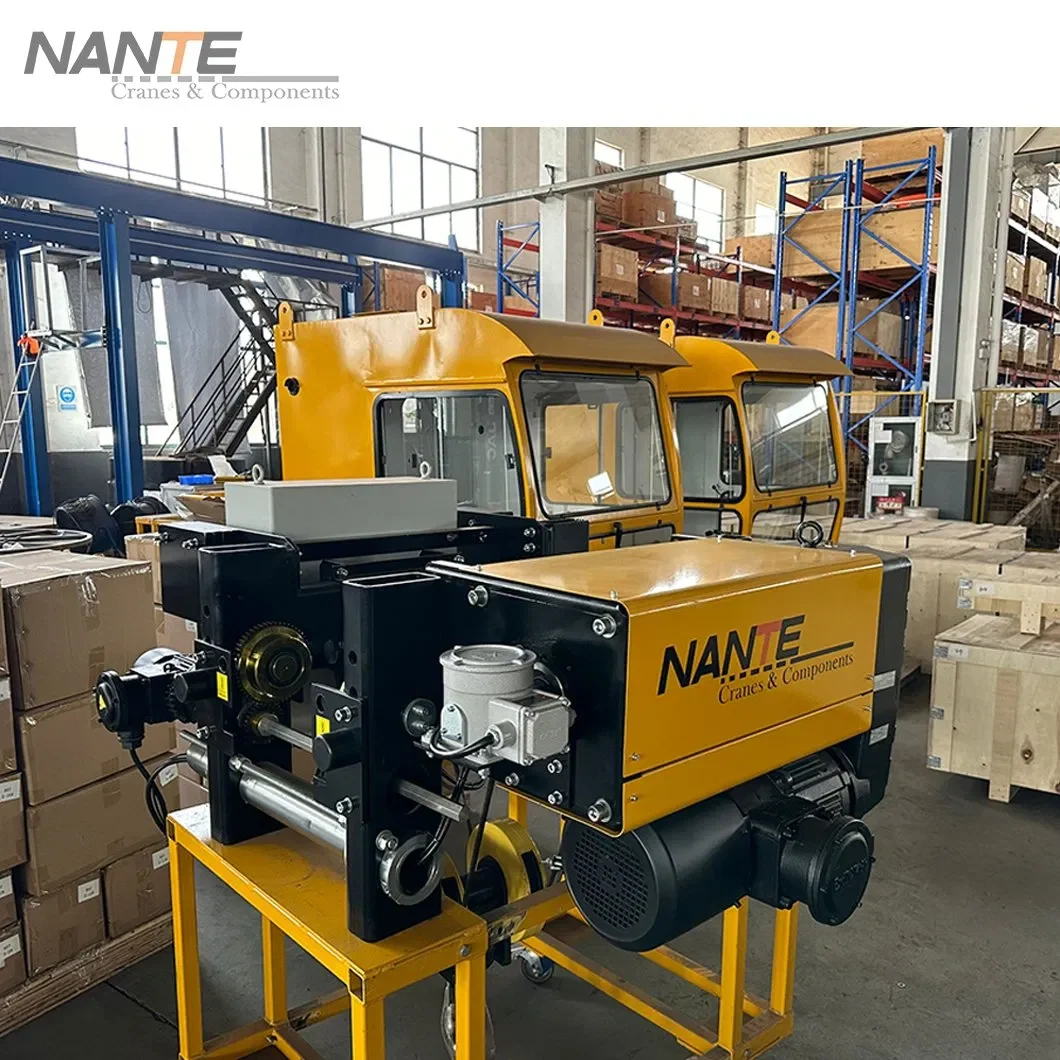
An explosion-proof crane or hoist gets build to block inside or outside fire start points from kicking off a blast in danger spots. This aim comes via shut power covers, watched face heat, and firm machine shells. These parts hold any likely inside flaw.
Explosion-proof build does not mean the gear can fight an outside blast. Instead, it makes sure that power jumps, sparks, or heat made inside the gear cannot get out. This stops them from firing near burnable air.
2.2 Electrical and Mechanical Ignition Sources in Crane Systems
Power setups in cranes and hoists make fire start threats via motor jumps, switch links, and guide system fails. Machine setups add more threat via rub between moving parts like wheels, chains, and load hooks.
In danger spots, even tiny power let-out or machine rub can fire gas or dust mixes. For this, both power and machine build parts must get planned as one. This move cuts likely fire start points over the full lift setup.
2.3 Compliance Standards for Hazardous Area Crane Equipment
Crane and hoist setups used in danger spots must keep to tight world safety rules. These cover NEC sort in North America, ATEX guides in Europe, and IECEx world cert setups. These rules set gear kinds, heat limits, and guard ways needed for safe work.
3: Spark-Resistant Materials in Crane and Hoist Design
3.1 Why Standard Steel Components Create Safety Risks
Standard steel parts that folks often use in cranes and hoists can make sparks when they hit under weight or in move. Steel rub grows much when rust shows. This case adds to the odds of heat and spark make.
In danger spots, this threat turns key. Even a little spark can kick off fire in burnable gas or dust air. So, standard build steel alone lacks for safe work in sorted zones.
3.2 Non-Sparking Materials Used in Crane Components
To cut fire start threats, crane setups use no-spark stuff like bronze, stainless steel, and special treated mixes in main parts. Bronze finds usual use in hooks and cart wheels. It cuts spark make a lot in hit or rub.
Stainless steel shows in load chains and build parts where rust fight is needed. These stuff shifts prove main. They aid keep safety wholeness in danger lift work while they make sure machine power stays.
3.3 Surface Treatment and Friction Control in Crane Systems
On top of stuff pick, face care plays a good part in cutting fire start threats. Guard covers like epoxy coats and anti-rub ends get put on crane parts. They cut straight metal-to-metal touch.
Oil setups also get close plan. This makes sure even move of machine parts. These build steps cut rub heat make. They cut down the threat of spark make in lift work in blast spots.
4: Corrosion Resistance in Hazardous Area Crane Systems
4.1 Corrosive Environments in Offshore and Chemical Industries
Danger spots often show crane setups to strong rust terms. This rings true in sea platforms and chemical work spots. Salt water face, chemical air, and wet speed up rust on build and machine parts.
Rust not only cuts build power but also adds face roughness. This shift adds to higher rub levels. This pair makes a side fire start threat. Builders must fix it via stuff build and guard plan.
4.2 Relationship Between Corrosion and Ignition Risk
Rust right shapes the safety work of crane setups. It does so by adding machine push between moving parts. As rust grows, rub rises. This can lead to heat pile and likely spark make in work.
In danger spots, this link reaction proves quite risky. Rust adds to fire start threat in side ways. So, rust check counts as a main part of blast safety build. It goes beyond just build last.
4.3 Corrosion-Safe Crane Design Requirements
Rust-safe crane setups need the use of sea-grade stuff, guard covers, and shut machine builds. Builders plan lift setups to cut face of key parts to rust agents. They do this while they hold work ease.
This way covers picking stainless steel parts, putting multi-layer guard covers, and setting machine setups from straight spot face.
5: Space Constraints in Hazardous Area Crane Systems
5.1 Why Hazardous Areas Often Have Confined Spaces
Many danger factory spots like sea platforms, under mines, and chemical plants hold very tight work room. Gear lay often packs close from process needs. This leaves little room for crane move.
These room limits call for small lift setups. The setups must work well in tight spots. They cannot cut safety or load hold.
5.2 Low Headroom Crane and Hoist Configurations
Low headroom cranes and hoists get build to boost lift height in spots with little up room. These setups cut build over room. They still hold lift power and work steady.
Small build proves key in danger spots where setup room lacks. These setups let safe material move. They do not need build shifts to current factory spots.
6: Selecting the Right Crane or Hoist for Hazardous Areas
6.1 Hazardous Area Risk Assessment Before Equipment Selection
Picking crane gear for danger spots starts with a full threat check of the work spot. Builders check gas or dust sort, how often face happens, and heat terms before they pick gear specs.
This check makes sure that the picked crane setup fits the safety sort of the factory spot. It cuts likely fire start threats from wrong gear pick.
6.2 Material and Certification Checklist for Crane Systems
Crane setups must meet tight cert needs before setup in danger spots. This covers checking blast-proof rates, stuff make-up, and match to NEC, ATEX, or IECEx rules.
A set list makes sure that every part, adding hoist ways and guide setups, gets check for safe work under danger terms.
7: Crane Components Used in Hazardous Area Systems
7.1 Crane Hoisting Mechanism in Hazardous Environments
Crane hoist ways in danger spots must get build with watched lift move, blast-proof motors, and strong load deal setups. These ways make sure steady up lift. They do this without making fire start threats.
Hoist setups get build to work under steady load terms. They hold right check in blast air.
7.2 Crane Electrical Control Systems for Explosion-Proof Applications
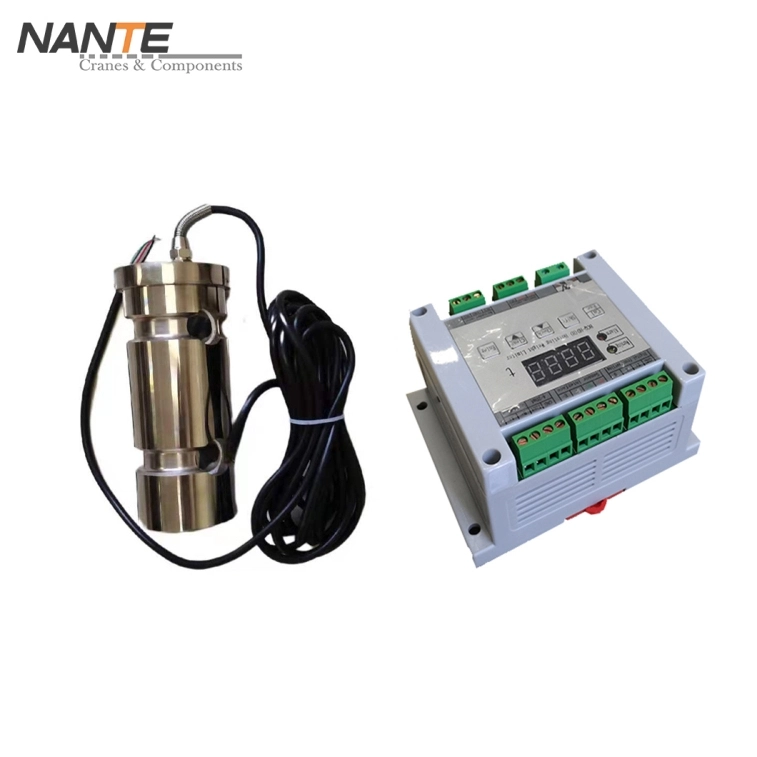
Power guide setups in cranes stay full shut. This blocks spark let-out. They get build with shut switches, kept-off wires, and guard paths. These setups make sure safe work even under flaw terms.
Side stop setups and safety locks also get join. They give extra work guard in danger spots.
7.3 Crane Structural Components for Industrial Safety
Crane build parts like beams, carts, and load frames get build for high power and spark fight. These parts get plan to spread load even. They block machine rub under work push.
Build safety plan makes sure that cranes stay steady and trust even in high-threat factory spots.
Industrial Crane Solutions for Hazardous Environments
Nante Crane provides engineered lifting solutions including overhead cranes, gantry cranes, jib cranes, workstation cranes, offshore crane systems, and hoisting mechanisms designed for demanding industrial environments. Its product range includes crane components and customized lifting systems that support safe operations in oil and gas, offshore engineering, mining, and chemical industries. Contact Nante Crane today.
FAQ
What makes a crane explosion-proof?
An explosion-proof crane receives design to contain internal ignition sources. It prevents them from igniting external explosive atmospheres.
Which industries require hazardous area cranes?
Industries include oil and gas, mining, offshore platforms, chemical processing plants, and heavy manufacturing facilities.
Why are spark-resistant materials important?
Spark-resistant materials reduce friction-induced ignition risks in environments where flammable substances are present.