English



Gantry Cranes For All Types of Materials Handling Situations
Gantry Cranes For All Types of Materials Handling Situations
Date: 2026-05-16 Share:
Gantry cranes for material handling offer handy and useful lifting options for companies that must shift heavy items without relying on building frames. These standalone setups work well in storage areas, workrooms, dockyards, production sites, and open lots. Firms pick gantry cranes for material handling since they bring solid flexibility, simple setup, and cheap running in various places.
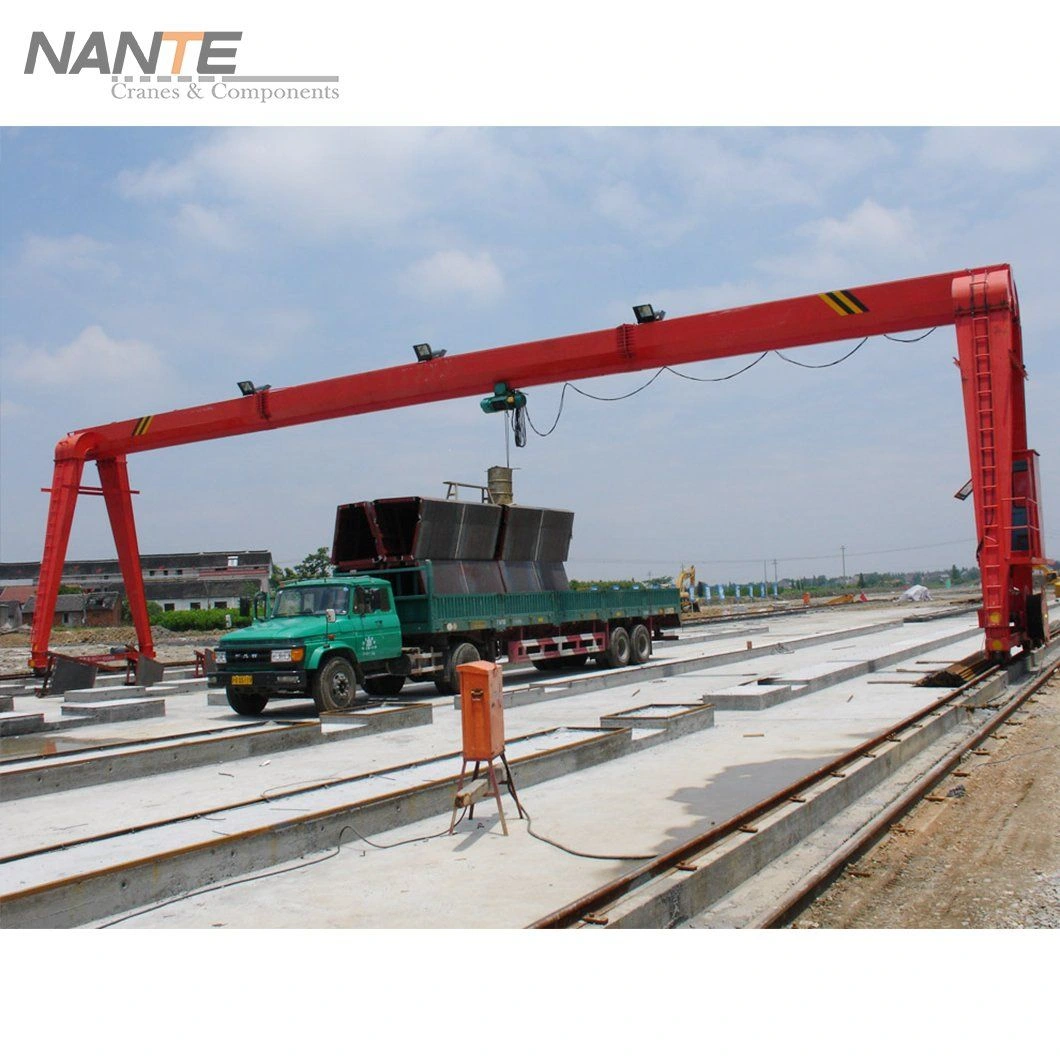
Introduction to Gantry Cranes
What Is a Gantry Crane in Material Handling
A gantry crane serves as a standalone lifting tool. It includes upright legs and one or more cross beams. The beam holds a hoist and trolley. This setup lifts, shifts, and places items in a safe and exact way. Other cranes need to join with building frames. Gantry cranes stand alone on their legs. Those legs often roll on wheels or tracks.
Gantry cranes for material handling usually deal with weights from 0.5 tons in easy jobs up to 300 tons or higher in big factory work. These cranes give steady output in both inside and outside spots. They let workers shift goods, parts, loose items, and gear with managed moves in three ways.
Gantry Crane Structure and Design (Single vs Double Girder)
Gantry crane structure mainly uses single girder and double girder styles. Single girder gantry cranes have one cross beam held by two legs. This setup gives a smaller total weight. It also brings easier build and less cost. The design fits light to medium weights, often from 1 to 20 tons. It offers enough steadiness for many workroom and storage jobs.
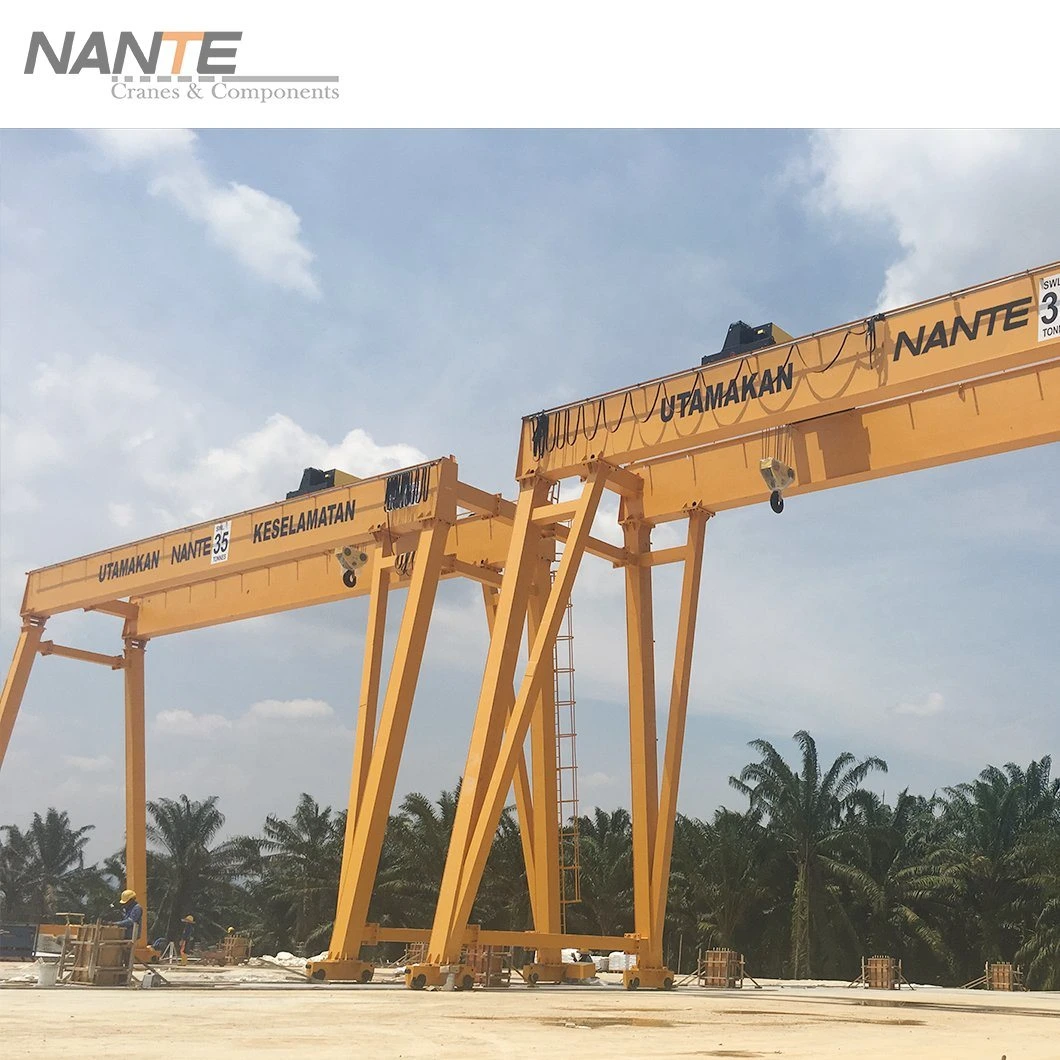
Double girder gantry cranes use two side-by-side beams for more firmness and bigger weight hold. This style backs heavier raises from 5 tons up to 300 tons or higher. The double girder plan allows for broader reaches, taller lifts, and better weight spread. It also fits extra parts like repair paths when required. Some types add frame beams for added power in outside uses with wind push.
Why Gantry Cranes Don’t Require Building Support
Gantry cranes skip building support because their legs give complete frame steadiness. The legs send all weights right to the floor or tracks. This freedom makes gantry cranes a good fit for places with weak roof frames, open lots, or short-term work areas. Workers can set up these cranes fast without costly building changes or track setups.
What Are Gantry Cranes Used For
Gantry Crane Uses in Warehouses and Workshops
Gantry cranes for material handling do well in storage areas and workrooms. Staff use them to shift parts, tools, and groups along making lines or keep spots. Movable and changeable types let quick shifts between work points. These cranes cut hand work and boost safety in repeat lift jobs in tight inside areas.
Applications in Shipyards, Railyards, and Manufacturing
Tough gantry crane uses show up often in dockyards. There, workers raise big ship parts and pieces. In rail yards, gantry cranes deal with tracks, machines, and loads well. Production sites count on them for moving steel bars, heavy machines, and done goods. Build sites use gantry cranes to set ready concrete parts and build items. Steel works and mine jobs also gain from their strong hold for loose item dealing.
Indoor vs Outdoor Material Handling Solutions
Inside gantry cranes often have small designs with even wheel parts for clean spots. Outside types add weather-proof parts, rubber wheels, or track systems that manage rough ground and wind states. Half-gantry cranes mix one leg on the ground with help from a building wall. This gives a useful half-way fix for tight-space places. Rubber tyre gantry cranes bring good move in big outside keep yards and ports.
Light Duty vs Heavy Duty Lifting Applications
Light duty gantry cranes usually handle 0.5 to 20 tons for fix work, put-together jobs, and small part dealing. Heavy duty kinds manage 20 to 300+ tons for big factory tasks. Workers pick hold based on top weight, how often used, and needed lift tall. Right match makes sure safe and good item dealing over different work rounds.
Types of Gantry Cranes for Different Situations
Fixed Height Gantry Cranes for Dedicated Tasks
Fixed height gantry cranes help repeat acts in steady making spots. These types give even output where weight heights and reaches stay the same. Set plans cut change time and back high output in set work points or group lines.
Adjustable Gantry Cranes for Flexible Operations
Adjustable gantry cranes let workers change height, reach, or width to fit different job needs. This freedom helps a lot in busy workrooms where jobs switch often. Staff can fit the crane fast without buying many set units.
Portable Gantry Cranes for Maintenance and Repair
Portable gantry cranes have light build and rollers or small wheels. Fix teams shift these cranes with ease between repair spots or job areas. They do best in gear fixing, machine setup, and short lift needs where fast start and move count most. Holds often go from a few hundred kilos to 10 tons.
Small vs Large Gantry Crane Systems
Small gantry crane systems fit workrooms and light making with small space. They bring easy deal and lower money cost. Large gantry crane systems, adding full gantry and rubber tyre types, cover broad areas in dockyards, ports, and heavy making. These systems give wide reach and high hold while keeping steadiness over big work zones.
Gantry Cranes vs Overhead Cranes
Key Differences in Structure and Installation
Gantry cranes use free-standing legs that hold the cross beam right from the ground. Overhead cranes, also called bridge cranes, depend on raised tracks fixed to building posts or roof frames. Gantry crane setup needs little building ready work. Overhead cranes often call for big frame strength adds.
Mobility vs Fixed Systems
Gantry cranes give more move since workers can shift the whole setup on wheels or paths. Many types move to new areas as making needs shift. Overhead cranes mostly stay set along their track ways. They give good cover in a set area but less bend for plan changes.
When to Choose a Gantry Crane
Firms ought to pick a gantry crane when the place lacks enough top support, when outside or half-outside work fits, or when often move counts. Money-watch projects and short job areas also like gantry cranes. Workers gain from their bend in covering both inside workrooms and open lots well.
How Does a Gantry Crane Work
Basic Components: Legs, Beam, Hoist
The key parts of a gantry crane add the hold legs, cross girder beam, and hoist setup. The legs bring steadiness and let travel on the ground. The beam, single or double girder, reaches the work space and holds the trolley. The hoist raises and drops the weight with care. Extra crane parts like end cars, wheels, and power feed systems make sure smooth work.
Movement in Three Dimensions
Gantry cranes reach full three-way move. The crane goes long-way along its track or wheel line. The hoist trolley goes side-way over the girder beam. The hoist gives up and down raise and drop. This X, Y, and Z line skill lets exact weight place any spot in the crane’s cover area.
Track vs Wheel-Based Systems
Track-based systems bring high care and steadiness for heavy, repeat weights on set paths. Wheel-based systems, adding rubber tyre plans, give better move and easier shift without lasting rail setup. Workers pick the system by ground states, weight needs, and how often moved.
Load Handling Mechanism
The hoist lifts the weight with wire rope or chain parts. The trolley spreads the weight even over the girder while moving smooth. Safety parts like over-weight stops and end blocks guard both the worker and the gear in item dealing acts.
Get Expert Gantry Crane Solutions from Nante Crane
Nante Crane holds over 30 years of know as a leading manufacturer of cranes and crane parts. The company gives a full line of gantry cranes for material handling. This adds single girder, double girder, semi-gantry, truss girder, and rubber tyre types. It comes with good hoist systems and moving parts. With skill helping more than 30 fields world-wide and a firm world help net, Nante Crane brings steady, power-saving, and custom lift fixes that fit set buyer needs. The Nante Crane team waits for pro talk and a made quote on the right gantry crane fix for material handling wants.
FAQ
What is a gantry crane used for in material handling?
Gantry cranes lift, transport, and position heavy loads in warehouses, workshops, shipyards, manufacturing plants, and construction sites without requiring building support.
What are the main types of gantry cranes?
Main types include single girder, double girder, semi-gantry, portable, adjustable, fixed height, and rubber tyre gantry cranes.