English



Choosing the Right Crane Duty Classification FEM Class vs ISO Class and CMAA Class for Crane Workload
Choosing the Right Crane Duty Classification FEM Class vs ISO Class and CMAA Class for Crane Workload
Date: 2026-07-09 Share:
Choosing the right Crane Duty Classification is essential when selecting an overhead crane, gantry crane, hoist, or complete lifting system. A crane’s rated capacity tells you how much it can lift, but it does not explain how often it will lift, how heavy the average load is, or how demanding the working environment will be. That is why understanding FEM class vs ISO class and CMAA class for crane workload is critical for safer, more efficient crane selection.
A light-duty crane used for occasional maintenance may have the same rated capacity as a production crane used every few minutes. However, the two cranes should not be designed in the same way. Duty classification connects real crane workload with structural design, hoist selection, motor capacity, brake performance, control system configuration, and long-term maintenance planning.
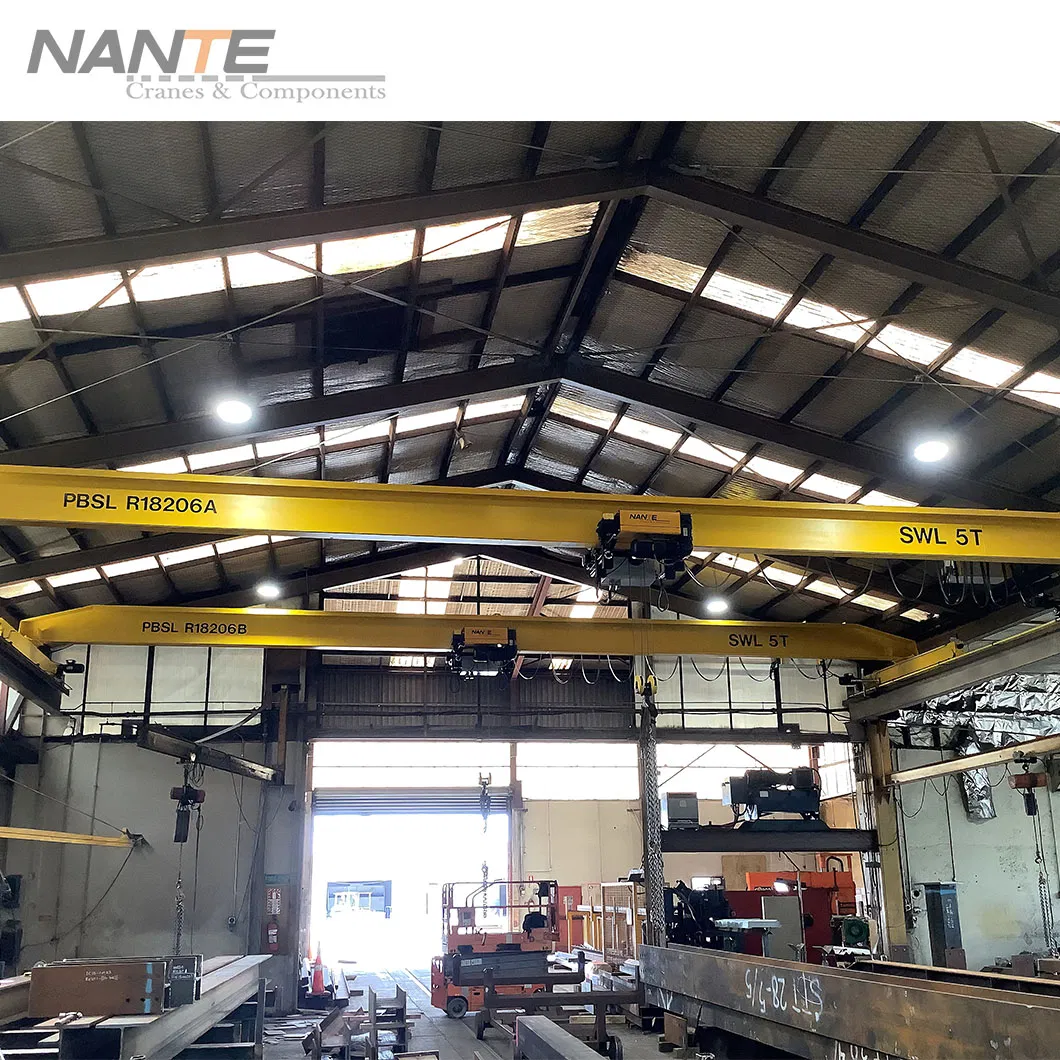
What Is Crane Duty Classification?
Crane Duty Classification is a method used to describe how intensively a crane or crane mechanism will operate during its expected service life.
Instead of focusing only on lifting capacity, duty classification considers:
- Number of working cycles
- Average and maximum load
- Load spectrum
- Operating hours per day
- Lifting height and travel distance
- Working shifts
- Application environment
- Required service life
ISO 4301-1:2016, for example, classifies cranes and mechanisms according to service conditions, mainly including total working cycles during the design life, load spectrum factor, and average displacements. This makes ISO class especially useful for engineering-based lifecycle planning.
In practical selection, the correct duty class helps prevent two common problems: under-specifying a crane that will wear out too quickly, and over-specifying a crane that costs more than the application requires.
Why Crane Workload Matters More Than Rated Capacity
Rated Capacity Is Only One Part of the Selection
A 10-ton crane used once a week is very different from a 10-ton crane used hundreds of times per day.
The first crane may be used for maintenance, installation, or standby handling. The second may support production, warehousing, metal processing, assembly, or continuous material flow. Even if the capacity is identical, the fatigue load, motor heat, brake wear, gearbox stress, and structural demand are completely different.
This is why crane workload must be defined before selecting the duty class.
Key Crane Workload Data to Collect
Before choosing between FEM class, ISO class, or CMAA class, collect the following information:
- Maximum load
- Average load
- Percentage of lifts near rated capacity
- Lifts per hour
- Operating hours per day
- Working days per year
- Number of shifts
- Lifting height
- Long travel and cross travel distance
- Required speed and positioning accuracy
- Indoor, outdoor, dusty, hot, humid, or corrosive environment
- Expected future production growth
The more accurate this data is, the more reliable the crane duty selection will be.
FEM Class: Load Spectrum and Operating Time
What FEM Class Focuses On
FEM class is commonly used to evaluate hoists and crane mechanisms according to operating conditions. FEM 9.512 states that decisive operating conditions include the class of operating time and the load spectrum. Operating time refers to the average period per day during which the mechanism is in motion, while load spectrum shows whether the mechanism is exposed mostly to smaller loads or frequently to maximum stress.
This makes FEM class highly useful when the buyer can provide technical workload information, such as daily operating time, lifting frequency, and the proportion of heavy loads.
How FEM Class Helps Selection
In simple terms, FEM class answers two questions:
- How heavy are the loads compared with the rated capacity?
- How long does the crane or hoist operate each day?
A crane handling mostly light loads with occasional full-load lifts may require a lower FEM class. A crane frequently lifting heavy or near-rated loads for multiple shifts will require a higher FEM class.
FEM logic is especially helpful for hoist mechanisms, travelling mechanisms, and applications where component fatigue and theoretical service life must be considered.
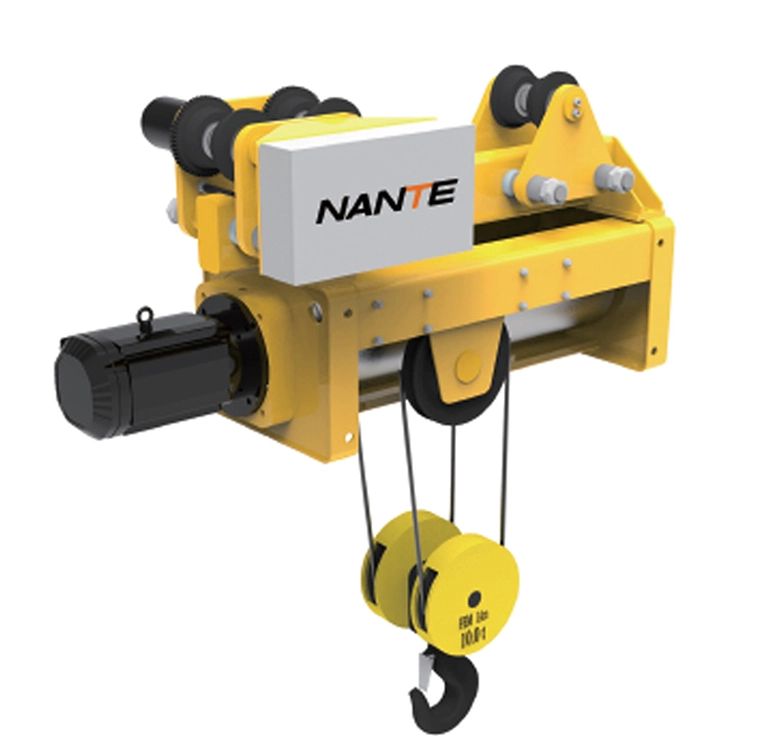
ISO Class: Cycle-Based Crane Classification
What ISO Class Measures
ISO class uses a structured, cycle-based method. According to ISO 4301-1:2016, crane and mechanism classification is based mainly on total working cycles during the specified design life, the load spectrum factor, and average displacements.
This makes ISO class valuable when the project team wants to define the crane’s expected life in measurable engineering terms.
When ISO Class Is Useful
ISO class is suitable for:
- International crane projects
- Engineering specifications
- Overhead cranes and gantry cranes
- Projects requiring lifecycle calculations
- Applications with known working cycles
- Mechanism-level and crane-level classification
If the user can estimate the number of crane cycles over the planned design life, ISO class can provide a clear and systematic basis for selection.
CMAA Class for Crane Workload
What CMAA Class Focuses On
CMAA class for crane workload is a practical service classification method that uses Classes A through F. These classes describe the expected intensity of crane service, from standby or infrequent use to continuous severe service.
CMAA Class A applies to standby or infrequent service; Class B to light service; Class C to moderate service; Class D to heavy service; Class E to severe service; and Class F to continuous severe service.
CMAA Class A to F Overview
Class A – Standby or Infrequent Service
Used for occasional lifting, maintenance tasks, slow speeds, and long idle periods.
Class B – Light Service
Used in repair shops, light assembly, and light warehousing where loads and lifting frequency are limited.
Class C – Moderate Service
Used for general production and machine-shop operations, often with average loads around 50% of rated capacity and regular lifting cycles.
Class D – Heavy Service
Used where cranes handle significant loads constantly during the working period, such as heavy production or material handling operations.
Class E – Severe Service
Used for frequent near-rated loads and high lifting frequency, often 20 or more lifts per hour.
Class F – Continuous Severe Service
Used for special applications requiring continuous operation under extreme duty conditions.
FEM vs ISO vs CMAA: Crane Duty Classification Comparison Table
| Standard | Main Selection Basis | Common Class Format | Best For | Key Selection Question |
|---|---|---|---|---|
| FEM class | Load spectrum and average operating time | FEM mechanism groups | Hoists, travelling mechanisms, component duty | How heavy are the loads, and how long does the mechanism operate each day? |
| ISO class | Working cycles, load spectrum factor, and average displacement | ISO crane and mechanism classifications | Lifecycle-based engineering design | How many cycles will the crane complete during its design life? |
| CMAA class | Service intensity, lifting frequency, and average load | Class A to Class F | Practical application-based crane selection | How often will the crane lift, and how severe is the workload? |
These standards are related, but they are not perfect one-to-one equivalents. FEM class vs ISO class comparison should be handled carefully because each system uses a different classification logic. CMAA class for crane workload is often easier for users to understand in practical application terms, while ISO and FEM can provide deeper engineering definition.
How to Choose the Right Crane Duty Classification
Step 1: Define the Real Crane Workload
Start with actual operating data. Estimate the number of lifts per hour, working hours per day, average load, maximum load, and expected service life.
If the crane will be used in a growing production line, include future workload increases. A crane selected only for today’s workload may become under-classified after capacity expansion.
Step 2: Identify the Application Type
A maintenance crane usually has low cycle demand. A workshop crane may require light or moderate duty. A production crane may require moderate or heavy duty. A process crane used continuously may require severe or continuous severe duty.
The same rated capacity can fall into different duty classes depending on how the crane is used.
Step 3: Match the Standard to the Project
Use FEM class when load spectrum and daily operating time are clear.
Use ISO class when lifecycle cycles and engineering parameters are defined.
Use CMAA class when the user describes the application by service intensity, such as occasional use, light service, moderate service, heavy production, or continuous severe service.
Step 4: Check Component Compatibility
The selected duty classification should match the entire crane system, including:
- Hoist
- Motor
- Brake
- Gearbox
- End carriage
- Crane structure
- Electrical control system
- Crane control panel
- Safety devices
A high-duty crane with low-duty components creates reliability risks. A correctly matched system improves safety, operating stability, and maintenance planning.
Common Mistakes in Crane Duty Classification
Choosing by Capacity Only
Rated capacity is important, but it is not enough. A crane lifting 5 tons once per day does not require the same duty class as a crane lifting 5 tons every few minutes.
Ignoring Load Spectrum
Frequent medium or heavy loads can cause more fatigue than occasional full-load lifting. Load spectrum is one of the most important indicators of real crane workload.
Treating FEM, ISO, and CMAA as Exact Equivalents
A comparison table is useful, but the standards are built on different principles. Selection should be based on the project standard, real workload, application type, and engineering review.
Forgetting Future Production Growth
If production may increase from one shift to two shifts, or from occasional lifting to continuous handling, this should be included during duty class selection.
Quick Buyer Checklist
Before requesting a crane quotation, prepare answers to these questions:
- What is the rated load?
- What is the average load?
- How many lifts per hour are expected?
- How many hours per day will the crane operate?
- How many shifts are planned?
- How often will the crane lift near rated capacity?
- What lifting height and travel distance are required?
- What working environment will the crane face?
- Which standard is required: FEM, ISO, CMAA, or project-specific?
- Will workload increase in the future?
Conclusion: Select Crane Duty Classification Around Real Workload
The right Crane Duty Classification should be selected according to real crane workload, not rated capacity alone. FEM class is useful for load spectrum and operating time. ISO class is useful for cycle-based engineering and lifecycle planning. CMAA class is useful for practical service-based selection.
When the crane duty class matches the application, the crane can deliver better reliability, safer operation, and more predictable lifecycle cost.
FAQ
What is Crane Duty Classification?
Crane Duty Classification defines how intensively a crane is expected to work. It considers lifting frequency, load spectrum, operating cycles, working hours, and service conditions.
What is the difference between FEM class and ISO class?
FEM class focuses mainly on load spectrum and operating time for mechanisms. ISO class uses a cycle-based method that considers total working cycles, load spectrum factor, and average displacement.
What is CMAA class for crane workload?
CMAA class for crane workload uses Classes A to F to describe service intensity, from standby or infrequent use to continuous severe service.
Can FEM, ISO, and CMAA classes be directly converted?
They can be compared for reference, but they are not exact equivalents. Each standard uses different criteria, so final selection should be based on actual crane workload and project requirements.
What happens if the crane duty class is too low?
The crane may suffer from premature wear, overheating, fatigue, higher maintenance cost, more downtime, and reduced service life.
Is a higher duty class always better?
Not always. A higher duty class may increase cost. The best choice is the duty class that matches real workload, safety requirements, and expected lifecycle.
Nante Crane designs and manufactures cranes and crane components, with product categories covering overhead cranes, gantry cranes, construction cranes, workstation and offshore cranes, electric hoists, travel units, mobile power supply systems, crane control panels, and related crane components; its official profile also states that its products and services are used across more than 20 professional fields and more than 50 countries and regions. For projects requiring the right Crane Duty Classification, buyers can contact Nante Crane to match crane structures, hoisting mechanisms, travelling mechanisms, and control systems to your actual workload.