English



Importance of Limit Switches in Workshop Overhead Crane Safety
Importance of Limit Switches in Workshop Overhead Crane Safety
Date: 2026-05-21 Share:
Limit switches act as key safety devices in workshop overhead crane systems. These overhead crane limit switches stop dangerous over-travel. They halt or slow the hoist, trolley, or bridge when the parts reach set positions. In busy manufacturing workshops, fabrication plants, and assembly lines, workshop overhead crane safety relies on these solid crane safety devices. Overhead crane limit switches protect operators. They also guard valuable loads and equipment. In addition, they keep operations smooth by controlling vertical lifting and horizontal movements.
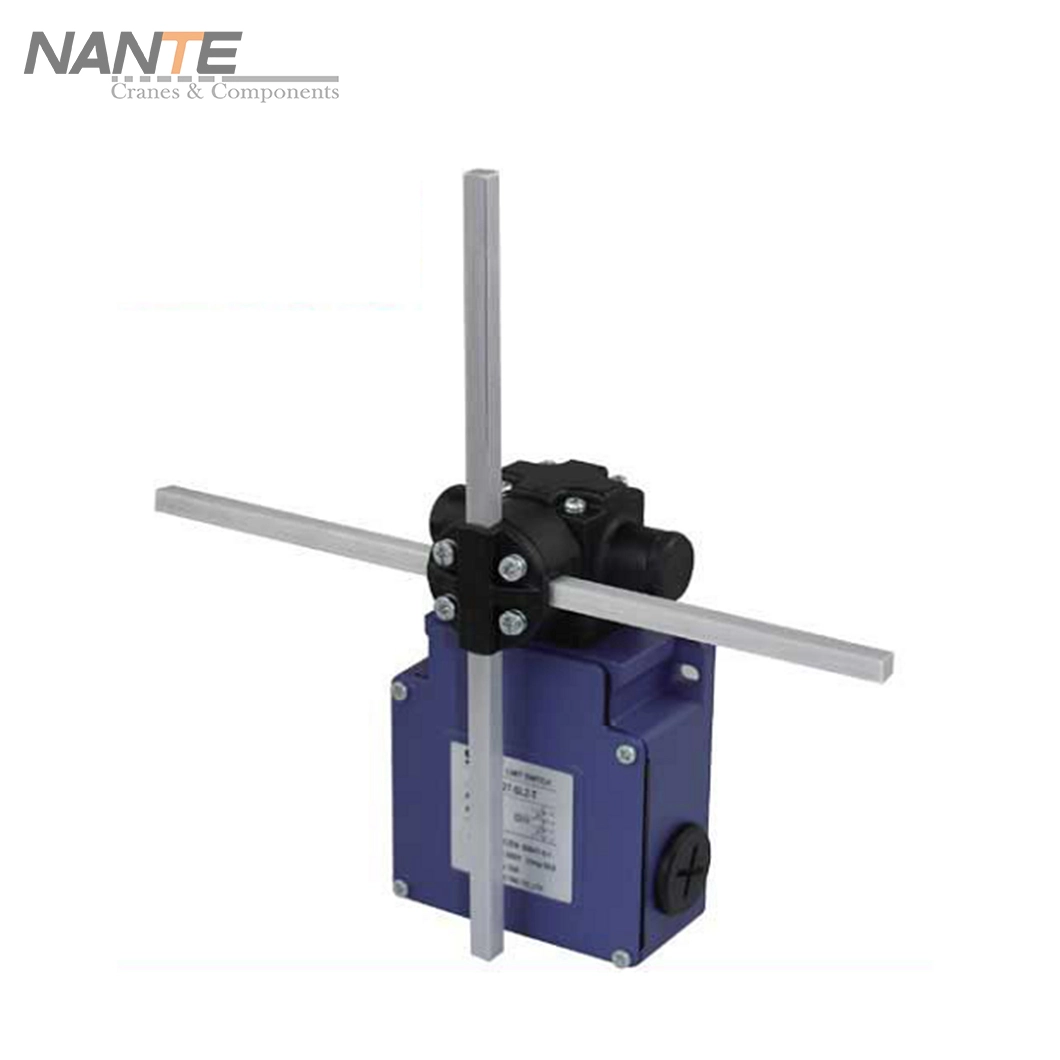
What Is a Limit Switch in a Workshop Overhead Crane?
A limit switch in a workshop overhead crane is an electromechanical or electronic device. It watches and controls the movement range of the crane’s hoist, trolley, and bridge. The main job of these overhead crane limit switches is to send a signal to the control system. This happens when a moving part reaches a set position. The signal cuts power or lowers speed to avoid over-travel.
How Limit Switches Work in Overhead Crane Systems
Limit switches use a simple yet useful method. As the hoist lifts a load, the trolley moves across the bridge, or the bridge travels along runway rails, the mechanism activates the switch at the set limit. This action opens or closes electrical contacts. It interrupts the motor circuit and stops or slows the motion. In workshop overhead crane applications, this exact control covers hoist vertical movement, trolley horizontal traversal, and bridge longitudinal travel. The process keeps operations inside safe areas.
Main Components of an Overhead Crane Limit Switch
Typical overhead crane limit switches have an actuator such as a lever, roller, or cam. They also include electrical contacts and a strong housing. The actuator makes physical contact with the moving crane part. The contacts manage the electrical signal. Strong housings resist dust, moisture, and vibration that appear often in industrial workshops. These solid parts provide long-term reliability under tough conditions.
Why Limit Switches Are Important in Workshop Operations
In manufacturing workshops and assembly lines, exact load handling matters a lot. Limit switches give steady position control that manual work cannot equal. They lower operator fatigue. They cut human error. They support higher productivity while they keep workshop overhead crane safety standards. Without these devices, risks of collisions, equipment damage, and downtime grow much higher.
Types of Limit Switches Used in Workshop Overhead Cranes
Workshop overhead cranes use several special limit switches. These fit different movements and technologies. Choice of the right type gives the best protection for each use.
Hoist Upper Limit Switch
The hoist upper limit switch stops over-lifting. This is also called two-blocking. In this case the hook block touches the drum or upper structure. It halts the hoist motor before the wire rope faces too much stress or the load hits the crane. This switch is basic for protection of the hoist mechanism. It also helps keep wire rope integrity in daily lifting operations.
Hoist Lower Limit Switch
The hoist lower limit switch stops the hook or load from going down too far. It avoids slack rope conditions. It prevents rope unwinding from the drum. It also stops the load from hitting the floor. This protection is useful in workshops with different lift heights and ground-level obstacles.
Trolley Travel Limit Switch
Trolley travel limit switches manage the horizontal movement of the trolley along the bridge. They stop the trolley before it reaches the bridge ends. This prevents collisions with end stops or structural parts. Smooth trolley control improves precise load positioning in assembly and fabrication areas.
Bridge Travel Limit Switch
Bridge travel limit switches control the longitudinal movement of the entire crane along the runway rails. They make sure the crane stops at set end zones. This lowers the risk of rail-end impacts and structural damage in long-span workshop installations.
Mechanical vs Electronic Limit Switches
Mechanical limit switches use physical levers or cams for direct contact activation. They offer proven durability in harsh workshop environments. Electronic or photoelectric limit switches use sensors for non-contact detection. They give faster response, higher precision, and longer service life in dusty or corrosive conditions. Modern workshop overhead cranes often combine both types. This gives layered protection and easy PLC integration.
Why Limit Switches Are Critical for Overhead Crane Safety
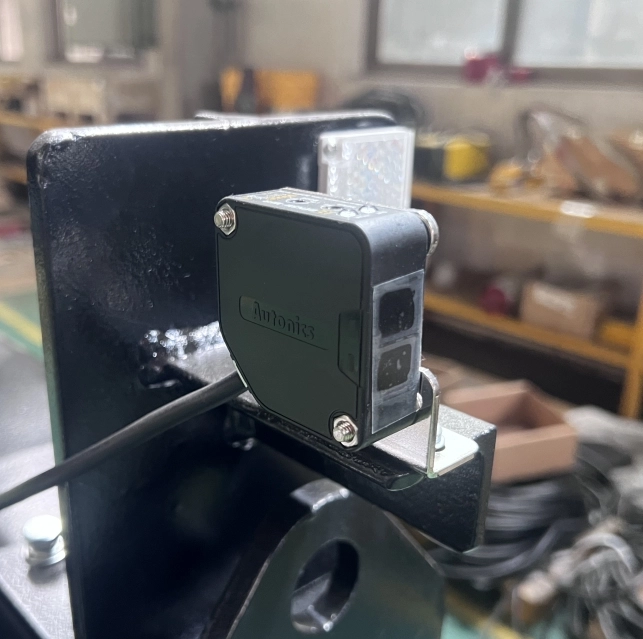
Limit switches form a main defense against common crane hazards in industrial settings.
Preventing Over-Lifting and Over-Travel
Over-lifting puts stress on wire ropes, motors, and structures. Over-travel in trolley or bridge movements causes collisions. Limit switches step in right away. They cut power before these events happen. This keeps safe operating areas.
Protecting Crane Operators and Workers
Limit switches prevent sudden stops, dropped loads, or swinging hazards. They reduce injury risks in a clear way. Operators in workshops can work with more confidence. They know the crane will not go past safe limits.
Reducing Equipment Damage and Downtime
Collisions and over-travel cause costly repairs and production stops. Limit switches reduce mechanical stress on motors, gears, ropes, and frames. They extend component life and lower maintenance costs.
Improving Workshop Operational Safety
Steady limit switch performance supports smoother workflows in manufacturing and assembly lines. They add to overall workshop overhead crane safety compliance. They create a more predictable and efficient lifting environment.
How Limit Switches Improve Precision and Crane Performance
Beyond safety, overhead crane limit switches improve operational efficiency.
Accurate Load Positioning in Workshops
Precise stopping at exact locations lets operators place loads accurately over assembly points or machinery. This ability raises productivity in fabrication plants. It also cuts repositioning time.
Smooth Crane Travel and Motion Control
Many systems add slow-down functions before the final stop. This gradual slowdown leads to smoother motion. It causes less load swing. It also gives better operator comfort during trolley and bridge movements.
Reducing Wear on Crane Components
Limit switches avoid abrupt stops and extra travel. They decrease mechanical wear on brakes, motors, ropes, and wheels. Less wear means longer service intervals and higher overall crane reliability in demanding workshop conditions.
Installation and Maintenance of Overhead Crane Limit Switches
Proper installation and regular care make sure limit switches work reliably during the crane’s service life.
Proper Installation Positioning
Technicians must mount switches at exact locations with correct alignment to the actuating cams or levers. Enough clearance and actuation angles stop false triggers. They also ensure activation under all load and speed conditions.
Routine Testing and Inspection
Operators should test upper limit switches at the start of each shift with an empty hook at slow speed. Full inspections include visual checks, electrical testing, and functional verification. These are recommended every three to six months or per manufacturer guidelines.
Limit Switches as Part of a Complete Crane Safety System
Limit switches work best when they join with other safety features.
Combining Limit Switches with Overload Protection
Pairing travel and height limits with overload protection systems stops lifting of excessive weights. At the same time it controls movement. This creates full hoist safety.
Emergency Stop Systems and Safety Interlocks
Limit switches often connect to emergency stops and interlocks. These links ensure immediate shutdowns during abnormal conditions. They also prevent conflicting movements.
Importance of Operator Training
Proper training teaches operators never to use limit switches as routine controls. They must understand daily testing procedures. They should report any malfunctions right away to keep workshop overhead crane safety.
Partner with Nante Crane for Reliable Overhead Crane Solutions
Nante Crane is a leading manufacturer of high-quality cranes and crane components with over 30 years of experience. The company offers durable limit switches, including photoelectric, height, cross, and travel limiters. It also provides comprehensive workshop overhead crane systems engineered for superior safety, precision, and performance. With a full range of overhead cranes, gantry cranes, workstation systems, and expert support in installation, maintenance, and customization, Nante Crane delivers reliable solutions tailored to demanding industrial applications. Contact Nante Crane today to strengthen your workshop overhead crane safety and efficiency.