English



4 Types of Gantry Cranes That Maximize Productivity in Steel Mills
4 Types of Gantry Cranes That Maximize Productivity in Steel Mills
Date: 2026-05-21 Share:
Steel mills deal with steady demand to boost output. They must manage large, warm, and cumbersome items in a safe manner. Gantry cranes for steel mills offer dependable, adaptable lifting options. These options keep work running smoothly. A smartly picked steel mill gantry crane betters the process flow. It cuts stoppages. It raises safety levels. Industrial gantry cranes manage items from basic supplies to done goods with care. This guide looks at four main kinds. It covers their uses. It gives choice advice to raise output in current steel sites.
Why Productivity Matters in Modern Steel Mills
Steel making needs keep climbing around the world. This happens as building, car, and setup fields grow. Steel mills need to reach better flow rates. They must watch costs. They have to keep item standards. Output straight impacts gains and market strength in this money-heavy field.
Growing Demand for High-Efficiency Steel Production
World steel use climbs at a steady rate. Mills put funds into tools that speed up item shift. They cut hold-ups. Good work helps sites hit close due dates. It lowers power use per ton of steel made.
Challenges in Steel Material Handling Operations
Steel mills manage huge weights in tough spots. Main issues cover:
- Moving heavy steel coils, scrap metal, and raw materials like iron ore.
- Transporting molten steel in ladles at extreme temperatures.
- Operating in limited spaces with safety risks from hot metal and heavy equipment.
- Reducing labor dependency and minimizing downtime from manual handling.
These problems can delay work lines. They can raise running costs if handled poorly.
How Gantry Cranes Improve Workflow Efficiency
Gantry cranes for steel mills smooth item shift over yards and work zones. The cranes lessen need for many shift steps. They allow exact placement. They back ongoing tasks. Thus, sites gain quicker turn times. They reach higher gear use rates.
What Are Gantry Cranes for Steel Mills?
Gantry cranes for steel mills act as floor-based lifting setups. They fit heavy factory settings well. These cranes work free of building frames. This makes them apt for inside shops and big outside yards.
Basic Structure and Working Principle of Gantry Cranes
A gantry crane has upright legs. It includes one or two level beams. It features a hoist or trolley setup. It has a move system. The hoist raises the weight. The trolley shifts it along the beam. The whole frame moves on tracks or rubber wheels. Workers guide motions through cabin, hanger, or distant setups. This plan gives firm raising and side shift in one joined unit.
Difference Between Gantry Cranes and Overhead Cranes
Gantry cranes rest on their legs. They shift on the ground or tracks. Overhead cranes run on high path beams fixed to the building. Gantry cranes give more bend in open spots. There, building aid lacks or does not fit. Steel mills often pick gantry cranes for outside hold yards. They suit wide work areas.
Advantages of Gantry Cranes in Heavy Steel Applications
Gantry cranes bring high weight limits. They show toughness in dusty and warm settings. They offer varied plans. Industrial gantry cranes fit different reaches and levels. They provide fine steadiness for large steel shift. Their plan aids both small help tasks and key heavy work.
4 Types of Gantry Cranes Used in Steel Mills
Steel mills pick gantry crane kinds by weight needs, setup, and work strength. The four chief kinds each fill clear parts. They aid raising output.
Single Girder Gantry Cranes for Light to Medium Steel Handling
Single girder gantry cranes have one key level beam. This basic build leads to less mass. It cuts costs. It eases setup. These cranes often manage weights from 1 to 20 tons. They cover reaches up to 30 meters.
Steel mills apply single girder gantry cranes for help tasks. Usual uses hold steel coil shift, scrap work, and light basic item move. Gains hold cost savings and tight plan. This fits small sites. These cranes give enough work for mid-level tasks. They keep starting funds low. Limits show with very large weights. There, double girder plans work better.
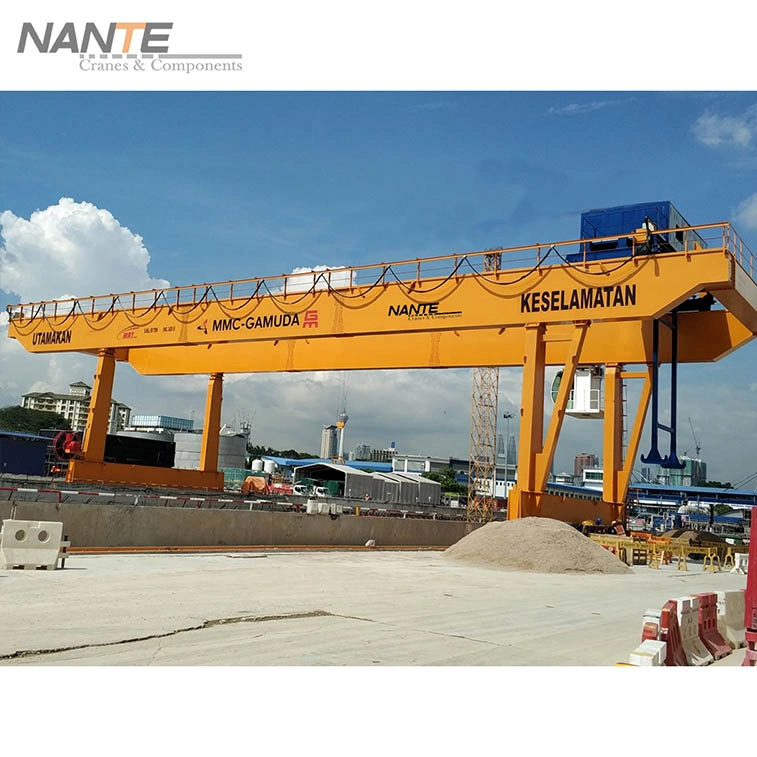
Double Girder Gantry Cranes for Heavy-Duty Steel Production
Double girder gantry cranes use two even beams. This gives better power and steadiness. These cranes back limits from 20 to 500+ tons. They handle bigger reaches. High firmness lets exact guide even with huge weights.
In steel sites, double girder gantry cranes shine at ladle shift. They carry large parts. The plan assures safety and steadiness in molten steel move. These heavy duty gantry cranes for steel plants show top toughness under steady work. Workers gain from better hook rise and even flow. This kind turns the top pick for main making steps. It needs top trust.
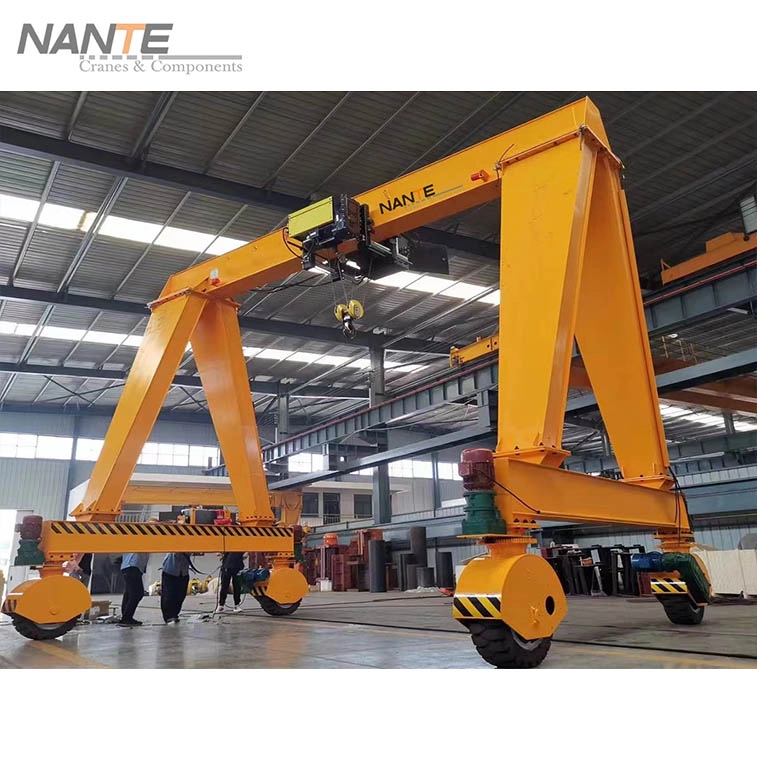
Rubber Tired Gantry Cranes (RTG) for Flexible Material Transport
Rubber tired gantry cranes (RTG) shift on big tires. They skip fixed tracks. This plan brings fine move over yards. It needs no set path build. RTG cranes manage box-like weights and steel goods well.
Steel mills set RTG cranes for active flow in big hold areas. The cranes carry steel coils and done items between work zones and stores. Key gains hold fast re-place and fit to shift setups. RTG cranes suit tasks needing bend over set paths. Workers like the skill to guide in open yards well.
Rail Mounted Gantry Cranes (RMG) for High-Throughput Operations
Rail mounted gantry cranes (RMG) run on set steel tracks. This build assures true, repeat motions. It backs high auto levels. RMG cranes hit higher paces. They keep steady place along set lines.
Big steel bases use RMG cranes for high-amount item shift. These automated gantry crane systems best flow in box-style yards or set hold paths. Gains hold steadiness, less long-run upkeep on move lines, and fit for round-the-clock tasks. RMG cranes best space use via true stack and get-back.
Main Applications of Gantry Cranes in Steel Mills
Gantry cranes fill many key roles over the steel making chain.
- Raw Material Loading and Unloading — Cranes take off iron ore, coal, and mixes from trucks, trains, or ships. Good shift keeps blast furnaces fed without stop.
- Scrap Metal Handling and Recycling — Single or double girder cranes move scrap well for re-use into new steel. True guide cuts item harm. It betters sort.
- Steel Coil Transportation and Storage — Special shift stops coil bend. Gantry cranes stack and get coils safe in hold yards.
- Ladle Handling in Molten Steel Operations — Double girder cranes do this safety-key task. Strong plans handle great heat and large weights. They use extra safety parts.
- Finished Steel Product Handling — Cranes load beams, plates, and bars for send-off. Quick, true move backs on-time due plans.
Advantages of Using Gantry Cranes in Steel Manufacturing
- Increased Productivity and Faster Material Flow — Gantry cranes cut carry times. They end hold-ups. Sites note higher day output. They gain smoother join between steps.
- Improved Workplace Safety — True guides and weight watch cut risk of harm. Parts like over-weight guard and sway-stop setups shield workers and gear.
- Reduced Labor Costs and Downtime — Auto choices lessen hand work. Sure cranes cut un-planned halts. They lower fix needs.
- Better Precision in Heavy Load Positioning — New guides let true place for work or hold. This true work betters standards. It cuts re-do.
- Long-Term Cost Efficiency for Steel Plants — Tough build and fine parts bring good return on funds. They do so via long work life and lower run costs.
How to Choose the Right Gantry Crane for a Steel Mill
- Load Capacity Requirements — Fit crane limit to top hoped weights with safety room. Think of both key and help hoists where apt.
- Indoor vs Outdoor Steel Plant Applications — Outside cranes need weather shield, rust fight, and storm tie. Inside kinds focus on roof space and true work.
- Mobility and Rail System Considerations — Pick RTG for bend or RMG for high-true, high-amount lines. Check yard plan and later growth aims.
- Automation and Smart Control Features — New setups hold far work, clash-stop, and fact watch. These parts back higher output and safety.
- Maintenance and Safety Compliance — Pick plans with open parts and shown safety rules. Fine crane parts assure long-run trust.
FAQ About Gantry Cranes for Steel Mills
What type of gantry crane is best for heavy steel handling?
Double girder gantry cranes perform best for heavy steel handling. Their robust structure supports high capacities and maintains stability during ladle or large component movement.
What is the difference between RTG and RMG cranes?
RTG cranes offer tire-based mobility and layout flexibility. RMG cranes run on rails for superior precision, higher speeds, and easier automation in fixed high-throughput areas.
How do gantry cranes improve steel mill productivity?
Gantry cranes accelerate material flow, reduce handling steps, and minimize downtime. The right steel mill gantry crane optimizes workflows from raw materials to finished products.
Get the Right Gantry Crane Solution for Your Steel Mill
Nante Crane is a leading manufacturer offering a comprehensive range of gantry cranes and crane components tailored for steel industry needs, including single girder, double girder, and specialized mobile solutions backed by over 30 years of expertise, global service, customization, and strong focus on quality, safety, and efficiency for metal & steel applications. Contact Nante Crane today for custom gantry crane manufacturer support, detailed consultation, load-specific designs, and a quotation to enhance your steel mill operations.