English



How to Evaluate Crane Manufacturer Export Experience
Date: 2026-11-19 Share:
To evaluate crane manufacturer export experience, trace one comparable overseas order from factory release to site acceptance. Ask the supplier to connect the shipment, receiving, and commissioning records and explain which activities it handled. That review helps buyers sourcing overhead cranes from China spot gaps that can leave a crane at the port, in storage, or on site awaiting installation.
Use the past order to test the proposed delivery plan. If an earlier project relied on a local partner to commission the crane, find out who will perform that work at the new site and where it appears in the quotation.
Evaluate a Crane Manufacturer for International Projects
Match the reference to the market and the job
Ask for a recent project in the destination market or one with similar technical, freight, and installation constraints. A bridge crane for a U.S. production line is a stronger reference when the supplier can explain the runway and power interfaces, the local installer’s role, and who signed the acceptance record.
Request the destination, application, crane configuration, delivery date, and last documented milestone. A same-country reference for a small hoist may tell a buyer little about a long bridge girder that requires special inland transport. Give more weight to the aspects of the reference that match the risks of the new order.
If the exporter, factory, and service partner are different entities, ask for the names that will appear on the contract, shipping documents, and service order. Have the bidder identify who can authorize a drawing change or dispatch a replacement. This matters when a local partner can receive a service call but needs factory approval to act.
Confirm how far the supplier’s responsibility extended
Ask for redacted records from one job with a consistent project identifier. A factory acceptance test (FAT) report documents what was checked before dispatch. A carrier record documents a transport milestone. A signed site acceptance record shows who accepted the installed equipment and when.
With the reference customer’s permission, ask what happened when a delivery slipped, a component arrived damaged, or an installation question arose. Who responded, what did they supply, and when was the issue closed? For confidential jobs, request redacted records that retain the supplier’s role, milestone dates, and a shared project code.
Ask the China Crane Manufacturer for a Destination Compliance Plan
Request a requirement-by-requirement matrix for the quoted crane. Each row should name the applicable requirement and edition where relevant, the evidence due, and the party responsible for approval. Include the design basis, electrical interfaces, instructions and markings, inspections, and final acceptance.
For a U.S. general-industry project, have the site team confirm whether OSHA 29 CFR 1910.179 applies to the crane and workplace. For a project elsewhere, have the local team confirm the relevant rules before the supplier prices the package. Record any gaps as quotation deviations and resolve mandatory items before award.
A management-system certificate describes the scope of a company’s management system. Check the legal entity, facility, activities covered, issuer, and validity. For the quoted crane, review the evidence tied to its configuration and destination, including any required declarations, drawings, and test records. See the crane manufacturer certifications guide for more detail.
Ask the Crane Exporter to Walk Through a Shipment
Reconcile documents before dispatch
Request a sample invoice, packing list, and transport document from the same shipment. Where fields appear on multiple documents, reconcile the parties, shipment references, descriptions, package counts, and weights. Have the importer or customs broker confirm the required documents and any origin or classification information before dispatch.
Review the technical file on its own schedule. The installer needs the current assembly drawings and wiring diagrams before mobilizing. At handover, the owner needs the final drawings, operating and maintenance manuals, test records, and spare-parts list. Ask the supplier for a document register with an owner, due date, and revision for each item.
Tie packing and freight to the installation sequence
Ask for packed dimensions and gross weight by piece, including the longest girder and heaviest lift. Have the forwarder check the proposed transport route and have the receiving team confirm truck access, unloading equipment, and laydown space. For split girders, match assembly marks and joint hardware to the packing list so the crew can locate them on arrival.
Ask how the supplier protects steelwork and control panels in transit and during storage. Request loading photos and a record of how the cargo was secured. For U.S. imports using regulated wood packaging or dunnage, have the importer or broker confirm the applicable ISPM 15 treatment and marking requirements.
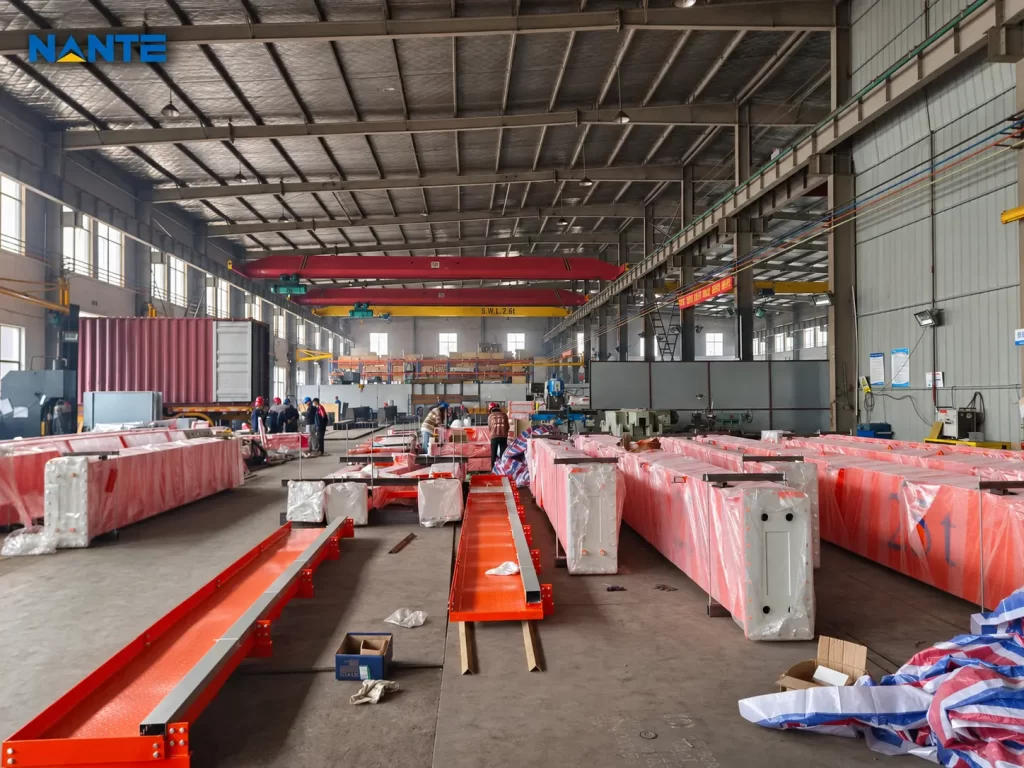
Write the Incoterms® rule, version, and exact named place into the quote. Identify who books freight, arranges insurance where needed, clears the goods, receives the cargo, and unloads it. Ask who records shortages or damage on arrival and who submits a claim. Confirm whether a change in routing or delivery date affects the cost or installation schedule.
Test the plan with a split shipment. If the girder reaches the site before the end trucks or control cabinet, ask which installation tasks can proceed, who arranges protected storage, and when the installer needs a revised delivery date. The answer should connect crate numbers and estimated arrival dates to the erection schedule.
Verify Installation Support From an International Crane Supplier
Identify who will be on site and what they will sign
Define whether the supplier will install the crane, supervise a local crew, or provide remote guidance. Assign responsibility for runway readiness, site power, unloading and rigging, assembly, commissioning, required tests, and operator training. Confirm who supplies test weights where needed and who signs the site acceptance record.
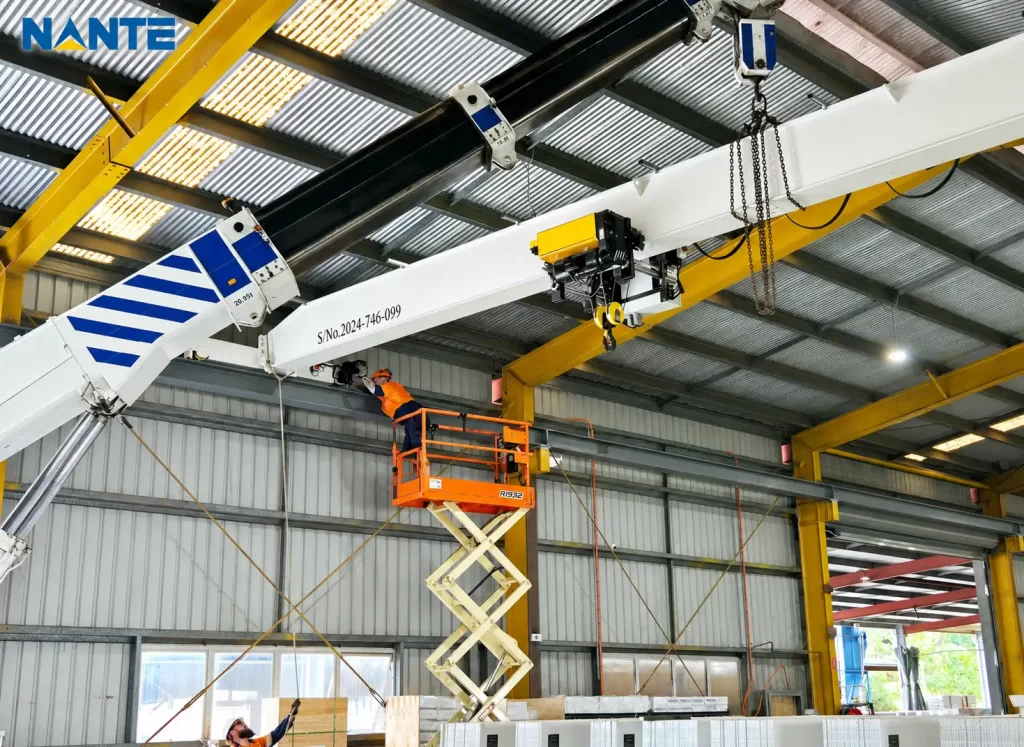
Ask what happens if the site fails a readiness check or needs a second visit. The contract should show how a delay affects technician travel, remobilization, warranty start, and responsibility for labor. Obtain the service contact, critical spare-parts list, and the process for identifying a replacement by crane serial number.
Test communication before placing an order
Send a sample clarification about a realistic handoff, such as whether the runway contractor or crane supplier confirms rail alignment. Look for a named owner, a response deadline, and a written answer linked to the current drawing. Ask how the supplier would notify the installer if that answer changes after fabrication starts.
Agree on the working language, meeting times, drawing distribution, and escalation contacts. Have the buyer, supplier, and installer share one issue log. Each open item should show who owns it, when it is due, and which milestone depends on it.
Compare Quotes Using the Same Delivery Scope
Put all bidders on the same basis for crane equipment and runway interfaces, testing and documents, packing and freight, installation and commissioning, training, spare parts, and warranty. For each item, record the included scope, who will do the work, and what evidence is due. An unresolved obligation can become a separate cost or delay after award.
Decide what must be closed before award
Record each export obligation as supported by a comparable job, committed for this order with a named owner and due date, or still open. Close items that could prevent import, unloading, or site acceptance before award. Put the remaining commitments and their deadlines in the purchase order.
Read a project case by milestone
Nante Crane lists overhead crane configurations and gantry crane configurations for buyers defining equipment scope. Its Netherlands gantry crane project report describes factory testing before planned shipment. When reviewing a case like this, ask for the later records if the award depends on proving delivery or commissioning experience.
Frequently Asked Questions
Does a supplier need an export reference in the same country?
A same-country reference is useful when it covers similar destination requirements, equipment, and site responsibilities. A comparable project elsewhere can support qualification if the bidder documents how it will address the differences and identifies who will handle local approval and support.
Can an overseas distributor provide the installation support?
Yes, when the quotation names the distributor, defines the work it will perform, and identifies who handles escalations and warranty labor. Confirm the arrangement with the distributor and ask who provides factory engineering support if a site issue involves the crane design or controls.
Which export records matter most before a purchase order?
Request a comparable project reference, a sample set of linked shipment and acceptance records, and a draft responsibility matrix for the new order. Agree on the final documents and release milestones in the purchase order so each party knows which records must be approved before work proceeds.
Request an Export Scope Review for an Overhead Crane Project
For a project-specific review, prepare the rated capacity, span, lift height, duty or operating pattern, delivery destination, and expected installation scope. Include any applicable standards and the target in-service date. For a review of crane configuration, delivery responsibilities, and available installation or commissioning support with Nante Crane, submit the overseas crane project brief.