English


How to Compare Crane Quotations from Different Suppliers
How to Compare Crane Quotations from Different Suppliers
Date: 2026-09-25 Share:
A crane quotation comparison should begin with scope, not the headline price. Two offers may list the same capacity, span, and lifting height while differing in structural design, duty rating, controls, testing, delivery terms, installation, and after-sales coverage.
The correct procurement process converts every offer into the same technical and commercial baseline. It then checks the evidence behind each cost, identifies exclusions, and evaluates the financial risk of selecting the lowest initial price.
Why Similar Crane Specifications Produce Different Prices
Rated capacity is only one design input
A 10-ton crane quotation does not describe the complete crane. Buyers should also compare duty class, working cycles, load spectrum, lifting speed, cross-travel speed, long-travel speed, hook approach, headroom, ambient conditions, and expected service life.
A crane used continuously in a production line may need larger motors, brakes, wheels, bearings, and structural margins than a unit with the same rated capacity used occasionally in a warehouse.
The operating environment also affects price. Outdoor service, dust, humidity, corrosive chemicals, extreme temperatures, hazardous areas, and high wind exposure may require different enclosures, coatings, electrical components, or protection systems.
Span and runway interfaces change the package
Span and runway length affect the amount of steel, wheel loads, drive power, conductor equipment, and engineering required. A longer span may require a deeper or heavier girder even when capacity remains unchanged.
One supplier may include runway beams, rails, columns, brackets, and structural verification. Another may quote only the bridge crane and identify all building-related work as “by others.”
A quotation that appears cheaper may therefore be transferring a significant part of the project cost to the owner or local contractor.
Controls and safety equipment are common scope gaps
Control method should be compared line by line. The review should identify whether the offer includes a pendant station, radio remote, operator cab, variable-frequency drives, soft starters, overload protection, emergency stops, limit switches, anti-collision equipment, and warning devices.
Electrical scope can also vary considerably. Check conductor bars, festoon cables, cable trolleys, control panels, transformers, isolators, power distribution, and connection points.
Safety documentation is equally important. Risk assessments, operating manuals, wiring diagrams, inspection procedures, load-test instructions, and spare-parts lists may be included in one quotation but excluded from another.
How to Compare Crane Quotations on a Common Basis
Issue one consistent request-for-quotation package
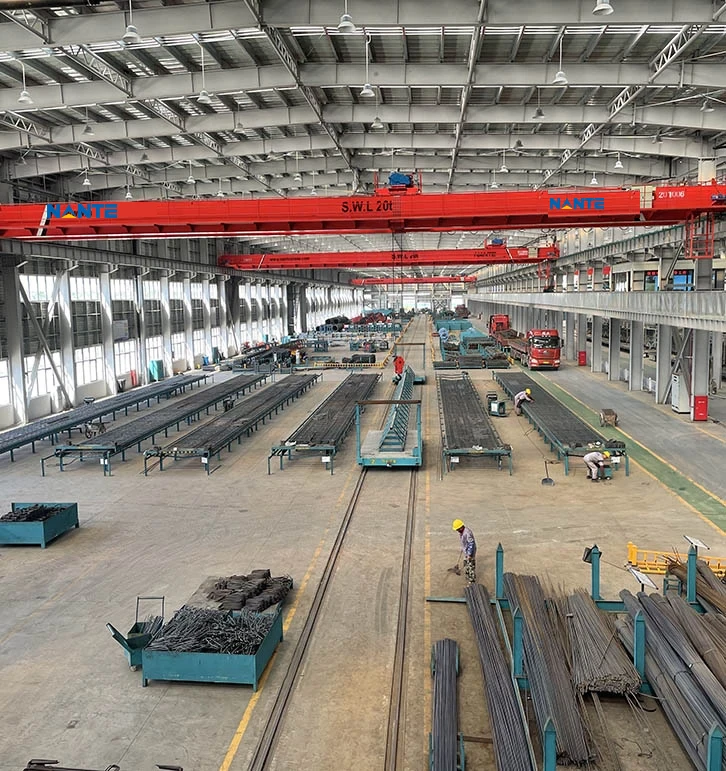
The most reliable way to compare crane quotations is to send every supplier the same technical data sheet, layout drawings, interface information, and commercial instructions.
The request-for-quotation package should identify:
- Rated capacity and any below-the-hook devices
- Span, runway length, lifting height, headroom, and hook approach
- Duty class, operating hours, cycles per hour, and load spectrum
- Indoor or outdoor service and environmental conditions
- Power supply, control preference, travel speeds, and positioning needs
- Building columns, runway interfaces, rail size, and structural loads
- Applicable local codes, inspection requirements, and document language
- Installation, commissioning, training, maintenance, and spare-parts expectations
- Delivery destination, unloading responsibility, and required project dates
Missing information should be treated as a controlled assumption, not an informal discussion. Every supplier should state whether an item is included, excluded, optional, or subject to confirmation.
The Overhead Crane Quote checklist can help the purchasing team organize the information sent to each bidder.
Separate crane equipment from installed project cost
A useful crane quote comparison separates the offer into cost buckets:
- Crane structure and end carriages
- Hoist, trolley, motors, brakes, and controls
- Electrification and conductor systems
- Runway, rails, supports, and building interfaces
- Engineering, drawings, calculations, and documentation
- Factory acceptance testing and inspection
- Packing, freight, insurance, duties, and taxes
- Site installation, alignment, commissioning, and training
- Initial spares, recommended critical parts, and warranty support
Record currency, Incoterms, quotation validity, payment milestones, escalation clauses, delivery assumptions, and warranty start conditions.
This distinction prevents an ex-works quotation from being compared directly with a delivered, installed, and commissioned package.
Sample Quotation Comparison Framework
Score technical fit before commercial price
A procurement team should score quotations only after the scope has been normalized. The following matrix provides a practical starting point:
| Evaluation block | What to verify | Example weight |
|---|---|---|
| Technical fit | Capacity, duty, span, lift, speeds, headroom, environment | 25% |
| Scope completeness | Crane, runway interfaces, electrification, documents, spares | 20% |
| Compliance and testing | Codes, inspection plan, FAT, load test, certificates | 15% |
| Lifecycle cost | Maintenance, wear parts, energy, warranty, service response | 15% |
| Delivery and execution | Engineering, manufacturing, packing, installation schedule | 10% |
| Supplier evidence | QA records, application experience, references, stability | 10% |
| Commercial terms | Exclusions, payment, validity, change control | 5% |
The weights should reflect project risk. A shutdown-critical crane may require more emphasis on service response and spares. A new-build project may place more weight on structural interfaces and installation responsibility.
A red-amber-green exception log should sit beside the score. Red items require written clarification, amber items require a priced allowance, and green items are confirmed in the quotation.
The lowest weighted price should not win automatically when unresolved red items can affect safety, schedule, or total installed cost.
Build a total-cost-of-ownership model
A thorough crane quotation evaluation includes five-year and ten-year scenarios. The model should consider inspections, lubrication, brake and lining replacement, wheels, bearings, electrical components, controls support, modernization, and downtime exposure.
Suppliers should state the assumptions behind their maintenance estimates, including operating hours, duty, consumables, and service intervals.
A simple calculation is:
Total ownership cost = purchase and installation cost + planned maintenance + corrective work + energy and consumables + downtime risk − residual value
The model does not need to predict every future expense. Its main purpose is to expose low initial prices that depend on excluded work or unusually optimistic service assumptions.
Crane Supplier Comparison: Evidence Behind the Number
Review engineering and manufacturing controls
A supplier evaluation should request a document index and identify which records will be delivered before shipment and at handover.
Relevant evidence may include design calculations, general arrangement drawings, material certificates, welding procedures, welder qualifications, dimensional inspection records, paint-system data, motor and gearbox datasheets, and calibration records for test equipment.
These records demonstrate whether the proposed design can be manufactured consistently, inspected objectively, and supported after delivery.
The legal entity named in the quotation should also be verified. Check the manufacturing location, quality-system certificate scope, issuing body, validity, expiry, and relationship between the certificate holder and the contracting entity.
A management-system certificate does not, by itself, prove that a specific crane complies with every product, site, or regulatory requirement.
Test the installation and service promise
The quotation should define factory acceptance testing, witness points, load testing, commissioning responsibility, punch-list closure, operator training, and handover documents.
Clarify who supplies lifting equipment and labor for erection, who obtains local inspection approvals, who provides temporary utilities, and how defects are reported and corrected.
Service terms should cover response channels, remote troubleshooting, stocked spares, recommended critical parts, inspection intervals, escalation contacts, and travel-cost responsibility.
Warranty duration is meaningful only when the start date, exclusions, site conditions, replacement duties, and labor coverage are written clearly.
Resolving Differences During Negotiation
Request a compliance matrix instead of a discount
When quotations differ, issue a numbered clarification list tied to the original RFQ. Each supplier should mark every line as included, excluded, optional, or deviation, together with the price and schedule impact.
Typical questions include:
- Is runway steel and building-interface engineering included?
- Are VFDs, overload protection, limit switches, and emergency stops included?
- Which manuals, drawings, certificates, and inspection records are delivered?
- What is the FAT procedure, and which parties may witness it?
- Which spare parts are included, and what is the lead time for critical items?
- When does the warranty begin, and what conditions limit coverage?
This approach protects the technical baseline during negotiation. A headline discount is not useful if it removes testing, documentation, spares, or installation support.
Protect the purchase order with change control
The final purchase order should attach the approved technical schedule, general arrangement drawing, interface list, document register, test plan, delivery milestones, and priced options.
It should also define how design changes, steel revisions, freight variation, taxes, storage, delayed site readiness, and customer-requested modifications are handled.
Clear change control lets the project owner compare a later variation with the original quotation instead of accepting an open-ended adjustment.
Using Product Information in a Structured Review
Match the product type to the application
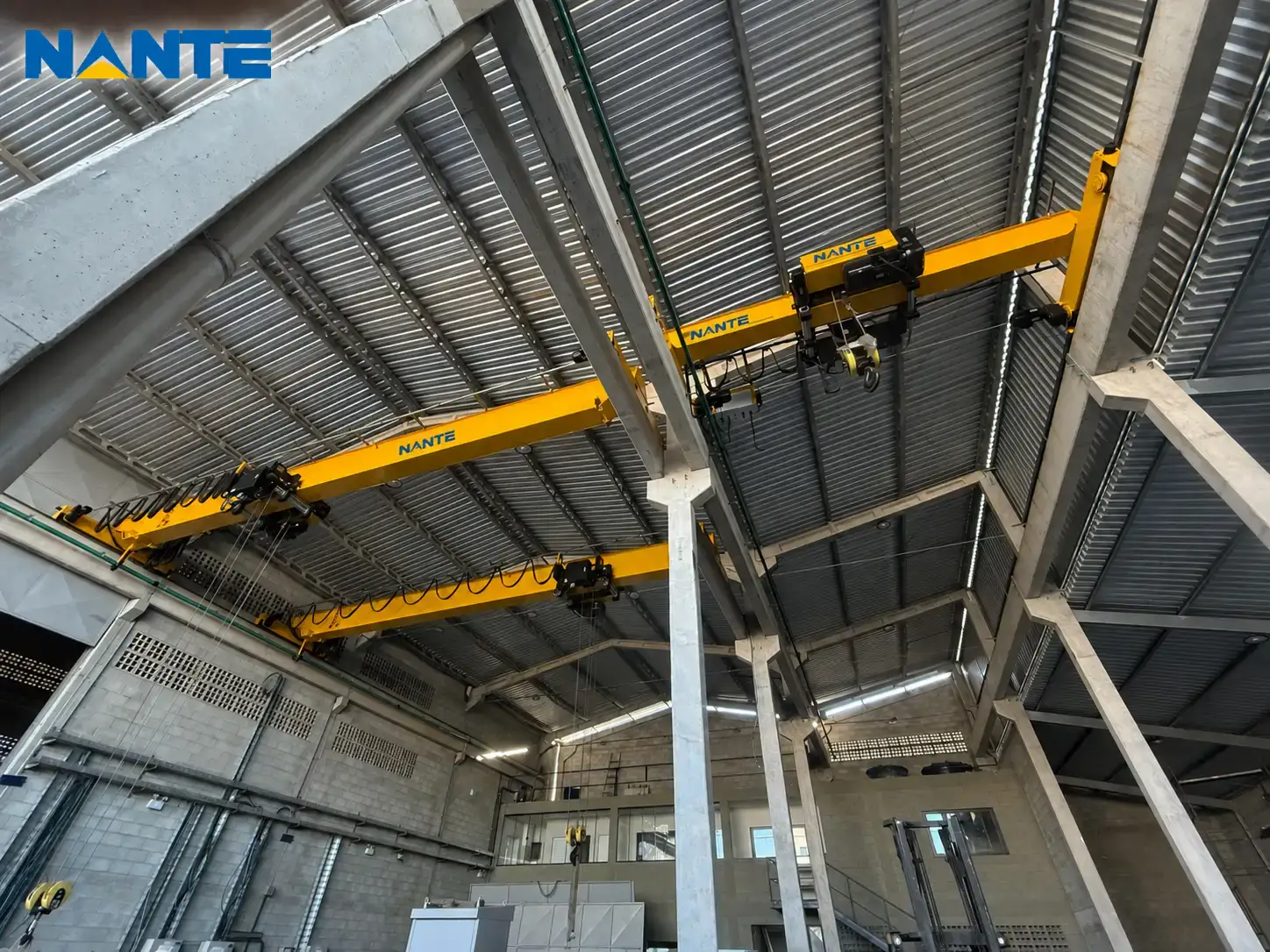
Before comparing prices, the purchasing team should confirm that the proposed crane type matches the building, load path, operating pattern, and access requirements.
The official Crane product range provides a useful reference point for separating overhead, gantry, jib, and other crane configurations. The single-girder overhead crane page can support an initial scope discussion when a lighter bridge-crane arrangement is under consideration.
Product information should support the RFQ rather than replace engineering review. Final selection still depends on project-specific capacity, duty, dimensions, environment, interfaces, standards, and execution scope.
Keep the comparison evidence-based
A supplier should be assessed on the documented fit between project inputs and the proposed equipment.
A clear quotation, complete document register, realistic delivery plan, defined testing scope, and practical service arrangement are more useful decision signals than a generic claim of quality or a short-term discount.
Nante Crane can be included in the same structured sourcing process when a project team needs to discuss crane configuration, technical scope, documentation, testing, and commercial assumptions.
FAQ: Crane Quotation Evaluation
What is the first item to compare in two crane quotations?
Compare the technical scope and assumptions first. Capacity, duty class, span, lift height, speeds, environment, runway interfaces, controls, testing, installation, and documents should describe the same deliverable.
Should the lowest crane price be selected?
Only after exclusions, lifecycle costs, compliance evidence, and execution responsibilities have been normalized.
A lower initial price can create a higher installed cost or greater downtime exposure when important work is transferred to the buyer.
How many suppliers should receive the same RFQ?
A shortlist of technically capable suppliers is more useful than a large and inconsistent bid pool.
The key controls are identical information, a fixed clarification log, and a documented scoring method.
What project data improves quotation accuracy?
Capacity, span, lift height, runway length, duty, operating hours, load spectrum, power supply, environment, building drawings, applicable codes, delivery location, and installation responsibility provide the foundation for a credible quotation.
Request a Comparable Crane Quotation Review
A purchasing manager, plant engineer, or contractor can submit the normalized RFQ, general arrangement, duty profile, site conditions, delivery destination, and required installation scope for a project-specific review.
Nante Crane can then clarify equipment scope, documentation, testing, and commercial assumptions so the comparison matrix is ready for a defensible sourcing decision. Send the project brief through the quotation review contact page.