English



How Container Gantry Cranes Handle Different Container Sizes
How Container Gantry Cranes Handle Different Container Sizes
Date: 2026-05-08 Share:
Container gantry cranes deal with several container sizes with care and quickness in full ports around the world. These sturdy devices manage millions of 20ft, 40ft, and high cube containers each year. Set sizes of containers, together with better spreader tools and automation, let one crane switch fast to various loads. Such bend cuts down handling time. It also aids smooth world trade. The container crane spreader system explained in this guide displays how machine tweaks and clever spotting join for safe, steady work.
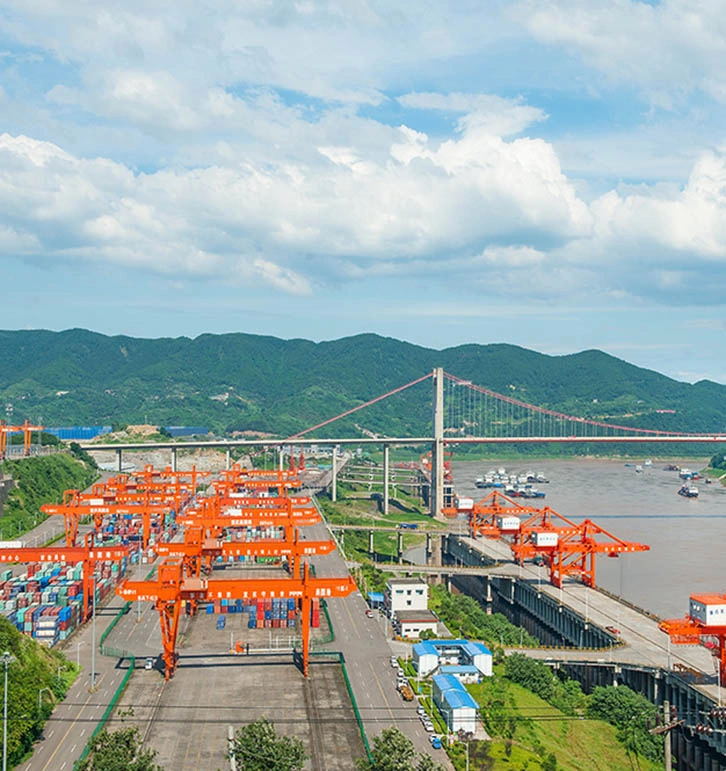
Standard Container Sizes Used in Global Shipping
World shipping depends on ISO shipping container sizes that stick to firm global rules. These even measures build the base for auto handling by container gantry cranes. Most containers have a usual width of 8 feet (2.44 meters). Heights appear in two chief types. Lengths differ mainly between 20 feet and 40 feet.
Set sizes help cranes guess corner casting spots well. Ports deal with containers sized in TEU (Twenty-foot Equivalent Unit) and FEU (Forty-foot Equivalent Unit). One 40ft container matches two TEU. This sizing method lets ends figure space and set up tasks well.
20ft vs 40ft Container Differences
The 20ft container works as the main part in shipping. It sizes roughly 19 ft 10 in long outside, 8 ft wide, and 8 ft 6 in tall. Inside measures permit about 1,172 cubic feet for cargo space. Workers pick this size often for thick, weighty items. The reason lies in its brief length. It offers good weight spread.
The 40ft container doubles the length. It keeps the same width and usual height. Outside length comes to about 40 ft. Inside room holds around 2,390 cubic feet. This size fits lighter, bulky cargo. Container gantry cranes view a 40ft unit as two TEU. That changes work rates and stack plans on ships.
Main changes show in length and room. The 20ft type gives one TEU. The 40ft type provides two TEU. Both have the same width and corner casting setups at ends. This eases spreader link. Height stays even in usual types. Yet changes occur in high cube types.
High Cube and Special Container Types
High cube containers add one foot to inside height. They hit 9 ft 6 in outside. These containers offer more room — about 2,694 cubic feet for a 40ft high cube — without raising floor use. Many ship owners choose high cube units for full goods. Examples include clothes or machines. These gain from added space above.
Special kinds cover open-top, flat-rack, and cooled containers. Plain dry containers lead world groups. Big shipping containers might have minor size shifts. They keep usual corner castings. Container gantry cranes fit these shifts mostly via spreader changes. They skip major crane updates.
Container Gantry Crane Spreader System for Size Adaptation
The spreader builds the key link in container work. This tool hangs from the crane’s hoist. It links straight to the container. The container crane spreader system explained shows how it permits fast switch to different container gantry crane container sizes.
Current spreaders have solid frames, hydraulic or electric motors, and exact lock tools. They spread weight evenly over four corner spots. This assures steady in lifts. Container gantry cranes depend on the spreader for safe join, fast drop, and guard from swing.
Telescopic Spreaders for Multiple Container Lengths
Telescopic spreaders change their length to fit 20ft, 40ft, and at times 45ft containers. Hydraulic cylinders power the stretch and pull of slide beams in the main frame. Workers or auto setups order the spreader to shift spots in less than 30 seconds in many types.
The hydraulic spreader setup container crane employs safe cylinders and slide pads for even motion. When moving from a 40ft to a 20ft container, the spreader pulls in its arms. This matches the twist locks to the brief unit’s corner castings. Some types also back middle lengths like 30ft.
Numbered steps in the adjustment process include:
- The crane positions the spreader above the target container.
- Sensors or operators confirm the required length.
- Hydraulic systems extend or retract the telescopic sections.
- The spreader lowers and locks into place.
This skill removes often spreader trades. It keeps work moving.
Twist Lock Mechanism and Corner Castings
Every usual container has strong corner castings at all eight corners. These even fits take twist locks placed on the spreader. The container twist lock system explanation focuses on a plain but firm turn tool.
Each twist lock has a cone head. It fits into the casting hole. A 90-degree turn locks the head inside the casting. This forms a solid machine tie. Container gantry cranes raise containers safely. The four twist locks split the weight evenly. They block chance drop under strain.
Safe parts cover machine signs, electric finders that check lock state, and backup setups. Full auto twist locks join without hand work. Semi-auto types use springs for quicker run. The plan stops drop while the container stays in air.
Automation Systems for Container Size Detection
Current ports blend automated gantry crane container detection system tools to lift speed and rightness. Finders and software spot container measures before the spreader drops. This permits pre-tweak and shrinks cycle times.
Sensor-Based Size Identification
Container size detection sensors crane hold laser finders, LiDAR checkers, cameras, and coders. These tools gauge length by scan container ends or spot gaps in pair-lift plans. Height finders tell usual from high cube types. They match roof lift to known points.
Sight setups read container marks or ISO codes for extra check. The mixed data enters the crane’s control setup. It works out exact spot. This finder-based way lessens worker mistakes. It backs steady 24/7 work in auto ends.
Software-Controlled Spreader Adjustment
Smart crane control system container handling draws now data from finders to direct spreader shifts. Automated spreader adjustment technology starts hydraulic valves or electric motors. It sets the right length and line on its own.
The software checks lock state and load weight first. Then it allows hoist move. Link with end run setups permits guess plans. The crane readies for the next container size. It does this while finishing the present lift. Such smart work boosts rightness. It lessens wait time between shifts.
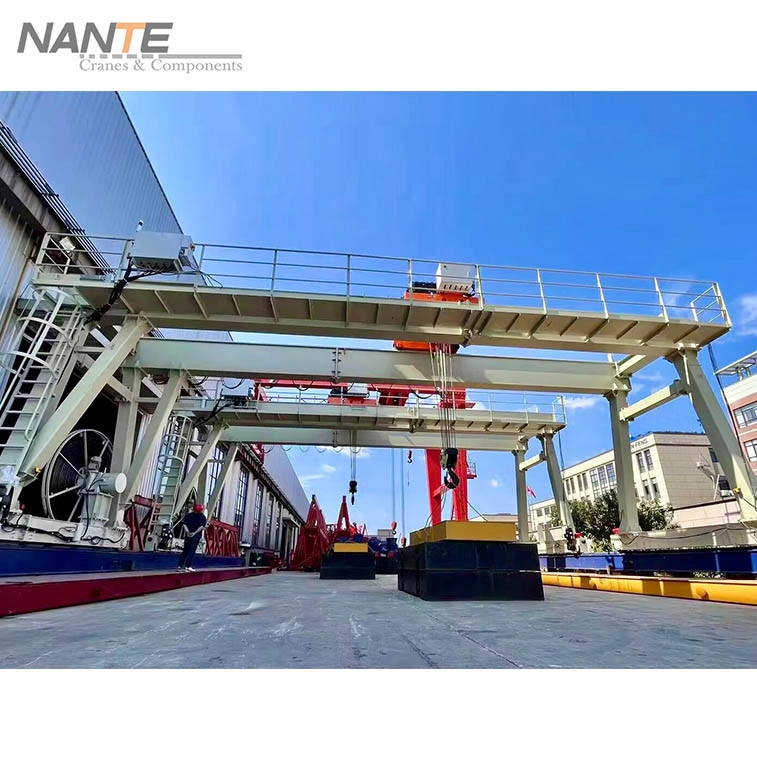
Handling Multiple Containers at Once
Better container gantry cranes raise flow by raising many containers in one cycle. Pair and double-lift plans max work in full ends.
Twin 20ft Container Lifting
Dual TEU lifting gantry crane efficiency stems from pair-lift spreaders. They manage two 20ft containers at once. The spreader has two part lock frames. A middle build joins them. Some types permit small space tweak. This fits minor place diffs between the two boxes.
Workers or auto setups join all eight twist locks firmly. This way doubles work for 20ft units against single lifts. Many current spreaders hit space of 50–60 tons in pair-lift mode.
High Capacity Mega Cranes for Ports
Mega container cranes lifting capacity holds heavy 40ft containers and piled loads. These big gantry setups have strong builds, mighty hoists, and fast trolleys. Port crane high load efficiency systems add better controls. They keep steady even at top reach and height.
Double girder types with open winch hoists often show in high-space uses. The mix of firm machine parts and exact automation lets ends shift more cargo per hour. It holds safe limits.
Handling Non-Standard Container Sizes
ISO rules lead, but area changes need extra bend from container gantry cranes.
Regional Container Size Differences (45ft / 53ft)
Many paths employ 45ft containers, especially in North American home trade. These units lengthen size while keeping high cube height often. US container size 53ft handling cranes show in land ends. They serve road and rail nets. Area shipping container changes test usual spreaders. Slide types with longer reach or part links handle them well.
Modular Spreader Attachments for Flexibility
Non standard container handling gantry crane solutions hold modular crane spreader system customization. Workers can add stretch frames or special parts for big container crane fits. Custom spreader container lifting system choices let ports manage rare sizes. They avoid set part gear.
FAQ
How do gantry cranes adjust to container size?
Container gantry cranes adjust primarily through telescopic spreaders that extend or retract hydraulically. Sensors detect dimensions, and automation sets the correct locking positions.
Can one crane lift different container types?
Yes. A single well-equipped container gantry crane handles 20ft, 40ft, high cube, and many non-standard sizes thanks to adjustable spreaders and twist lock systems.
Partner with Nante Crane for Reliable Container Handling Solutions
Nante Crane is a leading manufacturer of cranes and crane components with over 30 years of experience, serving ports and logistics operations across more than 50 countries. The company offers gantry cranes suitable for container handling in warehouses, ports, and stockyards, along with comprehensive crane components such as hoisting and travelling mechanisms that support efficient material movement. Customers benefit from customized lifting solutions designed for safety, reliability, and performance in demanding environments. For professional gantry crane solutions tailored to your container handling needs, contact Nante Crane today.