English



Gantry Crane 101: The Basics Of Gantry Cranes
Gantry Crane 101 The Basics Of Gantry Cranes
Date: 2026-05-07 Share:
A gantry crane is a useful material handling tool that has a flat crane girder held up by straight legs. This setup lets the gantry crane work on its own on the floor. It runs on tracks or wheels. It does not need building roofs or walls for help. Gantry cranes lift and shift heavy items well in many places. They prove key in factory spots where bend counts.
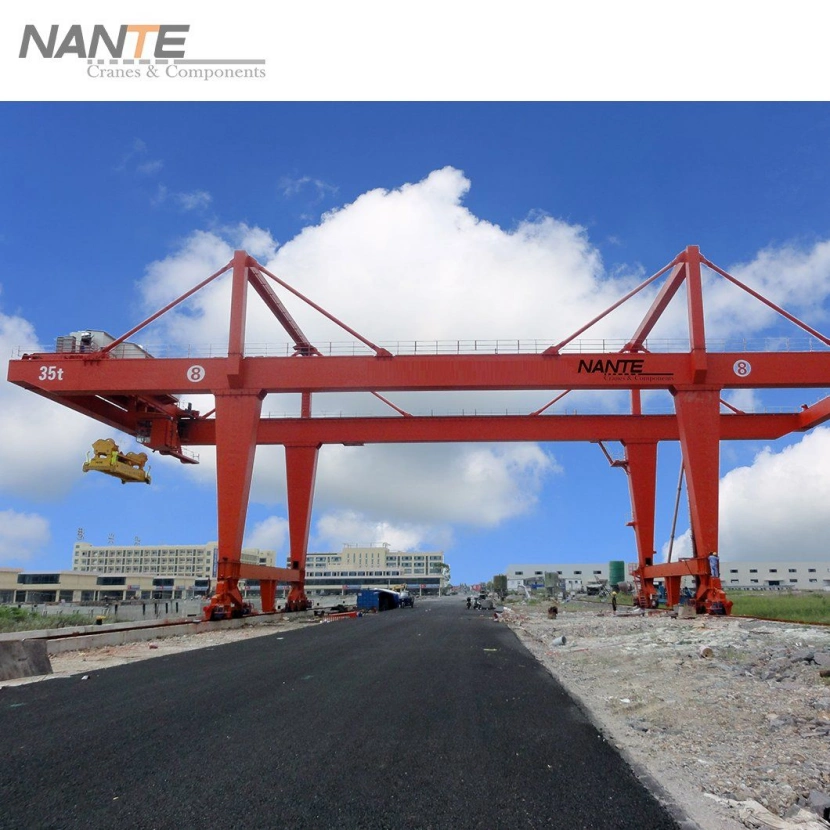
What Is a Gantry Crane? (Definition & Basic Concept)
A gantry crane has a firm frame. This frame comes from one or two flat crane girders. Two or more straight legs hold them up. The legs sit on wheels, rollers, or tracks. This lets the full frame move side to side. A trolley goes along the crane girder. It holds a crane hoist that does the real lift. This door-like shape gives the gantry crane its name. It covers a square work space.
The main parts include the crane girder, which acts as the bridge beam. Legs support it. End parts with wheels or track fits come next. The trolley and the crane hoist follow. Power systems run the moves. Control parts let exact work. Gantry cranes deal with loads from a few tons to many tons. The plan sets this.
Difference Between Gantry Crane and Overhead Crane
Overhead cranes need a solid building roof or posts to hold the track beams. Gantry cranes do not count on the building. Their legs take all the weight. So gantry cranes give more setup bend. They fit short-term or outside jobs. But overhead cranes reach higher lift power. They also run faster in set inside spots. The building takes the build stress. Gantry cranes do best where move and self-hold matter most.
Gantry cranes hold an important spot in material handling setups. They let easy shift of raw items, done goods, and big machines over open lots or big work rooms. Sites pick gantry cranes when no roof setups exist. Or when jobs need often move of the lift gear.
How Does a Gantry Crane Work?
The main work way of gantry cranes uses joined up and down and side moves. Electric motors and control setups power them. The crane hoist raises and drops the load. The trolley goes along the crane girder for side travel. The full gantry frame moves long way on its legs. This three-part move lets exact place of loads in the work space.
Hoisting Mechanism and Trolley Movement Explained
The crane hoist often has wire rope or chain. It lifts and drops the load with a hook or special link. The trolley holds the crane hoist. It runs on tracks or paths on the crane girder. Electric motors push the trolley even along the reach. Workers guide speed and way with hanging controls, radio tools, or cab spots.
Horizontal and Vertical Load Movement Process
Here is the step-by-step operation of a typical gantry crane:
- The operator positions the gantry crane or moves it on rails or tires to align with the load.
- The crane hoist lowers the hook or spreader to attach securely to the load using slings or rigging.
- The hoist lifts the load vertically to the required clearance height.
- The trolley travels horizontally along the crane girder to shift the load across the span.
- If needed, the entire gantry crane travels longitudinally on its wheels or rails to reach the destination.
- The hoist lowers the load safely at the target location, and the operator detaches the rigging.
This process repeats well for repeat material handling jobs. New gantry cranes have change speed controls and sway-stop systems. These make moves smooth and safe. The work way keeps steady load hold. It cuts floor space needs compared to lift truck picks.
Types of Gantry Cranes
Many types of gantry cranes meet different load power, move needs, and work places. Choice rests on the top weight, reach length, and if the job needs set tracks or free shift.
Single Girder Gantry Crane Overview
A single girder gantry crane uses one key crane girder held by the legs. The trolley and crane hoist run on the bottom edge of the girder. These kinds fit light loads, often from 1 to 20 tons. They cover small reaches up to about 30 meters. Single girder plans give low price, less full weight, and simple setup. They fit small work rooms, store spots, and fix areas where top space stays tight.
Double Girder Gantry Crane for Heavy Loads
A double girder gantry crane has two side-by-side crane girders. These give more firm hold and power. The trolley runs on tracks on top of the girders. This lets better hook height and steady hold. These cranes take heavy loads, often from 20 tons up to 500 tons or more. They work with longer reaches. Double girder kinds give higher lift power, better steady, and fit for hard jobs like steel plants, ship yards, and big outside lots.
Single Girder vs Double Girder Gantry Crane
Single girder cranes cost less. They need basic base setups. But they give lower power and a bit less hook reach. Double girder cranes share load better. They reach higher speeds in some cases. They work better under heavy or often use. Sites pick single girder for save money. They choose double girder when steady and power matter most.
Rail Mounted Gantry Crane (RMG)
Rail mounted gantry cranes run on set steel tracks in the ground. They give high sure aim and good work for box stack in ports and link yards. RMG cranes reach high stack heights. They place exact. This makes them right for set, full yards.
Rubber Tyred Gantry Crane (RTG)
Rubber tyred gantry cranes use big rubber wheels not tracks. This plan gives more move over paved floors without set builds. RTG cranes shift between box rows. They change plans easy. They fit box yards that need bend or often change setup.
RMG Crane vs RTG Crane Difference
RMG cranes give higher sure aim and lower run costs in set plans. But they need track setup. RTG cranes give better bend and lower start build costs. They may have a bit less stack sure aim. Both kinds help ship ports and box hold well.
Adjustable Height Gantry Crane Applications
Adjustable height and carry gantry cranes let change in height and reach. These light kinds back fix jobs, gear put together, and short lift needs in work rooms or job places. They stress move and fast setup.
Applications of Gantry Cranes
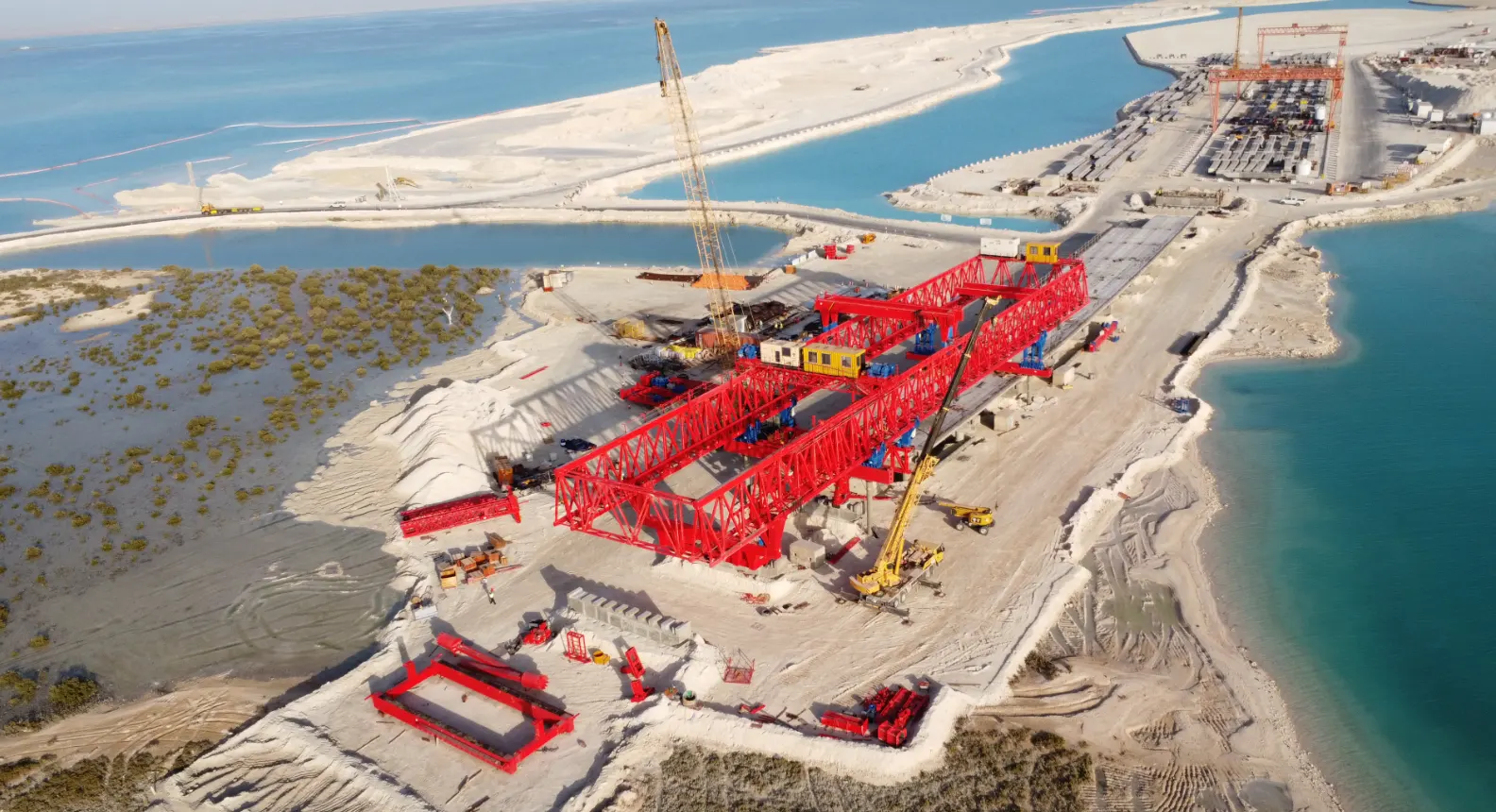
Gantry cranes help material handling in many fields. Their self-hold plan and fit make this so. They work steady in inside and outside spots.
Gantry Cranes in Construction Industry
On build sites, gantry cranes lift build items, ready concrete parts, and heavy gear. Frame girder kinds handle form work and bridge parts. Their move helps jobs in open spots, river side works, or big ready yards.
Use in Warehouses and Manufacturing Plants
Store spots use gantry cranes for hold and get of heavy goods. Make plants use them by put lines to shift parts and done goods. The cranes cut need for floor move. They boost work flow.
Shipping Ports and Container Handling
Ports count on RMG and RTG gantry cranes for load, drop, and stack ship boxes. These special kinds handle high flow and tall stacks in full ends. They back world move.
Railway and Heavy Equipment Maintenance
Rail yards use gantry cranes to lift rail cars, motors, and track parts in fix. Heavy gear fields use them for shift big machines in mine, ship build, steel make, and power spots. More uses show in air part hold and green power setups.
Gantry cranes show up where self, floor-held lift beats set roof setups.
How to Choose the Right Gantry Crane
Picking the right gantry crane needs check of work needs and place spots.
Factors Like Load Capacity and Working Environment
Find the top load weight, how often use (work cycle), and place parts like inside or outside face, heat ends, or rust spots. Outside cranes need rust guard and wind hold.
Indoor vs Outdoor Gantry Crane Selection
Inside kinds focus on top space and small plan. Outside cranes stress move, weather proof, and steady base or track setups.
Fixed vs Mobile Gantry Crane Decision Guide
Set track-held cranes fit give, high-flow spots. Move or change gantry cranes give bend for shift work flows. Think on reach, lift height, power source, and later grow needs. Talk with skilled suppliers helps match specs exact to the job.
Discover Reliable Gantry Crane Solutions with Nante Crane
Nante Crane is a manufacturer with over 30 years of experience providing cranes and crane components, including single girder gantry cranes, double girder gantry cranes, rubber tyred gantry cranes, semi-gantry cranes, and related systems. The company delivers customized lifting solutions across construction, ports, warehouses, manufacturing, shipbuilding, and railway industries, with emphasis on quality engineering, safety features, and global service support. Contact Nante Crane today.
FAQ
What is the main difference between a gantry crane and an overhead crane?
A gantry crane stands on its own legs and operates independently on the ground, while an overhead crane mounts to the building structure.
What are the main types of gantry cranes?
Common types include single girder, double girder, rail mounted (RMG), rubber tyred (RTG), and portable or adjustable models.