English


Festoon System Design Guide for Overhead and Gantry Cranes
Festoon System Design Guide for Overhead and Gantry Cranes
Date: 2026-07-02 Share:
This Festoon System Design Guide explains festoon system design for cranes with a practical focus on overhead crane festoon systems and gantry crane cable festoon design. For engineers responsible for moving power and control, the goal is not simply to hang cable. It is to protect conductors, maintain signal continuity, and keep the travel path clear. Good design converts crane data into cable length, trolley spacing, track layout, component selection, and installation checks.
What Is a Crane Festoon System?
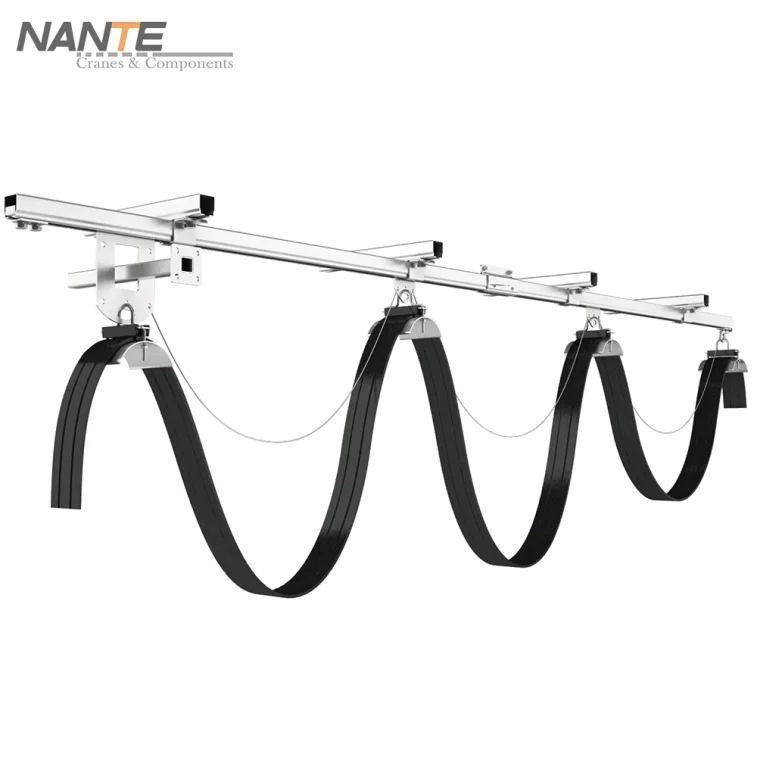
A crane festoon system supports moving power and control cables. Cables are fixed at one end, supported by trolleys, and pulled by a tow trolley connected to the bridge, trolley, or hoist. As the crane moves away from the fixed point, cable loops open. When it returns, trolleys stack together and loops close in an accordion pattern.
Overhead Crane Festoon Systems
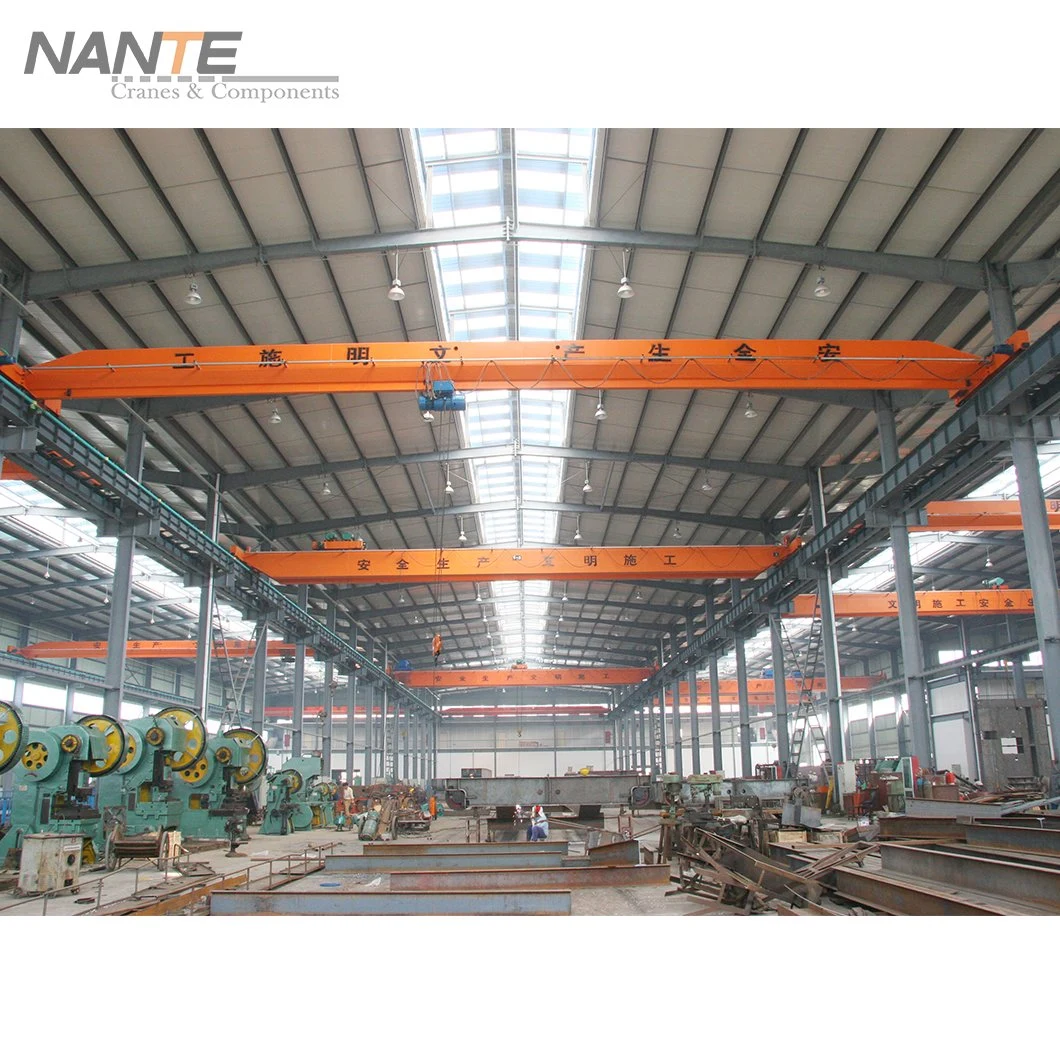
Overhead crane festoon systems are used for bridge travel, trolley travel, hoist power, pendant control, and auxiliary signal cables. They keep cables above the working area, reduce dragging, and support visual inspection. In indoor workshops, compact track layouts and neat loop shape are usually the main priorities.
Gantry Crane Cable Festoon Design
Gantry crane cable festoon design must consider outdoor exposure. Wind, rain, UV radiation, dust, temperature change, and longer travel distances can increase cable stress. Engineers should use stronger supports, corrosion-resistant hardware, weather-suitable cables, and enough clearance from the load, ground, wheels, and structure.
Design Methodology for Festoon System Design for Cranes
Key inputs include crane type, travel length, speed, duty cycle, environment, voltage, current, conductor count, cable weight, loop depth, and maintenance access.
Choose the route. For overhead cranes, the festoon line may run along the bridge, runway, or trolley path. For gantry cranes, it may run along the main beam or a protected support line. Avoid sharp edges, heat sources, collision areas, and walkways.
Select the track style. C-track festoon systems are compact and suit many standard-duty applications. I-beam festoon systems are better for heavy cable packages, long travel, and harsh-duty service. Match the track to cable load, speed, support spacing, and environment.
Festoon Trolley Spacing Calculation
Festoon trolley spacing calculation controls loop depth, cable bending stress, trolley quantity, and storage length. Smaller spacing creates more trolleys and shallower loops. Wider spacing reduces trolley count but increases loop depth.
Use this starting point:
Number of loops = Travel length ÷ Desired trolley spacing
Number of trolleys = Number of loops + 1 tow trolley
After estimating, verify bending radius, trolley load, storage distance, and vertical clearance.
Design Calculations Engineers Should Include
Cable length can be estimated with:
Total cable length = Travel length + loop allowance + hookup allowance + service slack
For a 30 m gantry crane, assume 15% loop allowance and 2 m hookup allowance at each end:
30 m + 4.5 m + 4 m = 38.5 m total cable length
Also check:
Cable load per trolley = Total supported cable weight ÷ Number of supporting trolleys
Storage distance = Number of trolleys × trolley stack length + end clearance
Actual loop radius ≥ cable minimum bending radius
If storage distance is ignored, the crane may lose usable travel. If loop radius is too small, increase loop depth, reduce trolley spacing, or choose a more flexible cable. Add margin for speed, starts, wind, heavy cables, or dust.
Festoon Cable Selection
Festoon cable selection should combine electrical and mechanical checks. Electrically, confirm voltage rating, current capacity, conductor count, grounding, control cores, shielding, and voltage drop. Mechanically, check cable weight, flexibility, jacket material, abrasion resistance, oil resistance, UV resistance, temperature range, and minimum bending radius.
Flat cable is often preferred when clean stacking and stable loop shape are important. Round cable may be suitable when circuit design or cable construction makes it more practical. The clamp must hold the cable without crushing the jacket.
Component Selection
A complete festoon system includes track, brackets, joint couplers, end stops, end clamps, intermediate trolleys, tow trolley, saddles, clamps, tow arm, junction box, cable glands, and strain relief parts.
C-Track Festoon Systems
C-track festoon systems are often selected for compact crane layouts and moderate cable loads. They suit applications where alignment can be controlled and heavy-duty beam trolleys are not required. The track should be straight, joints smooth, and trolleys free through the full travel.
I-Beam Festoon Systems
I-beam festoon systems are suitable for heavier cable packages, longer travel, and demanding outdoor gantry crane applications. Engineers should check beam capacity, wheel compatibility, lateral movement, end-stop strength, corrosion protection, and trolley stability.
Installation Diagram Recommendations
Include three engineering diagrams.
Figure 1: overhead crane layout showing bridge, hoist trolley, festoon track, tow trolley, intermediate trolleys, end clamp, cable loops, storage distance, and control panel connection.
Figure 2: gantry crane cable festoon design showing main beam, outdoor route, protected termination box, loop clearance, and moving trolley path.
Figure 3: trolley spacing detail showing loop depth, bending radius, cable saddle, clamp position, trolley spacing, and safety clearance.
Installation Recommendations
Before installation, confirm the cable list, track length, trolley quantity, bracket spacing, loop depth, and termination drawing. Inspect the cable jacket and isolate the crane power source before electrical work begins.
Install the track parallel to the crane travel direction. Keep joints aligned, remove burrs, tighten brackets evenly, and test trolley movement before mounting cables. During cable installation, avoid twisting, over-tightening clamps, or forcing cables into a tight loop.
After installation, move the system slowly through the full travel. Check trolley movement, loop uniformity, tow arm angle, cable rubbing, clamp tightness, end stops, and strain relief. Run a slow powered test before normal operation.
Engineering Example: 30 m Gantry Crane
For a 30 m outdoor gantry crane, assume a moderate-speed travel system carrying one power cable group and one control cable group. For outdoor service, choose weather-suitable cable, corrosion-resistant hardware, and trolley capacity above the calculated static cable load.
The design output should include 38.5 m estimated cable length, verified trolley count, checked loop depth, confirmed storage distance, end clamp location, tow trolley position, bracket spacing, termination drawing, installation checklist, and inspection plan.
Maintenance Checklist
Inspect cable jackets, trolley wheels, track joints, clamps, end stops, tow arm, cable glands, junction boxes, and fasteners. Also watch for misaligned track, uneven loops, crushed jackets, poor strain relief, and blocked access. Harsh-duty and outdoor systems need shorter inspection intervals than light indoor systems.
FAQ
What is a festoon system on a crane?
It supports power and control cables with trolleys, allowing the cables to extend and retract as the crane travels.
What affects festoon trolley spacing calculation?
Spacing depends on travel length, cable weight, loop depth, bending radius, trolley load rating, storage distance, and crane speed.
What matters most in festoon cable selection?
Voltage, current, conductor count, flexibility, jacket durability, cable weight, environment, and minimum bending radius are the main factors.
Nante Crane provides overhead cranes, gantry cranes, crane components, mobile power supply systems, festoon systems, crane cables, and crane control panels for industrial lifting applications. If you are designing a new crane power supply system or upgrading an existing festoon line, Nante Crane can support component selection, engineering integration, and application-based crane solutions. Contact Nante Crane today to discuss your crane festoon system requirements and get engineering support for your project.