English


F Class vs H Class Crane Motor: Which Is Better?
F Class vs H Class Crane Motor Which Is Better
Date: 2026-09-10 Share:
Insulation class is an important part of crane motor selection, but it is not a complete answer by itself. Class F and Class H describe the thermal capability of the motor insulation system. The better choice depends on winding temperature rise, ambient and radiant heat, duty cycle, cooling, starting frequency, and the consequences of a motor trip.
For ordinary indoor lifting, a correctly sized F class crane motor can provide practical service and cost control. For steel mills, foundries, forging bays, and other hot zones, an H class crane motor usually provides more thermal margin. That margin only delivers value when the complete motor and crane system is engineered for the environment.
What Motor Insulation Class Means
Class F and Class H temperature limits
IEC 60085 assigns Class F insulation a maximum continuous insulation-system temperature of 155°C and Class H a limit of 180°C. These are hot-spot limits for the insulation system, not permissible ambient-air temperatures around the motor.
The total temperature is built from ambient temperature, motor temperature rise, and a hot-spot allowance. A motor in a 40°C room with a 100 K temperature rise already reaches about 140°C before local hot spots are considered. A hotter environment consumes the available margin quickly.
Why the rating is not an ambient guarantee
An H class motor can still overheat when overloaded, started too frequently, operated at low speed without independent cooling, or exposed to direct furnace radiation. Conversely, an F class motor may run reliably when load, ventilation, and ambient conditions remain within the approved design envelope.
The insulation label therefore indicates material capability. It does not replace a thermal calculation, derating curve, or verification of the complete motor model.
F Class Crane Motor: Strengths and Limits
Where Class F is normally suitable
An F class crane motor is often suitable for indoor workshops, warehouses, machine shops, and process areas with moderate ambient temperature and predictable lifting cycles. It can be a sound selection when the duty class, starts per hour, load spectrum, and enclosure are matched to the application.
Class F also leaves a useful design margin over Class B temperature-rise limits when the motor is built and tested to a lower temperature rise. That combination can support longer insulation life without paying for a higher insulation system that the application does not need.
Conditions that reduce its margin
Thermal margin falls when the crane works near rated load for long periods, performs frequent inching, or operates in a dusty area that blocks cooling passages. Variable-frequency drives can add low-speed heating if the motor lacks forced ventilation or is not derated for the speed range.
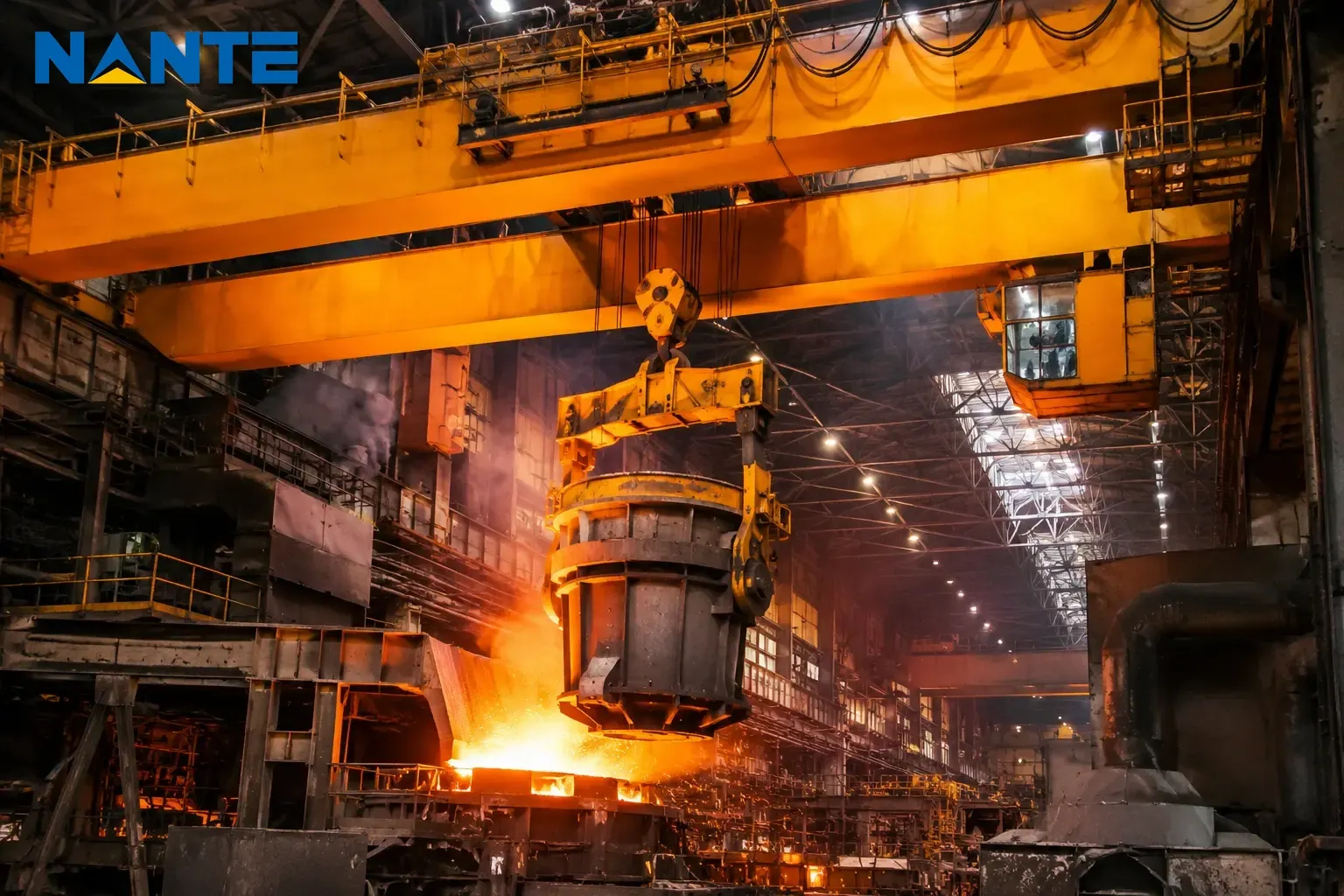
Radiant heat is another hidden load. Air temperature may appear acceptable while a ladle, billet, furnace wall, or hot slab raises the motor surface temperature. A temperature map should cover the hoist, trolley, brakes, cabinet, cables, and operator area rather than relying on one workshop reading.
H Class Crane Motor: Strengths and Limits
Why Class H adds thermal margin
An H class crane motor uses an insulation system rated to 180°C, giving a 25°C higher thermal ceiling than Class F. That additional margin can help absorb elevated ambient temperature, repeated starts, short overloads within the design, and heat transferred from nearby process equipment.
The margin is particularly useful for a high-temperature overhead crane in a steel mill or foundry. The same guide notes that a heat-resistant motor must be assessed together with cooling, brakes, controls, cables, and shielding.
Why H class is not automatically better
Higher insulation class does not increase rated lifting capacity, brake torque, gearbox strength, or bearing life. It also does not make a standard motor suitable for 180°C ambient air. If a shield blocks airflow or hot air recirculates around the fan, the motor can exceed its allowable winding temperature despite Class H materials.
The purchasing team should request the motor’s permitted ambient range, temperature rise, derating method, cooling arrangement, sensor type, and test evidence. A Class H label without these details is an incomplete specification.
F Class vs H Class Crane Motor: Decision Factors
Compare the thermal system, not only the nameplate
| Decision factor | F class crane motor | H class crane motor |
|---|---|---|
| Insulation-system limit | 155°C | 180°C |
| Typical value | Standard indoor duty with controlled heat | Hot zones and higher thermal uncertainty |
| Main risk | Margin consumed by overload, dust, or heat | False confidence if cooling and derating are ignored |
| Cost focus | Lower initial specification when conditions are moderate | Extra margin and monitoring for severe exposure |
| Evidence to request | Temperature rise, duty rating, protection and cooling | The same evidence plus derating, shielding and sensor plan |
The right comparison includes capacity, speed, starts per hour, load ratio, duty class, ambient temperature, radiant heat, enclosure, altitude, ventilation, and control method. A motor with lower temperature rise may outperform a nominally higher class motor that is poorly cooled.
Match insulation to duty class
Motor heating follows the workload. A crane used for occasional maintenance has a different thermal profile from a production crane that cycles continuously. The selected duty class should reflect lifting cycles, average load, starts, travel movements, and operating hours.
Duty classification is not a substitute for insulation class. It is an input to motor sizing because it determines how often heat is generated and how much cooling time is available.
Thermal Protection for High-Temperature Crane Motors
Cooling and heat shielding
Effective protection may include relocating the motor away from the radiation path, adding a reflective shield with a ventilated gap, supplying cooler air, or using independent forced cooling. The shield must reduce radiation without blocking the motor’s airflow or trapping scale.
For a double-girder EOT crane with winch, the machinery layout should preserve access to motors, brakes, drums, sheaves, sensors, and filters. Protected walkways and removable panels reduce maintenance exposure in hot areas.
Sensors, alarms, and trips
A robust crane motor thermal-protection plan can combine winding PTC or RTD sensors, bearing-temperature monitoring, overload relays, drive fault records, and cabinet temperature alarms. Alarm thresholds should warn before insulation, bearings, seals, or lubricant reach damaging conditions.
Thermal trips need a reset and investigation procedure. Repeated trips may indicate excessive starts, brake drag, misalignment, blocked filters, voltage imbalance, or an undersized motor rather than a simple sensor problem.
Enclosure and cable protection
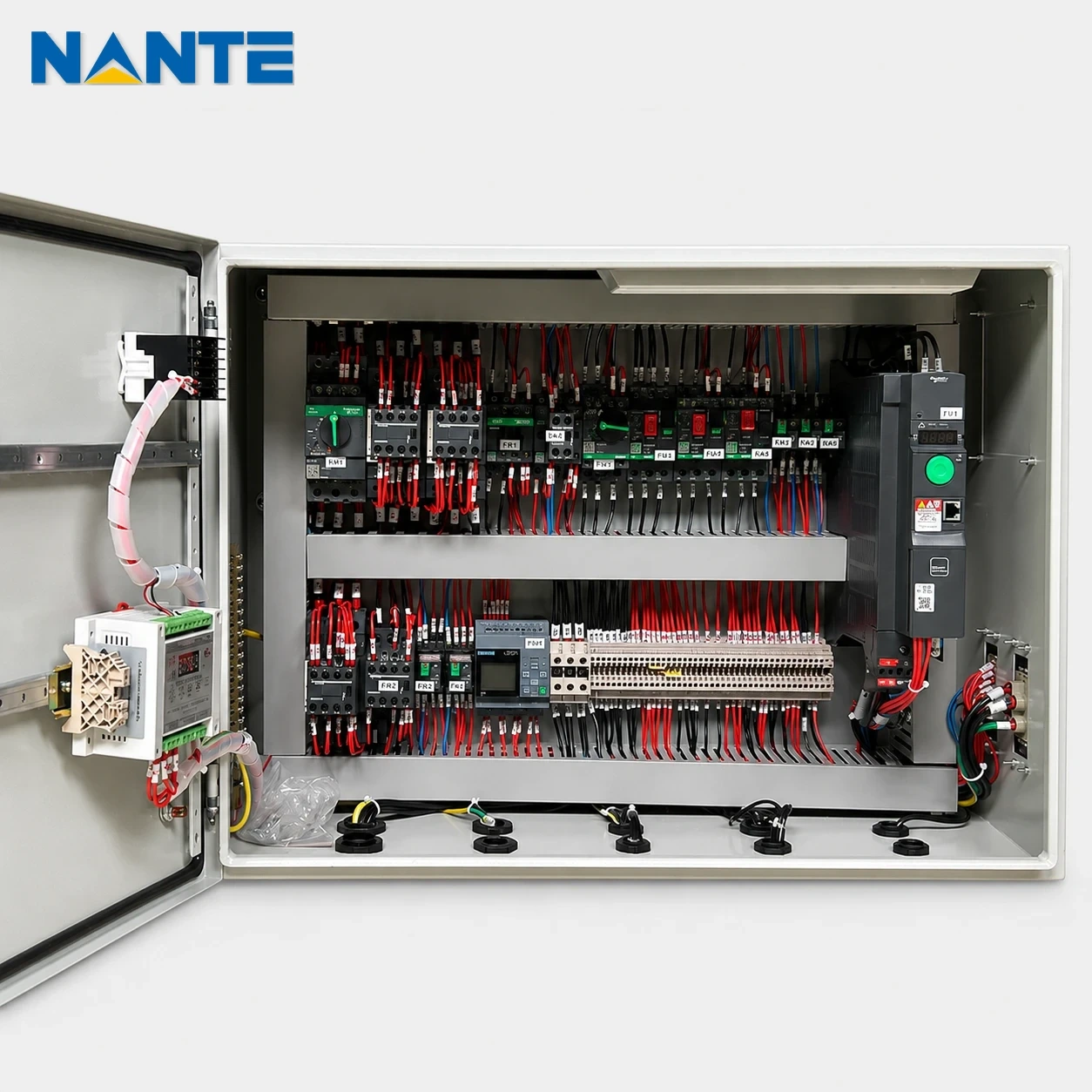
Ingress protection controls dust and moisture but does not remove internal heat. The enclosure, fan, filter, cable sheath, and glands must suit metallic dust, oil, fumes, flexing, and radiant heat. Control cabinets are often better positioned outside the hottest zone, with protected cable routes and accessible cooling equipment.
Procurement Checklist for F or H Class
Information for a comparable quotation
The project specification should state:
- Rated capacity, span, lift, speeds, and attachment type.
- Load temperature, ambient temperature, radiant-heat sources, and exposure duration.
- Duty class, cycles per hour, starts per hour, shifts per day, and full-load ratio.
- Motor class, temperature rise, cooling method, enclosure, sensors, and derating.
- Brake arrangement, overload protection, limits, emergency stop, and fault recording.
- Applicable electrical and crane standards, FAT scope, calibration records, and manuals.
- Installation, commissioning, training, spare motors, filters, sensors, and warranty scope.
The quotation should normalize exclusions such as runway work, controls, freight, installation, commissioning, and spares. Price alone can hide a thermal design gap.
How Nante Crane Can Support the Selection
From temperature map to technical proposal
From the midpoint of the evaluation, supplier capability becomes part of the decision. Nante Crane lists industrial cranes and crane components including overhead cranes, open-winch systems, electric hoists, travelling mechanisms, mobile power supplies, and crane control panels.
Its published high-temperature guidance emphasizes measured heat exposure, H class insulation, cooling, shielding, monitoring, and coordinated safety systems. This is the right scope for buyers comparing a standard F class crane motor with a high-temperature crane motor rather than comparing labels in isolation.
Documentation and lifecycle support
The technical review should ask for drawings, motor data sheets, thermal assumptions, sensor wiring, test plans, FAT records, maintenance intervals, and recommended spares. Installation teams also need cabinet locations, cable routing, brake settings, and commissioning checks that reflect the actual hot zone.
FAQ
Is H class insulation always required in a steel mill?
No. The need depends on measured ambient and radiant heat, duty, cooling, and motor temperature rise. H class is often prudent near furnaces and molten loads, but a verified F class design can be acceptable in cooler, shielded zones.
Can an F class motor be upgraded to H class later?
Usually not by changing a nameplate. The insulation system, winding design, cooling, sensors, drive settings, and certification documents must be reviewed as a complete motor assembly. Replacement with an approved H class motor may be more practical.
Does H class reduce the need for thermal protection?
No. H class increases insulation-system capability; it does not eliminate overloads, blocked cooling, bearing faults, brake drag, or hot-air recirculation. Sensors, alarms, and preventive inspection remain necessary.
Project Inputs for a Crane Motor Recommendation
Submission package for engineering review
For a project-specific review, the purchasing team should submit capacity, span, lift, motor power, duty class, starts per hour, load spectrum, ambient and radiant temperatures, control method, standards, layout, and installation scope. The engineering team can then confirm a suitable F or H class crane motor, thermal-protection arrangement, documentation package, and budgetary quotation. The inquiry path is Contact Nante Crane.