English


Daily Overhead Crane Inspection: 15 Essential Checks Before Starting Every Shift
A safe lifting operation doesn't start when the crane begins to move. It starts with a proper inspection.
Date: 2026-11-20 Share:
Overhead cranes are essential to manufacturing plants, warehouses, steel workshops, and other industrial facilities. They handle heavy loads every day, often under demanding operating conditions.
However, continuous operation can gradually lead to component wear, mechanical issues, and potential safety hazards.
That’s why a daily pre-operation inspection is so important.
Before starting each shift, crane operators should take a few minutes to check the equipment, identify visible abnormalities, and confirm that the crane is ready for operation.
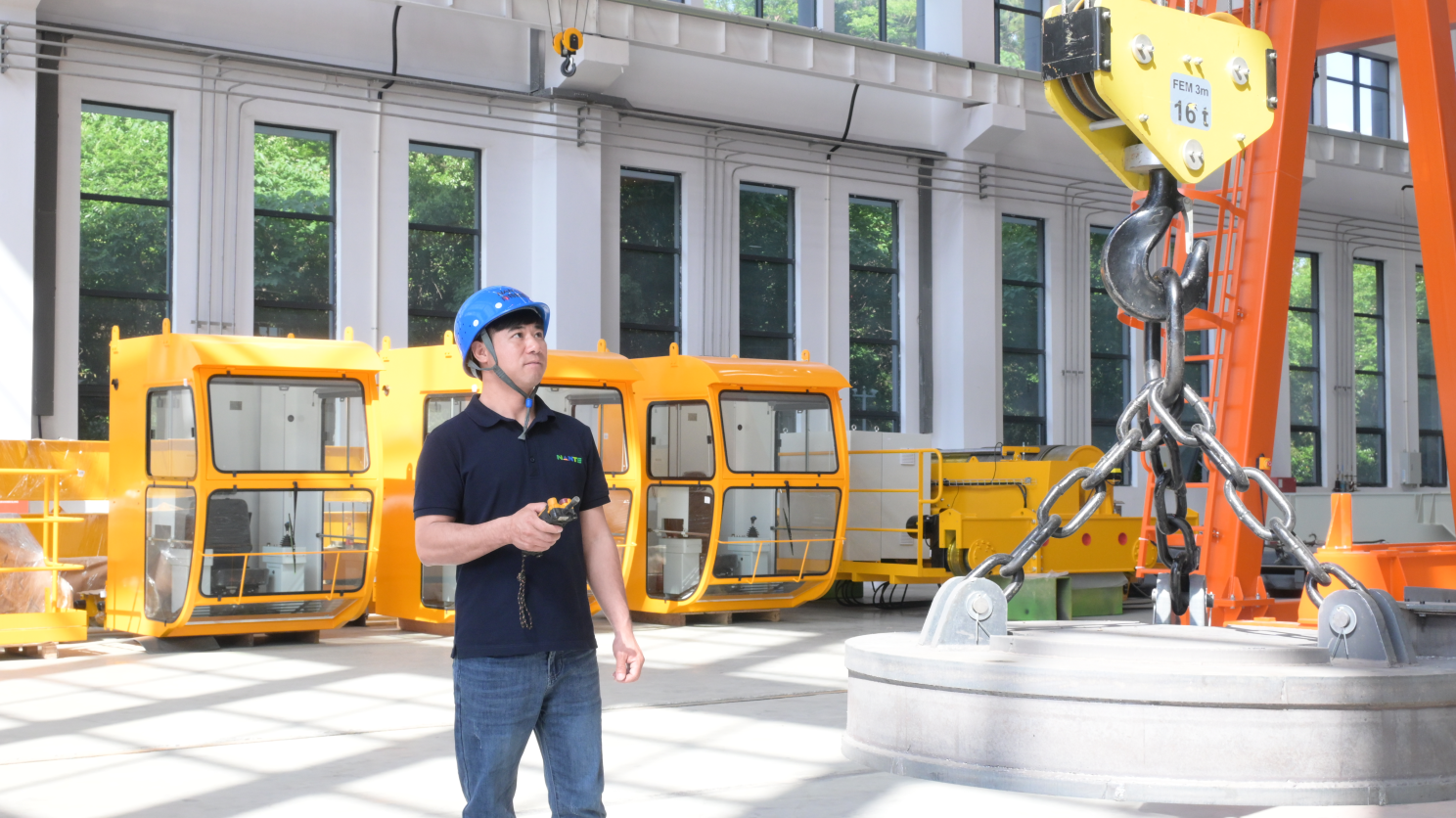
Here are 15 essential inspection points that every overhead crane operator should pay attention to.
- Check the Overall Crane Condition
Before operating the crane, visually inspect the equipment and its surrounding working area.
Look for:
- Visible structural damage or deformation.
- Loose or missing components.
- Oil or hydraulic fluid leaks, where applicable.
- Unusual objects or obstacles along the crane runway.
- Signs of damage caused by previous operations.
Any abnormal condition should be recorded and reported.
- Inspect the Hoist and Lifting Mechanism
The hoisting mechanism is one of the most critical parts of an overhead crane.
Check for:
- Unusual noises during operation.
- Visible damage to the hoist housing.
- Loose connections or abnormal movement.
- Signs of oil leakage, where applicable.
- Unusual vibration during lifting and lowering.
A properly functioning hoist is essential for reliable lifting performance.
- Inspect the Wire Rope or Lifting Chain
The wire rope or lifting chain directly carries the load, making its condition particularly important.
For wire rope hoists, look for:
- Broken or protruding wires.
- Kinks, crushing, or deformation.
- Corrosion and excessive wear.
- Damaged rope end connections.
- Irregular winding on the drum.
For chain hoists, check for:
- Twisted or damaged links.
- Excessive wear or elongation.
- Cracks or deformation.
- Abnormal chain movement.
Any suspected defect should be evaluated by qualified personnel before the crane is returned to service.
- Check the Crane Hook and Safety Latch
The crane hook connects the lifting equipment to the load.
Inspect the hook for:
- Cracks or visible deformation.
- Excessive wear or opening.
- Signs of twisting.
- Proper movement of the hook swivel, where applicable.
- A functional safety latch.
Never overlook a damaged hook or missing safety device.
- Inspect the Brake System
The braking system plays a vital role in controlling crane movements and holding suspended loads.
Operators should pay attention to:
- Unusual braking noises.
- Delayed stopping.
- Abnormal movement after stopping.
- Signs of brake damage or overheating.
If the brake does not perform as expected, stop operation and report the issue immediately.
- Test the Hoisting and Traveling Functions
Before lifting any load, conduct the prescribed no-load function checks.
Verify that:
- The hoist moves smoothly up and down.
- The trolley travels correctly.
- The crane bridge moves along the runway as intended.
- There is no abnormal vibration or hesitation.
- All movements respond properly to the operator’s commands.
Smooth and predictable movement is an important indicator of normal operating performance.
- Check the Control System
Whether the crane uses a pendant control, radio remote control, or operator cabin, all controls should function properly.
Check:
- Control buttons and switches.
- Directional commands.
- Power supply and control indicators.
- Emergency stop functionality.
- Clear identification of operating functions.
Faulty controls can create serious operational risks and should never be ignored.
- Verify the Limit Switches
Limit switches help prevent crane mechanisms from traveling beyond their intended operating positions.
Check that the relevant lifting and traveling limit devices are in proper condition and function according to the manufacturer’s operating procedures.
Never bypass or disable a limit switch to continue operation.
- Inspect the Wheels and Rail System
The bridge and trolley wheels operate continuously during crane movements.
Look for:
- Visible wheel damage or excessive wear.
- Abnormal wheel movement.
- Unusual noise during travel.
- Rail obstructions or visible damage.
- Signs of misalignment.
Early identification of wheel and rail problems can help reduce mechanical wear and unexpected downtime.
- Check the Electrical System
Electrical components are essential to the safe and stable operation of modern overhead cranes.
Pay attention to:
- Visible damage to cables.
- Loose or exposed wiring.
- Abnormal electrical odors.
- Damaged cable connections.
- Unusual warning indicators.
Electrical inspections and repairs must be performed by qualified personnel following appropriate safety procedures.
- Verify the Emergency Stop and Safety Devices
Emergency stop devices and other protective systems are essential safeguards.
Confirm that the emergency stop and applicable safety devices operate correctly according to the approved testing procedure.
Depending on the crane configuration, these may include:
- Overload protection.
- Anti-collision systems.
- Travel limit protection.
- Audible and visual warning devices.
- Other application-specific safety features.
-
- Check the Rated Load Capacity Markings
Every crane should have clearly identifiable rated capacity information.
Make sure:
- The rated load marking is visible and legible.
- Operating instructions are available.
- Operators understand the crane’s capacity limitations.
- The planned lifting operation is within the crane’s rated capacity.
Never exceed the rated lifting capacity.
- Check the Working Environment
Crane safety also depends on the surrounding environment.
Before operation, check:
- Whether the lifting area is clear.
- Whether personnel are in potentially hazardous areas.
- Whether the load path is unobstructed.
- Whether lighting and visibility are sufficient.
- Whether weather conditions affect outdoor crane operations.
Good communication between crane operators and ground personnel is equally important.
- Verify the Crane’s Power Supply System
For cranes using conductor rails, festoon systems, or cable reels, inspect the visible condition of the power supply arrangement.
Look for:
- Damaged or loose cables.
- Abnormal cable movement.
- Damaged conductor rail components.
- Loose or visibly damaged collectors.
- Signs of overheating or electrical faults.
Any electrical maintenance should be handled by qualified technicians.
- Record Inspection Results in a Crane Logbook
A daily inspection is only useful when its results are properly documented.
Operators should record:
- Inspection date and shift.
- Crane identification.
- Inspection results.
- Abnormalities or defects found.
- Corrective actions or maintenance requests.
- Operator identification.
A well-maintained inspection record helps maintenance teams identify recurring problems, plan preventive maintenance, and monitor equipment condition over time.
What Should You Do If a Problem Is Found?
Identifying a problem is only the first step. Taking the right action is equally important.
If an inspection reveals an abnormal condition:
- Stop the operation if the condition could affect safety.
- Report the issue to the supervisor or maintenance department.
- Record the problem in the inspection logbook.
- Arrange an assessment by qualified maintenance personnel.
- Do not return the crane to service until the defect has been properly addressed and the equipment is confirmed safe.
Remember: Never continue lifting operations simply because the crane can still move.
Daily Inspection Is the First Step Toward Reliable Crane Operation
A daily overhead crane inspection may take only a few minutes, but its value extends far beyond the inspection itself.
Regular pre-operation checks can help identify potential problems early, improve communication between operators and maintenance teams, reduce unexpected equipment downtime, and support a safer working environment.

At NANTE CRANE, we believe Safety Starts Before the First Lift.
From overhead cranes and gantry cranes to jib cranes and customized lifting solutions, we are committed to providing reliable material handling equipment for industrial applications worldwide.
Looking for a reliable crane solution for your facility?
Visit our website to explore our lifting equipment and discover how NANTE can support your material handling needs.
🌐 https://www.nantecrane.com/