English



ISO 12480-5:2026: What Crane Buyers Need to Know About Bridge and Gantry Crane Safety
Date: 2026-11-20 Share:
ISO 12480-5:2026 is the first edition of the international safe-use standard specific to bridge and gantry cranes. Published on June 12, 2026, it is intended to be used alongside ISO 12480-1. For buyers, it puts installation, operation, inspection, and handover on the same agenda as capacity, span, and price.
Two offers can specify the same crane capacity and span while assigning very different responsibilities for runway verification, commissioning, and operator instruction. The purchasing team should settle those differences before award, while each supplier can still price the same scope.
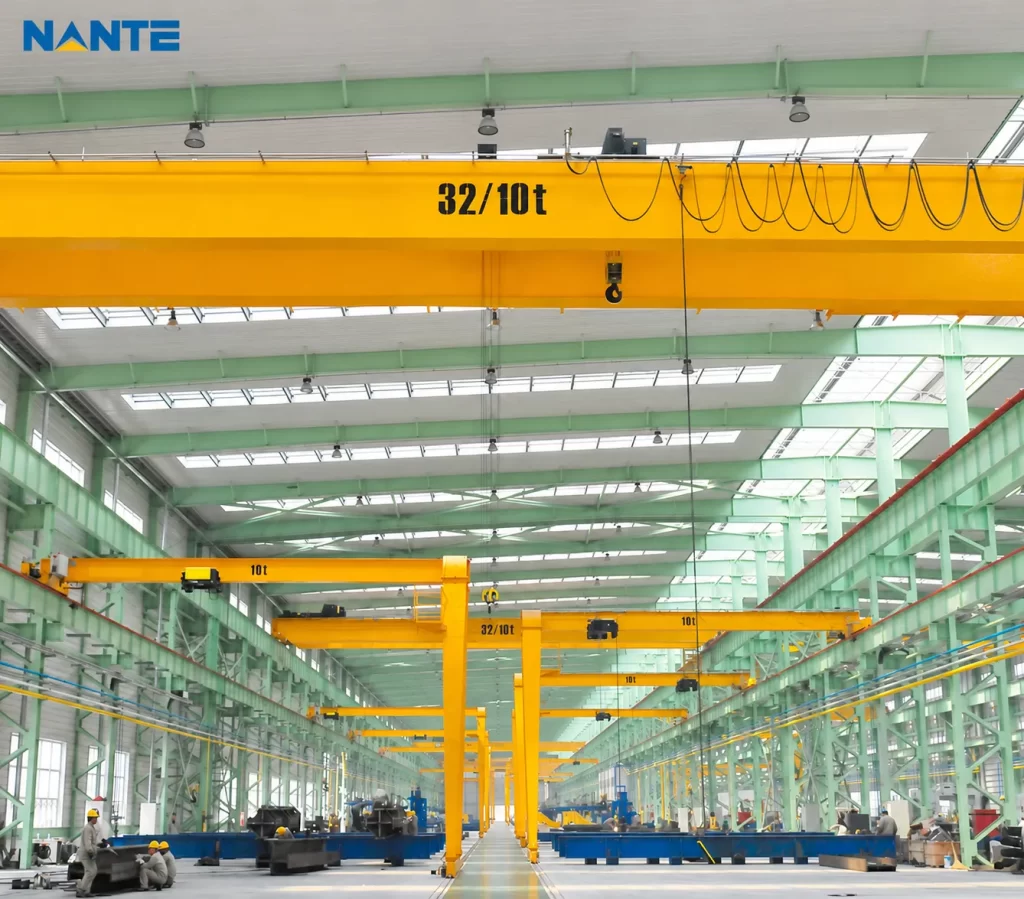
What Is ISO 12480-5:2026, and Which Cranes Does It Cover?
How Part 5 Works With ISO 12480-1
ISO 12480-1:2024 sets out a general framework for safe crane use, including work planning, crane selection, erection and dismantling, operation, maintenance, and the selection of personnel. Part 5 addresses bridge and gantry cranes as defined in ISO 4306-1 and ISO 4306-5. The equipment type and intended use determine which provisions the project team should review.
A typical overhead bridge crane travels on an elevated runway. A full gantry crane carries its bridge on legs that travel on rails or wheels at ground level. Both can lift and move a load across a work area. Their support arrangements determine what the project team needs to check at the site. A bridge crane project may need to verify building clearances and runway reactions. A rail-mounted gantry crane project may need to verify foundations and how ground-level crane travel interacts with vehicles and pedestrians.
How ISO 12480-5 Fits With U.S. OSHA Rules
For equipment within its scope in U.S. general industry, OSHA 29 CFR 1910.179 addresses matters such as inspection, testing, maintenance, and load handling. For construction projects, 29 CFR 1926.1438 sets different provisions depending on whether the crane is permanently installed in a facility. When a purchase specification also cites ISO 12480-5:2026, list the applicable regulatory provisions and contractual standards separately so each bidder can respond to both.
What Does the New Standard Cover for Bridge and Gantry Cranes?
Installation, Relocation, and Operating Conditions
Section 4 covers installation and relocation, operation, and environmental considerations. At the bid stage, an outdoor gantry crane illustrates why these topics belong in the same review. The crane must fit the rail layout and the planned load path, and the site must have a way to take it out of service when operating conditions exceed the limits specified for that equipment.
Ask the supplier to state the assumed operating environment and identify where operating limits and parking instructions will be documented. On a wind-exposed site, clarify the conditions for stopping work and the method of securing the crane when parked, where applicable. Allocate responsibility for any rail, foundation, or parking interface before the crane configuration is finalized. For a relocation, establish which drawings, clearances, and commissioning checks need to be reviewed for the new site.
Inspection, Unattended Cranes, and Lifting Attachments
Section 5 covers maintenance, inspection, and condition monitoring, including leaving the crane unattended. Section 6 addresses the application of load-lifting attachments. For procurement, these topics raise practical questions about what the operating team will receive and be able to check once the crane is in service.
Ask for the inspection and maintenance instructions for the proposed configuration, including access to wear items and how defects should be reported. Where a lifting beam, grab, or other attachment is part of the job, confirm who supplies it and how its weight and working limits affect the lift. A lifting beam consumes part of the available capacity at the hook, so its weight affects how much payload the crane can handle.
7 Essential Safety Practices for Bridge Crane Operators
These operating practices follow the sequence of a typical lift. Designated operators should apply them in line with applicable workplace rules, the equipment manual, and the site’s lifting procedures.
- Perform a pre-shift check.Look for visible defects in the hook, rope or chain, and controls. Where OSHA 1910.179 applies, check the upper hoist limit switch without a load at the beginning of the operator’s shift. Report any malfunction immediately. Use the normal controls to stop routine upward travel.
- Verify the total lifted weight.Confirm the load weight, including slings and any below-the-hook device. Check it against the marked rating of the crane and the hoist in use. Verify the rating of the rigging for the intended arrangement. Resolve unknown weights before lifting.
- Confirm rigging and load balance.Check that the rigging suits the load and clears obstructions. As the load first clears its support, verify that it is secure and balanced before raising it farther. An unexpected tilt can indicate that the center of gravity or sling arrangement needs to be reviewed.
- Clear the route and confirm signals.Check the path from pickup to landing, including clearance around structures and equipment. Keep people clear of the suspended load and its route. If the operator needs a signal person, agree on the signals and communication method before moving.
- Lift vertically and travel smoothly.Position the hook over the load and avoid routine side pulling. Accelerate and decelerate smoothly so the load stays under control. Allow clearance for both the load and the rigging as the bridge and trolley move.
- Stop when conditions become unsafe.Stop movement if communication fails, a person enters the load path, or a control behaves unexpectedly. Follow the site procedure for securing the area and reporting the problem. Resume once the hazard has been addressed and the site procedure permits it.
- Land the load and secure the crane before leaving.Set the load on a stable support before leaving the controls. Park the bridge and trolley, position the unloaded hook or attachment, and secure the controls as specified in the equipment instructions and site procedure.
What Buyers Should Put in the RFQ and Acceptance Plan
Before Ordering: Define Scope and Responsibilities
Issue the same request for quotation (RFQ) to each bidder. Include load weights and lifting frequency, capacity, span, lift height, site layout, control method, operating environment, and the standards and editions that apply. Ask each supplier to state exceptions and identify who designs, supplies, installs, and verifies the runway, power feed, and any lifting attachments.
Compare equipment and controls alongside freight, installation, commissioning, training, warranty, and spare parts. A lower bid may leave the owner to arrange site testing or supply the test weights. When evaluating a proposal from Nante Crane, use the same scope and evidence requirements used for every bidder.
Before Handover: Verify the Evidence
Attach an acceptance schedule to the purchase order. For each item, name the responsible party, identify the record that will show completion, and set the acceptance criteria before work begins.
| Purchase requirement | Responsibility to assign | Evidence to request |
| Runway and clearance | Supplier provides interface data. Site engineer verifies the supporting structure. | Approved arrangement drawing, wheel loads, and installed clearance or alignment records. |
| Controls and protective functions | Supplier documents the functions. Commissioning team verifies installed operation. | Approved test procedure and signed results for hoisting, travel, and applicable safety devices. |
| Operating and maintenance handover | Supplier delivers agreed documents and instruction. Owner assigns site procedures and upkeep. | Equipment manuals, inspection guidance, spare-parts list, and training record where included. |
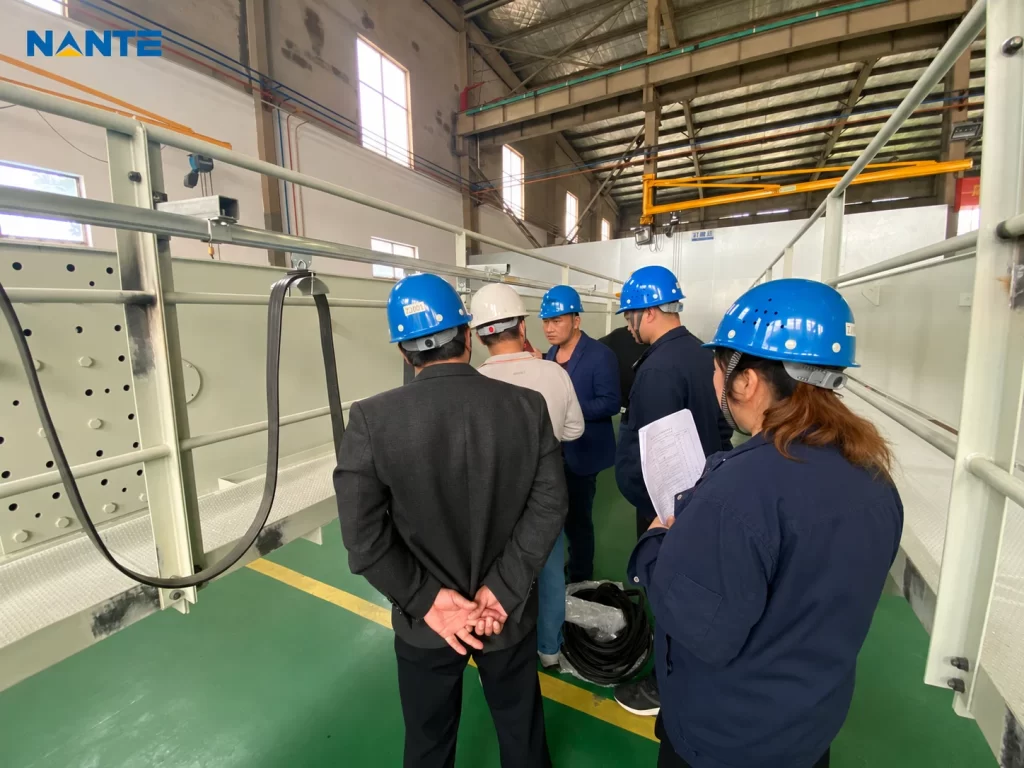
Agree on what the factory can demonstrate and what the commissioning team must verify after installation. A factory test can document equipment functions. On-site checks establish whether the installed crane works with the actual runway, power supply, clearances, and site controls. Record outstanding items and assign responsibility for resolving them before releasing the crane for production.
Frequently Asked Questions
Does ISO 12480-5:2026 replace ISO 12480-1?
The two parts are intended to be used together. ISO 12480-1 provides general safe-use practices, and Part 5 addresses the application to bridge and gantry cranes. Review both when specifying safe-use provisions for a covered crane.
Does publication require existing cranes to be retrofitted?
A retrofit decision depends on the crane’s condition, intended use, applicable regulations, and any contract or owner requirements. Review those factors and the applicable clauses before deciding whether the site needs a procedural update, an engineering assessment, or an equipment change.
What evidence should buyers request for a claim of conformity?
Ask the supplier to identify the edition and applicable clauses and match each claim to an instruction, drawing, test record, or site procedure. Record any exceptions and identify obligations that the installer or employer must fulfill on site.
Request a Project-Specific Crane Proposal
For a new or replacement crane, include the required capacity, span, lifting height, operating frequency, indoor or outdoor conditions, project location, and standards under consideration. Nante Crane can use those inputs to review the equipment configuration and prepare a technical proposal with the scope of supply for quotation. To start the review, submit a crane project brief.