English


What Determines the Price of a Jib Crane?
What Determines the Price of a Jib Crane
Date: 2026-09-25 Share:
A jib crane price is determined by much more than the lifting capacity shown on a catalog page. The final budget depends on the complete lifting solution: structural design, arm length, lifting height, rotation, mounting method, hoist, motorization, controls, foundation, installation, testing, and delivery scope.
For purchasing teams preparing a budget before submitting an RFQ, the most useful approach is to separate the main jib crane cost factors and define the required scope before comparing quotations. A lower initial price may exclude the foundation, electrical work, commissioning, or a suitable duty rating.
The Main Jib Crane Cost Factors
Rated Capacity and Load Spectrum
Capacity is usually the first specification discussed, but the rated load alone does not define the design. A crane lifting a near-maximum load several times per shift may require a different structure, hoist, brake, and duty classification from a crane handling a lighter load occasionally.
The purchasing brief should identify:
- Maximum working load, including lifting accessories
- Typical load and maximum load frequency
- Load dimensions and center of gravity
- Required lifting points and hook approach
- Indoor, outdoor, corrosive, dusty, or high-temperature conditions
A higher capacity normally increases the size of the column, base plate, welds, bearings, hoist, and foundation. It can also increase transport and installation requirements.
Arm Length, Working Radius, and Structural Deflection
The jib arm, or boom, determines the working radius. A longer arm covers a larger area, but it also creates a higher bending moment at the column or wall connection. That can require heavier steel sections, stronger anchoring, and a larger reinforced-concrete foundation.
Price comparisons should distinguish between:
- Nominal arm length
- Usable hook radius
- Required clearances from columns, walls, machinery, and walkways
- Deflection limits under load
- Manual or powered arm travel
A short arm may appear less expensive, but an undersized working radius can force the project owner to purchase additional lifting equipment later. The correct comparison is the cost of achieving the required coverage, not simply the cost of the shortest crane.
Lifting Height and Hook Approach
Lifting height affects the mast or wall bracket arrangement, hoist travel, wire rope or chain length, and the available headroom. The required hook height should be measured from the floor to the highest lifting point, not just from the floor to the top of the crane.
Important inputs include:
- Maximum hook height
- Minimum hook height
- Obstructions below the roof
- Required top clearance
- Hook approach to the end of the arm
- Load transfer height between workstations
Additional lifting height may require a taller column or a different hoist arrangement. If the building has limited headroom, a low-headroom hoist may be appropriate, but it can change the equipment cost and maintenance access.
Jib Crane Price Factors by Configuration
Rotation Range and Operating Method
Rotation can be manual, mechanically assisted, or fully powered. A manual jib may be suitable for light loads and short arms, while powered rotation is more common when the arm is long, the load is heavy, or operators need repeatable positioning.
The quotation should state whether the crane provides:
- Partial rotation, such as a defined working angle
- Full 360-degree rotation
- Manual push rotation
- Electric slewing
- Variable-speed or controlled positioning
- Mechanical stops or restricted operating zones
A larger rotation envelope may increase the swept area and require additional safety controls. In facilities with multiple cranes or nearby equipment, restricted rotation can sometimes reduce structural and control costs.
Mounting Type
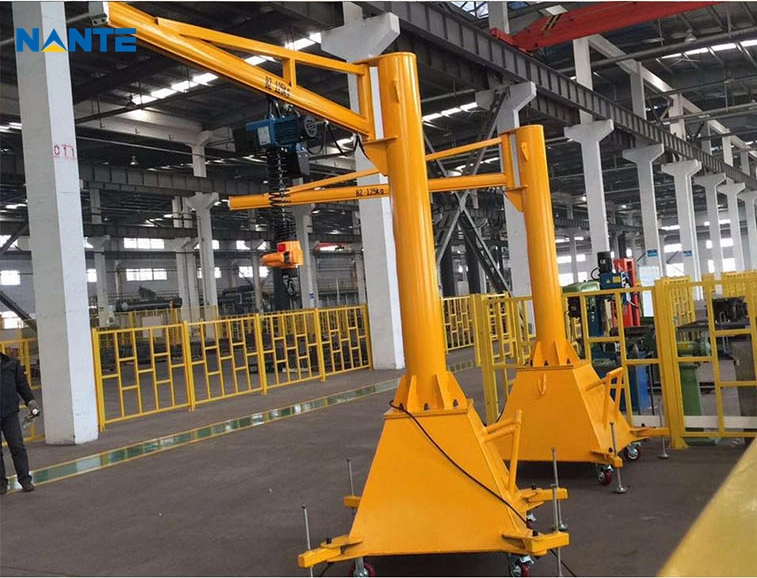
Mounting type is one of the most important jib crane price factors because it changes both the steelwork and the installation method. Common options include free-standing, wall-mounted, wall-travelling, and movable designs.
A free-standing jib crane generally requires a dedicated foundation or a verified structural base. The cost may include excavation, reinforcement, anchor bolts, grout, concrete curing time, and civil engineering coordination.
A wall-mounted crane can reduce floor work, but the supporting wall or column must be checked for load, stiffness, connection strength, and local reinforcement. If the existing structure cannot carry the moment, additional steelwork may remove the expected saving.
A wall-travelling jib crane adds travel rails, end stops, drive equipment, collectors, and structural interfaces. A movable jib can reduce permanent civil work, but its wheels, chassis, stability, and floor condition become part of the cost review.
Foundation and Building Interface
Foundation requirements are often excluded from an early budget, even though they can materially affect total project cost. The design may require a new concrete block, chemical anchors, embedded plates, or reinforcement of an existing slab.
Before requesting a jib crane quotation, the project owner should provide:
- Available floor thickness and concrete strength
- Soil or slab information where a new foundation is planned
- Existing columns, beams, and wall details
- Anchor layout restrictions
- Nearby pits, drains, cables, and underground services
- Installation access for lifting and drilling equipment
A supplier may be able to provide foundation loads and anchor reactions, but the final civil design may require review by a qualified local engineer. Comparing quotations without normalizing this interface can produce an inaccurate budget.
Hoist, Motorization, and Controls
Hoist Selection
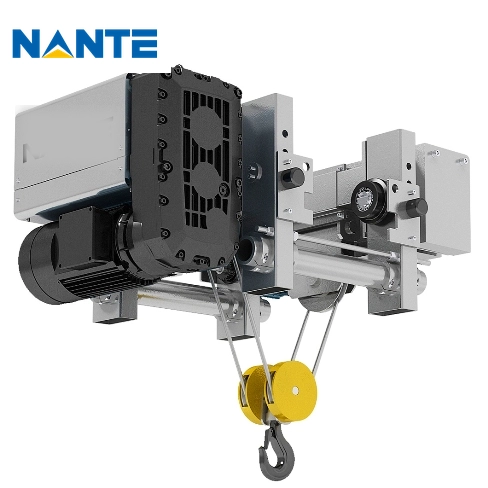
The hoist is a major part of jib crane cost. A Jib Crane Hoist may use wire rope or another lifting medium depending on capacity, height, duty, speed, and maintenance preferences.
The quotation should identify:
- Rated capacity and safety functions
- Lifting speed and optional dual speed
- Lifting height
- Duty classification or expected operating cycle
- Brake arrangement
- Pendant, radio, or integrated control
- Hook type and below-hook accessories
- Power supply and enclosure requirements
A basic hoist may reduce the purchase price but fail to meet the required cycle, positioning accuracy, or environmental protection. The most useful comparison lists the complete hoist specification instead of using only a generic term such as “electric hoist.”
Motor, Slewing Drive, and Electrical Scope
Powered rotation and powered travel add motors, gearboxes, brakes, control panels, cabling, limit switches, and commissioning work. A Crane Motor or drive package should be assessed against the actual movement requirements, not selected only by motor power.
Electrical cost can include:
- Main isolator and protection
- Festoon, cable reel, or trailing cable
- Variable-frequency drive
- Pendant or radio remote
- Emergency stop circuit
- Limit switches and overload protection
- Control-panel enclosure rating
- Site connection and testing
A quotation should clearly separate crane-supplied electrical equipment from building-supplied power distribution. This prevents unexpected costs after delivery.
What a Complete Jib Crane Quotation Should Include
Normalize the Scope Before Comparing Prices
A useful jib crane quotation should state what is included and excluded. Procurement teams can use the following checklist:
- Crane type, capacity, arm length, and rotation
- Hook height, lifting height, and hook approach
- Hoist model, duty, speed, and controls
- Structural calculations and fabrication drawings
- Foundation loads, anchor bolts, and civil-work responsibilities
- Electrical components and site power requirements
- Factory inspection, load testing, and documentation
- Packing, freight, insurance, and delivery terms
- Installation, alignment, commissioning, and operator training
- Warranty, spare parts, maintenance support, and change-order terms
This structure makes it easier to compare a low equipment-only price with a higher quotation that includes engineering, testing, installation, and documentation.
Engineering and Compliance Documentation
The price may include design calculations, welding and inspection records, material certificates, manuals, load-test records, and electrical drawings. The exact document set depends on the destination, application, and contract requirements.
A purchasing team should request confirmation of:
- Applicable local regulations and standards
- Inspection and testing responsibilities
- Load-test procedure and acceptance criteria
- Documentation language
- Certificate scope and issuing organization
- Responsibility for site permits and final approval
Management-system certification should not be treated as a substitute for product-specific design verification or inspection records. The quotation should identify the evidence supplied with the actual crane.
How to Estimate Jib Crane Cost Before an RFQ
Build a Budgetary Specification
A preliminary budget becomes more reliable when the project owner records the following information:
- Capacity and load spectrum
- Arm length and required coverage
- Hook height and clearances
- Rotation angle and operating method
- Mounting type
- Hoist type and speed
- Manual or powered slewing
- Indoor or outdoor environment
- Foundation and building conditions
- Delivery location and installation access
- Required testing, training, and spare parts
This information allows suppliers to identify missing assumptions before issuing a budgetary figure. It also reduces the risk that a quotation changes substantially after drawings or site data are reviewed.
Understand Total Cost of Ownership
The lowest jib crane cost is not always the lowest project cost. Buyers should consider energy use, brake and rope replacement, inspection access, spare-part availability, downtime, and the cost of future modifications.
A robust evaluation may compare:
- Purchase price
- Civil and electrical work
- Installation and commissioning
- Inspection and statutory approval
- Preventive maintenance
- Critical spare parts
- Expected downtime
- Operator training
- Future capacity or coverage needs
From the midpoint of the procurement process, a supplier’s engineering depth and documentation quality become as important as the initial number. Nante Crane presents jib crane solutions that can be reviewed against the project’s capacity, layout, and installation requirements.
Requesting a Project-Specific Jib Crane Price
Information to Include in the RFQ
A strong RFQ should include a layout or sketch showing the crane location, required working envelope, nearby structures, and material-flow path. Photographs of the installation area can help clarify access, obstructions, and existing supports.
The inquiry package should also state:
- Delivery destination
- Required commissioning date
- Operating hours and expected lifting cycles
- Environmental conditions
- Available voltage and frequency
- Preferred controls
- Foundation or structural information
- Required documents and inspection scope
- Installation and training expectations
When several suppliers receive the same information, the returned prices are easier to compare and the technical exclusions are more visible.
A Practical Decision Rule
A sound purchasing decision balances four questions:
- Does the crane safely cover the required lifting area?
- Does the hoist and drive package match the operating cycle?
- Are foundation, electrical, testing, and installation scopes clear?
- Can the supplier provide the documentation and support required at the destination?
The answers help distinguish a realistic project budget from an attractive but incomplete equipment price.
FAQs About Jib Crane Price
How much does a jib crane cost?
Jib crane cost depends on capacity, arm length, lifting height, rotation, mounting type, hoist, motorization, foundation, installation, testing, freight, and local compliance requirements. A reliable budgetary price requires a clearly defined quotation scope.
What factors affect jib crane price the most?
Capacity, arm length, mounting type, hoist selection, and foundation requirements usually have the greatest effect on price. Higher capacity and longer reach may require heavier steelwork, stronger anchoring, a larger hoist, and additional structural reinforcement.
Is a wall-mounted jib crane cheaper than a free-standing model?
A wall-mounted jib crane may reduce foundation work, but the supporting wall or column must be strong enough for the applied loads and bending moment. Reinforcement or additional structural steel can increase the total project cost. The more economical option depends on the existing building structure.
What information is needed for a jib crane quotation?
A supplier normally needs the required capacity, arm length or working radius, lifting height, hook approach, rotation range, mounting type, operating frequency, environment, power supply, layout, foundation or building information, delivery destination, and installation scope. These details allow suppliers to prepare a more comparable quotation.
Prepare a Comparable Jib Crane Quotation
For a project-specific review, submit capacity, arm length, hook height, rotation, mounting type, operating frequency, environment, power supply, layout, delivery location, and installation scope. The engineering team can then verify the main cost drivers and prepare a comparable technical and commercial response through the project quotation request.