English



How to Evaluate an Overhead Crane Manufacturer: A Complete Supplier Evaluation Checklist
How to Evaluate an Overhead Crane Manufacturer: A Complete Supplier Evaluation Checklist
Date: 2026-08-27 Share:
Choosing an overhead crane company is a strategic decision, not one which should be based only on cost. If you are looking for information on assessing an overhead crane company, consider factors such as engineering, manufacturing, quality control, testing, regulatory compliance, experience, customization, and life-cycle support. The following overhead crane company checklist will help buyers compare companies when making a purchase decision.
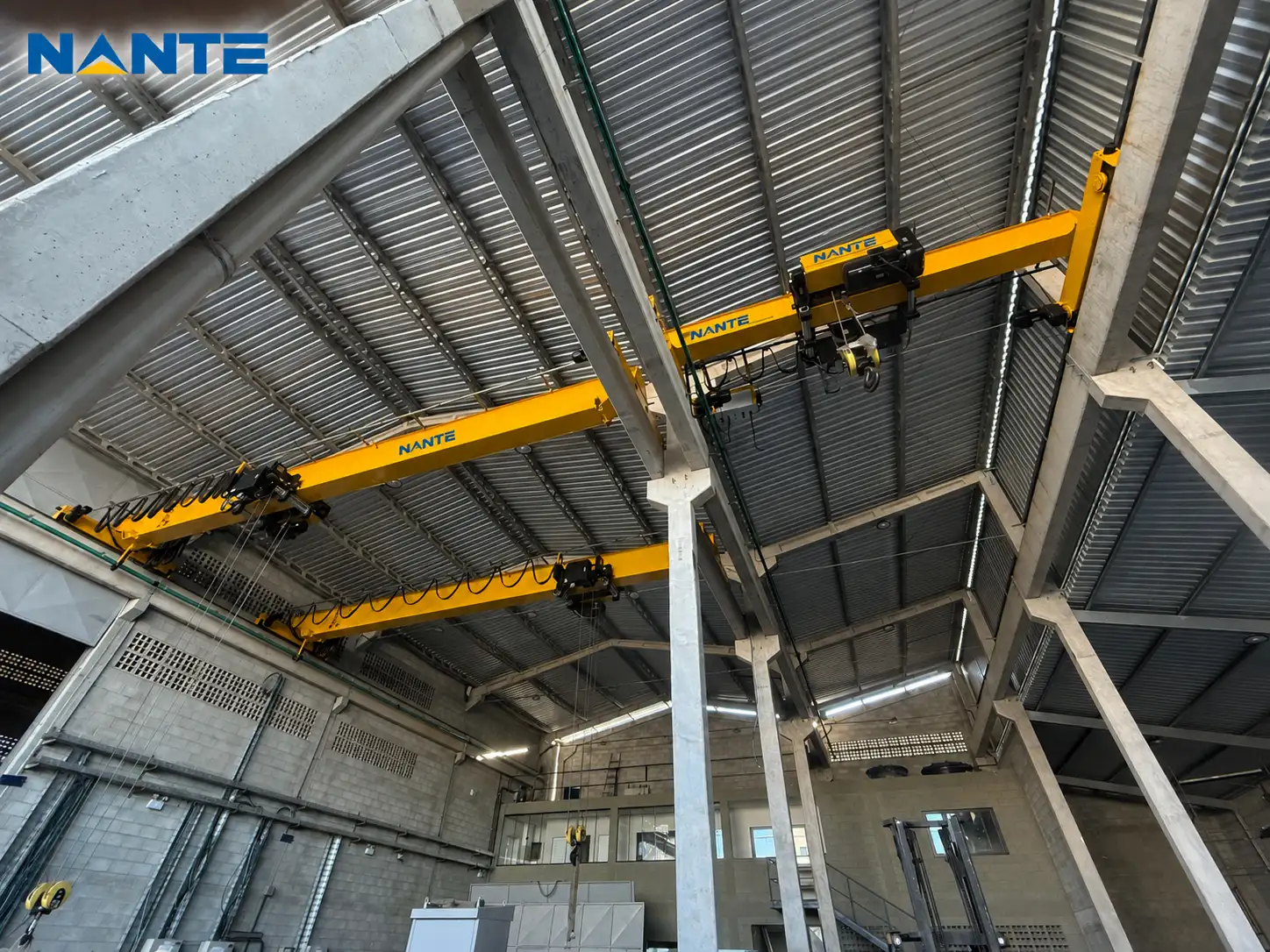
Why Choosing the Right Overhead Crane Manufacturer Matters
Two cranes with identical capacities and spans can differ in terms of design, duty rating, controls, maintainability, documentation, and support. Look at the issues of safety, reliability, durability, and overall cost rather than price only.
Step 1 — Define Your Crane Requirements Before Evaluating Manufacturers
Establish the Basic Crane Parameters
Provide rated capacity, span, lifting height, runway length, headroom, power supply, control method, speeds, hook approach, and indoor/outdoor conditions.
Define Duty and Operating Conditions
Provide operating times, lifts per hour, percent lifts at or near full load, initial frequency, duty type, estimated operating life, and environment considerations such as heat, dust, moisture, corrosion, and low temperatures.
Step 2 — Evaluate Manufacturing Capability
Verify the Factory and Fabrication Process
Ask for the factory address, production flow, equipment list, factory video, and audit availability. Review material receiving, girder fabrication, welding, machining, dimensional inspection, painting, electrical assembly, and final assembly.
Check Welding, NDT, and Electrical Capability
Request welding procedures, welder qualifications, inspection methods, and NDT records where required. For electrical systems, check panel engineering, emergency stops, limit switches, overload protection, interlocks, variable-speed control, and functional testing.
Step 3 — Evaluate the Engineering Team
Check Application Engineering Capability
Factors to be taken into account by the engineering group are duty classification, wheel loading, girder arrangement, hook coverage, runway connection, lifting mechanism, motor and brake sizing, maintenance issues, and any site limitations.
Request sample drawings, wheel loading information, calculations, and electrical diagrams. These details should be explained by a competent vendor as well.
Step 4 — Verify Certifications and Applicable Standards
Check Quality Management and Project Compliance
ISO 9001 is a useful quality-management reference because it covers controlled operations, competence, documented information, performance evaluation, and continual improvement. A certificate alone, however, does not prove the quality of a specific crane. Verify its scope, validity, issuing body, and covered facility.
Also define the crane, electrical, structural, and local regulatory standards applicable to your project.
Step 5 — Audit the Quality Control System
Review Inspection and Traceability
Quality control should cover incoming materials, fabrication, assembly, electrical work, and final inspection. Ask how steel grades, dimensions, weld quality, wiring, and coatings are verified, and whether the finished crane is traceable to material, inspection, drawing, deviation, and test records.
Step 6 — Evaluate Testing and Factory Acceptance Test Capability
Review the FAT Procedure
ISO 4310:2009 specifies tests and inspections for verifying crane conformance with operational specifications and rated-load capability. A Factory Acceptance Test should review drawings, dimensions, hoisting, trolley and bridge travel, brakes, controls, limit switches, emergency stops, safety functions, and agreed performance requirements.
For U.S. workplaces where OSHA 29 CFR 1910.179 applies, the regulation also addresses operational testing of hoisting and lowering, trolley travel, bridge travel, limit switches, locking and safety devices, as well as rated-load testing and test records.
Ask which standard governs testing, how loads are measured, whether instruments are calibrated, whether third-party witnessing is allowed, and which records will be delivered.
Step 7 — Evaluate Relevant Project Experience
Look for Comparable Applications
Request projects with similar capacity, span, duty, environment, and control complexity. For international sourcing, also assess packaging, documentation, voltage requirements, installation support, and remote assistance.
Step 8 — Assess Customization and Application Engineering
Focus on Engineering-Based Customization
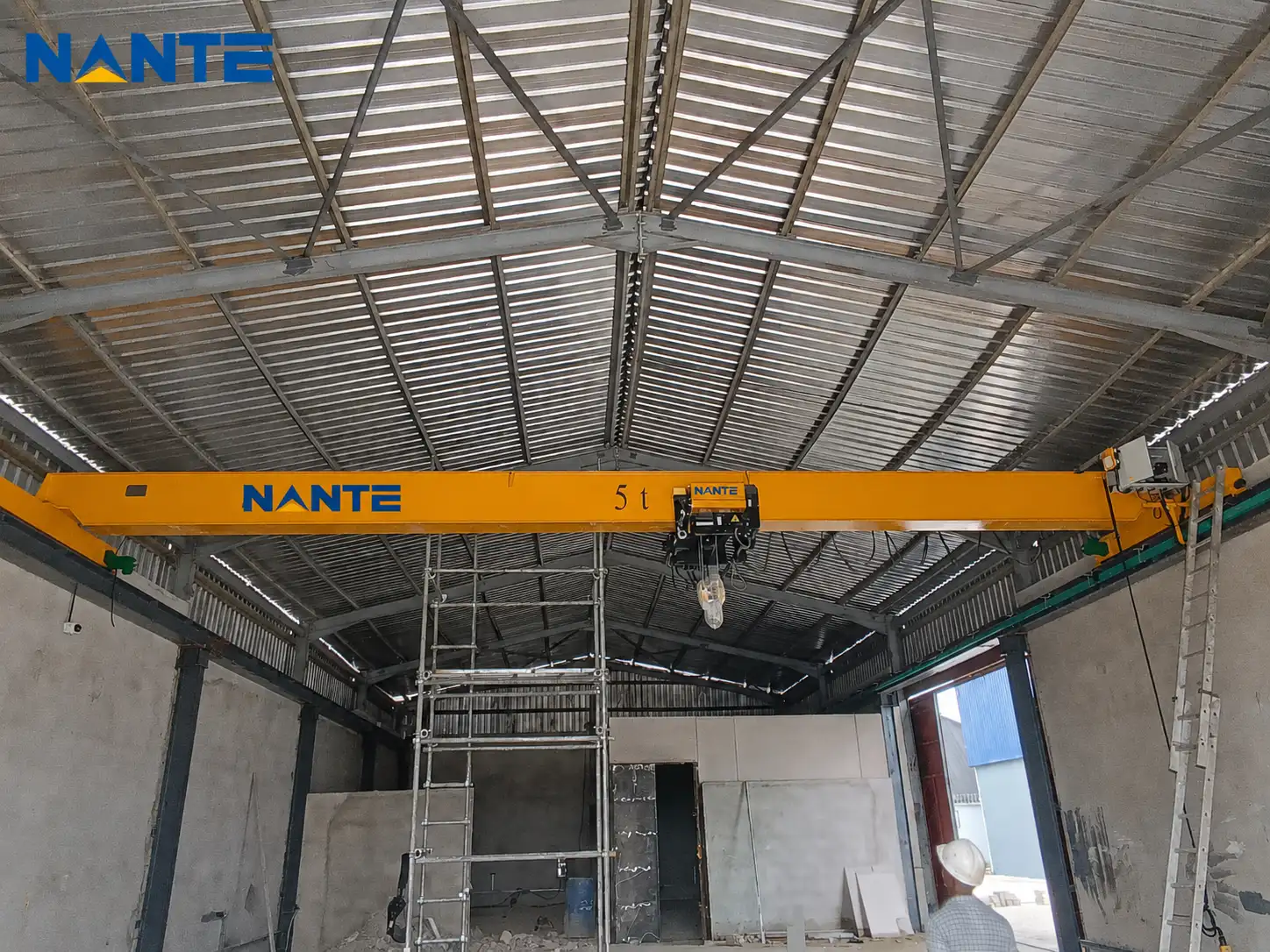
Customization features could be low headroom design, unique span, dual hoists, high lift height, high duty cycle, variable speed drive, limited hook approach, automation, anti sway, data acquisition, or environment protection. Make sure that modifications to the design are carried out in the design drawings, BOM, electrical diagrams, and test procedures.
Step 9 — Evaluate Critical Components and Maintainability
Review Mechanisms, Controls, and Service Access
Evaluate hoist, motor, gearbox, brake, rope, wheel, travel drive, control panel, safety equipment, and protective interlock system according to duty required. Maintenance accessibility shall also be checked since maintainability directly influences downtime and life cycle cost.
Step 10 — Evaluate After-Sales Service and Lifecycle Support
Confirm Support Before Ordering
Specify installation supervision, commissioning, training, technical support, spare parts availability, lead times, and warranty conditions. Make sure that the contract clearly defines the warranty scope and limitations.
Step 11 — Compare Total Cost, Not Just Crane Price
Calculate Total Cost of Ownership
Compare equivalent scopes: crane, hoist, electrical system, testing, freight, installation, commissioning, spare parts, and warranty. Then consider energy use, maintenance, downtime, and future replacement costs.
Step 12 — Review Commercial and Project Management Capability
Assess Proposal Quality and Project Control
A professional proposal must contain the following: specifications, standards, obligation, control, inclusion, exclusion, documentation, test and delivery schedule. The important milestones are Engineering, Drawing approval, Fabrication, FAT, Shipment, Installation, Commissioning.
Red Flags When Evaluating an Overhead Crane Manufacturer
Be on the lookout for red flags including quotations that are made without verifying the crane duty and operating environment, unknown manufacturing sources, certificates that cannot be verified, and poor quality traceability. The supplier should also be capable of providing FAT procedures, test results, electrical diagrams, and proof of comparable projects.
Unclear warranty terms, lack of spares support, or an abnormally low quotation without technical explanations should set off warning bells. Let facts speak louder than marketing rhetoric.
How to Choose a Crane Manufacturer Using a Weighted Evaluation Score
A practical crane supplier evaluation can assign the greatest weight to engineering capability, for example 20%, followed by manufacturing capability and quality control at 15% each. Certifications and compliance, testing and FAT, relevant experience, and after-sales service can each account for around 10%, while customization and commercial terms may each represent 5%.
Score every category from 1 to 5 and calculate the weighted result using: category score ÷ 5 × category weight. Critical safety and compliance requirements should remain mandatory pass/fail criteria rather than being offset by a higher commercial score
Overhead Crane Manufacturer Checklist: 25 Questions to Ask Before You Buy
Manufacturing Capability
- Where is the crane manufactured?
- Which processes are performed in-house?
- How are structural dimensions controlled?
- How are welders and procedures qualified?
- What NDT capability is available?
Engineering Capability
- Is there an in-house engineering team?
- How is duty classification determined?
- Can you provide wheel-load and structural calculations?
- Are drawings approved before production?
- How are engineering changes controlled?
Certifications and Quality
- Are certifications valid for this facility?
- Which standards will apply?
- How are materials traced?
- Which in-process inspections are performed?
- Which quality records are supplied?
Testing
- Is there a documented FAT?
- Which functions are tested?
- How is required load testing performed?
- Are measuring instruments calibrated?
- Can the buyer or an independent inspector witness testing?
Experience and Service
- Can you show comparable projects?
- What installation and commissioning support is available?
- How are spare parts supplied?
- What does the warranty cover?
- What is included and excluded from the price?
Crane Supplier Evaluation Documents You Should Request
Request the company profile, factory information, certification, reference, technical specification, general arrangement drawing, compliance matrix, quality plan, welding/NDT (Non-Destructive Testing) report if necessary, FAT process, electrical schematic drawing, manual, spare part list, warranty, and schedule.
Factory Audit Checklist for an Overhead Crane Manufacturer
What to Inspect
Inspect material storage, marking, processing, welding, machining, electrical assembly, painting, final assembly, and testing. Evaluate revision control, calibration, nonconformance procedures, inspection procedures, and FAT documentation.
Final Decision: What Makes a Reliable Overhead Crane Manufacturer?
Competent engineering, proper manufacturing control, compliance, quality traceability, test documentation, experience, maintainability, and reliable lifecycle support are some qualities that a good manufacturer must show.
The best supplier of all is the one who can prove to you that its engineering, manufacturing, testing, and support process meets your lifting requirements.
FAQ About Evaluating an Overhead Crane Manufacturer
How do I evaluate an overhead crane manufacturer?
Evaluate engineering, manufacturing, certifications, quality control, testing, experience, customization, and after-sales services based on the evidence provided.
What certifications should an overhead crane manufacturer have?
Depending on the project and destination market, different requirements will apply. Make sure that you check your quality management system and other related requirements for cranes.
What should I check during a crane factory audit?
Perform checks on fabrication, welding, traceability of materials, dimensioning, electrical assembly, quality documentation, calibration, testing facilities, and FAT capabilities.
What is a crane Factory Acceptance Test?
A FAT is a pre-shipment verification of the crane against approved specifications, drawings, operating requirements, safety functions, and agreed documentation.
Should I choose an overhead crane manufacturer based on price?
No. Compare technical compliance, reliability, support, and total cost of ownership alongside purchase price.
Evaluate Nante Crane for Your Overhead Crane Project
If you are evaluating an overhead crane manufacturer, share your capacity, span, lifting height, duty class, operating environment, and applicable standards with Nante Crane to request a project-specific technical proposal. Contact Nante Crane at sales@nantecrane.com or submit your requirements through the Contact Us form to discuss engineering, FAT, quality documentation, and after-sales support.