English



How Ambient Temperature Affects Crane Motor Life
Date: 2026-07-16 Share:
A crane motor works under repeated lifting, travelling, braking, and start-stop cycles. When ambient temperature changes, crane motor temperature changes with it. A high temperature crane motor has less cooling margin, faster insulation aging, and higher motor overheating risk. A low temperature crane motor may face stiff lubrication, difficult startup, condensation, and reduced mechanical flexibility. For engineers, the key is not only motor power, but also insulation class F, insulation class H, temperature rise, lubricant selection, duty cycle, and maintenance planning for the complete crane hoisting mechanism.
Why Ambient Temperature Matters for Crane Motor Performance
Ambient temperature is the air temperature around the motor. Temperature rise is the extra heat produced by electrical loss, mechanical friction, braking, and load. The actual winding temperature is the combination of ambient temperature, temperature rise, and local hot spots. IEC-based guidance commonly treats 40°C as a standard maximum ambient reference for many motor ratings, so hotter sites reduce the available thermal margin.
Crane Motor Temperature Is More Than Surface Heat
A motor frame can be hot while still remaining within design limits for winding temperature. Conversely, blocked ventilation, heavy dust accumulation, brake drag, etc. can create very localized hot spots causing the surface temperature to rise before overall temperature starts to look alarming. For this reason, temperature of crane motors must be evaluated with knowledge of load current, duty cycle, bearing condition, ventilation, and insulation condition etc., and cannot be solely determined by feel of touch.
Temperature Stress in Crane Applications
Cranes are used in a variety of industries including steel processing, outdoor storage, cold storage, logistics, shipbuilding, mining and advanced manufacturing. Nante Crane supplies cranes to more than 20 industries and various models of cranes and hoists including overhead cranes, gantry cranes, construction cranes, workstation cranes, offshore cranes, electric hoists, traveling units, power supply units and crane control panels.
How High Temperature Crane Motor Conditions Reduce Motor Life
A high temperature crane motor operates with less room to dissipate heat. If the same load is lifted in a hotter workshop, the motor starts closer to its thermal limit before it even begins running.
High Ambient Temperature Accelerates Insulation Aging
Winding insulation has a finite thermal life. A common engineering rule says insulation life approximately halves for every 10°C increase above rated temperature, and doubles for every 10°C reduction below it. This is why small temperature increases can have a large effect on crane motor life, especially in frequent-duty lifting.
Insulation Class F and Insulation Class H
Insulation class F is commonly rated to 155°C, while insulation class H is commonly rated to 180°C. Class H gives higher thermal capability, but it should not be used as permission to run the motor hotter all the time. The practical goal is thermal margin: enough distance between actual winding temperature and the insulation limit to protect long-term life.
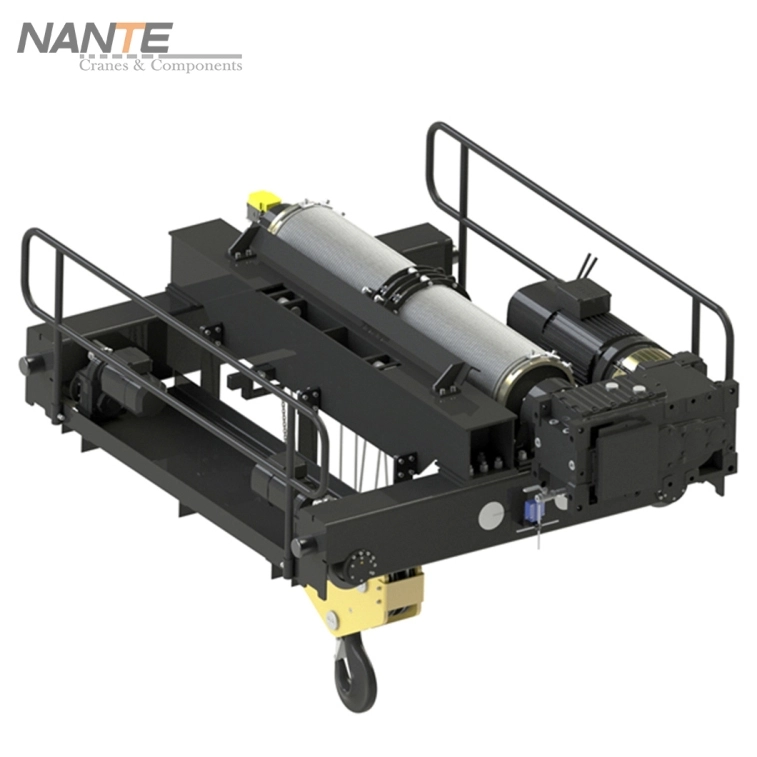
For severe heat, engineers should check ambient temperature, temperature rise, service factor, number of starts per hour, enclosure, cooling method, and load cycle, especially when selecting a high-duty NWA Series Open Winch. A higher insulation class may help, but poor ventilation or wrong duty selection can still cause motor overheating.
Lubrication Breakdown at High Temperature
Heat also attacks bearings. At elevated temperature, grease life is limited by oxidation and oil loss; when grease loses stability, bearing friction rises and creates more heat. This feedback loop can lead to noise, vibration, current increase, and unplanned shutdown.
How Low Temperature Crane Motor Conditions Affect Reliability
A low temperature crane motor does not usually age insulation as quickly as a hot motor, but cold creates mechanical and moisture-related risks.
Low Temperature Motor Startup Problems
In low temperature motor operation, grease can become stiffer and the oil inside the grease may move less freely. This increases starting resistance, bearing torque, and startup current. Technical guidance on grease life notes that low temperature can increase grease stiffness and reduce oil mobility, shortening bearing life.
Condensation and Insulation Resistance
Cold motors can collect moisture when ambient temperature cycles above and below the dew point. Moisture inside the enclosure may affect bearings and electrical parts. Anti-condensation heaters are used to keep the motor cavity warm and dry when the motor is not running, helping prevent corrosion and insulation problems.
Insulation Class, Temperature Rise, and Duty Cycle
Motor selection should not rely on insulation class alone. Duty cycle matters because cranes rarely behave like simple continuous-duty machines. Motor duty cycles include starting, running, braking, changing load, and resting; periodic duty cycles may repeat before the motor reaches full thermal equilibrium.
What Engineers Should Check
Before selecting or replacing a crane motor, confirm:
- Maximum and minimum ambient temperature.
- Load spectrum and lifting frequency.
- Starts per hour and braking frequency.
- Insulation class F or insulation class H requirement.
- Temperature rise and cooling method.
- Lubricant grade for hot or cold operation.
- Condensation protection for cold or humid sites.
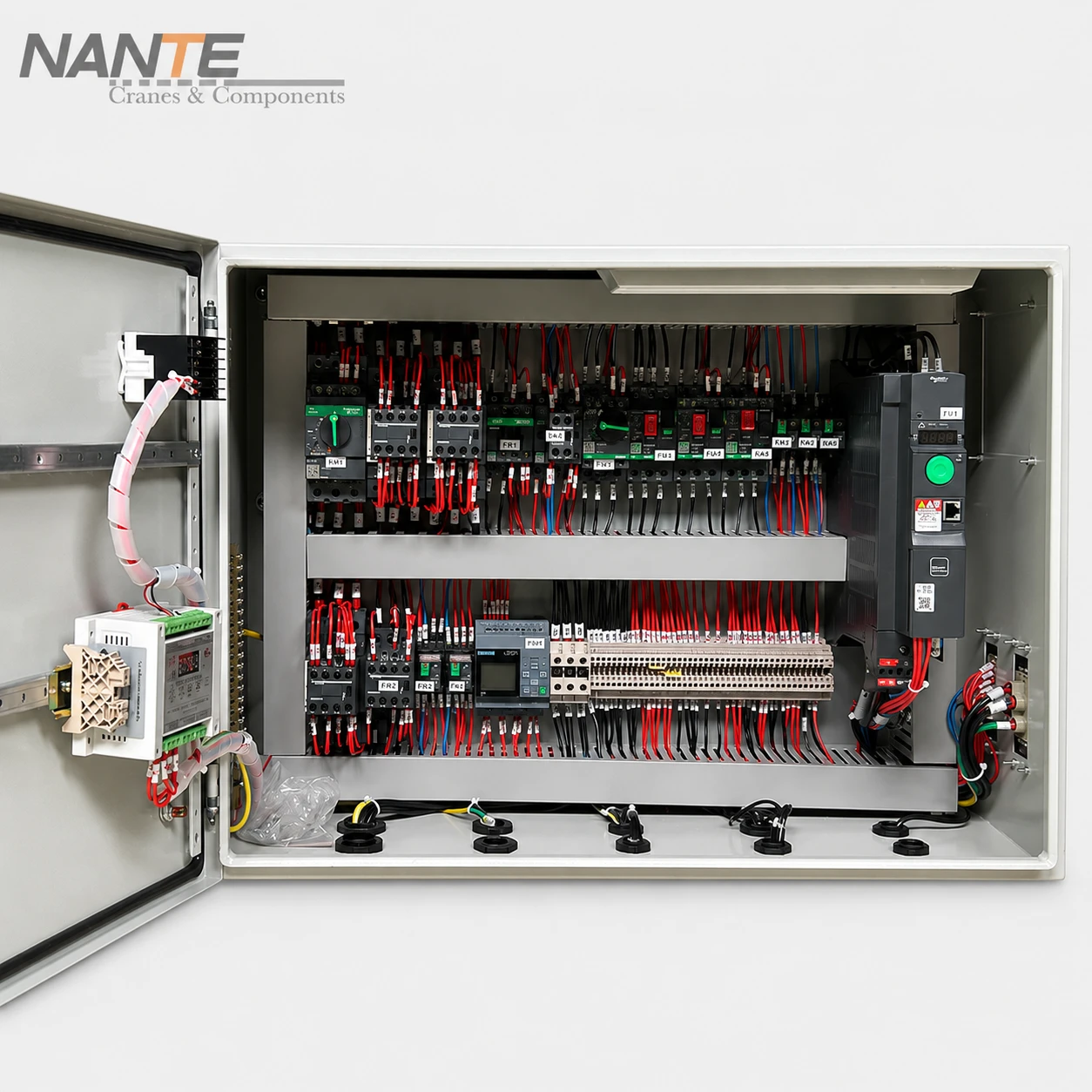
- Control panel enclosure and heat dissipation.
How to Prevent Motor Overheating and Temperature-Related Failure
Most temperature problems start gradually and there are many common checks that can be completed to determine if there is a problem, including checking for open paths of ventilation, checking the rating of the ambient environment where the unit is located, checking the operational duty of the unit, checking the current draw of the unit, checking the input voltage to the unit, checking the motor sizing for adequate horsepower, and cleaning all cooling surfaces to remove any blockage of air.
Maintenance Recommendations
For sites operating at high temperatures or low temperatures, shorten the normal inspection frequency. Clean dirt from cooling fins, remove any dust from fans, check brake clearance, listen for any bearing noise, record the running current, check the grease condition and measure the insulation resistance. Thermal trips must be investigated – simply resetting them is not acceptable. Possible causes for repeated thermal trips are: overload, poor cooling, brake drag, voltage imbalance or bearing wear.
FAQ
What is a safe crane motor temperature?
There is no universal surface temperature. The safe limit depends on insulation class, ambient temperature, temperature rise, duty cycle, bearing design, and the motor nameplate.
Is insulation class H always better than insulation class F?
No. Insulation class H has a higher temperature rating, but insulation class F may be sufficient when the temperature rise, ambient condition, and duty cycle are properly controlled.
Can low temperature damage a crane motor?
Yes, indirectly. Cold can stiffen grease, increase starting current, reduce seal flexibility, encourage condensation, and lower insulation resistance.
Nante Crane provides lifting equipment and crane components for diverse industrial applications, including overhead cranes, gantry cranes, construction cranes, workstation and offshore cranes, hoisting mechanisms, travelling mechanisms, mobile power supply systems, and crane control panels. Its crane control panel options support hoisting, long travel, and whole-crane control, with intelligent electrical services such as anti-sway, automation, IoT, and data logging. For high temperature crane motor or low temperature crane motor projects, contact Nante Crane to discuss operating environment, duty cycle, control design, and component selection.