English


Long Travel Power Supply Systems for Large Overhead Cranes Methods Selection Criteria and Engineering Tips
Long Travel Power Supply Systems for Large Overhead Cranes Methods Selection Criteria and Engineering Tips
Date: 2026-06-26 Share:
Large-scale material handling operations depend heavily on stable and continuous electrical transmission. Long Travel Power Supply Systems are critical for ensuring uninterrupted operation of overhead cranes across long runway distances. For engineers designing modern lifting systems, understanding overhead crane power supply systems and selecting the right long travel conductor rail systems is essential for performance, safety, and lifecycle efficiency.
This guide explains long travel power requirements, compares major electrification methods, and provides structured selection criteria for crane electrification solutions used in large-span industrial environments.
Long-Travel Power Requirements for Large Overhead Cranes
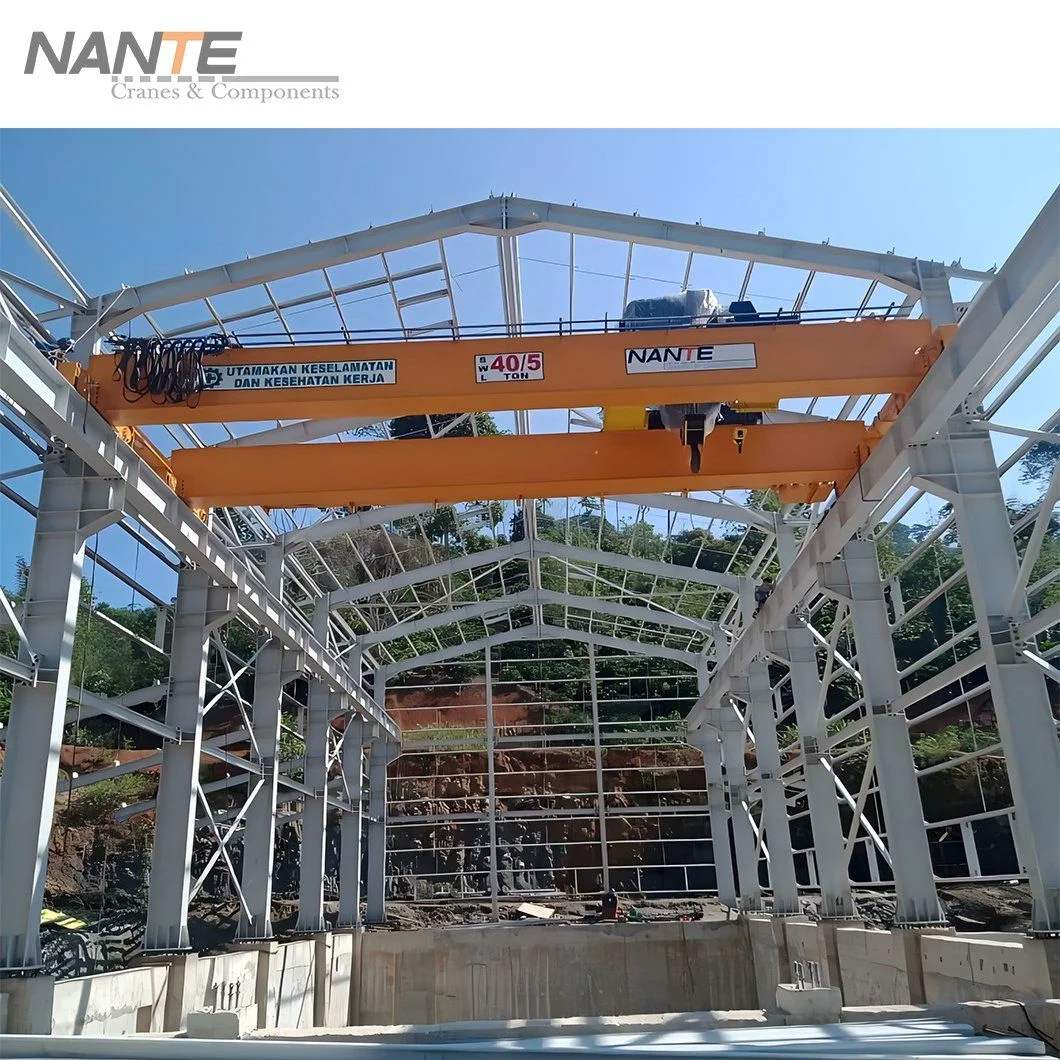
Large overhead cranes require significantly more complex electrical distribution compared to compact lifting systems. As runway length increases, electrical resistance, mechanical stress, and voltage drop become more critical design factors.
Continuous Power Delivery Across Long Distances
Long travel systems must maintain stable power delivery while the crane moves along the runway. This includes:
- Main hoist motor supply
- Long travel and cross travel motors
- Control circuits and sensors
- Brake systems and safety devices
- Auxiliary equipment and lighting
Any interruption in power transfer can cause operational downtime or unsafe crane behavior.
Power Supply for Large-Span Cranes
In large-span installations, engineers must consider:
- Extended runway lengths
- High current demand from heavy loads
- Simultaneous multi-axis motion
- High-duty cycle operation
- Structural expansion in industrial buildings
These conditions require robust crane electrical distribution systems designed for continuous industrial use.
Voltage Drop in Crane Power Systems
Voltage drop is one of the most critical challenges in long travel crane electrification. It occurs when electrical resistance increases over distance, reducing available voltage at the load end.
Effects include:
- Reduced motor torque
- Slow acceleration
- Brake malfunction
- VFD instability
- Overheating of components
To minimize voltage drop, engineers often:
- Increase conductor cross-section
- Use center-fed systems
- Reduce cable length
- Apply multiple feed points
Accurate calculation must always be based on the crane’s farthest operating position.
Main Power Supply Methods for Long Travel Cranes
Industrial crane electrification typically relies on four main technologies: conductor rail, festoon systems, cable reels, and High Tro Reel systems. Each method is optimized for different operating conditions.
Long Travel Conductor Rail Systems
Long travel conductor rail systems use rigid insulated rails installed along the crane runway. A moving collector transfers power continuously from the rail to the crane.
Key features include:
- Fixed aluminum or copper conductors
- Sliding current collectors
- Insulated housing system
- Expansion joints for thermal movement
- Continuous power transmission
Advantages:
- Stable and uninterrupted power supply
- Suitable for long runway operations
- Compact installation compared to cable systems
- High durability in heavy-duty environments
Limitations:
- Requires precise alignment
- Higher installation accuracy needed
- Collector maintenance required over time
Conductor rails are widely used in high-frequency overhead crane applications where reliability is critical.
Festoon System
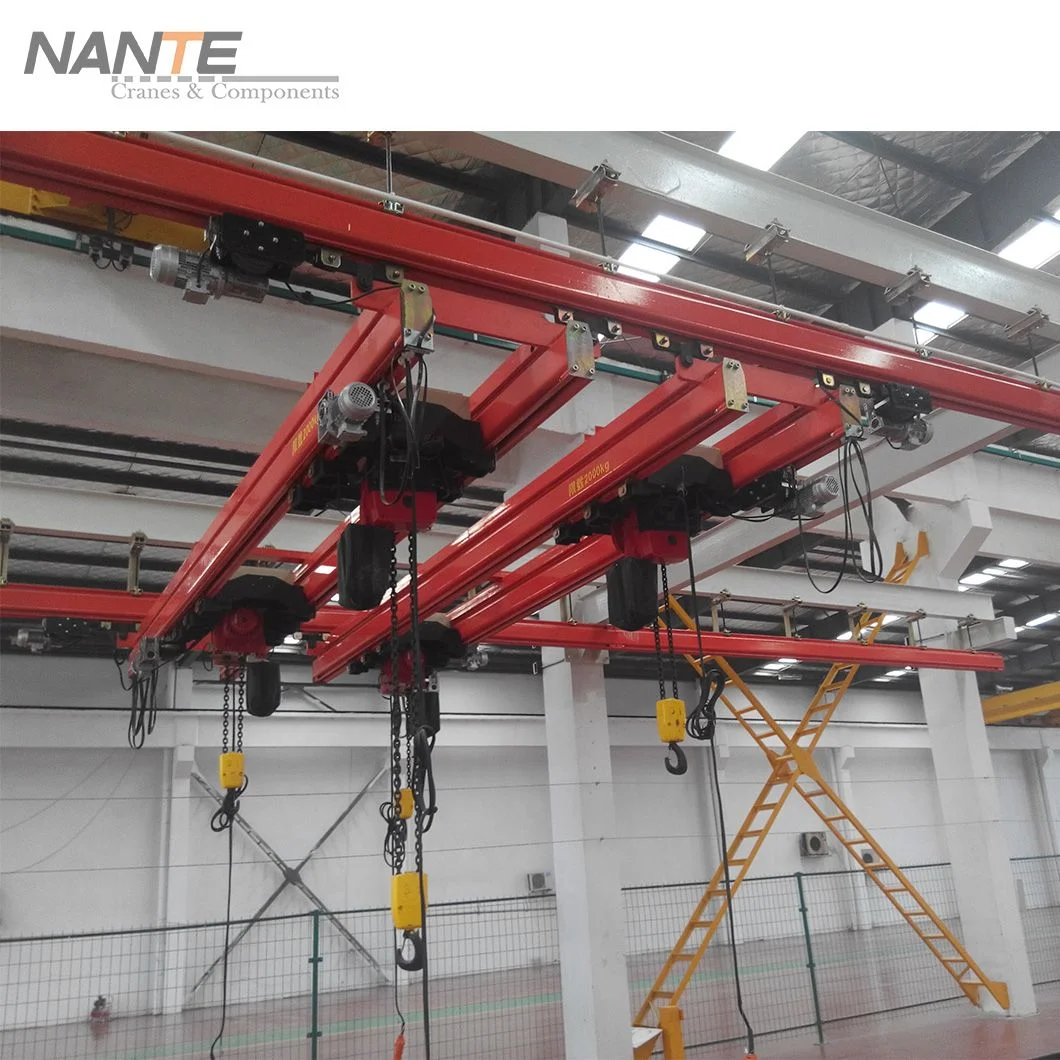
A festoon system delivers power through cables suspended on trolleys moving along a track system.
Typical structure includes:
- Flat or round cables
- Cable trolleys
- C-track or I-beam support
- End clamps and junction boxes
Advantages:
- Flexible installation
- Easy maintenance and inspection
- Cost-effective for medium travel distances
Limitations:
- Cable sag and stacking limitations (“festoon stack-up”)
- Mechanical wear over time
- Requires additional space for cable loops
Festoon systems are commonly used for trolley travel or medium-duty crane operations where flexibility is more important than long-distance efficiency.
Cable Reel System
Cable reel systems use a winding drum that stores and releases power cables as the crane moves.
Key components:
- Motorized or spring-driven reel
- Control cable or power cable
- Guide rollers
- Slip ring or terminal connection
Advantages:
- Organized cable management
- Suitable for outdoor and gantry crane systems
- Good for long travel distances where rail installation is impractical
Limitations:
- Mechanical wear in reel mechanism
- Cable tension must be carefully controlled
- Higher maintenance requirements
Cable reels are widely used in yard cranes and mobile lifting systems.
High Tro Reel System
The High Tro Reel system is a compact enclosed conductor solution designed for smooth and continuous power transfer.
Characteristics include:
- Insulated compact rail design
- Copper contact conductor system
- Lightweight structure
- Suitable for curved or complex layouts
Advantages:
- Stable current transfer
- Compact installation footprint
- Suitable for long or curved travel paths
Limitations:
- Lower current capacity compared to heavy conductor rails
- Application-specific design requirements
This system is often used in specialized industrial environments where space efficiency and smooth movement are required.
Hybrid Crane Electrification Solutions
Modern crane systems frequently combine multiple electrification methods:
- Conductor rail for long travel
- Festoon system for trolley movement
- Cable reel for outdoor gantry applications
- Energy chains for controlled motion paths
- Integrated crane control panels for system coordination
Hybrid designs improve flexibility and reduce mechanical stress on any single system.
Comparison Table: Conductor Rail vs Festoon System vs Cable Reel vs High Tro Reel
| Power Supply Method | Best For | Main Advantages | Main Limitations | Engineering Considerations |
|---|---|---|---|---|
| Conductor Rail | Long-span overhead cranes | Continuous power, high durability | Requires precise installation | Alignment, expansion, collector wear |
| Festoon System | Medium travel cranes | Flexible, low cost | Cable sag, space requirements | Loop length, cable wear |
| Cable Reel | Gantry & outdoor cranes | Good cable management | Mechanical wear, tension control | Reel sizing, cable fatigue |
| High Tro Reel | Compact industrial layouts | Stable transfer, compact | Limited current range | Layout compatibility |
Selection should always be based on life-cycle cost, not only installation price.
Selection Criteria for Crane Electrification Solutions
1. Travel Distance and Span
Long travel distance strongly influences system selection:
- Short distance → Festoon system
- Medium distance → Hybrid or festoon/rail
- Long distance → Conductor rail or cable reel
2. Current Demand and Duty Cycle
High-duty cranes require systems that can handle:
- High starting current
- Continuous operation cycles
- Simultaneous motor loads
- Thermal stability
3. Installation Space and Headroom
Space limitations often determine feasibility:
- Festoon systems require loop space
- Cable reels require drum clearance
- Conductor rails require straight alignment
4. Environmental Conditions
Outdoor systems must consider:
- Corrosion resistance
- UV exposure
- Dust and moisture protection
- Temperature variation
5. Maintenance Strategy
Engineers must evaluate:
- Collector wear
- Cable fatigue
- Rail alignment
- Reel tension stability
6. Safety Requirements
Systems must ensure:
- Proper grounding
- Emergency isolation
- Overload protection
- Safe maintenance access
Engineering Checklist Before Final Selection
Project Data Required
- Crane type and capacity
- Span and runway length
- Operating speed
- Duty class
- Environmental conditions
- Number of cranes per runway
Electrical Calculations
- Total load current
- Voltage drop analysis
- Short-circuit protection
- Cable sizing
- Heat dissipation
Mechanical Layout Review
- Rail support spacing
- Cable routing path
- Collector travel clearance
- Maintenance access zones
Control System Integration
Modern cranes integrate power supply with:
- Control panels
- VFD drives
- Brake systems
- Safety limit switches
- Remote control systems
Common Mistakes in Long Travel Power Design
Treating Power Supply as Secondary Design
Electrical systems must be designed alongside crane structure, not after mechanical layout is finalized.
Ignoring Voltage Drop
Undersized conductors lead to performance loss and system instability.
Underestimating Festoon Space Requirements
Insufficient loop space can limit crane travel range.
Incorrect Cable Reel Selection
Wrong tension or drum sizing causes premature cable failure.
Focusing Only on Initial Cost
Lifecycle cost includes maintenance, downtime, and replacement cycles.
FAQ
What is a long travel power supply system?
It is an electrical system that delivers power to a moving overhead crane across long runway distances.
Which system is best for long-span cranes?
Conductor rail systems are commonly used due to their stability and continuous power transmission.
What causes voltage drop in crane systems?
Long conductor length and high current demand increase resistance, reducing voltage at the load.
Can multiple systems be combined?
Yes, hybrid configurations are widely used in modern crane electrification.
Nante Crane provides integrated crane engineering solutions including overhead cranes, gantry cranes, crane control panels, and mobile power supply systems such as conductor rail systems, festoon systems, cable reels, and High Tro Reel solutions. With a complete product range for industrial lifting applications, Nante supports customized long travel power supply design based on runway length, duty cycle, and working environment to ensure safe and efficient crane operation. Contact us today to discuss your project requirements and get professional technical support for your crane power supply system.