English


Overhead Crane Electrical Problems: Common Failures, Troubleshooting, and Prevention
Overhead Crane Electrical Problems Common Failures, Troubleshooting, and Prevention
Date: 2026-06-18 Share:
Electrical problems with your overhead crane can stop lifting work in an instant. It can result in delays in production, and can even pose serious safety risks. When you’re facing such electrical issues in your crane, it’s best to go through a troubleshooting process that starts with power supply, control circuits, motors, VFD faults, conductor rail condition, and safety devices. But many of the problems encountered in the electrical system of an overhead crane are not single component failures. Most of them are brought about by loose wires, poor contact, erratic voltage, overloading, excessive heat, presence of dust, and moisture. Most of these can be prevented by conducting regular inspections of the crane’s electrical system.
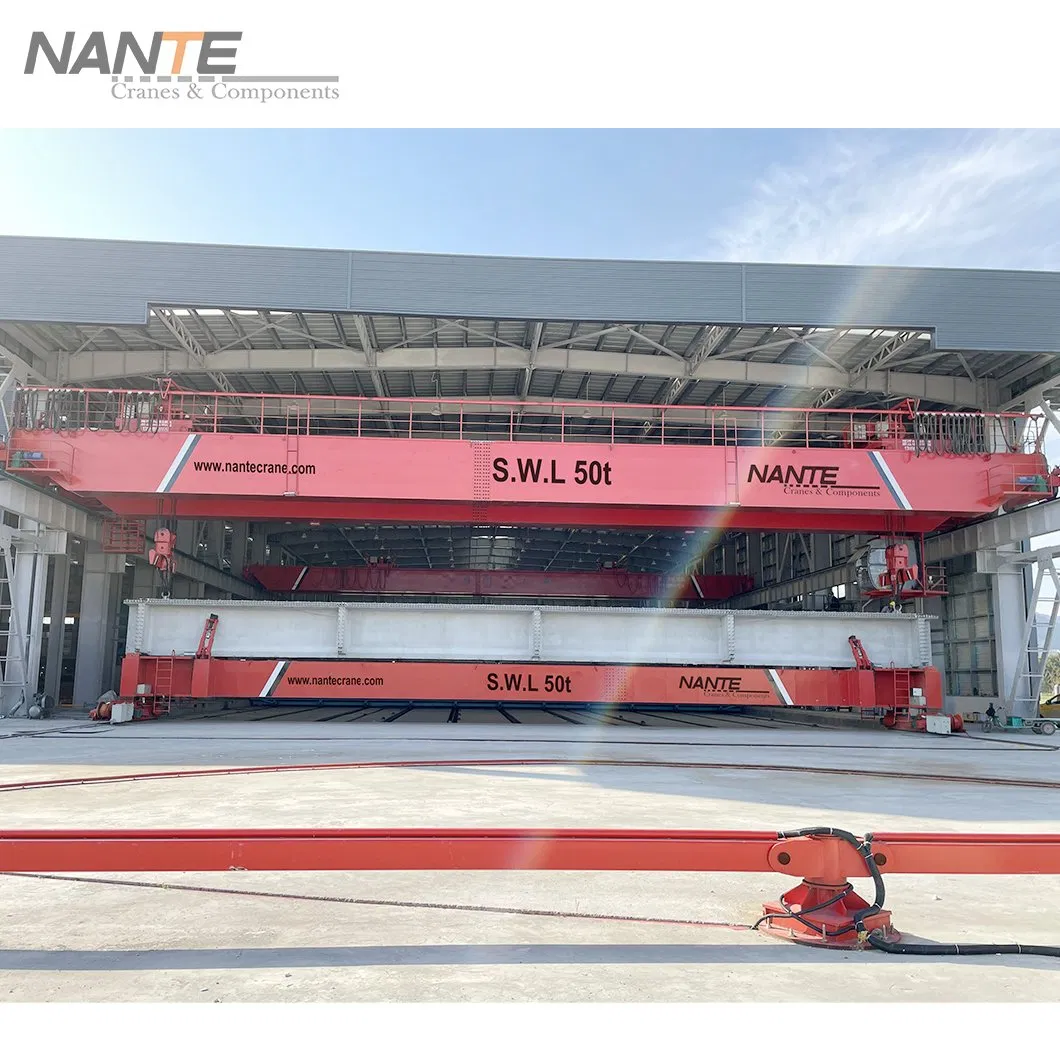
Various electrical faults can occur in crane equipment as a result of normal operation. Crane equipment is subject to vibration and is started and stopped repeatedly. There are many load changes and long travels between various locations in a plant. In addition, most crane applications are found in harsh industrial environments. The focus of a practical and effective maintenance strategy should be on determining faults, fixing them and on measures designed to prevent their occurrence in the first place.
What Are the Most Common Overhead Crane Electrical Failures?
Many overhead crane electrical failures are obvious and cause obvious problems with the operation of the crane. Sometimes a hoist will not lift, a bridge will not move in one direction or the other, or a trolley will move erratically. In some cases, a crane will operate for a few seconds after it is started and then stop.
Typical signs include:
- No response after pressing the control button
- Repeated breaker or fuse tripping
- Motor overheating
- Hoist lifting slowly
- Travel motion shaking or stopping
- Brake not releasing
- VFD alarm display
- Control delay
- Limit switch failure
- Power loss at a certain runway position
Don’t rush to judgment with these problems. A crane motor problem could be caused by poor voltage, brake drag, overload or wrong VFD settings and does not necessarily mean that the motor is damaged.
How Should Crane Electrical Troubleshooting Start?
Crane electrical troubleshooting should follow a safe and logical order. Random part replacement often wastes time and may hide the real cause.
Step 1: Confirm Safety Before Inspection
Before opening the control cabinet or testing cables, the crane has to be stopped and the power to be switched off. The main switch has to be locked and with warning signs denoted. Only authorized electrical personnel are allowed to perform the inspection.
Crane must not return to service until cause of smoke, burning smell, exposed wiring, abnormal heat or unstable movement is established.
Step 2: Check the Main Power Supply
First check if crane has constant power supply.
Check the main disconnect switch, circuit breaker, fuse, incoming voltage, phase sequence, grounding and main cable terminals. Low voltage, loss of phase, unbalance, or loose connections can cause contactor chatter, motor overheating, cause VFD to trip, and cause equipment to shutdown suddenly.
Voltage can be measured at various positions instead of only at the power supply for long runway travel cranes.
Step 3: Inspect the Control Panel
From the control panel the commands are sent to the hoisting circuit, trolley travel circuit, bridge travel circuit, braking circuit and safety circuits. A variety of events can cause a failure of a crane control circuit. These include dust, moisture, loose electrical connections, damaged relays, burned contactors and poor control voltage.
Important inspection points include:
- Terminal tightness
- Control transformer output
- Relay and contactor condition
- Fuse and protection device status
- Wire insulation damage
- Signs of overheating
- Moisture or oil contamination
- Correct wiring after maintenance
Step 4: Test Each Crane Motion Separately
Motion wise test each motion independently to start, Hoist, Lower, Trolley motion, Bridge motion and lastly Braking motion to assess if issue is with single motor, or associated VFD, control circuit, brake coil etc, or a more global power system issue.
Troubleshooting Flowchart for Overhead Crane Electrical Problems
A simple troubleshooting flow helps to reduce the amount of guesswork in maintenance.
Basic Crane Electrical Troubleshooting Flowchart
Start: Crane has an electrical problem ↓ Is the crane completely without power? → Yes: Check main switch, breaker, fuses, incoming voltage, grounding, conductor rail, and power cables. → No: Continue. ↓ Does the control system respond? → No: Check emergency stop, pendant control, remote control, control transformer, control fuse, relays, and terminals. → Yes: Continue. ↓ Does only one motion fail? → Yes: Check the related contactor, VFD, brake coil, motor, limit switch, and wiring. → No: Continue. ↓ Does the fault happen only at certain runway positions? → Yes: Check conductor rail power interruptions, collector shoes, rail joints, alignment, and voltage drop. → No: Continue. ↓ Is the motor overheating or tripping? → Yes: Check load condition, phase balance, brake drag, bearing condition, motor insulation, and VFD parameters. → No: Continue. ↓ Check safety interlocks, limit switches, control circuit failures, and protection devices.
How to Use the Flowchart in Real Maintenance
The flowchart should be cross referenced against the crane’s wiring diagram, operators experience of symptoms, fault history and test results. Results from each test should be logged prior to parts being replaced to aid in highlighting of possible hidden electrical faults and to avoid unnecessary additional repairs.
Why Does an Overhead Crane Suddenly Lose Power?
An unexpected loss of power can occur due to an unstable supply, poor contact, a protection trip or a fault with the conductor rails.
Conductor Rail Power Interruptions
Power interruptions of the conductor rail occur in particular when stopping the crane at certain runway positions. This can be caused by worn collector shoes, loose rail joints, contaminated contact surfaces, misaligned rails, too low collector spring pressure or voltage drop due to long travel distance.
Maintenance solutions include:
- Clean the conductor rail contact surface
- Replace worn collector shoes
- Tighten conductor rail joints
- Adjust collector alignment
- Measure voltage at several runway positions
- Improve feed points when the travel distance is long
Main Breaker or Fuse Trips
Multiple trips of breakers or fuses can indicate problems like overload, short circuit, ground fault, loss of phase, damaged cables, failed motor windings, or even incorrect protection settings. Do not keep keep resetting the breaker!
Loose Terminals and Heat Damage
Prolonged vibration of crane equipment can cause electrical terminals to work loose. Loosened terminals create increased resistance which can generate excessive heat. Evidence of heat generated by resistance in loosened electrical connections include darkened terminals, melted electrical insulation, burn marks or smell. In addition to these potential causes of heat, signs of erratic or unstable motion of the crane, and or irregular operation of crane control signals could indicate intermittent electrical connection problems.
What Causes Crane Motor Problems?
Some problems that can occur with a Crane motor are: overheating, humming, slow starting, tripping frequently, and running in the wrong direction.
Motor Overheating
Motor Overheating can be caused by Overload, excessive starts, low supply voltage, unbalanced supply phases, inadequate cooling, brake drag, bearing wear, and incorrect duty. In addition, in VFD-controlled applications, the wrong acceleration time, or deceleration time, current limit, or motor data can cause excessive heating.
Current measurement on all phases should be included in maintenance, as well as a check on brake clearance, cleaning of ventilation, a check on bearings and a check on the load.
Motor Hums but Does Not Run
A hum only motor could be no phase, locked rotor, stuck brake, low voltage, bad winding or failed contactor output. Before deciding to replace the motor check the voltage, brake coil operation, motor current and mechanical resistance.
Motor Runs in the Wrong Direction
An incorrect direction of rotation can occur after a cable replacement, a motor replacement, a change of the phase sequence, incorrect wiring of the control circuit. The direction test must be performed without a load and with sufficient clearance.
How Can Maintenance Teams Prevent Overhead Crane Electrical Problems?
Preventive maintenance is more cost-effective than emergency repair. It reduces downtime, protects components, and improves operating safety.
Daily Electrical Checks
Check power indicators, Emergency Stop function, pendant response, no-load travel, abnormal delay, unusual noise, sparks, smoke smell, and sudden stop.
Monthly Electrical Maintenance
Tighten terminals. Inspect contactors and relays. Clean control panels. Test limit switches. Check the conductor rails and collectors. Measure the current to the motors. Check the brake wiring. Record the VFD fault history.
Periodic Professional Inspection
When conducting periodic inspections the following items should be checked: motor insulation resistance, earth continuity resistance, control voltage stability, cable insulation, protection devices functioning correctly, VFD parameter settings, wiring diagram against physical wiring.
FAQ
What is the most common electrical problem in an overhead crane?
Common problems with industrial power distribution include; Loose terminals, Contactor wear, Control circuit faults, Interuption to power on the conductor rail, Failure of VFDs, Failure of limit switches, and Overheating of motors.
Why does an overhead crane stop suddenly during travel?
An unexpected stop can be caused by a conductor rail power failure, wear of collector shoes, voltage drop, an emergency stop circuit failure, a VFD alarm or limit switch activation.
Nante Crane specializes in industrial overhead cranes, gantry cranes, electric hoists, mobile power supply systems, overhead crane electrical control panels, overhead crane conductor rail systems, overhead crane safety devices, and other lifting crane equipment. Contact Nante Crane today to get professional support for overhead crane electrical solutions, control panel design, component selection, and complete lifting equipment supply.