English


Why Are Offshore Cranes Essential for Marine Operations?
Why Are Offshore Cranes Essential for Marine Operations
Date: 2026-05-29 Share:
Offshore cranes matter greatly in marine operations. They make it possible to lift heavy loads, cargo, equipment, and people safely and well in rough sea areas. These special lifting devices back important tasks on supply vessels, oil platforms, FPSOs, jack-up rigs, and offshore wind projects. Offshore cranes for marine operations cope with changing forces from waves, wind, and vessel motion. Regular gear cannot deal with them. This piece covers why offshore cranes count, their kinds, main traits, uses, and safety issues.
What Is an Offshore Crane?
Definition of Offshore Cranes
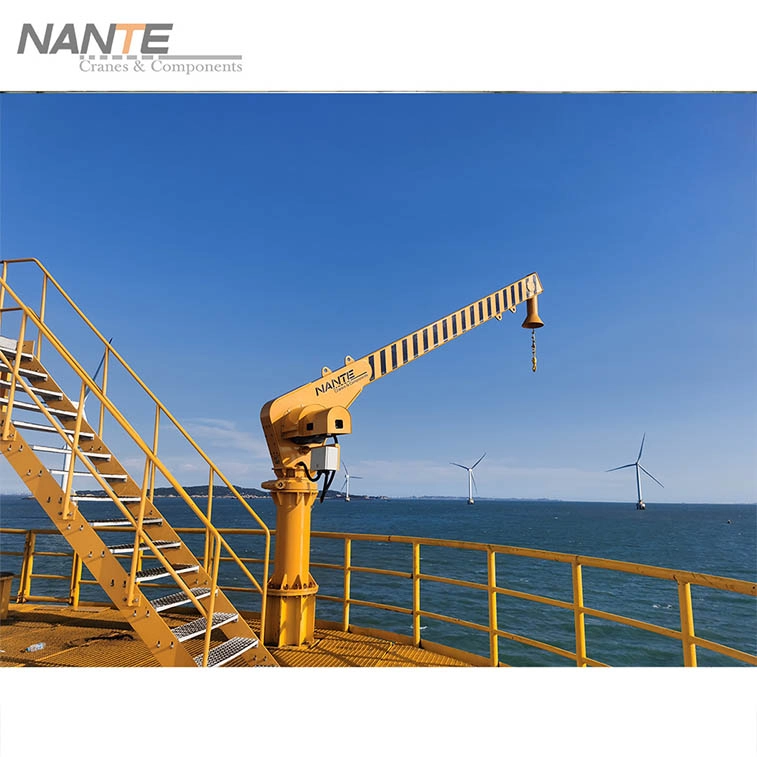
Offshore cranes are pedestal-mounted devices that elevate and rotate for lifting. Experts create them for marine and offshore settings. These cranes shift materials or personnel from vessels to structures like platforms, rigs, or other ships. Offshore cranes meet tough rules such as API Spec 2C. This makes sure they work well in hard situations. The build puts stability, safety, and work first in places where land gear would not last.
How Offshore Cranes Differ from Land Cranes
Offshore cranes use materials and covers that fight rust from salt spray and damp air. These cranes have systems for handling dynamic loads and heave compensation. They control vessel shifts from waves. Land cranes avoid sea factors, so they miss motion fixes and tough weather strength. Offshore cranes keep work safe during steady platform or vessel shifts, strong winds, and rusting spots. Offshore cranes versus land cranes display plain differences in build strength and safety parts for ocean work.
Why Are Offshore Cranes Essential for Marine Operations?
Offshore cranes hold a key spot in marine operations. They help with logistics, building, upkeep, and energy making away from land. These setups raise work speed. And they lower dangers in far and hard places.
Cargo Handling Between Vessels and Platforms
Offshore cranes stand out in cargo handling between vessels and platforms. Supply vessels bring food, spare parts, and boxes to offshore sites. Offshore cargo handling cranes do exact moves even with sea swells. The cranes shift heavy loads safely from ship decks to platform decks or back. This skill keeps operations flowing without extra waits.
Supporting Offshore Oil and Gas Operations
Offshore cranes back offshore oil and gas work on drilling rigs, FPSOs, and jack-up platforms. These cranes deal with drilling parts, production gear, and upkeep items. Offshore oil rig cranes allow steady supply of materials in far sea spots. The gear lifts pipes, modules, and tools. These items keep pulling and handling tasks going. Without solid offshore cranes, many oil and gas plans would hit big supply problems.
Offshore Wind Farm Installation and Maintenance
Offshore wind farm setup and upkeep lean hard on offshore cranes. These cranes raise turbine parts, bases, and blades to spots in open sea weather. Offshore wind turbine cranes handle heavy and careful sets where right place matters. Upkeep groups use the cranes to fix gear on running wind farms. The green energy field needs these lifting fixes to grow clean power out at sea.
Heavy Equipment and Personnel Transfer
Offshore cranes ease heavy equipment and personnel shifts in marine spots. Systems rated for people move crew safely between vessels and platforms as required. Heavy lifting offshore cranes set big machines for build or fix jobs. These tasks back marine build plans and salvage work. The range of uses makes offshore cranes a must in many cases.
Main Types of Offshore Cranes Used in Marine Operations
Various types of offshore cranes fit certain wants based on reach, capacity, and space limits.
Knuckle Boom Offshore Cranes
Knuckle boom offshore cranes have a jointed build that gives fine bend. The “knuckle” permits exact shifts in small deck areas on supply vessels and platforms. These jointed marine cranes fold small when idle. Operators value the easy handling for cargo shifts and upkeep jobs. Knuckle boom types mix strength with fit in close marine spots.
Telescopic Boom Offshore Cranes
Telescopic boom offshore cranes give stretchable reach via hydraulic parts. The build offers changing reach for varied lift ranges. Marine telescopic cranes fit nicely to platforms and vessels that need changeable work. These cranes bring firm lift power while holding work range at sea.
Lattice Boom Offshore Cranes
Lattice boom offshore cranes employ a light but firm truss frame for big-lift tasks. The open frame lessens weight while backing high loads. Heavy duty offshore cranes of this kind match build vessels and undersea work. Lattice builds work fine for far-reach lifts on platforms where top power counts.
Pedestal Mounted Offshore Cranes
Pedestal mounted offshore cranes rest on a set base that permits 360-degree turns. The firm base gives steady work over many uses. Pedestal offshore cranes show up often on rigs, vessels, and platforms. These setups back varied offshore lifting needs with even steadiness.
Key Features That Make Offshore Cranes Reliable at Sea
A few strong features let offshore cranes work steadily in marine weather.
Corrosion Resistance for Marine Environments
Builders make offshore cranes with rust-proof materials and guard covers. These traits battle salt mist, dampness, and steady wet contact. Corrosion resistant offshore cranes hold frame strength and work over long use times. Right guard cuts upkeep calls in rough marine air.
Dynamic Load Handling Capability
Dynamic load handling capability lets offshore cranes control shifting loads from vessel moves. Anti-sway setups cut swing effects in lifts. Operators gain better hold even if sea weather brings issues. This know-how backs safer and sharper marine lift work.
Advanced Safety Systems
Advanced safety systems cover load checks, wind gauges, overload guards, and stop features for emergencies. These parts aid operators in smart choices right away. Offshore crane safety systems fit tight field rules and cut crash chances. Steady checks raise full work steadiness.
Heave Compensation Technology
Heave compensation technology fights up-down vessel shifts from waves. Active heave compensation (AHC) systems employ gauges and controls to hold loads firm. Heave compensated offshore cranes widen work times in choppy seas. The know-how betters aim for undersea and top lifts the same.
Industries That Depend on Offshore Cranes
Several fields lean on offshore cranes for daily wins.
Offshore Oil and Gas Industry
The offshore oil and gas industry employs cranes widely on drilling platforms and production sites. Offshore oil crane applications hold supply flow and gear shifts. These setups keep far work possible and useful.
Marine Shipping and Ports
Marine shipping and ports gain from offshore vessel cranes for cargo moves and aid tasks. The gear smooths flow near shore and at sea.
Offshore Renewable Energy Projects
Offshore renewable energy projects, above all wind farms, lean on special lift fixes. Offshore wind crane systems allow good turbine setup and upkeep.
Deep Sea Construction and Salvage
Deep sea construction and salvage work employs subsea construction cranes for big lifts and pull tasks. Marine salvage cranes give the right strength and span in hard under-water spots.
Safety Challenges in Offshore Crane Operations
Operators need to face a few built-in dangers in offshore spots.
Weather and Sea State Risks
Weather and sea state risks hold strong winds, big waves, and low sight. Work often halts when weather tops safe marks. Good plans aid groups in using safe work slots fully.
Load Swing and Vessel Motion
Load swing and vessel motion make risks in lifts. Fix systems and able handling ease these parts. Groups watch weather tight to stop events.
Importance of Operator Training and Inspection
Operator training and steady checks stay key for safety. Trained staff stick to set steps and rules. Regular looks make sure gear holds top shape for offshore crane work.
Frequently Asked Questions About Offshore Cranes
What Is the Main Purpose of an Offshore Crane?
The main purpose of an offshore crane involves safe transfer of cargo, equipment, and personnel between vessels and offshore structures in marine environments.
What Types of Offshore Cranes Are Commonly Used?
Common types include knuckle boom, telescopic boom, lattice boom, and pedestal mounted offshore cranes. Each type serves specific reach, capacity, and space requirements.
How Do Offshore Cranes Handle Rough Sea Conditions?
Offshore cranes handle rough sea conditions through heave compensation, dynamic load controls, anti-sway technology, and robust marine-grade construction.
Are Offshore Cranes Used in Wind Farm Projects?
Yes, offshore cranes support offshore wind farm projects by installing and maintaining turbines and related infrastructure in marine settings.
What Safety Standards Apply to Offshore Cranes?
Safety standards such as API 2C, along with DNV certifications and operational best practices, govern the design, testing, and use of offshore cranes.
Why Choose Reliable Offshore Crane Solutions for Your Marine Projects
Nante Crane specializes in high-quality crane and crane component solutions suitable for demanding marine and industrial applications. With expertise in overhead cranes, gantry cranes, jib cranes, construction cranes, and workstation systems including offshore models, Nante Crane delivers robust, customized lifting equipment and comprehensive service support to meet diverse operational needs. Contact Nante Crane today to explore reliable solutions that enhance safety and efficiency in your offshore and marine projects. Visit nantecrane.com for more details on their crane offerings and services.