English



Top 10 Overhead Crane Safety Tips for Industrial Workplaces
Top 10 Overhead Crane Safety Tips for Industrial Workplaces
Date: 2026-05-29 Share:
Overhead crane safety begins before the operator touches the controls. A good overhead crane inspection checklist, skilled workers, and steady crane operation safety rules help factories cut falling-load risks, overload accidents, load swing, and unsafe movement near workers. Industrial sites such as warehouses, steel workshops, logistics centers, machinery plants, shipbuilding yards, and assembly areas all need a practical safety routine.
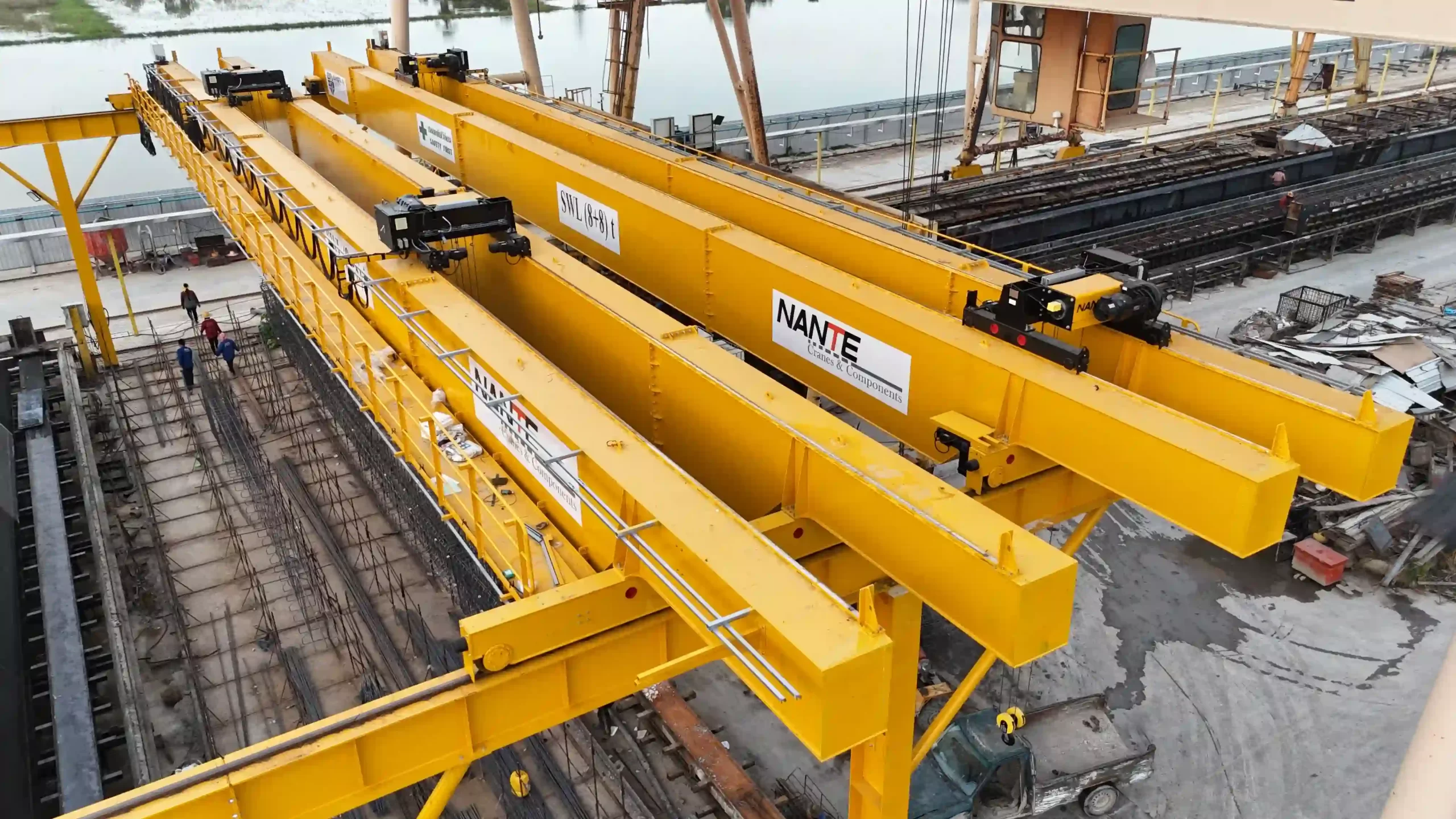
Why Is Overhead Crane Safety Important?
Overhead crane safety is the working system that keeps the crane, operator, rigger, signal person, load, and surrounding workers under control during lifting. A safe lift depends on visible load information, inspected crane components, clear communication, and a controlled travel path.
Common Industrial Crane Risks
Industrial workplaces often face these crane safety risks:
- The operator may lift an unknown or overloaded load.
- The rigger may use a damaged sling or an incorrect attachment point.
- The crane hook may not stay centered over the load.
- The load may swing into machines, columns, or workers.
- The crane warning signal may not be heard in a noisy workshop.
- Workers may enter the suspended-load area without permission.
A good safety program should prevent these issues before they become incidents.
Tip 1: Use a Pre-Shift Overhead Crane Inspection Checklist
A pre-shift overhead crane inspection checklist gives the operator a repeatable routine. OSHA divides crane inspection into frequent inspection and periodic inspection. Frequent inspection can range from daily to monthly intervals. Periodic inspection can range from 1 to 12 months. The range depends on crane activity, working environment, and exposure to deterioration.
Daily Crane Inspection Points
The operator should check the following items before each shift:
- The operator should confirm that the crane hook has no visible crack, twist, or deformation.
- The operator should confirm that the crane wire rope has no broken wires, kinks, crushing, corrosion, or poor reeving.
- The operator should confirm that the crane hoist chain, if used, has no distorted links or excessive wear.
- The operator should confirm that the crane brake system responds correctly.
- The operator should confirm that the crane limit switch works under no load and at slow speed.
- The operator should confirm that the crane control panel, crane pendant control, crane remote control, or crane operator cabin controls are clearly labeled and responsive.
- The operator should confirm that the crane warning light or crane warning signal works.
- The operator should confirm that the crane runway rail, crane trolley path, and landing area are clear.
OSHA requires daily visual inspection for crane hooks with deformation or cracks. OSHA lists crane rope deterioration conditions such as broken outside wires, worn outside wires, corroded end connections, severe kinking, crushing, cutting, or unstranding.
Tip 2: Verify Rated Load Capacity Before Every Lift
The operator and rigger should never guess the load weight. OSHA states that the crane shall not be loaded beyond its rated load except for test purposes. OSHA also requires the rated load to be plainly marked on each side of the crane. Each crane hoist must show its rated load when the crane has more than one hoisting unit.
How Should Workers Confirm Load Weight?
The lifting team should check drawings, packing lists, weighing records, material density, process documents, and load markings. The lifting team should also include the weight of each lifting accessory.
The Total Lifted Weight Should Include
- The workpiece should be counted.
- The lifting beam should be counted.
- The sling should be counted.
- The shackle should be counted.
- The below-hook lifting device should be counted.
- The temporary fixture should be counted.
A crane overload accident often starts when the team forgets one hidden weight.
Tip 3: Train Operators on Crane Operation Safety Rules
Only trained and authorized personnel should operate an overhead crane. OSHA states that only designated personnel shall be permitted to operate a crane covered by 29 CFR 1910.179.
What Should a Crane Operator Know?
A qualified operator should know the crane rated load, crane hoist movement, crane bridge travel, crane trolley travel, crane brake response, crane emergency stop switch, crane warning signal, and crane limit switch function.
The operator should also know site-specific rules. The operator should know where pedestrians walk, where loads land, where blind spots exist, and where floor workers may enter the crane travel zone.
Refresher training should happen after unsafe behavior, a near-miss, a new crane installation, a new lifting attachment, or a change in production flow.
Tip 4: Use Clear Signals and Communication
Crane operation requires one clear command source. The operator should not act on mixed hand signals, unclear radio calls, or shouted instructions from several people.
How Should Signal Communication Work?
The team should assign one signal person before the lift starts. The signal person should stay visible to the operator or use a reliable radio system. The operator should stop movement if communication becomes unclear.
OSHA’s standard hand signal appendix includes common signals such as stop, emergency stop, hoist, lower, trolley travel, and move slowly. These signals help workers keep lifting commands consistent on busy sites.
In noisy industrial workplaces, radio communication should use short commands. Each command should include the function, direction, distance or speed, and stop instruction.
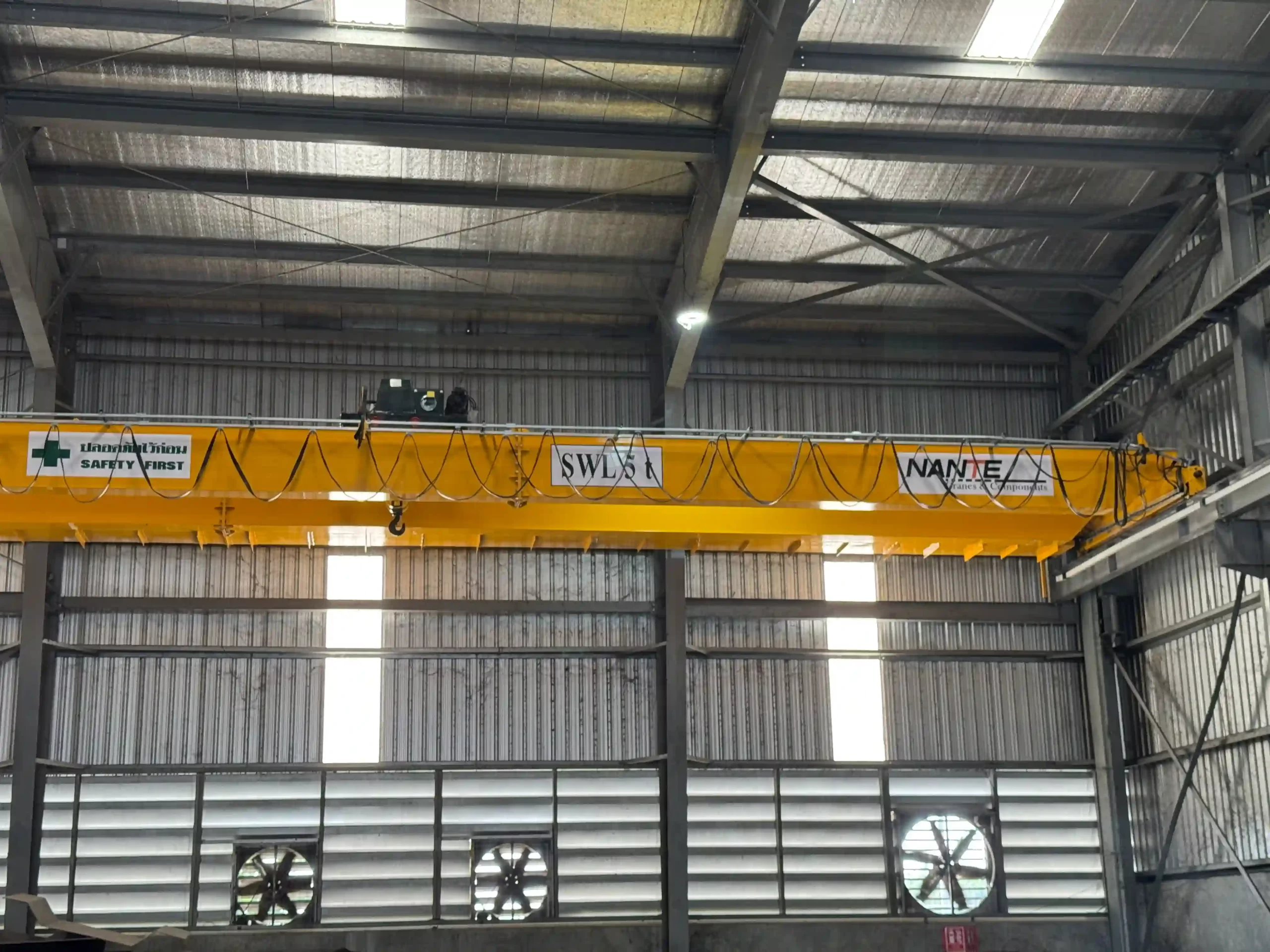
Tip 5: Plan the Safe Lifting Path
A safe lifting path should be planned before the crane hook moves. The operator and rigger should check the route from pickup to landing.
What Should a Safe Path Include?
The safe path should include clear headroom, a stable landing area, a visible travel route, open crane runway rail movement, and no unnecessary turns.
The employer should require the operator to avoid carrying loads over people. OSHA also states that no hoisting, lowering, or traveling should occur while any employee is on the load or crane hook.
The workplace should mark restricted zones under suspended loads. The site can use painted floor lines, temporary barriers, crane warning lights, alarms, and supervisor control during complex lifts.
Tip 6: Control Load Swing and Stability
Load swing can damage equipment, overload rigging gear, and place workers in danger. The operator should keep the crane hook centered over the load before lifting. OSHA states that the crane hook should be brought over the load in a manner that prevents swinging. OSHA also states that the moving load should not have sudden acceleration or sudden deceleration.
How Should Operators Control Swing?
The operator should start slowly. The operator should stop smoothly. The operator should avoid sudden direction changes. The rigger should perform a test lift of a few inches. The lifting team should pause. The lifting team should check balance. The lifting team should correct sling tension before the load moves higher.
Tag lines can help guide long or irregular loads. Workers should use tag lines only when they can stay outside the drop zone.
Tip 7: Inspect Rigging Gear Before Use
The crane is only one part of a safe lift. The lifting system also includes slings, shackles, lifting beams, below-hook devices, and load attachment points.
What Damage Should Workers Find?
The rigger should look for cut slings, broken stitching, stretched chain links, bent shackles, damaged latches, missing identification, corrosion, cracks, heat damage, and worn contact areas.
OSHA requires the load to be attached to the crane load block hook by slings or other approved devices. The hoist chain or crane hoist rope must be free from kinks or twists. The hoist chain or crane hoist rope must not be wrapped around the load.
Damaged rigging gear should be removed from use. A worker should not repair load-bearing gear casually on the shop floor.
Tip 8: Test the Crane Limit Switch and Crane Brake Response
The crane limit switch and crane brake system are safety devices. The operator should not use them as normal operating controls.
What Should the Operator Check?
OSHA requires the upper crane hoist limit switch to be tried out at the beginning of each operator shift under no load. OSHA also states that the crane block should be inched into the limit or run at slow speed. The appointed person should be notified immediately if the switch does not operate correctly.
When a load approaches the rated load, OSHA requires the operator to test the brakes by raising the load a few inches and applying the brakes.
The operator should stop the crane if the crane brake slips, the crane limit switch fails, or the crane control response feels abnormal.
Tip 9: Keep Crane Travel Zones Clear
A clean crane travel zone reduces collision and crushing risks. The workplace should define crane bridge travel areas, crane trolley travel areas, load landing zones, and pedestrian routes.
How Should Workplaces Control Access?
The site should mark restricted areas below suspended loads. The supervisor should keep unauthorized workers away from the crane travel path. The operator should sound the warning signal when starting the crane bridge. The operator should sound the warning signal when the load or crane hook approaches personnel. OSHA requires an effective warning signal for each crane with a power traveling mechanism, except floor-operated cranes.
Tip 10: Prepare Emergency Procedures Before an Incident
Every industrial site should define what workers must do during crane malfunction, power loss, suspended-load trouble, collision risk, or communication failure.
What Should Workers Do First?
The operator should stop movement. The operator should keep the load stable if possible. The operator should warn nearby workers. The operator should follow the site emergency plan. The signal person should clear the area. The supervisor should prevent restart until the hazard has been reviewed.
The site should record crane incidents and near-misses. The team should identify the root cause before the same lifting task resumes.
Support Safer Lifting With Nante Crane
Nante Crane provides overhead crane, gantry crane, jib crane, construction crane, workstation crane, offshore crane, and crane components for industrial lifting applications. Nante Crane’s crane product range includes single girder overhead crane, double girder overhead crane, underhung overhead crane, gantry crane, launching crane, segment lifter, form traveller, construction winch, jib crane, light flexible crane system, offshore davit crane, and mini mobile gantry crane; its crane component range includes crane hoisting mechanism, crane travelling mechanism, crane mobile power supply, crane control & safety products, crane rail, and crane rail accessories. Contact Nante Crane today.