English


Crane Cab Controls Layout and Ergonomics
Crane Cab Controls Layout and Ergonomics
Date: 2026-05-28 Share:
A good crane cab controls layout and ergonomics plays a key role in how well operators perform during tough lifting jobs. Crane cab ergonomics affects precision, safety, and efficiency in overhead cranes, gantry cranes, tower cranes, and mobile cranes. Proper ergonomic crane cabin design cuts down operator fatigue. It also improves reaction times and lowers human error in heavy-duty work. This article looks at crane cab controls layout, main parts, design rules, safety standards, common errors, and new trends. It draws from standard engineering methods and rules that must be followed.
What Is Crane Cab Controls Layout and Ergonomics?
Definition of Crane Cab Control Layout
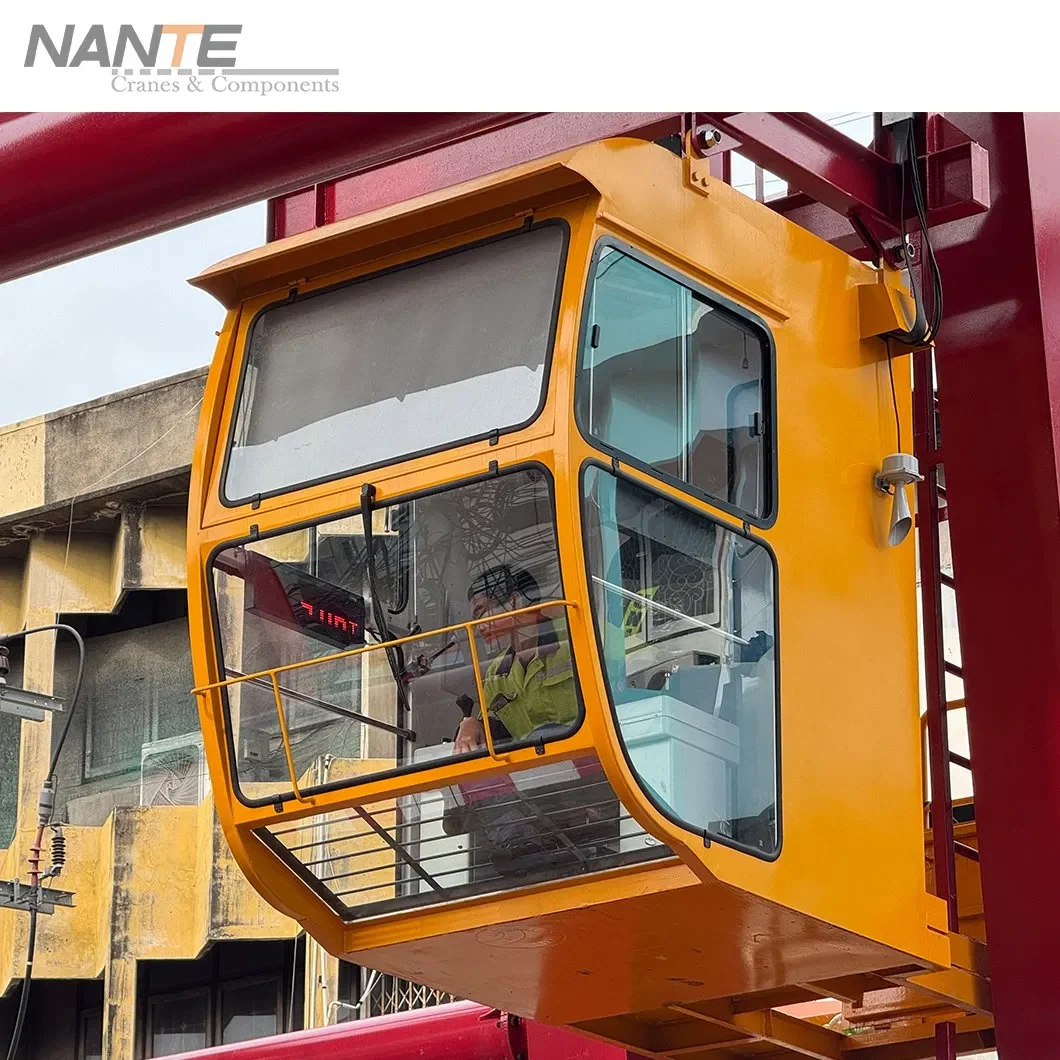
Crane cab controls layout means the careful placement of joysticks, pedals, switches, display panels, and emergency devices inside the operator cabin. Designers arrange controls in logical groups. This setup lets operators reach them easily without extra movement. The layout works together with visibility systems and the cabin structure. It supports smooth workflow for crane operators in different lifting tasks. Effective crane cabin control system design puts main controls in natural reach areas. At the same time, it keeps clear views of the load and work zone.
Why Ergonomics Matters in Crane Operations
Ergonomics in crane operations works to fit the workspace to the human operator. It does not force the operator to adjust to the machine. Good ergonomic crane controls help the body stay in natural positions. They cut repetitive strain and support better precision when moving loads. In long shifts at industrial sites, proper crane cab ergonomics helps operators stay focused and accurate. This leads to better productivity and fewer problems. Crane manufacturers give these factors high priority. Operator comfort leads to safer and more efficient lifting operations.
How Operator Fatigue Affects Crane Safety
Operator fatigue comes from long periods in one position, vibration, difficult reaches, and poor visibility. Signs include slower reactions, less muscle control, and weaker judgment. In crane operations, fatigue raises the chance of load swings, collisions, or missed hazards. Studies and field reports connect poor crane cab ergonomics to more errors on long shifts. Better layout and design help fight fatigue. This forms an important part of crane safety plans.
Main Components of a Modern Crane Cab Control System
Joystick Controls and Handle Positioning
Modern crane joystick controls often use multi-axis designs. They manage hoisting, slewing, trolley movement, and bridge travel. Manufacturers place joysticks on adjustable armrests. This helps operators keep neutral wrist and forearm positions. This ergonomic crane controls placement reduces strain on hands and shoulders. It still allows precise and proportional movements. Step-less control joysticks give smooth speed changes. These are important for careful load positioning in overhead and gantry crane applications.
Pedals, Switches, and Emergency Stop Buttons
Foot pedals control extra functions such as auxiliary hoists or brakes. Hand switches manage other operations. Designers put emergency stop buttons in clear spots that operators can reach fast in urgent moments. All controls have neutral return features. The machinery stops safely when the operator lets go of the handle. Clear labels and logical groups stop accidental use. They still allow quick access when needed.
Display Panels and Load Monitoring Systems
Integrated display panels show live information. This includes load weight, radius, wind speed, and system diagnostics. Engineers set screens at eye level with anti-glare surfaces. This keeps operator awareness high without pulling focus from the load. These systems support better choices during complex lifting cycles in different crane types.
Visibility, Cameras, and Blind Spot Reduction
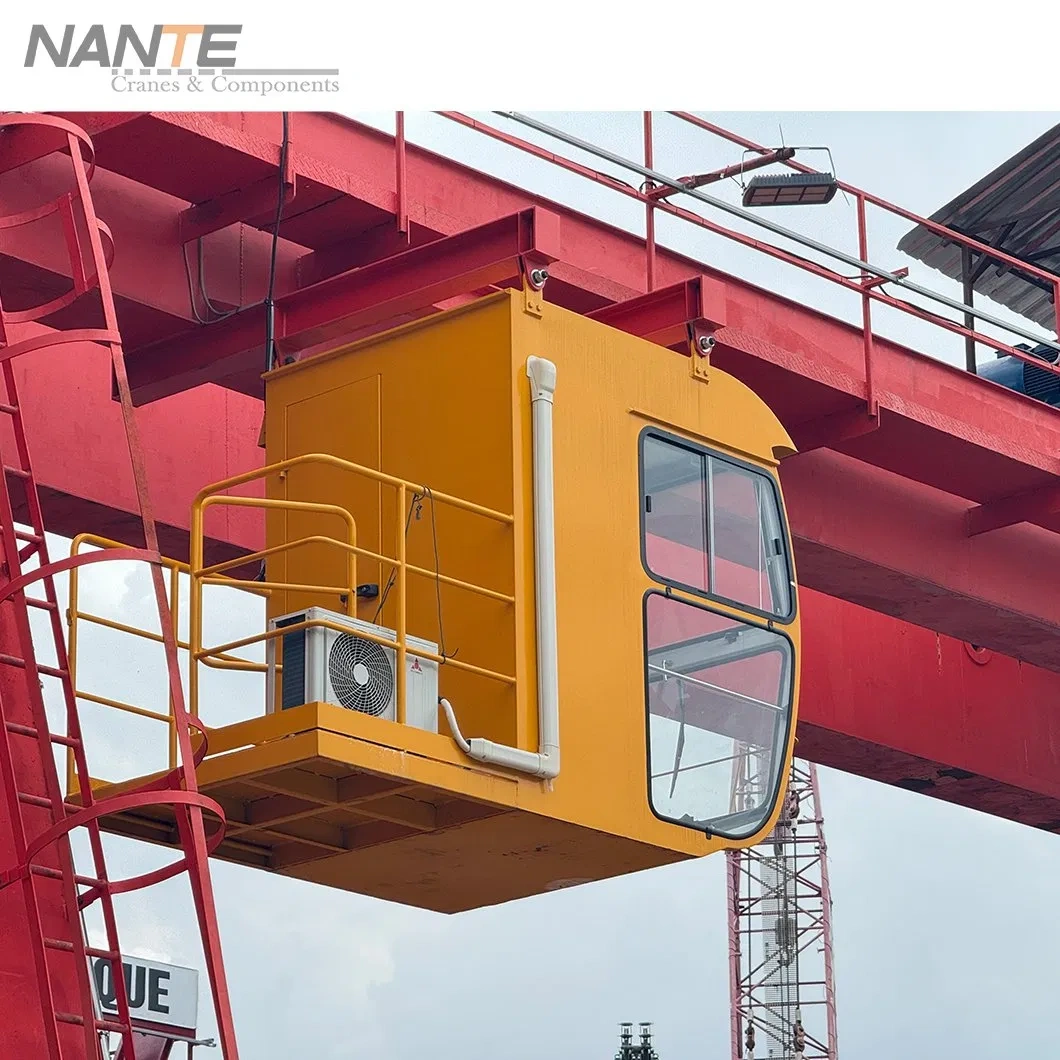
Large safety glass windows, well-placed mirrors, and camera systems improve operator sightlines. Crane cab visibility systems cut blind spots near hooks, loads, and nearby areas. Many modern cabins have screens that show live video from key zones. Operators stay aware even in difficult setups.
Ergonomic Design Principles for Crane Operator Cabins
Adjustable Seating and Lumbar Support
Adjustable crane operator seats include lumbar support, height changes, tilt options, and suspension systems. These seats fit operators of different sizes. They absorb vibration and help keep good spinal alignment during long shifts. Features like leather upholstery and armrest integration add to comfort in crane cabins.
Proper Armrest and Joystick Alignment
Designers line up armrests and joysticks. This lets operators keep upper arms vertical and forearms horizontal in a neutral position. This setup cuts shoulder lift and wrist bend during repeated control use. Proper joystick ergonomic positioning supports precise moves with little effort.
Optimal Reach Zones for Crane Controls
Ergonomic layouts create primary reach zones. These stay inside comfortable arm movements without body twist. Critical crane controls go inside these zones. Secondary controls sit in areas that need a bit more reach. This rule stops overreaching. It supports steady performance through the workday.
Reducing Neck, Shoulder, and Back Strain
Engineers lower strain with good control placement, adjustable seating, proper lighting, and climate control. These steps reduce static load and awkward positions that lead to muscle problems in crane operators. Good design supports natural head position through strong visibility.
How Crane Cab Layout Improves Safety and Productivity
Faster Reaction Time During Lifting Operations
Intuitive crane cab controls layout lets operators react fast to changes during active lifts. Logical control groups and ergonomic placement cut the time to give commands. This matters a lot in busy industrial areas.
Better Load Control and Precision Handling
Ergonomic crane operation supports smooth and proportional movements. These reduce load swing. Precise joystick response and clear visibility let operators manage loads with more accuracy across crane types.
Reduced Human Error in Long Shifts
Well-designed layouts fight fatigue and keep operators alert. Less physical strain and mental work lead to fewer mistakes during extended heavy-duty tasks.
Importance of Clear Sightlines in Crane Cabins
Clear views of the load, hook, and work area stay basic to safe crane operation. Optimized visibility plus camera help lets operators make good decisions and avoid dangers.
OSHA, ISO, and ASME Standards for Crane Cab Ergonomics
OSHA Requirements for Crane Operator Stations
OSHA standards (such as 1910.179 and 1926 subpart CC) require that controls stay within easy reach. They also require that operators keep a clear view of the load. Cabs must use safety glass. They need proper access and emergency features. Controls need clear marking.
ISO 7752 Control Layout Standards
ISO 7752 sets principles for control arrangement and movement direction across crane types. The standard promotes consistency. Operators avoid mix-ups when they change equipment. It covers basic controls for slewing, hoisting, and traveling.
ASME Guidelines for Visibility and Operator Comfort
ASME B30 series standards cover cab design, sightlines, control placement, and comfort features. These guidelines stress safe operator stations. They support good performance while they meet visibility and access needs.
Emergency Stop and Neutral Position Requirements
Standards require emergency stops that operators can reach fast. Controls must return to neutral automatically. These features make sure the machinery stops safely when the operator releases controls or hits the stop button.
Common Crane Cab Layout Mistakes That Reduce Operator Efficiency
Poor Joystick Placement
Awkward joystick positioning makes operators stretch or twist. This error speeds up fatigue. It also lowers control precision during repeated movements.
Limited Visibility and Blind Spots
Poor window placement or missing camera systems creates risky blind spots. Operators may use bad postures to see better. This raises strain and error chance.
Overcrowded Control Panels
Cluttered panels create confusion. They raise the risk of accidental activations. Poor organization slows responses and increases mental load.
Inadequate Seat Adjustability
Fixed or poorly adjustable seats do not fit different operators. This causes bad postures. It leads to more discomfort and fatigue.
FAQ
What is the ideal crane cab layout?
The ideal layout places all primary controls within easy reach. It ensures excellent visibility. It also supports neutral operator posture through adjustable parts.
Why is ergonomics important in crane operation?
Ergonomics reduces fatigue. It improves precision. It also enhances safety by fitting the cab to the operator’s physical abilities.
What standards apply to crane cab controls?
Key standards include OSHA regulations, ISO 7752 for control layout, and ASME B30 series guidelines.
How do joystick controls reduce operator fatigue?
Ergonomically positioned joysticks on armrests allow natural movements with minimal strain.
What causes crane operator strain during long shifts?
Poor reach zones, inadequate seat support, vibration, awkward postures, and limited visibility mainly cause strain.
Conclusion
Investing in optimized crane cab controls layout and ergonomics brings clear gains in safety, productivity, and operator well-being. From logical control grouping to compliance with international standards, every design element helps create more reliable lifting operations across industrial applications.
Discover Premium Crane Cab Solutions with Nante Crane
Nante Crane specializes in high-quality crane components. These include ergonomic crane operator cabins with comfortable adjustable seating, multi-joystick consoles, monitoring systems, and customizable features for overhead cranes, gantry cranes, and more. Their crane control systems and cabins focus on excellent visibility, operator comfort, robust safety design, and durable construction. These support demanding lifting operations worldwide. Contact Nante Crane today for tailored solutions that enhance your crane operator cabin ergonomics and overall productivity.