English



How to Select the Right Crane End Truck for Your Overhead Crane?
How to Select the Right Crane End Truck for Your Overhead Crane
Date: 2026-04-30 Share:
A crane end truck is the wheeled part that holds up the crane girder. It lets the whole structure move smoothly along the runway rails in an overhead crane system. Good selection of the crane end truck has a direct effect on the crane’s stability, load handling, and safety during work. When people learn how to choose crane end truck for overhead crane uses, they stop expensive mismatches and unwanted stops in production. This full buyer’s guide explains the main points in crane end truck selection. It covers load capacity, span, girder compatibility, and drive types. Industrial buyers can then make smart choices for steady and dependable results.
What Is a Crane End Truck and Why It Matters
Basic Definition and Position in Overhead Crane
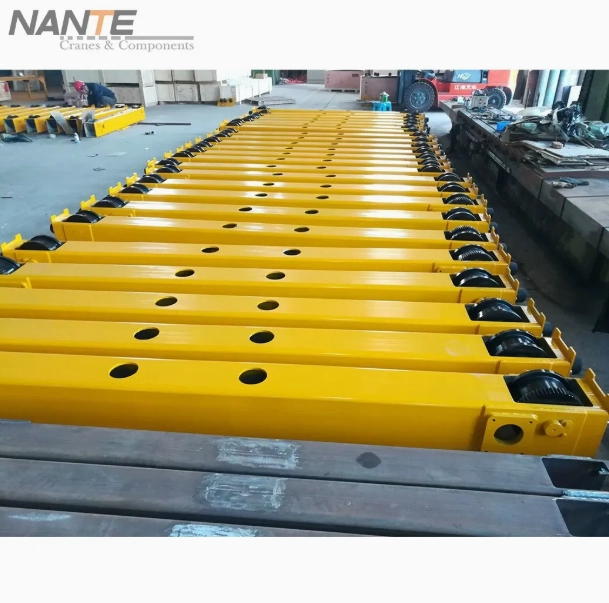
A crane end truck works as the end carriage assembly. Engineers place it at each end of the crane girder. The end truck has a steel frame, wheel sets, and drive parts. These allow the full bridge to travel along the runway rails. The crane end truck moves vertical loads from the girder and hoist system straight to the rails. It keeps good alignment all through the operation. This piece is a key part of the travelling mechanism in overhead cranes. It carries the complete weight of the bridge when the crane moves sideways.
Key Functions of Crane End Trucks
Crane end trucks do several important jobs in overhead crane systems. They hold the girder and spread the load evenly across the runway rails. They make controlled horizontal movement possible for the crane bridge over the work area. They give overall stability and stop derailment or skewing when loads change quickly. They send forces in a safe way while they handle different speeds and duty cycles. These roles make the crane end truck very important for safe and useful load movement in manufacturing, warehousing, and heavy industry settings.
Types of Crane End Trucks You Should Know
Motorized End Trucks for Heavy-Duty Applications
Motorized crane end trucks use electric motors and gearboxes. These power the wheel sets. The end trucks work best in frequent or fast operations where hand work would be slow or risky. People pick motorized types for heavy loads and automated work. They give steady torque, exact speed control, and less tiredness for operators. Single-drive setups offer a cheaper way to add power on one side. Double-drive setups give balanced force for smoother travel on longer spans or higher duty cycles.
Manual End Trucks for Light-Duty Use
Manual crane end trucks depend on hand pushing or geared hand-chain systems for movement. These end trucks do well in low-frequency, light-capacity jobs where cost is a big concern and power sources are hard to find. Operators choose manual end trucks when the crane works only now and then and the load stays in the light-to-medium range. The simple design cuts initial costs and makes maintenance easier. It still offers reliable travel for occasional lifting tasks.
Bogie End Trucks for Large Span Cranes
Bogie crane end trucks have several wheel sets on articulated frames. These end trucks spread loads over more contact points on the rails. This action lowers pressure on each wheel and raises stability. Engineers suggest bogie designs when the crane span is big or when high-tonnage work needs lower rail loading to avoid wear or bending. The setup improves performance on long bridges and helps keep alignment under heavy or uneven loads.
Motorized end trucks fit tough, continuous-duty places. Manual versions give savings for rare use. Bogie end trucks supply better load distribution for large-span jobs than standard two-wheel designs.
Key Factors to Consider When Selecting Crane End Trucks
Load Capacity and Crane Span
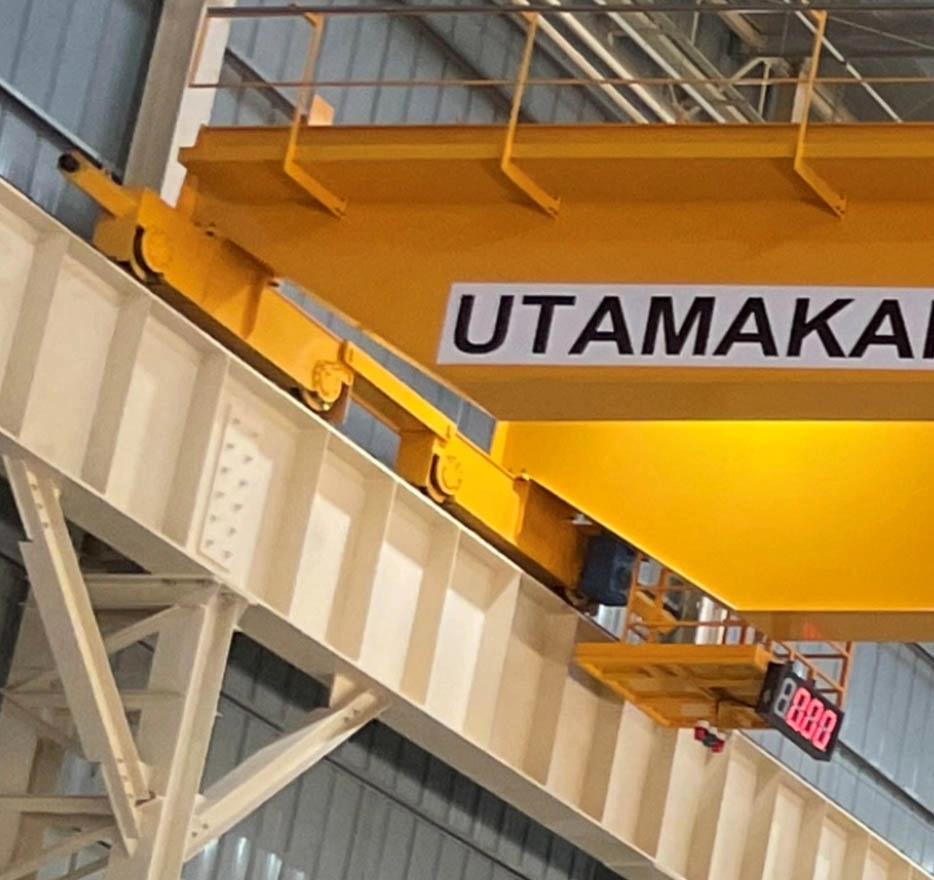
Load capacity and crane span are the main decision points in crane end truck selection. The end truck has to manage the crane’s rated load plus a safety margin. It must support the girder over the full span distance. Longer spans create bigger deflection forces and higher wheel loads. Buyers must figure exact needs before they pick frame strength and wheel details. Engineers always check that the chosen crane end truck fits both the maximum tonnage and the bridge span. This step protects structural strength and stops early failure.
Compatibility with Crane Girder and Rails
The crane end truck must line up exactly with the girder type and rail details for safe work. Top-running setups need different wheel profiles and mounting heights than under-running ones. Buyers check flange width, rail size, and attachment points with care when they learn how to match end truck with crane girder. Good compatibility removes uneven wear. It lowers running resistance and makes the travelling mechanism run smoothly without sticking or loud noise.
Drive Type and Operational Requirements
Drive type covers single-drive or double-drive arrangements on the end trucks. Heavy or high-duty-cycle operations gain from double-drive systems. These deliver balanced power to both sides of the bridge. Buyers look at usage frequency, needed travel speed, and automation level when they select the drive setup. The choice affects energy use, control accuracy, and total performance of the overhead crane in daily work.
Working Environment Conditions
Conditions in the work area have a strong influence on material and protection choices for the crane end truck. High-temperature zones, corrosive air, or outdoor setups need special coatings, sealed bearings, or better parts. Engineers pick the right protection level so the end truck fights damage and keeps giving reliable performance over its service life, no matter the surrounding challenges.
Wheel Design and Tread Width Matching
Wheel design and tread width must match the runway rail exactly to prevent misalignment or fast wear. Flanged wheels give guidance along the rail. Tread width controls contact pressure and friction. Buyers measure the rail head width and pick matching wheels to cut running resistance and lower the chance of derailment or flange damage during many travel cycles.
A step-by-step method helps buyers put these factors in order. First, they decide load and span needs. Next, they confirm girder and rail compatibility. Then, they check drive needs and environmental protections. Last, they verify wheel details for best performance.
How to Match End Trucks with Different Crane Types
Single Girder Overhead Crane Matching
Single girder overhead cranes usually pair with lighter and smaller crane end trucks. The design keeps total costs down and works well for light-to-medium loads with moderate spans. Buyers select end trucks with suitable wheel bases and mounting setups for underhung or top-running single girder systems. This match gives economical performance. It keeps excellent hook approach and enough rigidity for standard industrial lifting tasks.
Double Girder Overhead Crane Matching
Double girder overhead cranes need stronger crane end trucks. These can take higher torsional forces and heavier total loads. The end trucks support two parallel girders and often use larger wheels or bogie setups for extended spans. Engineers make sure the end truck frame and drive system fit the greater strength and stability demands of double girder systems. This pairing supports stable heavy-duty operation and offers greater hook height in tough applications.
Single girder end trucks provide lighter weight and lower cost for simpler setups. Double girder versions give more structural strength and load-handling ability for more intense service.
Get Expert Support for Your Crane End Truck Needs
Nante Crane is a leading manufacturer with extensive experience in producing high-quality overhead cranes and crane components, including advanced travelling mechanisms such as end carriages for single and double girder systems. The company offers customizable crane end truck solutions designed for various loads, spans, and operating environments across diverse industrial applications. Contact Nante Crane today for detailed technical parameters, a tailored recommendation, or a competitive quote to ensure your overhead crane delivers safe, efficient, and reliable performance for years to come.
FAQ
What is the most important factor in crane end truck selection?
Load capacity combined with crane span is the most critical factor because these elements determine the required structural strength, wheel loading, and overall frame design.
Why is wheel and rail compatibility essential when choosing a crane end truck?
Proper wheel and rail matching prevents misalignment, reduces wear, minimizes energy consumption, and avoids derailment risks during daily crane travel.