English


Purpose-Built Wire Rope Hoist for Extreme Environments & Non-Standard Lifting
Purpose-Built Wire Rope Hoist for Extreme Environments & Non-Standard Lifting
Date: 2026-04-23 Share:
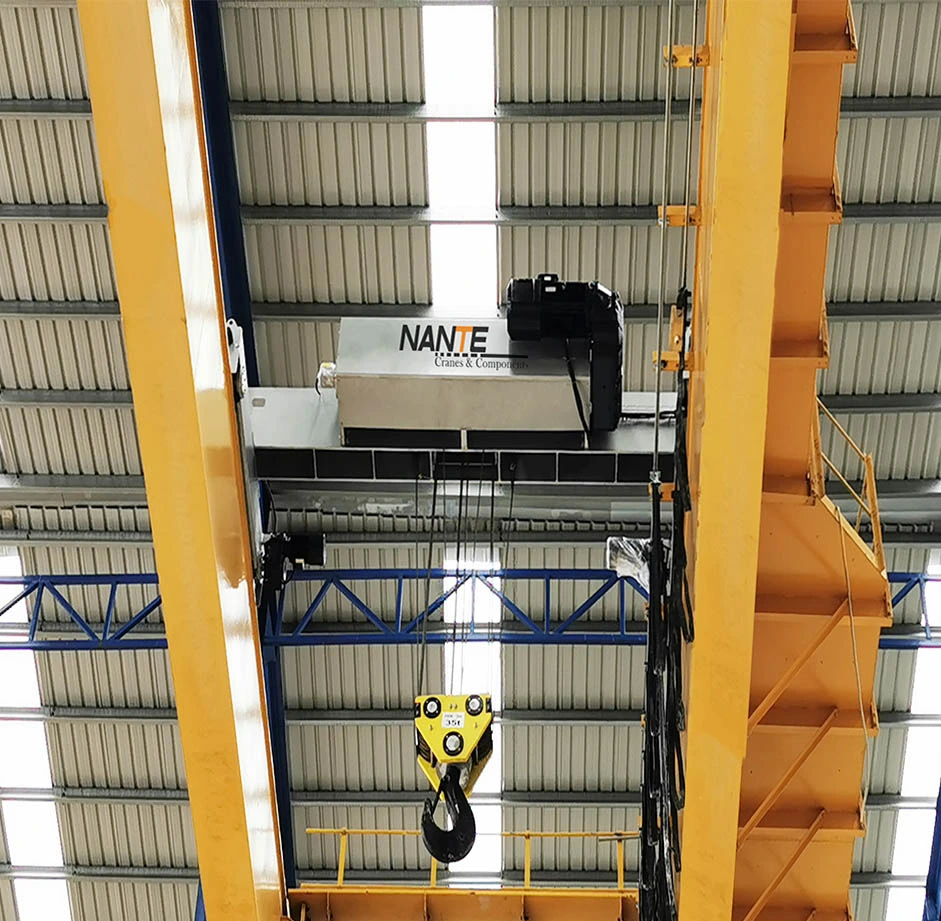
The custom-made wire rope hoist is designed for reliable performance in extreme environments and unique lifting requirements, since normal lifting machinery is not enough for such cases. The industries that manufacture steel, galvanizing, producing aircraft, among others, normally have tough working environments characterized by high temperatures, dust, moisture, and chemical agents that hinder the performance of normal hoists. This problem can be sorted out through custom-made wire rope hoists that are designed to perform up to 100 tons.
 Why Standard Wire Rope Hoists Fail in Extreme Environments
Normal wire rope hoists can work satisfactorily under controlled indoor environments. However, such machinery does not function well under challenging environments found in most industries. Environments that are exposed to high temperatures, dusty, and corroded due to the presence of chemical fumes are common sites of regular malfunctions. The safety margin of the equipment is compromised.
Limitations of Inverter-Controlled Hoists in Harsh Conditions
Inverter-controlled systems depend on sensitive electronic components. These components degrade rapidly in extreme conditions. High temperatures cause overheating of circuit boards and power modules. Dust accumulation leads to cooling failures and short circuits. Moisture ingress promotes corrosion inside enclosures. Chemical vapors accelerate insulation breakdown. As a result, these hoists suffer from unexpected downtime. They also face higher repair costs in harsh environments. A purpose-built wire rope hoist minimizes such risks. It favors simpler, more durable control methods.
Impact of Heat, Dust, Moisture, and Chemicals on Hoist Performance
Elevated temperatures reduce lubricant effectiveness inside wire ropes and motors. This change increases internal friction and wear. Dust particles clog ventilation paths. They also abrade moving parts. These actions raise operating temperatures further. Moisture fosters rust on wire ropes, drums, and structural elements. The rust weakens load-bearing capacity over time. Chemicals attack seals, coatings, and electrical insulation. They compromise both mechanical integrity and electrical safety. These combined factors shorten service life. They also elevate maintenance demands for standard wire rope hoists. Therefore, the hoists become unsuitable for continuous heavy-duty use.
When You Need a Purpose-Built Hoist Instead of Standard Equipment
Operations that involve non-standard lift geometries, extreme duty cycles, or aggressive atmospheres require a purpose-built wire rope hoist. Standard models cannot handle extended hook paths, frequent cycling, or precise vertical movement without drift. In these cases, custom-engineered crane hoist solutions become essential. Facilities facing these constraints achieve better reliability, safety, and productivity. They do so by selecting hoists designed specifically for their application rather than adapting general-purpose equipment.
Engineered for Extreme Environments: Key Design Advantages
A purpose-built wire rope hoist incorporates mechanical robustness. It also features reduced electronic dependence.
Contactor Control vs Inverter Control for Reliability
Contactor-based control systems provide superior resilience. They outperform inverter setups in harsh conditions. Contactors tolerate wide temperature swings and contamination. They do so without the complex programming or sensitive circuitry found in variable frequency drives. This simplicity results in fewer failure points. It also allows easier on-site troubleshooting. For extreme environment wire rope hoist applications, contactor control ensures consistent operation. It supports uninterrupted material handling during high-heat or dusty shifts.
Mechanical Conical Rotor Motor with Integrated Brake
The mechanical conical rotor motor generates strong starting torque. It integrates the brake directly into the rotor assembly. This configuration delivers reliable stopping power. The power comes through physical engagement rather than electronic sensors. The design reduces vulnerability to environmental damage. The system handles high switching frequencies effectively. It maintains braking performance in elevated temperatures or contaminated air. Such mechanical integration enhances safety and longevity in heavy-duty crane hoist operations.
Reduced Dependence on Sensitive Electronics
Purpose-built designs limit reliance on fragile electronic modules. They emphasize mechanical solutions for core functions like speed regulation and braking. This approach improves overall system uptime. It also allows maintenance teams to service the hoist with standard tools. They avoid specialized diagnostic equipment. In dusty, moist, or chemically aggressive environments, the reduced electronic footprint translates to lower failure rates. It also leads to extended service intervals for the wire rope hoist.
 Solving Non-Standard Lifting Challenges
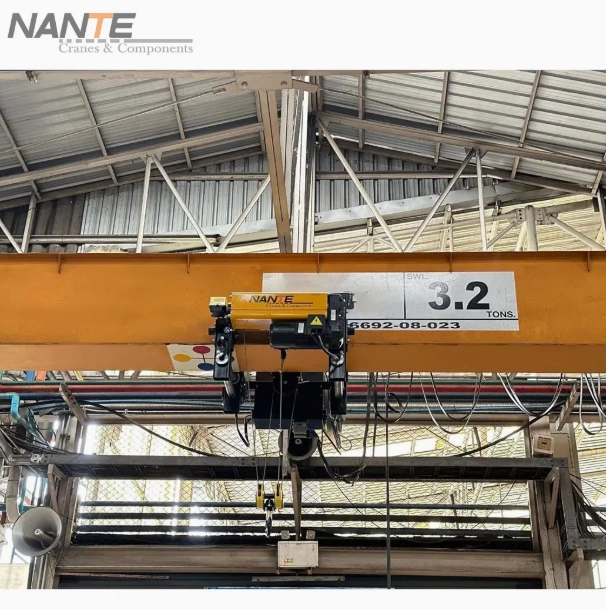
Non-standard lifting applications demand flexibility. Catalog hoists typically offer limited options. A purpose-built wire rope hoist meets these needs.
Extended Lift Heights up to 340 ft
Many processes require exceptionally long vertical travel paths. Examples include tall structures or deep handling areas. A purpose-built wire rope hoist supports lift heights reaching 340 feet. It preserves rope tension stability and load control throughout the full range. Custom drum and reeving arrangements prevent slack or excessive wear. They ensure safe and reliable performance even at maximum extension.
High Frequency Starts and Stops Handling
Applications involving rapid or repeated cycling place severe stress on motors and braking systems. Purpose-built crane hoists accommodate high numbers of starts and stops. They use reinforced components and optimized motor technology. This capability prevents overheating and mechanical fatigue. It allows operators to maintain productive cycle times. The equipment durability stays intact.
Custom Reeving for Precision and True Vertical Lift
Custom reeving configurations eliminate lateral drift. They ensure true vertical load movement. Engineers adjust rope paths and pulley arrangements. In this way, they achieve precise positioning even in complex setups. This feature proves valuable when loads must align accurately with fixtures or assembly points. It reduces operational risks. It also improves workflow efficiency in non-standard lifting wire rope hoist scenarios.
Flexible Configurations for Complex Industrial Applications
A purpose-built wire rope hoist adapts seamlessly to diverse crane system layouts. Its modular nature supports integration across various material handling infrastructures.
Stationary, Monorail, and Double Girder Crane Applications
The hoist operates effectively in fixed stationary roles. It also works along monorail tracks or mounted on double girder overhead cranes. Each setup leverages the same core mechanical strengths. These strengths provide consistent lifting performance. This versatility allows facilities to standardize on one robust hoist platform. They apply it across multiple crane types.
Use as Winch or Traveling Hoist
Operators configure the unit as a stationary winch. They use it for pulling or tensioning tasks. They can also set it as a traveling hoist on crane bridges. This dual functionality expands application options in workshops, production halls, and assembly areas. The design maintains full rated capacity and safety features in both configurations.
Adaptation for Custom Trolley and Crane Systems
Foot-mounted and trolley-mounted options facilitate straightforward adaptation. They fit bespoke crane trolleys and supporting structures. Engineers tailor mounting points and dimensions. They match specific spatial constraints and load paths. This flexibility simplifies integration into existing or newly designed crane component systems.
High-Capacity Performance for Heavy-Duty Industries
Lifting Capacity up to 100 Tons
The hoist handles loads reaching 100 tons. It provides stable operation across the entire duty cycle. Reinforced drums, gears, and wire ropes distribute forces evenly. They prevent deformation under peak stress. This capacity supports large-scale material movement in metal fabrication, assembly, and processing facilities.
Load Hold Brake for Safety-Critical Operations
Integrated load hold brakes activate automatically. They respond during power loss or control interruptions. The activation prevents unintended descent. This mechanical safety feature maintains load position reliably. It proves essential in overhead lifting. Any drift could endanger personnel or equipment. The brake system enhances compliance with stringent industrial safety standards.
Ideal for Galvanizing, Steel, and Aviation Industries
Steel mills, galvanizing lines, and aviation manufacturing facilities operate in atmospheres. These atmospheres combine heat, corrosive fumes, and precision requirements. The purpose-built wire rope hoist withstands these conditions. It delivers accurate load handling. Its robust construction supports continuous duty. The duty occurs in aggressive environments typical of these sectors.
Precision Lifting with Advanced Motor Technology
Accurate load positioning sets a purpose-built wire rope hoist apart from basic models. Advanced motor systems provide fine control. They do so without sacrificing lifting power.
Co-Axial F10 Motor and FG Microspeed System
The co-axial motor layout works with a mechanical microspeed system. It enables smooth transitions between full-speed lifting and creep speeds. This arrangement allows precise inching for delicate placement tasks. It maintains overall system simplicity suitable for harsh conditions.
Dual Motor Configuration for Speed and Accuracy
Dual-motor setups separate high-speed main lifting from low-speed positioning duties. Operators benefit from rapid cycle times when moving loads over distance. They also gain millimeter-level accuracy during final placement. The configuration reduces mechanical shock during speed changes.
Eliminating Load Drift and Improving Positioning
Mechanical microspeed control minimizes unintended load movement. It acts during acceleration or deceleration phases. The system holds position securely. It delivers exact spotting. These actions lower risks in precision-dependent applications such as component assembly or alignment tasks.
Partner with Nante Crane for Your Custom Hoisting Needs
Nante Crane is a leading manufacturer with more than 30 years of experience. The company produces high-quality crane components and complete lifting solutions. It offers modular and customizable wire rope hoists. It also supplies overhead cranes, gantry cranes, and other systems. These are tailored for safety, efficiency, and performance in demanding industrial applications across metal and steel, aviation, shipbuilding, mining, and more. Contact Nante Crane today to discuss your extreme environment or non-standard lifting project. Receive expert consultation on the right purpose-built wire rope hoist solution.
FAQ
When should I choose a non-standard lifting wire rope hoist?
Choose this type when standard hoists cannot satisfy required lift heights, high-frequency duty cycles, precision positioning needs, or environmental tolerances present in the facility.
Can wire rope hoists operate reliably in extreme temperatures and harsh conditions?
Yes. Purpose-built designs equipped with mechanical controls, conical rotor motors, and reinforced components maintain consistent performance. They work in high heat, heavy dust, moisture, and chemical exposure. Inverter-based units typically fail in these settings.