English


How to Choose the Right Enclosed Conductor Rail for Your Overhead Crane or Gantry Crane
How to Choose the Right Enclosed Conductor Rail for Your Overhead Crane or Gantry Crane
Date: 2026-04-17 Share:
An enclosed conductor rail supplies steady and safe electrical power to the moving parts of overhead cranes and gantry cranes.
What Is an Enclosed Conductor Rail and Why It Matters for Cranes
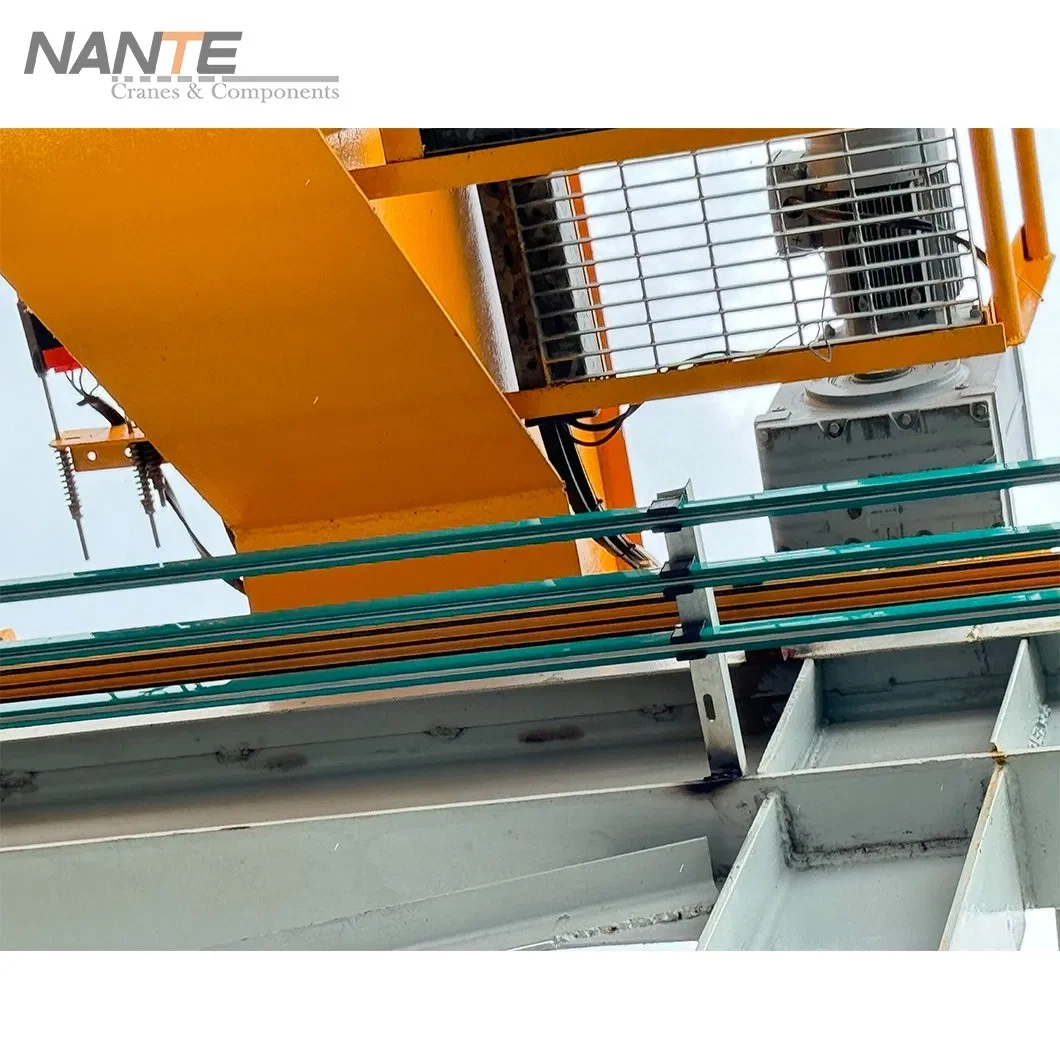
An enclosed conductor rail is a protected power transmission system. It is made for mobile equipment such as overhead cranes and gantry cranes. The rail has copper conductors that sit fully inside an insulating enclosure. This design stops direct contact with live parts. It also shields the conductors from dust, moisture, and mechanical damage.
How Enclosed Conductor Rails Supply Power to Overhead Cranes and Gantry Cranes
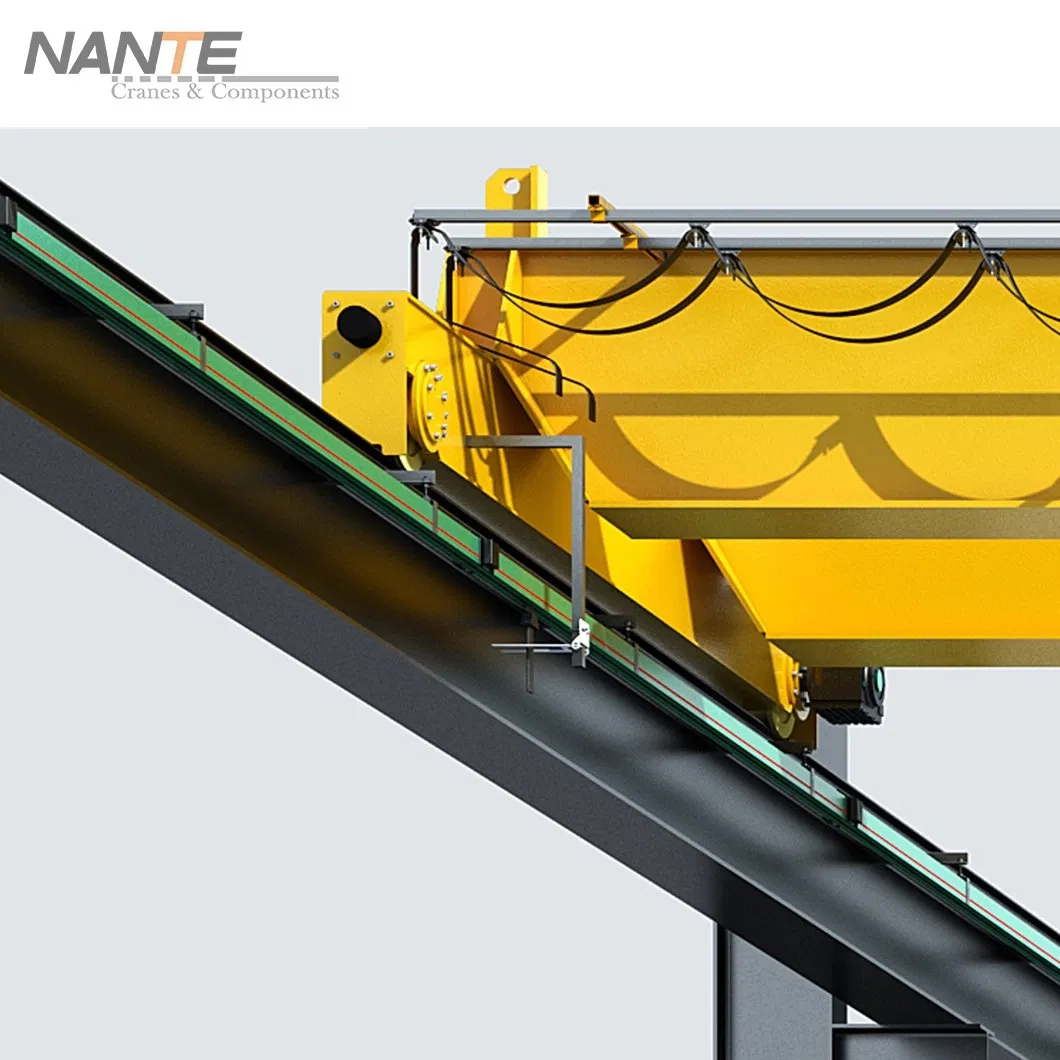
The enclosed conductor rail system moves electricity through sliding current collectors. These collectors keep steady contact with the conductors while the crane bridge, trolley, or hoist travels. Power comes into the rail at fixed feed points. It then flows smoothly to the crane motors and control systems. This steady supply allows smooth movement along straight or curved paths. It avoids cable tangling and the limits of festoon systems.
Key Components of an Enclosed Conductor Rail System
The main components include high-purity copper conductors. These ensure low-resistance power delivery. A strong PVC housing gives electrical insulation and mechanical protection. Current collectors with copper-graphite brushes provide reliable conductivity and longer wear life. Supporting elements such as joint boxes, end feeds, hangers, and towing arms finish the assembly. They help keep system integrity during crane movement.
Why the Enclosed Design Improves Safety and Durability in Crane Applications
The fully enclosed structure lowers the risk of electrical shock, short circuits, and accidental contact. It also protects the internal conductors from airborne contaminants that appear in industrial environments. This protection leads to fewer power interruptions. It also extends the operational lifespan of the entire power supply system for overhead cranes and gantry cranes.
Key Features of Enclosed Conductor Rails for Crane Systems
Enclosed conductor rails include several engineered features. These features make them suitable for crane power supply. The features focus on efficient energy transfer, strong protection, and easy operation.
High-Purity Copper Conductors for Efficient Power Transmission
The conductors use 99.9999% pure T3-level copper. This high purity gives excellent conductivity. It also reduces voltage drop even over longer travel distances that are common in overhead crane runways or gantry crane operations.
PVC Housing for Insulation and Extended Service Life
High-quality PVC with low calcium powder content forms the housing. This material keeps its shape. It offers good insulation and resists wear in tough industrial conditions. These qualities support reliable long-term performance.
Multi-Pole Designs and Current Capacity Options
Systems support different pole configurations. These include 4P, 7P, 10P, and higher. Current ratings range from 50A to 240A depending on the model. This flexibility lets users match the rail exactly to the electrical needs of various crane sizes and duty cycles.
Step 1 – Match the Enclosed Conductor Rail to Your Crane Type and Layout
Crane type and physical layout directly affect the right power rail configuration. Good matching prevents compatibility issues and improves system performance.
Power Needs for Overhead Cranes Versus Gantry Cranes
Overhead cranes usually work on elevated runways. They need rails that support both bridge and trolley movements. Gantry cranes often travel on ground-level tracks. They may face more exposure to weather or structural limits. The enclosed conductor rail works well for both crane types. It supports their specific travel patterns.
Straight Track Versus Curved Track Requirements
Most standard crane runways use straight rail sections. However, complex layouts or monorail-style paths need curved tracks. Custom curved options allow the enclosed conductor rail to follow the exact shape of the crane system. Performance stays the same.
Travel Length and Rail Configuration Considerations
Longer travel distances need careful planning of rail sections and power feed locations. Single-track or multi-track setups depend on whether the crane needs separate power for bridge travel, trolley movement, or auxiliary functions. Proper configuration keeps the power supply steady across the full operating range.
Step 2 – Calculate Electrical Requirements for the Crane Conductor Rail
Electrical calculations form the base of a reliable selection. Correct sizing stops overheating and controls costs.
Determining Current Capacity for the Enclosed Conductor Rail
Facility engineers calculate the total connected load. They add the requirements of hoist motors, trolley drives, bridge drives, and any auxiliary equipment. The enclosed conductor rail offers flexible capacities from 50A to 240A. This range covers small workshop cranes up to larger industrial overhead cranes and gantry cranes.
Voltage Matching and Load Demand Assessment
The selected rail must match the crane’s operating voltage. This voltage commonly stays within standard industrial limits up to 600V. Planners also check peak loads and duty cycles. They keep voltage drop within acceptable limits during full operation.
Power Calculation for Multi-Crane or Multi-Trolley Systems
When multiple cranes or trolleys share a common runway, the system must handle their combined simultaneous loads. Adding these demands ensures the enclosed conductor rail keeps stable performance without overload risks.
Step 3 – Consider Environmental Conditions for the Enclosed Conductor Rail
Operating environment plays a big role in system longevity and safety. The enclosed design gives built-in advantages for difficult conditions.
Indoor Versus Outdoor Applications for Crane Power Supply
Indoor workshops usually have controlled atmospheres. Outdoor gantry cranes meet rain, wind, dust, and temperature changes. The enclosed conductor rail works reliably in both settings. It gains extra value outdoors when users add proper sealing.
Dust, Moisture, and Corrosion Protection Features
Dustproof strips together with the sealed PVC housing guard against particles and moisture. These could cause arcing or degradation. These protections are especially useful in ports, steel plants, mining sites, and other dusty or humid locations where overhead cranes and gantry cranes work.
Temperature Resistance and Material Selection
The selected materials keep consistent performance across typical industrial temperature ranges. Galvanized components and reinforced parts improve resistance to corrosive atmospheres. These atmospheres are common in metal processing or outdoor construction environments.
Step 4 – Choose the Right Model and Configuration of Enclosed Conductor Rail
Final model selection sets the technical specifications. Available HFP series options from Nante provide tailored solutions for crane needs.
Comparing HFP52, HFP56, and HFP95 Models for Cranes
The HFP56 model supports currents up to 240A with 4 poles. It suits higher-load applications. The HFP52 handles 50A to 140A with 4 or 7 poles for medium-duty overhead cranes. The HFP95 offers 50A or 80A with 7 to 11 poles. It fits systems that need multiple control circuits.
Selecting the Number of Poles for Crane Operations
Basic power needs may require only a few poles. More complex overhead crane or gantry crane setups often need extra poles for control signals, grounding, or auxiliary circuits. Higher pole counts give the needed flexibility without reducing safety.
Custom Options Including Curved Tracks and Sealing
Customization includes curved rail sections, specific color coding, and enhanced dustproof features. These options help the enclosed conductor rail fit unique crane layouts and site-specific environmental challenges.
Installation and Safety Considerations for Crane Conductor Rail Systems
Correct installation increases system life and helps meet safety expectations.
Mounting Methods and Proper Spacing
Hangers and brackets secure the rail at recommended intervals. This prevents sagging or misalignment during crane travel. Proper spacing keeps consistent conductor alignment under dynamic loads.
Collector Alignment and Wear Prevention
Technicians must align current collectors carefully. This gives even contact pressure. The alignment reduces brush wear and keeps efficient power transfer throughout the crane’s service life.
Common Mistakes to Avoid When Selecting Enclosed Conductor Rails for Cranes
Several frequent errors can affect performance and safety.
- Selecting a current capacity too low for the crane’s total calculated load leads to overheating.
- Failing to account for environmental factors such as dust, moisture, or outdoor exposure.
- Inadequate planning of the full travel path results in insufficient rail sections or feed points.
- Overlooking the need for additional poles or custom features required by the specific crane configuration.
Why Choose an Enclosed Conductor Rail Over Other Types for Crane Power Supply
While several power supply options exist, the enclosed conductor rail offers clear benefits in many crane applications.
Enclosed Conductor Rail Versus Unipole Conductor Rail
The enclosed version gives full insulation and contamination protection compared to open unipole designs. This difference lowers maintenance needs and improves safety in active industrial environments where overhead cranes operate.
Benefits of Enclosed Systems Compared to Seamless Rails
Enclosed rails work especially well in dusty or moist conditions because of their better shielding. They combine straightforward installation with wide support for various current ratings and pole configurations. They deliver reliable service with lower long-term costs.
Get Your Custom Enclosed Conductor Rail Solution from Nante Crane
Nante Crane brings over 30 years of specialized experience as a leading manufacturer of cranes and crane components. The company produces high-quality enclosed conductor rails in the HFP series. It also provides fully customized solutions tailored to individual overhead crane and gantry crane specifications. Contact Nante Crane today. Share your crane specifications and receive expert guidance on the ideal enclosed conductor rail system.
FAQ
What current ratings are available for enclosed conductor rails used in cranes?
Available models typically range from 50A to 240A. Specific capacities depend on the chosen HFP series model and the requirements of the crane application.
Can enclosed conductor rails support curved paths on gantry cranes?
Yes. Custom curved track configurations are available. They accommodate complex crane layouts and specific travel requirements without losing performance or safety.