English



Chain Hoist Basics: What Is a Low Headroom Electric Chain Hoist?
Chain Hoist Basics What Is a Low Headroom Electric Chain Hoist
Date: 2026-03-26 Share:
A chain hoist acts as a dependable tool for lifting in factories and other industrial places. It helps raise and lower heavy items in a safe way. Among different kinds, the low headroom electric chain hoist works especially well when overhead space stays very limited. This type of electric chain hoist has a special low headroom chain hoist design. The design cuts down the space between the hook and the beam that supports it. As a result, people get more room for actual lifting height. It suits chain hoist for low ceiling workshop areas quite nicely. The unit stays small, runs quietly and smoothly, and boosts work speed. At the same time, it keeps safety and strength at a high level.
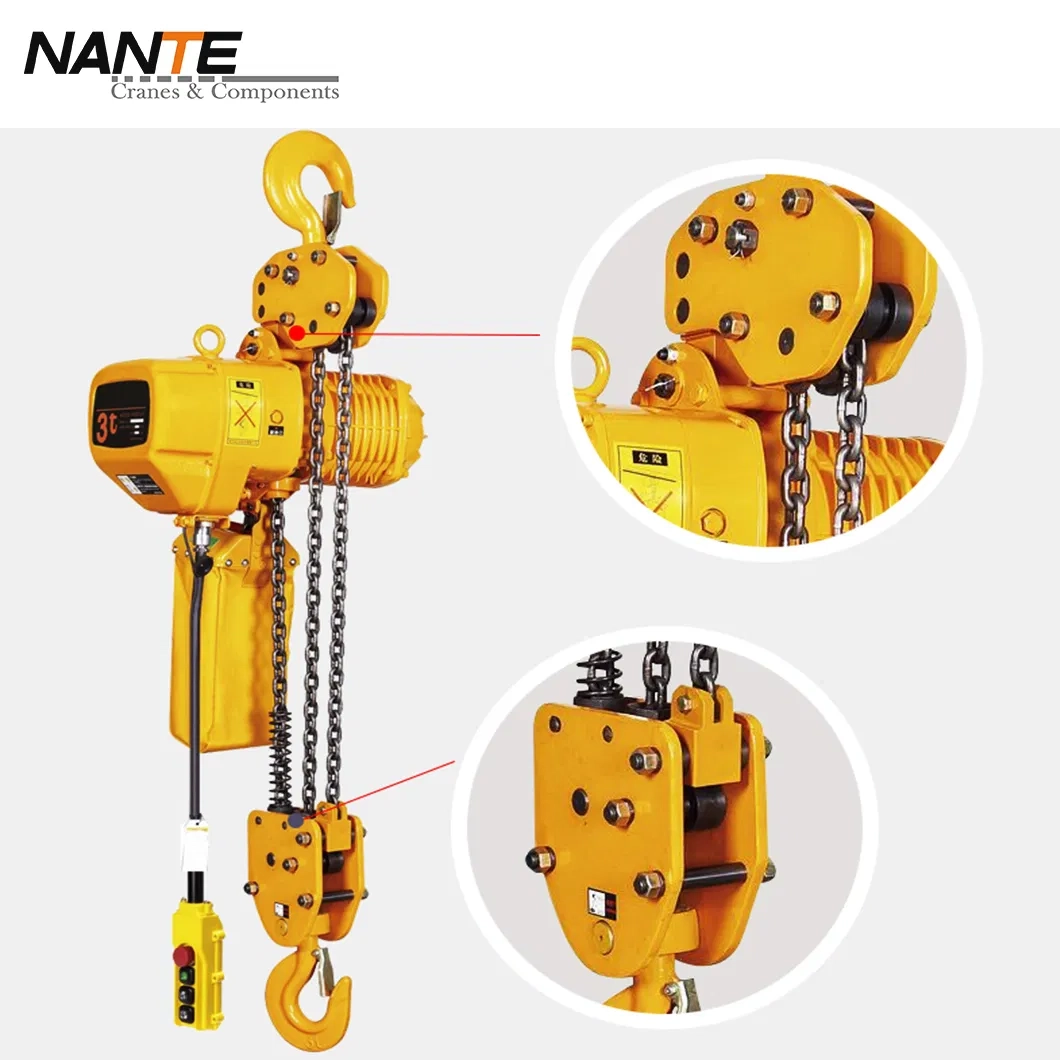
What Is a Chain Hoist?
A chain hoist serves as either an electric or hand-powered machine that lifts heavy things with a strong load chain. In today’s plants and storage buildings, electric models see the most use. They give steady and exact results with little work from the person operating them.
Electric chain hoists handle common material moving jobs in production lines, assembly areas, and repair shops. They create straight-up lifting motion and keep a small size. This makes them fit into crowded work zones without trouble.
Basic Components of a Chain Hoist
Several main parts join together to make the hoist run safely and well:
Motor: It provides the power. Many models come with two speeds. They often have IP55 protection and F-class insulation.
Load chain: This uses tough alloy steel links. The links receive heat treatment so they last longer and hold a big safety margin.
Hook: Workers forge this part and add a safety catch. It turns a full 360 degrees.
Gearbox: The housing uses compact aluminum or alloy material. It sends torque and keeps noise low.
Control system: People use pendant or wireless push buttons to move the load up or down exactly.
Other safety items include electromagnetic brakes, switches that stop overloads, and switches for top and bottom limits.
How a Chain Hoist Works
The electric motor turns the gearbox. Then the gearbox spins a sprocket that pulls the load chain. When someone pushes the control button, the hoist lifts or lowers the load. The chain moves over the sprocket in a clean vertical path. Once power stops, the brake grabs right away and holds everything steady. Options for different speeds help place loads very precisely. Built-in switches stop the hoist from going too far up or down.
What Is a Low Headroom Electric Chain Hoist?
A low headroom electric chain hoist represents a special version built for places with little space above. Standard models take up more room from hook to beam. This one shrinks that distance a lot, usually by 200-500 mm or even further.
The hoist performs best in buildings where height stays fixed but people still need the longest possible lift.
Definition of Low Headroom Design
Low headroom hoist meaning points to the small gap left between the beam and the hook. The hoist body sits off to the side or partly beside the beam rather than right on top. This low headroom chain hoist design gives much more usable lifting distance. No one needs to lift the crane track or change the building roof.
Key Structural Features
The low headroom chain hoist structure includes several smart changes:
Motor placed on the side or offset to keep the height low.
Gearbox built compact with aluminum housing made by CNC machines.
Trolley for low clearance that stays close to the beam edge. It works on single or double rails.
Body sealed fully to stop oil from leaking and dust from getting in.
Chain built with a high safety factor plus an electromagnetic brake.
These parts form a light but strong hoist. It works fine on overhead cranes and monorail tracks.
Advantages of Low Headroom Chain Hoists
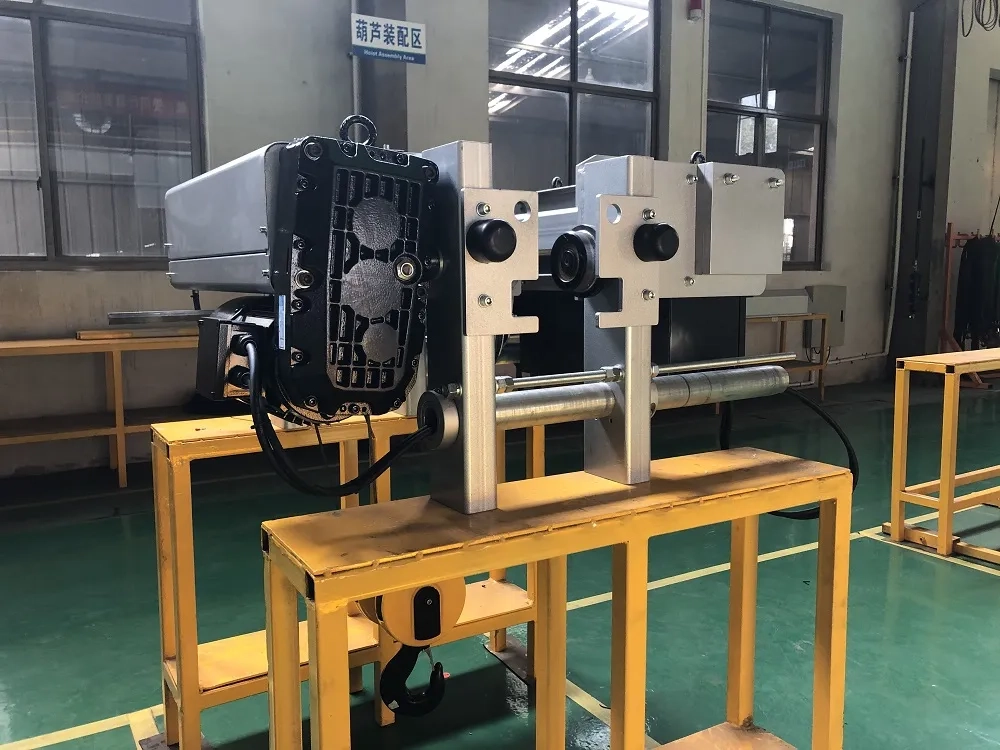
Low headroom electric chain hoists bring clear benefits to areas short on space. Their small shape turns tight workshops into places that get more done.
Maximize Lifting Height in Limited Spaces
The shorter distance from hook to beam adds a good amount to lifting range. In the same building height, workers reach taller loads or stack items higher. This change improves storage space and makes daily work flow better.
Compact Structure for Workshop Cranes
The thin shape matches chain hoist for low ceiling workshop needs perfectly. It uses all available space without expensive fixes to the building. Repair areas, older plants, and maintenance spots gain the most from this smart layout.
Smooth Operation and Precise Lifting
Motors with two speeds, quiet gearboxes, and solid brakes create steady motion. Operators place loads down to the millimeter. This cuts down on swinging and raises safety during repeated jobs.
Applications of Low Headroom Electric Chain Hoists
These hoists fit right into many crane setups where normal ones take too much room.
Overhead Crane Systems
In single-girder or double-girder overhead cranes, the low headroom electric chain hoist acts as the main lifting part. It moves across the area smoothly and keeps the hook as high as possible for full use of the space.
Gantry Crane and Monorail Systems
Movable or fixed gantry cranes and monorail paths rely on these hoists for straight-line material handling. The small trolley makes setup simple and keeps performance steady in assembly lines or work stations.
Factories with Low Ceiling Height
Older factory buildings or sites with tight roof space depend on these hoists. They allow good lifting in manufacturing, storage, shipping, shipbuilding, and bridge work without changes to the structure.
How to Choose the Right Chain Hoist for Your Facility
Picking the best model means matching the site setup to what the hoist can do. This ensures safe and lasting results.
Load Capacity and Lifting Speed
Compare capacity to the heaviest loads expected. Usual sizes go from 250 kg to 5,000 kg for normal duty models. Some stronger ones reach 25,000 kg. Pick single-speed for basic jobs or dual-speed when exact placement matters.
Lifting Height and Headroom Requirements
Measure the headroom on hand and the lift distance needed. Choose low headroom types when space drops below normal levels. Make sure hook travel meets the work demands.
Duty Class and Safety Features
Go with duty class M4 or M5 for medium to heavy tasks. Key safety items cover electromagnetic brakes, overload guards, limit switches, and low-voltage controls. Check that the hoist meets standards like FEM and CMAA.
Chain Hoist vs Wire Rope Hoist: Which Is Better?
Both kinds handle industrial lifting jobs. Still, they differ in build and best uses.
Performance Differences
Chain hoists give straight vertical lift, stay small, weigh less, and need simpler upkeep. They manage 0.5–10 tons, sometimes up to 25 tons in certain lines. They run quietly and chain swaps stay easy.
Wire rope hoists carry bigger weights, up to 50+ tons. They reach longer lifts and handle very hard continuous work. But they grow larger, demand more care, and can shift sideways a bit while lifting.
Chain hoists usually cost less at first and fit frequent medium-duty cycles. Wire rope types shine in rare very heavy lifts.
Best Use Cases for Each Hoist Type
Pick chain hoists for low ceiling workshops, monorails, assembly lines, and overhead cranes that need small size and exact control.
Choose wire rope hoists for big capacity jobs, very tall lifts, or tough settings that call for top strength.
Ready to Optimize Your Lifting Operations?
Nante Crane stands as a leading manufacturer with over 30 years of experience. The company focuses on smart, energy-saving lifting solutions. Their electric chain hoists include the NCHA series (250 kg–5,000 kg, M4–M5 duty) and NCHC series (250 kg–25,000 kg, M4 duty with low headroom configurations). These units offer compact builds, efficient motors, aluminum gearboxes, sealed bodies, and strong safety features. The hoists work well with overhead cranes, gantry cranes, and monorail systems. They make the most of space in low-ceiling places. Contact Nante Crane today to talk about how a low headroom electric chain hoist can improve performance and space use in the facility.
FAQ
What is the main benefit of a low headroom electric chain hoist?
It reduces headroom requirements to maximize lifting height in tight spaces.
Can a low headroom chain hoist be used on overhead cranes?
Yes, it integrates seamlessly into overhead crane, gantry, and monorail systems.
How does a chain hoist differ from a wire rope hoist in low-ceiling workshops?
Chain hoists provide a more compact size, true vertical lift, and easier maintenance, making them superior for limited headroom compared to bulkier wire rope models.
What factors determine the right load capacity?
Assess maximum load weight, lifting frequency, duty class, and available headroom for safe, efficient selection.