English



Why Does a Wire Rope Hoist Drift After Stopping Wire Rope Hoist Brake Problem Guide
Date: 2026-07-17 Share:
A Wire Rope Hoist Brake Problem could be described as a hoist brake condition that allows load to creep or allow hoist to not stop in a timely manner after release of the brake button. This problem can also cause the hoist brake to slip. In many cases drift is though of as a positioning problem for the hoist but it can also be a serious safety issue caused by wrong brake adjustment, VFD brake delay, mechanical wear or electrical control malfunction. Because the wire rope hoist is lifting loads in the vertical plane, any movement of the load after hoist has come to a stop is a safety warning.
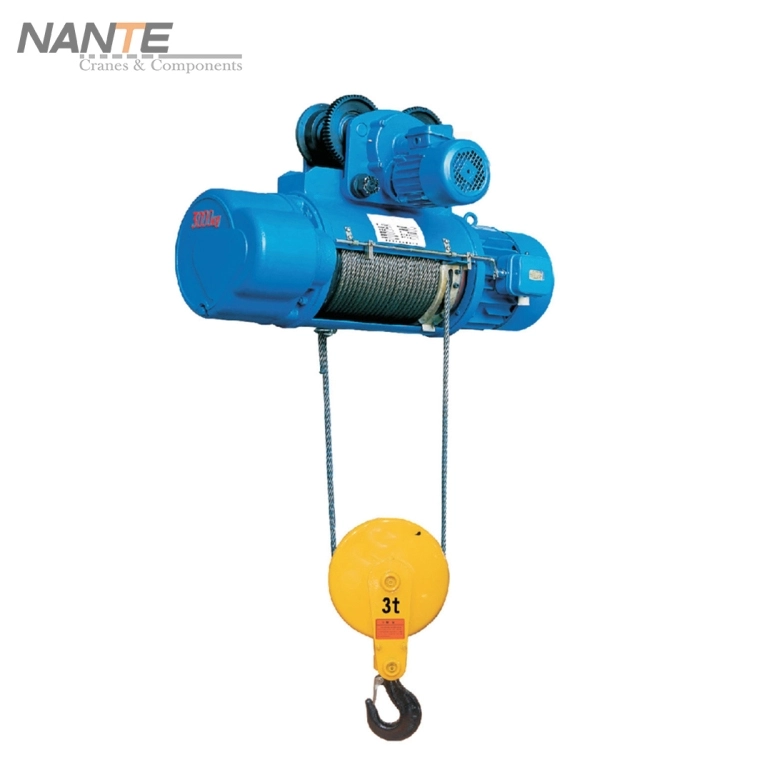
Symptoms of Hoist Brake Slipping After Stopping
Load Creeps Down After the Stop Command
The most obvious sign of this problem is downward load movement when the hoist is stopped. As the brake heats up the hook may move slightly downward at first. Then as the friction material wears further the load will continue to drift downward.
Brake slipping of a hoist holding brake typically occurs when the holding brake does not have sufficient torque or when the brake engages too late.
Hook Overshoots the Target Position
Late stopping: Even after releasing the button, the hook continues to move before it comes to a stop.
Deceleration under control is expected, however, the load should then stop when the brake has fully engaged. Overshoot on repeated stops is due to VFD brake delay or low brake torque or incorrect stop sequencing.
Noise, Heat, or Burning Smell
A slipping brake can produce a squealing, grinding, vibrating or even a burning smell. All these symptoms can be caused by glazed friction surfaces, oil contamination, overheating or incorrect brake setting.
Main Hoist Drift Causes
Worn Brake Disc, Pad, or Friction Surface
Brake friction parts wear gradually in normal operation. If the disc or pad becomes too thin, is polished, is cracked, is covered with oil or is badly worn unevenly, the brake will no longer be able to hold a load.
Hoist is drifting due to direct cause. Hoist may temporarily be adjusted, but the damaged friction parts will likely require replacement.
Incorrect Brake Adjustment
An over sized brake gap may cause slow engagement of the brake. A weak spring force may reduce holding torque. A setting that is to tight may cause brake drag, excessive heat and premature wear.
Adjust the brake correctly according to the hoist manual. You want the brake to release cleanly and hold well, so it’s not worth risking incorrect setting.
VFD Brake Delay or Poor Stop Sequencing
For a VFD-controlled hoist, the motor and brake must function in the correct sequence. The drive function should continue to produce required torque as the mechanical brake closes.
A common problem that occurs with suspended loads is that the motor torque will drop off to soon and allow the load to creep before the brake has attained its full holding force. On the other hand, the hook may be to overshoot if the brake engages to late. When troubleshooting brakes on a VFD, one must pay close attention to the brake delay, brake engage timing, brake closing time and holding torque logic.
Electrical Control Problems
A brake may be mechanically sound and yet electrically slow. This could be due to a number of reasons including weak coil voltage, a faulty rectifier, dirty or loose terminals, a delayed relay, or unstable control power.
For this symptom, the problem appears to be hoist brake slipping, but is actually located in the hoist’s electrical circuit.
Mechanical Wear or Overload
While much drift is caused by failure of the brake to hold load, many other instances of drift can occur due to worn gears, excessive coupling clearance, bearing looseness, brake drum movement, and even excessive wire rope slack allowing hook to travel while brake is applying.
Hoists are designed to generate certain amounts of brake heat and mechanical stress at their rated capacity or duty class. If there is any indication of drift under heavy loads, investigate the application prior to replacing any parts.
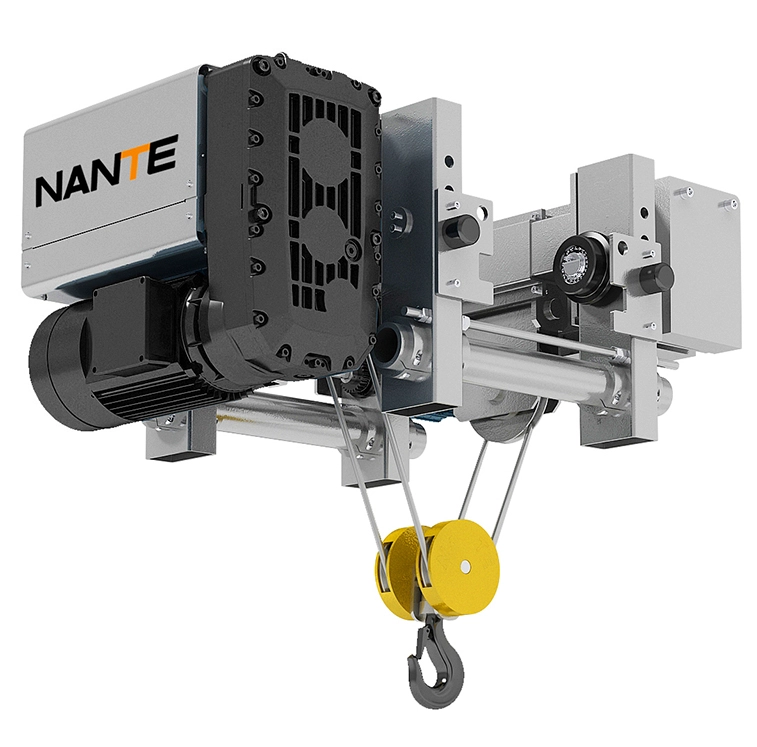
Brake Troubleshooting: Step-by-Step Inspection
Step 1: Stop Operation and Secure the Load
A wire rope hoist that continues to move after being stopped must be taken out of service. The load can then be lowered. The hoist then can be isolated from service to prevent others from operating the hoist.
Step 2: Record the Symptoms
Before inspection, record:
1.Whether the hook drifts up, down, or both
2.Whether drift happens with no load or only under load
3.How far the hook moves after stopping
4.Whether the issue appears cold or after repeated operation
5.Whether the hoist uses contactor control or VFD control
These details help differentiate brake wear from VFD brake delay or electrical related faults.
Step 3: Inspect the Brake Assembly
Inspect the brake disc, pad, spring, armature, brake clearance, mounting bolts and friction surface for signs of oil, dust, heat discoloration, cracks and uneven wear.
If the surface is contaminated, find the source of contamination before installing new parts.
Step 4: Test the Electrical Brake Circuit
Measure the voltage to the brake coil during start, run and stop commands. Verify the connections, rectifier output, contactor operation, relay timing and emergency stop function.
Brake releases when commanded, and engages promptly when power is removed.
Step 5: Review VFD Parameters
For VFD-controlled hoists, check the brake release time, brake engage delay, brake closing time, minimum holding frequency, deceleration ramp, and fault response.
Release of torque from the drive should not occur until the brake has physically locked up and is able to hold the load.
Solutions for Wire Rope Hoist Brake Problem Cases
Replace, Adjust, or Repair Based on the Root Cause
Thin, cracked, glazed, or oil-soaked friction parts are best replaced rather than reworked repeatedly. Test the hoist after replacement and before putting it back into service.
If the brake gap or spring force is not set correctly, this must be reset in accordance with the relevant technical manual. Testing should then start without any load, with a light load and then with the working load.
If VFD brake delay is causing the problem, resequence to have motor hold load during brake close. Smooth stopping is good but holding load is more important.
If the cause of the fault is electrical, replace any damaged components such as coils, rectifiers, relays and contactors. Also check the wiring for looseness and ensure that the control voltage is stable.
Backlash, wear of the gearbox, or looseness of the drum can cause drift. Drift is not fixed by adjusting the brake. Repair the mechanical path to the drum to fix drift.
Preventive Maintenance to Avoid Hoist Drift Causes
Daily Operator Checks
Before lifting any production loads, operators must check several items, including: brake function; hook operation; wire rope condition; limit switch operation; any abnormal noise; and any visible damage.
Periodic Technician Checks
Brake clearance should be measured, friction surfaces should be inspected, coil voltage should be tested, VFD settings should be reviewed, gearbox condition should be checked and overload and position protection devices should be verified.
FAQ
Is hoist drift after stopping normal?
No. Controlled deceleration prior to final stop is acceptable, but continued movement after brake application is not normal.
Can brake adjustment fix all hoist drift causes?
No. This only sets up the brake gap or spring force. Drift could be from VFD brake delay, electrical fault, gearbox wear or overload.
What is the most common cause of hoist brake slipping?
Worn brake friction parts, incorrect brake adjustment, oil contamination, weak spring force and late engagement of the electrical brake are common causes.
Should I keep using a hoist that drifts slightly?
No. Even the slightest movement or wear can rapidly increase under higher loads or with repeated use. Check the hoist before continuing to use it.
Nante Crane manufactures cranes, electric hoists, lifting devices, crane control panels and lifting equipment parts for industrial lift. Our products can be used for various kinds of overhead cranes, gantry cranes, wire rope hoists and open winches. In addition, we also design and manufacture crane control systems as well as other custom-made lift equipment. For choosing the proper Wire Rope Hoist Brake parts or building up a safe lifting system, Nante Crane will be your best choice and we are here to help you with any question.
If you are dealing with a Wire Rope Hoist Brake Problem or planning a safer lifting system, contact Nante Crane today to discuss your application and get professional lifting equipment support.