English



What Information You Need Before Choosing a Crane—And How to Gather It
What Information You Need Before Choosing a Crane—And How to Gather It
Date: 2026-02-05 Share:
Buying the correct crane calls for close focus on technical details. This helps ensure good work, safe running, and rule following. This full crane requirements checklist serves as the main crane specification gathering guide. It lets buyers gather the information needed for crane purchase in an orderly way. Buyers note key factors like rated lifting capacity, structural span, duty classification, environmental exposures, and site-specific constraints ahead of time. This gives suppliers the exact facts needed for building right plans and custom fixes.
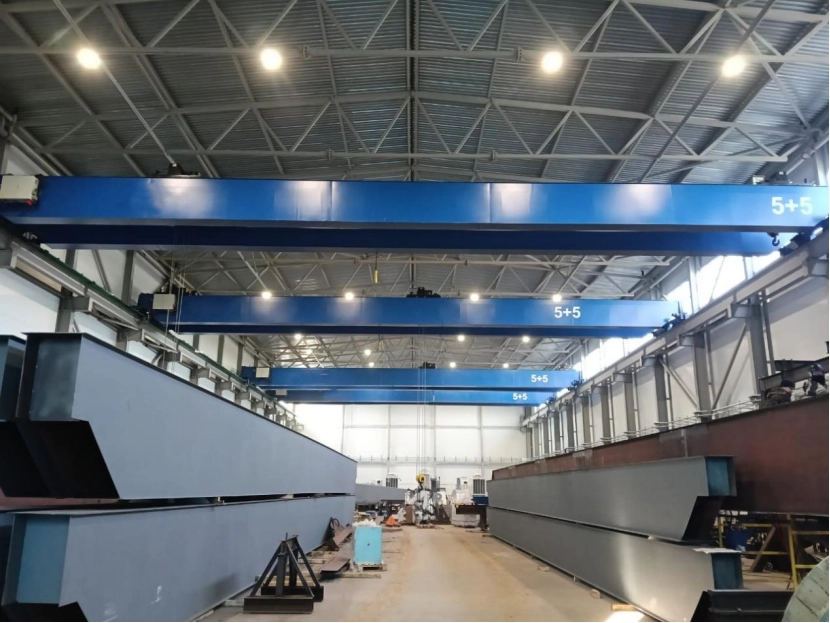
Why Use a Crane Requirements Checklist for Procurement
Using a strict crane requirements checklist helps lower risks from wrong gear. Missing or wrong information needed for crane purchase often leads to many quote changes. It causes longer wait times. It raises costs. And it brings safety issues. Groups like the Crane Manufacturers Association of America (CMAA) and ASME stress that full early detail collection stands as basic for the crane to fit planned work cycles, place needs, and safety rules. A ready checklist aids exact building. It picks best parts. And it helps follow world rules. In the end, it boosts work output and cuts total own costs.
Crane Specification Gathering Guide: Step-by-Step Process
This crane specification gathering guide sets out a clear method. Do full site checks. Look at work patterns. Note place exposures. Check fitting rules. And pull all facts into one clear pack for suppliers.
Step 1: Determine Lifting Capacity and Span (Information Needed for Crane Purchase)
Set the top rated load clearly. Include the heaviest single piece or set to handle. Add load setups like coils, machinery, pallets, or odd shapes. Figure the needed crane span as the open space between runway rails. Make sure it covers the full work zone. Add right safety extras (often 15–25% over normal load). And plan for later load growth or work growth. These facts shape the main build. They affect beam size, hoist pick, and full steadiness.
Step 2: Specify Lifting Height and Travel Distances
Find the needed hook height from the work floor to the top lift spot. Include space over machines, stored items, or build blocks. Note hoist lift range, trolley move along the bridge, and bridge move along runway rails. Think about least hook reaches (space from end stops to hook center). And note overhead blocks like roof frames, HVAC setups, or pipes. True size facts ensure good hoist rope work, trolley build, and bump stop systems.
Step 3: Evaluate Duty Class and Usage Frequency
Group the crane by CMAA service types (Class A through F). Base it on planned cycles per hour, daily work shifts, and load range (average load as percent of rated capacity). For example, Class A (standby or rare use) fits fix tasks with low runs. Class E or F (hard use) handles often, near-full lifts in tough spots. Measure work facts with time checks or records. This sets average load and cycles per shift. Right grouping sets motor size, brake strength, and build adds to stop tiredness and keep long life.

Step 4: Assess Environmental Conditions (How to Collect Crane Site and Operational Info)
Do full place checks. Record air heat ranges (with highs and lows), wet levels, air dust or bits, harm agents (like chemicals, salt water), and danger types (like blast-proof needs per ATEX or NEC). Tell indoor set places from outdoor ones to wind, rain, or sun rays. Check power steady, air flow, and shake risks. These points guide pick of materials, cover coats, seals, and special parts like weather boxes or anti-rust care.
Step 5: Review Safety, Compliance, and Certification Requirements
Find all fitting rule sets. These include OSHA 1910.179, ASME B30 series, CMAA specs, ISO standards, and local or country codes. Note must-have certs like CE mark, ISO 9001 quality check, or blast-proof rates. List needed safety setups: overload limiters, emergency stops, limit switches, anti-bump tools, warning lights, and sound alerts. Add choices for control ways (pendant, radio remote, or cab set) and worker train plans. Rule papers ensure legal run and put worker safety first.
Step 6: Gather Additional Site and Operational Data
Note power details (voltage, phase, frequency, and ground), runway rail kind and line, build load strength (column loads, base facts), and runway beam bend limits. Measure true hook reaches, side spaces, and any needed special crane components such as open winches, chain hoists, end carriages, festoon systems, or conductor rails. Note auto needs, move rules, or link to current goods handle systems. Full site facts cut set-up shocks. And they allow best build.
What Data to Provide Crane Suppliers for Accurate Quotes
Put together a full fact pack with:
- Rated capacity, span, hook height, and travel distances
- Duty classification, cycle counts, and load spectrum
- Detailed environmental conditions and protective requirements
- Compliance standards, safety features, and certifications
- Power supply, structural, and runway specifications
Sending this what data to provide crane suppliers lets makers do true build checks. They pick right parts. And they give strong, fit quotes with few changes.
How to Collect Crane Site and Operational Info Effectively
Use skilled engineers for site looks with set tools like laser range finders, digital levels, and place watchers. Watch and note real work over sample times. This catches true work cycles and load changes. Use marked drawings, photos, and 3D outlines for true lay views. Work with plant runners, fix teams, and build engineers. This checks ideas and spots possible limits. Ordered noting keeps fact strength and supplier trust.
Buyer Checklist for Crane Procurement: Tools and Templates
Use a set buyer checklist for crane procurement form in easy PDF or Excel style. Group parts for capacity/span, lift/travel sizes, duty type, place factors, safety/rule, and extra site facts. Add sheets for site sizes, work notes, and photo proof. These aids ease fact get, help inner checks, and make pro send packs set for supplier looks.
Real-World Examples of Applying the Checklist
Warehouse overhead crane: Class C (moderate service), 20-ton capacity, 60-ft span, indoor controlled environment with standard ambient conditions and low dust exposure.
Outdoor gantry crane: Class D (heavy service), corrosion-resistant coatings, variable weather including high humidity and wind loads.
Industrial heavy-duty application: Class E/F (severe service), explosion-proof features, frequent near-capacity lifts in a high-temperature, dusty metallurgical facility.
Common Mistakes to Avoid in Crane Requirements Gathering
Low guess on duty type often speeds part wear and surprise stops. Skip of place details can bring rust, power breaks, or short life. Miss of later capacity growth or build limits needs costly add-ons. No early multi-team input risks key fact loss. Strict check and pro advice stop these usual traps.
FAQ
What information should I provide to crane suppliers?
Key facts cover lifting capacity, span, hook height, travel distances, duty classification, environmental conditions, power supply, structural details, safety features, and compliance requirements for precise engineering.
How do I collect crane specifications parameters accurately?
Do site checks with exact tools, watch work for duty proof, use set forms, add drawings and photos, and ask engineers for full, checkable facts.
Why is a crane requirements checklist important for procurement?
It ensures true quotes, cuts errors and changes, boosts safety and rule follow, and improves talk for smooth, low-cost job finish.
Submit Your Completed Crane Requirements Checklist to Nante Crane for Tailored Expertise and Support
As a leading manufacturer with over 30 years of experience, Nante Crane (Shaoxing Nante Crane Equipment Co., Ltd.) delivers intelligent, high-quality, energy-efficient crane solutions worldwide.
Our extensive product portfolio includes single and double girder overhead cranes, single/double girder and truss gantry cranes (including rubber tyre and semi-gantry types), specialized construction cranes such as launching gantries, segment lifters, and form travellers, flexible workstation cranes like jib and light systems, and robust offshore cranes including davit types.
Nante Crane provides comprehensive services encompassing technical consultation, customized design, installation support, maintenance, spare parts supply, and rapid global response. Complete your crane requirements checklist today and submit it via our contact form or directly to our sales team for a precise, competitive quotation, expert technical consultation, and long-term partnership. Reach out now:
- Email: sales@nantecrane.com
- WhatsApp: +86-18857573288 (Sand Zheng) or +86-15158039997 (Lexie Mao)
- Phone: +86-575-81260826