English



Overhead, Gantry, or Jib Crane: Which One Fits Your Job?
Date: 2026-03-05 Share:
Picking the correct crane can change how well material handling works. It can also improve safety in daily tasks. Overhead crane, gantry crane, and jib crane each fill different roles. These roles depend on work space, load needs, and setting. This guide looks at overhead vs gantry crane. It also checks gantry crane vs jib crane. The goal is to aid in picking the best lift tool for needs. This holds true for big industrial lifts or exact work station jobs.
Understanding the Basics: What Each Crane Type Offers
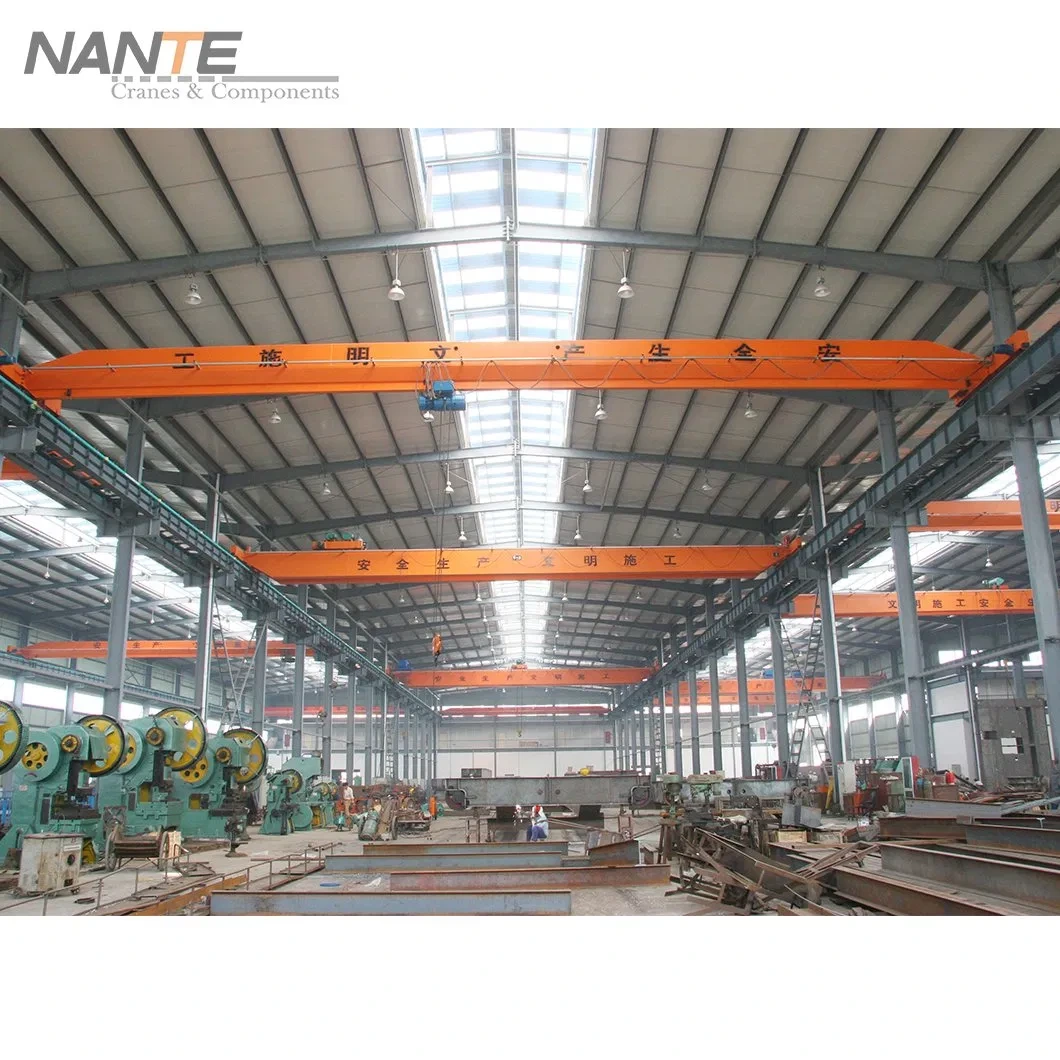
Overhead crane has a bridge and trolley setup. This mounts on raised runways. The runways fix to the building frame. It gives total reach over big inside spaces. It holds high load weights. Thus, it fits steady, tough jobs well.
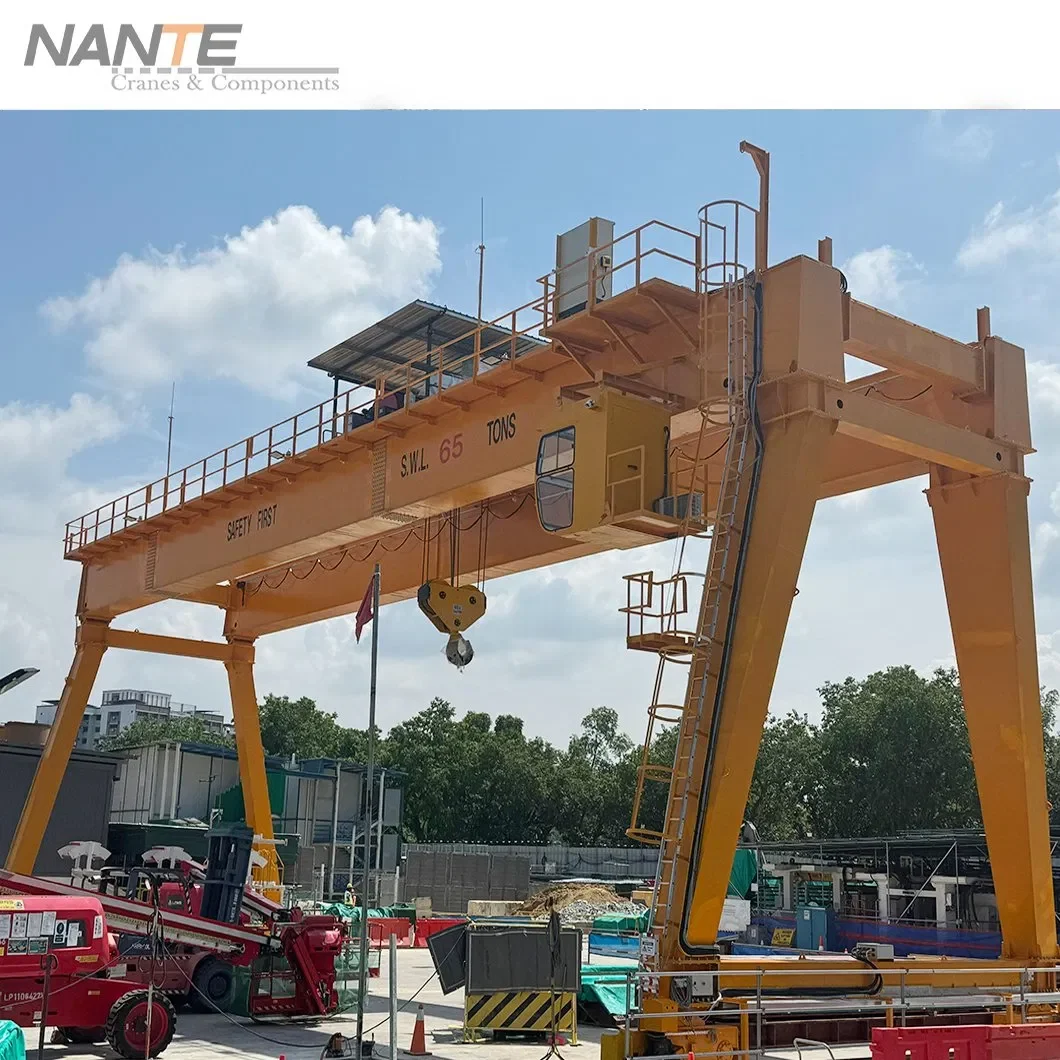
Gantry crane rests on legs. These legs sit on the floor or rails. This makes a stand-alone build. The setup allows easy moves and range. It works in spots without roof help. Or it suits open air places.
Jib crane uses a turn arm. This arm fixes on a post, wall, or beam. It offers close-by lifts. The turn goes up to 360 degrees. It suits tight spots. There, repeat tasks happen in a small circle.
Each of the three kinds boosts work flow. They cut hand work. They raise output. And they better safety with guided moves.
Overhead Crane vs Gantry Crane: Key Differences and Comparison
| Feature | Overhead Crane | Gantry Crane |
| Installation | Fixed to building structure | Self-supported on legs/ground |
| Mobility | Fixed path along runways | Portable or movable on wheels/rails |
| Capacity | High (up to hundreds of tons) | Medium to high (1t to 300t+) |
| Cost | Higher initial due to structural mods | Lower setup, more cost-effective |
| Environment | Primarily indoor | Indoor or outdoor |
| Coverage | Full facility span | Rectangular area, adjustable |
Overhead crane does best in fixed, high-use inside plants. There, max reach and weight hold matter most. Gantry crane gives pluses in bend. It moves easier. And it fits where build changes prove hard.
Gantry Crane vs Jib Crane: When to Choose One Over the Other
| Feature | Gantry Crane | Jib Crane |
| Coverage Area | Large rectangular zones | Circular radius (limited) |
| Load Capacity | Higher (up to 300t in heavy models) | Moderate (typically 150kg-5t) |
| Mobility | Movable across site | Stationary or limited portability |
| Space Required | More floor space | Compact, space-saving |
| Best For | Broad material movement | Localized, repetitive lifts |
Gantry crane gives wider reach for yards or store rooms. Jib crane cuts space use and costs for work station jobs. Pick gantry crane for big areas or heavy weights. Choose jib crane for exact work in tight places.
Which Crane is Right for My Application? A Decision Guide
Use this clear step plan to pick the best crane.
- Determine load capacity and lifting frequency – heavy, frequent lifts favor higher-capacity options.
- Evaluate workspace – measure available height, floor space, and whether overhead structure exists.
- Assess mobility needs – permanent vs portable requirements.
- Consider environment – indoor protection vs outdoor exposure.
- Factor in budget and installation time.
Main factors that shape choice include roof space, power source, and fit with current work flows.
Best Crane for Factory and Indoor Use
Factories gain most from overhead crane. It covers whole areas in big making spots. Single girder or double girder overhead crane deals with heavy tools and repeat lines well.
Jib crane acts as a good add for build spots or close work stations. It gives fast reach without taking floor room.
Gantry crane fits movable inside needs. Such as fix areas or bend layouts where shifts happen now and then.
Best Crane for Outdoor Use
Gantry crane shows as the main pick for open air jobs. Its stand-alone legs let work in yards, ports, stock yards, or build sites. It needs no building frames.
Overhead crane fits open air only with special builds. But it needs fixed holds in general. This cuts bend.
Jib crane has small open air fit. It works best for wall-fixed setups in covered spots.
Gantry crane pluses include weather-proof choices, moves over rough ground, and fit to wind or open spots.
Other Common Applications and Recommendations
- Workshops or small areas: Jib crane for precise, space-efficient lifting.
- Ports or shipyards: Gantry crane for container and bulk handling.
- Heavy industrial indoor: Overhead crane for maximum span and capacity.
- Warehouses: Combination of overhead crane for main areas and jib crane for picking zones.
- Construction sites: Gantry crane for material staging and movement.
Custom work makes sure the crane matches load plans and work needs.
Crane Selection Guide: Step-by-Step Comparison and Tips
Look back at the choice path. Start with load and repeat rate. Then check work space limits.
Summary comparison table:
| Crane Type | Best Environment | Capacity Range | Mobility Level | Primary Strength |
| Overhead Crane | Indoor | Very high | Fixed | Full coverage, heavy duty |
| Gantry Crane | Indoor/Outdoor | Medium to high | High | Versatile, portable |
| Jib Crane | Indoor (mostly) | Low to moderate | Low | Localized precision, compact |
Tips: Check hoist and crane part match for even work. Put safety tools and easy use first.
Ready for the Right Crane Solution?
Nante Crane specializes in high-quality overhead crane, gantry crane, jib crane, and crane components, serving diverse applications from factories and warehouses to outdoor and workstation needs. With reliable designs compliant to international standards, we deliver efficient, safe lifting solutions customized to your requirements.
Contact us today to discuss your project and receive expert guidance on the best overhead crane, gantry crane, or jib crane for your job.
FAQ
What is the main difference between overhead crane vs gantry crane?
Overhead crane mounts to building runways for fixed, high-capacity indoor use, while gantry crane is self-supported on legs for greater mobility and outdoor capability.
Is a jib crane better than a gantry crane for small spaces?
Yes, jib crane is more compact and ideal for localized workstation lifts, whereas gantry crane requires more floor space for broader coverage.
Can gantry cranes be used indoors?
Absolutely – gantry crane works well indoors when overhead support is unavailable or portability is needed.
Which crane handles the heaviest loads?
Overhead crane typically manages the highest capacities in permanent setups, followed by heavy-duty gantry crane models.
How do I choose between overhead vs gantry vs jib crane for my factory?
Assess coverage needs: overhead crane for large-scale indoor efficiency, jib crane for workstations, and gantry crane for flexible or multi-purpose use.