English



Overhead Crane Operator Cabin Safety Design and Protection
Overhead Crane Operator Cabin Safety Design and Protection
Date: 2026-03-20 Share:
The overhead crane operator cabin works as the main control spot for safe and smooth crane work in factories and plants. A carefully built crane cabin safety design keeps operators safe from dangers like falling objects, dust, very hot or cold conditions, loud sounds, shakes, and possible breaks in the structure. At the same time, it gives clear views and comfortable seating. Putting crane operator cabin protection first cuts down on accidents, helps work go better, and matches important rules such as OSHA 1910.179, ASME B30 series, and ISO guidelines. This article looks at main parts of overhead crane operator cabin design. It focuses on strong build, good views, safety items, comfort, following rules, and custom changes for better safety and results.
What Is an Overhead Crane Operator Cabin?
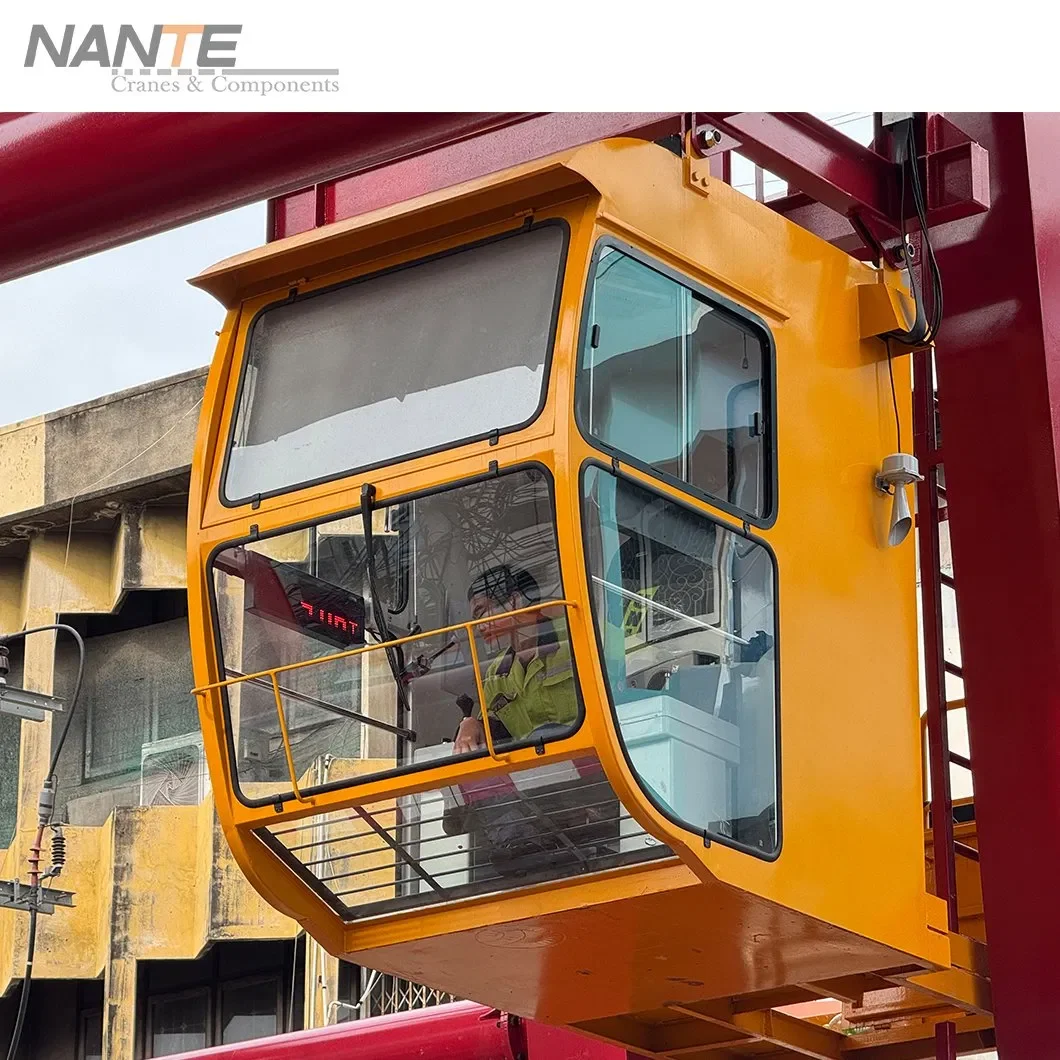
An overhead crane operator cabin is the closed, raised area usually fixed on the bridge or trolley of an overhead crane. It acts as the main place where the operator sits to handle movements and watch loads.
Placed in a smart spot for the best view, it brings together controls, screens, and safety parts. This setup helps with exact work and keeps dangers away.
Functions of an Overhead Crane Cabin
It brings together joysticks, pendant controls, monitors, and emergency setups for careful load moving.
It guards operators from outside dangers like dust coming in, bad weather, and machine noise.
It makes fast emergency actions possible with built-in safety locks and stop systems.
Why Crane Operators Need a Dedicated Control Cabin
Dedicated cabins give a clear, high-up view that is needed to watch hook place, load swing, and things in the work area.
They shield against falling items, machine shakes, and tough conditions that might hurt thinking or lead to harm.
With comfort and safety built in, these cabins help operators stay sharp during long hours. This cuts down mistakes from being tired.
Structural Safety Design of Crane Operator Cabins
The basic structure of crane cabin safety design depends on strong materials and good building methods. These handle hits, weights, and outside pressures that happen often in work places.
Following rules like OSHA 1910.179 and ASME B30 makes sure there are enough clear spaces and solid make.
Reinforced Steel Cabin Structure
High-strength steel frames give very good resistance to hits and last a long time under moving crane forces.
Built-in rollover protection parts keep safe during unusual but serious events.
Designs include at least 3-inch clearances from fixed parts as OSHA rules say for safe moving.
Fire-Proof and Dust-Proof Materials
Fire-resistant coatings, insulation, and tight seals stop heat dangers and dust build-up.
Heat-resistant materials keep the inside strong in very hot places.
These parts match the need for multipurpose fire extinguishers in cab-operated cranes.
Fully Enclosed Protective Design
Full closing stops debris, wind, and outside things from getting in while keeping safe entry spots.
Strong panels make overall crane operator cabin protection better against machine and outside dangers.
Few danger entry spots work with strong seals for steady, long-lasting safety.
Visibility and Monitoring Safety Features in Crane Cabins
Very good visibility matters most to stop accidents, control loads exactly, and spot dangers in overhead crane work.
Rules require a full view of the hook in every position with clear lenses that do not bend.
Wide-Angle Tempered Glass Windows
Big, strong tempered or laminated safety glass gives wide or almost 360° views on many sides.
Anti-glare and UV-blocking coatings keep things clear and make the operator feel good.
This crane cabin visibility design allows open sight lines to loads, hooks, and areas around.
Floor View Window for Hook Monitoring
Downward floor panels or strong viewing windows let the operator see hook line-up and load place directly.
These remove guessing in careful lifting and cut blind spots under the crane.
Strong materials keep safety high without hurting the view.
Cameras and Monitoring Systems
High-resolution cameras fix blind spots that cannot be avoided. They send pictures to screens inside the cabin.
Live watching adds to direct views for better awareness of the situation.
New systems add checks to find dangers early.
Operator Protection and Safety Devices
Different layers of safety items allow quick answers to sudden problems and stop usual hurts.
OSHA and ASME rules stress easy-to-reach and backup safety parts.
Emergency Stop and Safety Controls
Emergency stop buttons placed in clear spots cause fast crane stop.
Backup locks, overload guards, and simple setups make sure quick reach.
Controls stay easy to use as cab rules require.
Safety Rails and Secure Door Locks
Strong handrails, non-slip steps, and three-point contact setups help safe going in and out.
Doors that lock stop opening by mistake while moving.
These parts lower fall dangers inside and near the cabin.
Non-Slip Floor and Insulation
Anti-slip flooring cuts slip dangers inside under different conditions.
Thermal and electrical insulation guards against very hot/cold and shocks.
Vibration isolation mounts make a steady base for clear work.
Ergonomic and Environmental Safety for Operators
Ergonomic ideas cut tiredness, body strain, and health problems over time while raising work speed.
Good methods use body size data and operator ideas for better work spaces.
Adjustable Ergonomic Seat
Seats with suspension and full adjust fit different body sizes and cut shakes.
Supportive builds help keep normal posture. This lowers back and neck strain in long shifts.
Armrests and tilt choices add more comfort and easy control reach.
Climate Control (AC / Ventilation)
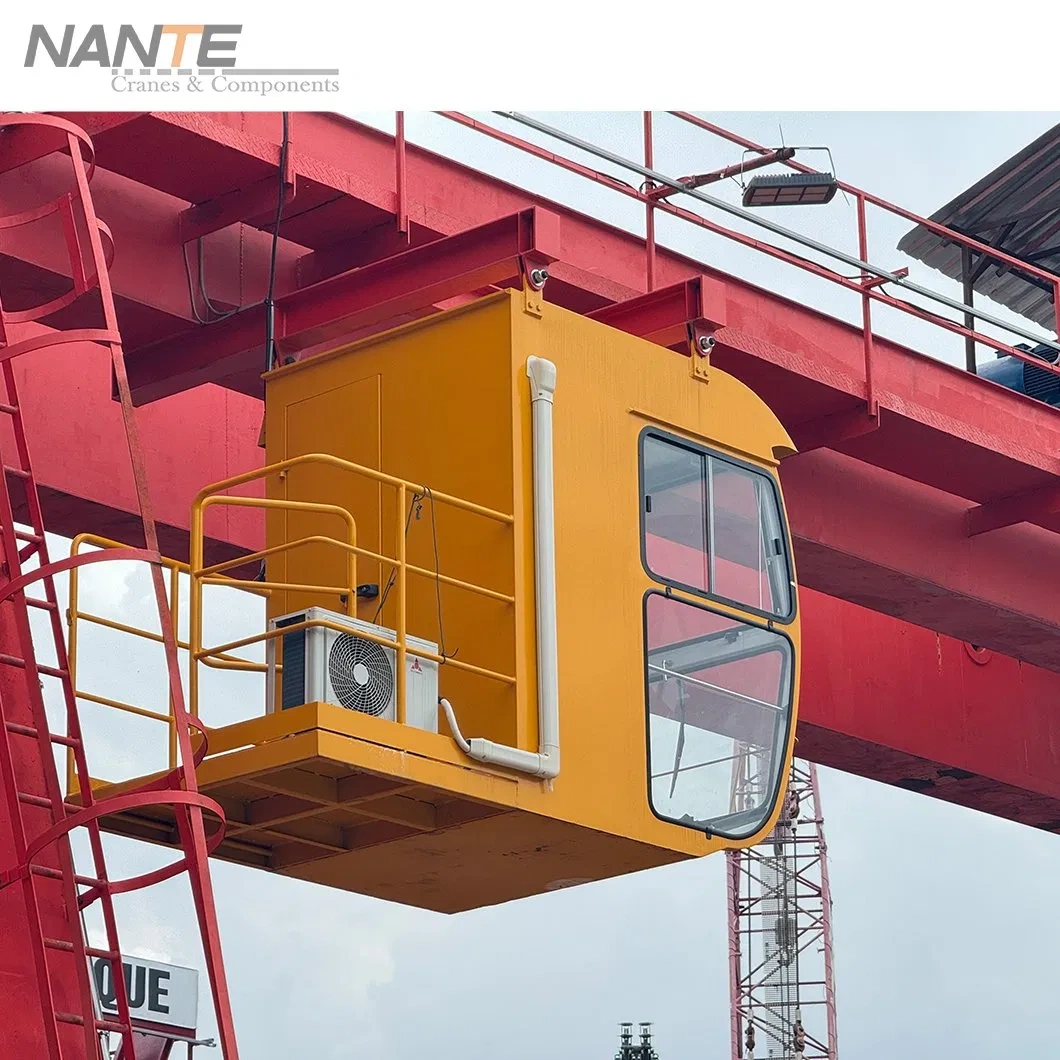
Built-in air conditioning, heating, and filters keep good temperature and clean air.
Systems fight outside heat, cold, smoke, and wet air for steady alertness.
Good air flow stops water drops on windows and keeps views clear.
Noise and Vibration Reduction
Sound-reducing insulation and materials bring cabin noise down to safe amounts.
Anti-vibration mounts separate crane moves and cut shakes that reach the operator.
These changes help better focus, hearing safety, and general health.
Compliance with Industry Safety Standards and Regulations
Sticking to known standards makes sure cabins meet law and best rules for operator safety.
Main guides direct design, setup, and use.
Key OSHA and ASME Requirements for Cabins
OSHA 1910.179 requires full hook visibility, easy control spots, and minimum clear spaces.
ASME B30 series stresses trained operation, checks, and comfort ideas.
Requirements cover enough cab lighting, fire extinguishers, and warning setups.
International Standards and Best Practices (ISO, etc.)
ISO guidelines list tempered/laminated glass, comfort layouts, and emergency parts.
World practices put first wide views, strong build, and custom safety.
Following rules lowers risk and helps safe, smooth crane work.
Custom Safety Features for Different Crane Applications
Made-to-fit choices change cabins for certain fields, places, and work needs.
Customization adds flexibility but keeps main safety strong.
Monitoring Screens and Smart Control Systems
Touchscreen setups show live checks, load info, and camera pictures.
Smart controls give easy, exact commands for hard jobs.
These push crane cabin safety design forward in very exact work.
Additional Joystick Consoles
Extra or double consoles handle many functions.
Custom setups make ergonomics best for special overhead crane types.
They raise speed in tough factory cases.
Walkway Platform and Access Safety
Outside platforms with guardrails allow safe maintenance reach.
Built-in ladders and stairs fit the cabin build.
Changes work for different crane kinds, locations, and rule needs.
Conclusion
The overhead crane operator cabin makes up a key part of the whole crane safety setup. It brings together structure protection, great visibility, layered safety items, ergonomic comfort, and rule following. Advanced crane cabin safety design lowers dangers a lot, guards operators from hazards, and makes work more reliable in many fields. Putting money into these parts builds safer work places and better output.
Ready to Enhance Your Crane Safety? Contact Nante Crane
Nante Crane is a leading manufacturer of cranes and crane components with over 30 years of experience, specializing in high-quality overhead cranes, gantry cranes, and essential components like crane cabins. Our crane cabins feature advanced safety design, reinforced structures, ergonomic layouts, and customizable options—including tempered glass for visibility, climate control, monitoring screens, and optional features like leather seats or additional consoles—to meet diverse industrial needs, backed by strict quality control and global service support.
Explore our crane components today or contact us for tailored overhead crane operator cabin solutions that prioritize operator safety and peak performance.
FAQ
What is an overhead crane operator cabin?
It is the enclosed, elevated control station on an overhead crane, engineered for safe operation with emphasis on visibility, protection, ergonomics, and compliance.
What key safety features does a crane cabin include?
Reinforced steel structures, tempered/laminated glass, emergency stops, anti-slip floors, climate control, monitoring cameras, and fire extinguishers ensure comprehensive crane operator cabin protection.
Why is visibility important in crane cabins?
Panoramic tempered glass, floor windows, and cameras eliminate blind spots, enabling precise load handling, obstacle avoidance, and compliance with OSHA/ASME visibility mandates.
How does ergonomic design improve crane cabin safety?
Adjustable seats, reduced noise/vibration, intuitive controls, and climate systems decrease fatigue, support proper posture, and help operators remain alert to minimize errors.