English



Overhead Crane Cost: How Span, Lifting Height, and Duty Class Affect Pricing and Budget
Overhead Crane Cost How Span, Lifting Height, and Duty Class Affect Pricing and Budget
Date: 2026-01-23 Share:
Overhead crane cost relies a lot on exact details instead of only capacity. The link between overhead crane span and cost comes from structural needs. Meanwhile, lifting height impact on overhead crane price comes from hoist changes and stronger power parts. Duty class overhead crane cost shows toughness for usage level. From an engineering and buying angle, fitting these elements stops costly extra specs or dangerous weak designs. This guide gives real examples plus a cost logic table. It helps buyers pick options carefully. Focus on total ownership costs. These include starting quote, upkeep, and dependability. That leads to better custom overhead crane cost choices.
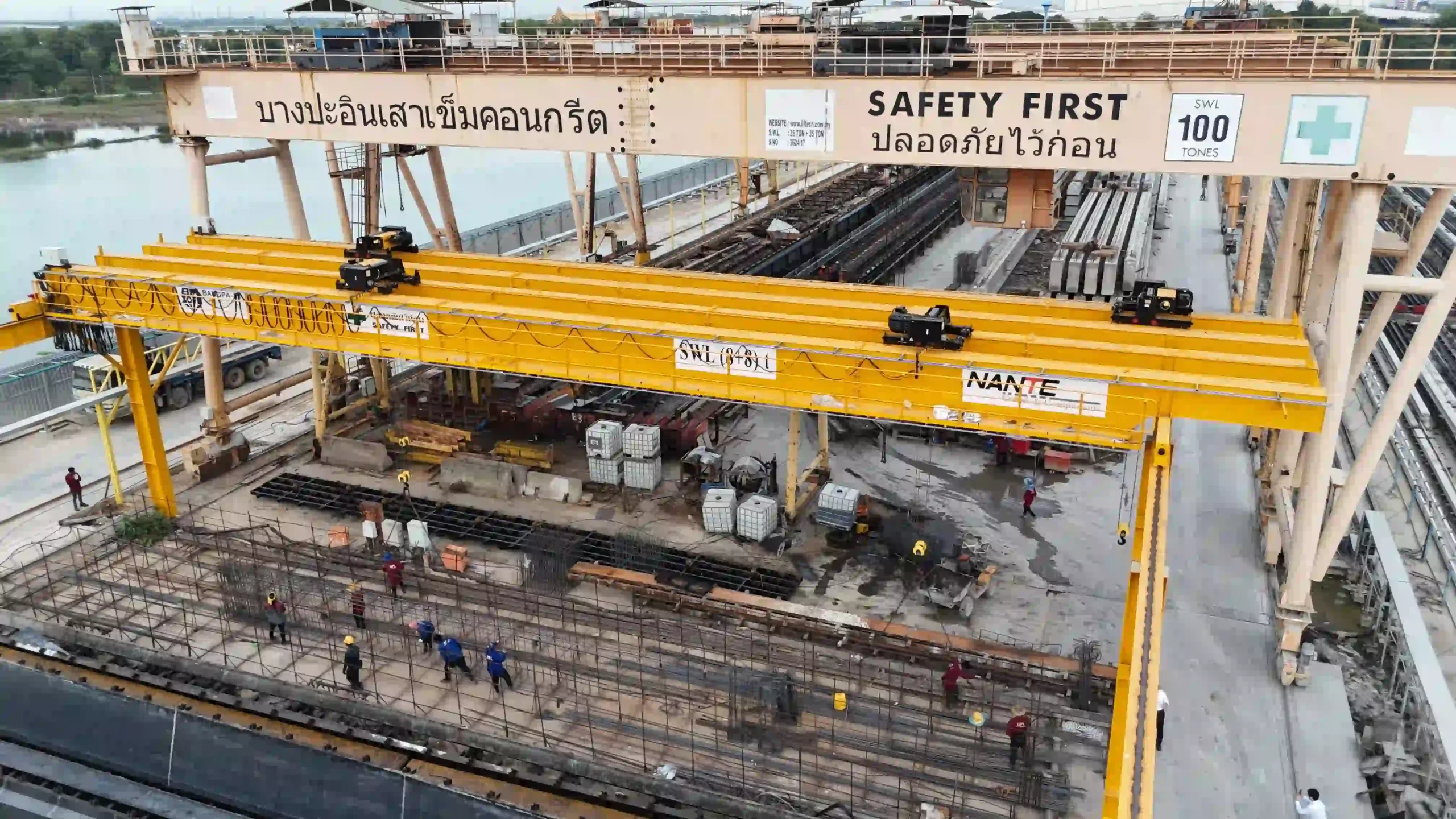
Understanding Overhead Crane Cost Factors
Overhead crane pricing stays custom. Every job brings special requirements. Main factors like span, lifting height, and duty class cause most quote differences. Rated capacity works alongside them.
Why Specifications Drive Overhead Crane Pricing
Each factor affects materials, part sizes, engineering difficulty, and safety levels. Adding too much raises budgets for no reason. Putting in too little causes early wear, stopped work, or safety problems. Buying groups gain by looking at start price together with long-term costs. These cover upkeep, power use, and possible replacements.
Other influences beyond the main three include capacity as the starting point. Things like harsh settings (for example, corrosive or explosive areas) and extras (for example, variable frequency drives) matter too. This piece centers on span, lifting height, and duty class. They act as key cost drivers for most factory buyers.
How Overhead Crane Span Affects Cost
What Is Crane Span?
Span means the center-to-center space between runway rails. It sets how wide the crane reaches.
Engineering Impact of Span
Longer spans need deeper and tougher girders. They fight bending and sagging better. Steel amount goes up. Girder weight grows. End trucks get stronger. Runway beam loads rise too. Building turns harder. Shipping big beams brings extra transport costs.
Real-World Examples of Span and Cost
Think about a 10-ton overhead crane. A 40-foot span can use a simple single-girder overhead crane setup that saves money. Going to 80 feet usually requires a double-girder build with heavier parts. Costs jump 50-100%. Material needs and engineering work cause this rise. In real cases, spans past 60-80 feet often make structural costs twice as high.
Procurement Tips for Span Optimization
Check building bay width carefully. Match crane span to cut extra reach. Skip random big spans. Adjust for work flow. That keeps overhead crane span and cost under control.
Steel volume rises exponentially with span
Girder depth and plate thickness increase
End trucks and wheels need upgrading
Runway rail and support structures cost more
Lifting Height Impact on Overhead Crane Price
Defining Lifting Height
Lifting height tracks the up-down distance from floor to top hook spot.
Engineering Reasons for Price Increases
Higher lifts call for longer wire rope, bigger drums, stronger motors, and better reeving setups. Structure changes help keep things steady. Very tall lifts might need double-girder builds or low-headroom hoists.
Practical Examples
A 5-ton crane with 20-foot lift works with normal parts. Stretching to 40 feet brings big hoist changes, extra motor strength, and structure fixes. Price usually goes up 20-40%. In tall warehouses, low-headroom choices can cut some costs in tight spots.
How to Specify Lifting Height Wisely
Figure exact needs from stacking level, machine space, or pit depth. Guessing too high wastes money. Careful measuring controls lifting height impact on overhead crane price.
Hoist reeving complexity grows
Motor and brake power requirements rise
Rope layers and drum size increase
Headroom and structural clearance adjustments needed
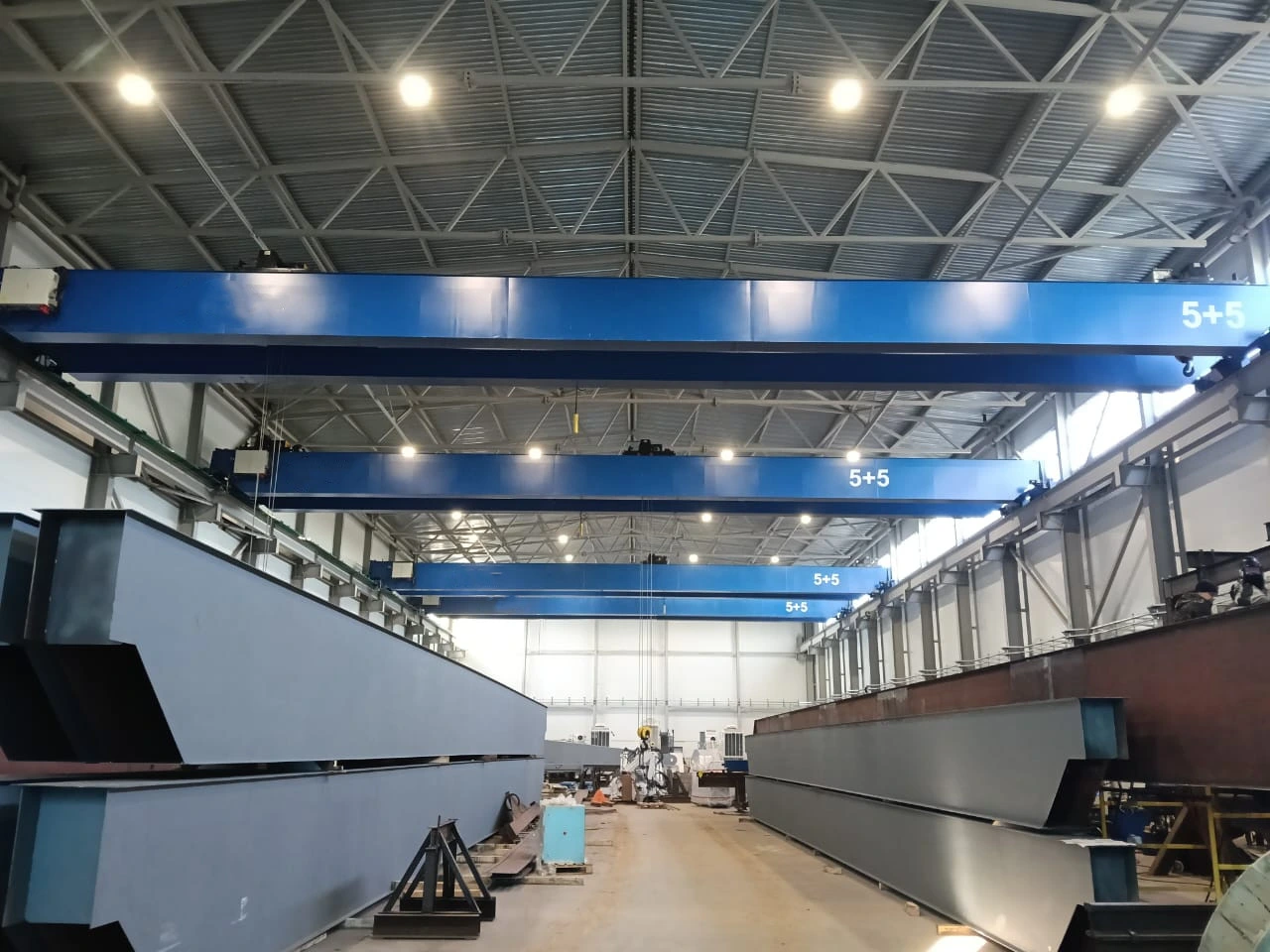
Duty Class Overhead Crane Cost Implications
What Duty Class Means (CMAA Overview)
CMAA sorts cranes A-F by how often they run, load range, and cycles each hour. Higher groups use bigger safety buffers, strong bearings, motors, and brakes. They handle tough work well.
How Duty Class Drives Cost
Class A/B fits rare use with regular parts. Class D/E/F handles frequent heavy loads. They need special tough parts. This brings large extra costs but gives long life in steady work.
Cost Examples by Duty Class
Take the same 20-ton, 50-foot-span crane in Class A for occasional lifts. It uses basic parts. Moving to Class D for daily heavy work often lifts costs 50-100%. Upgraded motors, brakes, and controls cause this. Harsh Class F jobs (e.g., steel mills) add still more for top toughness.
Matching Duty Class to Your Operations
Look at shifts each day, lifts per hour, and usual load level. Good matching evens out upfront duty class overhead crane cost with lower upkeep over time.
Class A/B: Infrequent, light loads (e.g., power plants) — base cost
Class C: Moderate use (e.g., warehouses) — ~1.2-1.5x base
Class D: Frequent heavy (e.g., fabrication) — ~1.5-2x base
Class E/F: Severe/continuous (e.g., foundries) — 2x+ base
Overhead Crane Cost Logic Table
Summary of Specification Impacts
| Parameter | Low Example | High Example | Typical Cost Increase | Primary Reason |
| Span | 30-40 ft | 70-80+ ft | +50-100% | More steel, deeper girders, logistics |
| Lifting Height | 10-20 ft | 30-40+ ft | +20-50% | Hoist/motor upgrades, structural tweaks |
| Duty Class | Class A/B | Class D/E | +40-100%+ | Robust components, higher safety margins |
Interpreting the Table for Your Project
Effects build up. A long-span crane in high duty class raises extra costs a great deal. Rely on real work data. Skip extremes unless needed. Exact specs improve overhead crane pricing.
Choosing the Right Specifications for Your Budget
Steps to Narrow Your Overhead Crane Specs
Map daily operations: Record loads, frequency, and cycles.
Calculate duty class: Use CMAA guidelines for usage intensity.
Measure accurate span and lifting height: Align with facility layout.
Consult engineers early: Validate needs against standards.
Request quotes with exact specs: Compare apples-to-apples proposals.
Avoiding Common Procurement Mistakes
Avoid hunting just the cheapest quote. Wrong specs lead to breakdowns, safety troubles, and bigger overall costs. Value long-term benefits. A bit more money at first for right duty class often saves a lot on fixes and lost time.
Request Your Custom Overhead Crane Quote
Nante Crane offers a comprehensive range of single and double girder overhead cranes (capacities from 1t to 300t+), customizable for span, lifting height, and duty class across industrial applications like manufacturing, warehousing, and heavy processing. With high-quality components, energy-efficient designs, and full support from engineering to installation and service, we deliver reliable solutions tailored to your exact needs. Contact us now for a no-obligation customized quote and expert advice to optimize your overhead crane cost and performance.
FAQ
What usually has the biggest impact on overhead crane cost?
Span often leads due to structural steel demands, followed closely by capacity and duty class.
Does greater lifting height always raise the price significantly?
Yes, due to hoist, motor, and reeving upgrades—typically 20-50% depending on the increase.
How much more expensive is a higher duty class?
Class D/E can add 50-100% over Class A/B because of specialized, durable parts for frequent heavy use.
Can optimizing specs really lower my overhead crane pricing?
Absolutely—matching real needs avoids over-engineering, keeping quotes competitive while ensuring reliability.
Why is a custom quote essential for accurate budgeting?
Prices vary widely by exact parameters; generic estimates miss nuances in span, height, duty, and site conditions.