English


Making Lifting Simple: How Single Girder EOT Cranes Get the Job Done
Making Lifting Simple How Single Girder EOT Cranes Get the Job Done
Date: 2026-04-17 Share:
A single girder EOT crane offers a simple and affordable way to handle materials in factories and workshops. This kind of overhead crane uses one main girder to hold the hoist and trolley system. It lets workers move loads easily in three directions.
What Is a Single Girder EOT Crane and How Does It Work
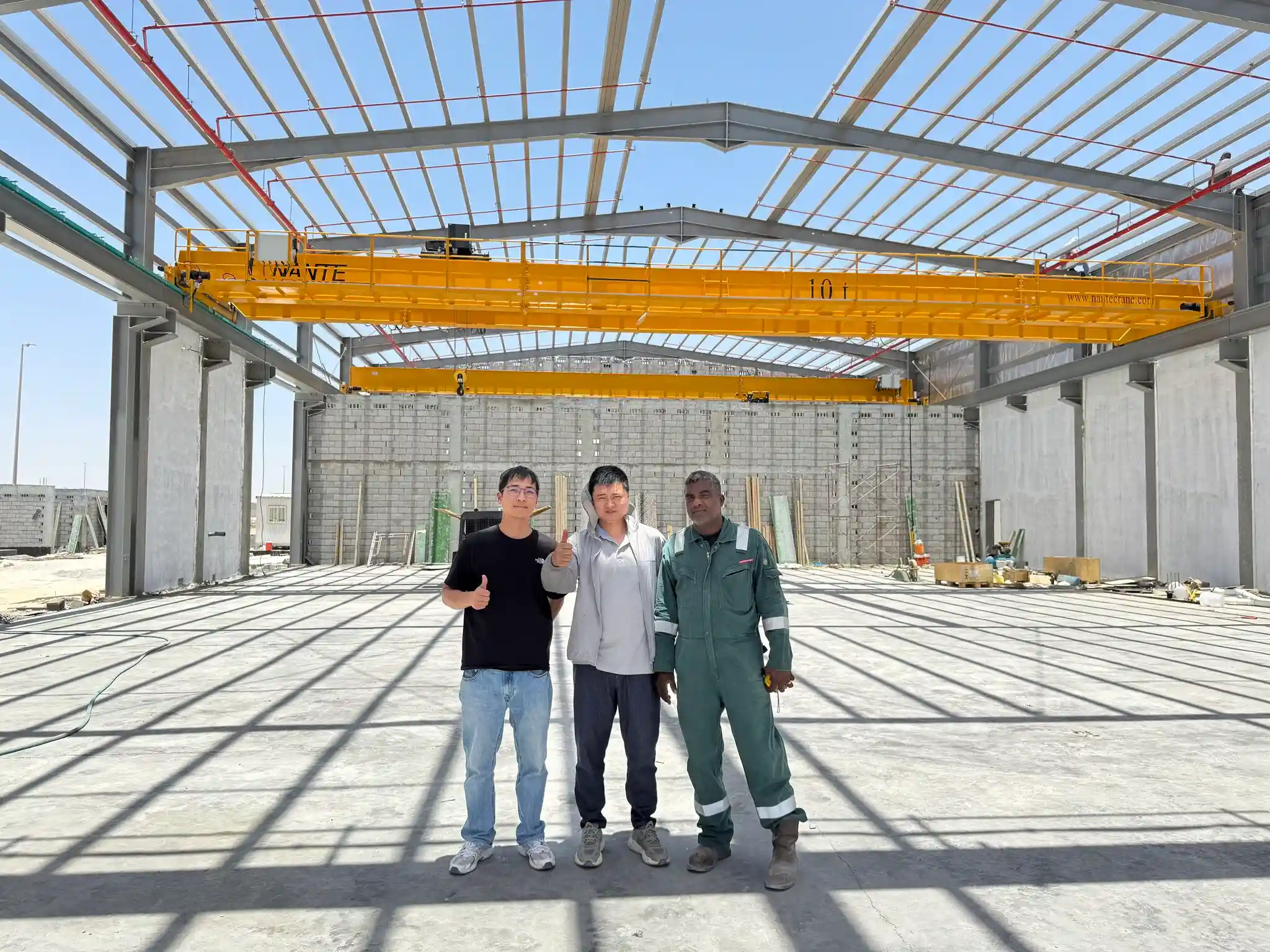
A single girder EOT crane works as an electric overhead traveling crane. It mainly handles light to medium duty tasks for moving materials. The crane crosses the work area with one horizontal beam. This setup allows accurate load placement without extra complications.
Basic Structure of a Single Girder Overhead Crane
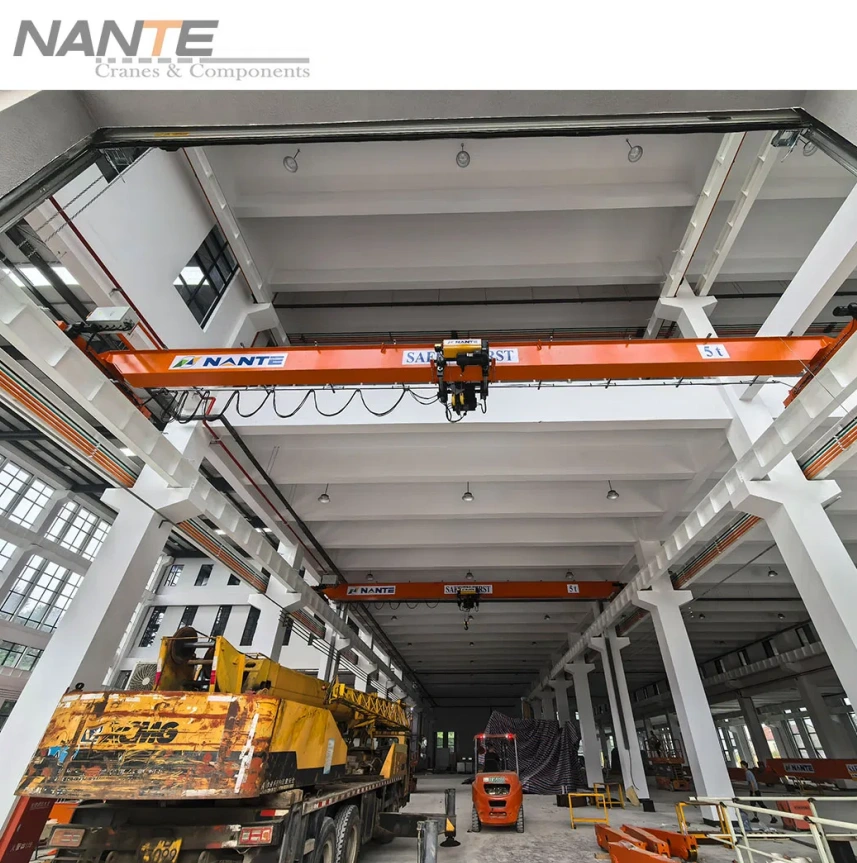
The single girder overhead crane depends on several key crane components that fit together well. The main girder creates the main bridge. It uses high-strength S355 steel welded according to ISO 15614 and AWS D14.1 standards. Engineers plan the girder with controlled deflection between 1/700 and 1/1000. This gives good strength and keeps the weight low.
The end carriage holds the main girder in place. It helps the crane move along the runway. Choices include hollow shaft or open gear designs. Wheels come from alloy steel and receive proper heat treatment. This treatment adds durability.
The electric hoist serves as the lifting part. It moves along the bottom flange of the girder. Facilities can pick low headroom hoists or standard monorail hoists. The choice depends on the vertical space they have.
The control system directs all crane movements with dependable electrical parts. Motors have IP55 protection, F insulation class, and IE3 energy efficiency ratings. Inverter control gives smooth operation. The control panel follows IEC standards. It sits in an IP55 enclosure for good protection. A double-line galvanized C-track festoon system with flat cable delivers power and signals in an effective way. These crane components create a stable and lasting system. It fits easily into current facilities.
How the Crane Achieves 3D Movement
A single girder EOT crane reaches three-dimensional load movement through the work of its main parts. The hoist manages vertical lifting and lowering. It uses variable speed control for exact placement. The trolley allows horizontal cross travel along the length of the main girder.
The end carriages power the long travel movement. They push the whole crane along the building’s runway beams. Operators combine these actions to set loads in the right spot anywhere in the crane’s area.
Key Features That Make Single Girder Cranes Efficient
Single girder EOT cranes include design parts that focus on simplicity, good performance, and savings in operation.
Compact Design and Lightweight Structure
The compact design and lightweight structure of a single girder overhead crane cut down the load on the supporting building. Lower self-weight means less need for heavy structural reinforcement in the runway and columns. This benefit matters a lot in workshops that have height limits or tight space.
The single girder setup keeps a low profile. At the same time, it delivers enough strength for capacities up to 20 tons. Users gain better use of floor space without losing lifting power. The reduced material use also helps bring down total project costs.
Smooth and Energy-Efficient Operation
Inverter-controlled motors provide smooth acceleration and deceleration in a single girder EOT crane. IE3 energy-efficient motors work with variable frequency drives to lower power use during every stage of operation. The system runs at low noise levels. This supports better working conditions in active facilities.
Precise control decreases mechanical stress on parts. It also helps make the service life longer. These qualities turn the single girder overhead crane into a good option for operations that want to reduce energy costs. They still keep steady daily performance.
Technical Specifications You Should Know
Understanding core parameters helps check whether a single girder EOT crane fits specific operational needs.
Lifting Capacity, Span, and Height Explained
A single girder overhead crane usually supports lifting capacities from 1 to 20 tons. Span dimensions go from 5 to 30 meters to fit different workshop widths. Lifting height options range from 3 to 30 meters. These depend on the selected hoist configuration and headroom needs.
These specifications give flexibility for various facility layouts. Buyers should match capacity, span, and height exactly with maximum load weights, work area dimensions, and available vertical clearance.
Speed and Control Options
Standard configurations give long travel speeds up to 32 m/min and cross travel speeds of 20 m/min. The electric hoist supplies variable lifting speeds for accurate load handling. Control options include pendant control for close work and remote control for better operator safety and flexibility.
Many systems support both pendant and remote methods at the same time. This versatility raises productivity. It lets operators choose the best control method for each lifting task in the single girder EOT crane.
Where Single Girder EOT Cranes Perform Best
Single girder overhead cranes give strong results in settings that need efficient lifting but not heavy continuous duty.
Ideal Industries and Applications
Warehouses use single girder EOT cranes for smoother material storage and retrieval processes. Manufacturing workshops rely on them to shift parts along production lines. Assembly operations gain from the crane’s accurate positioning abilities.
Other suitable applications include maintenance bays and logistics centers. In these places, steady light to medium lifting supports daily workflows. The single girder overhead crane improves material handling efficiency across these different settings. It does so without adding extra complexity to operations.
Light to Medium Duty Use Cases
Single girder EOT cranes fit intermittent operations that involve loads in the light to medium range. They work well to replace manual handling in cases with frequent but moderate lifts. Facilities that run with lower duty cycles value the crane’s mix of performance and structural simplicity.
These use cases avoid the higher costs and over-engineering common in heavier systems. They still deliver dependable results day after day.
Single Girder vs Double Girder: Which One Do You Need
A direct comparison helps decision-makers pick the most suitable crane type.
Cost and Structural Differences
A single girder crane uses one main girder. This leads to lower material use and reduced overall weight when compared to a double girder design. This setup means lower initial purchase costs, simpler transportation, and decreased installation expenses. The lighter structure also puts fewer demands on the building’s runway and support system.
On the other hand, double girder cranes provide more rigidity and handle higher capacities. Yet they need more material, stronger supports, and greater investment. The single girder approach puts priority on economy in situations where extreme strength is not required.
When to Choose Single Girder Cranes
Facilities should pick a single girder EOT crane for light to medium loads, moderate duty cycles, and budget-sensitive projects. The single girder overhead crane performs well when span and height requirements stay within standard ranges and installation simplicity is important.
It serves as an optimal solution in cases where the full capacity and rigidity of a double girder crane would go beyond actual needs. Operations achieve real cost savings and easier integration. They keep the necessary lifting performance at the same time.
How to Choose the Right Single Girder EOT Crane
Careful evaluation makes sure the selected crane matches both operational demands and site limits.
Key Factors Before Buying
Decision-makers should first check lifting capacity against the heaviest expected loads. Span measurements must cover the full intended work area width. Lifting height calculations need to include enough hook clearance and stacking allowances.
Usage frequency and duty class directly affect component selection and long-term durability. Available building height and the structural strength of the existing runway also play key roles. A step-by-step review of these factors supports a good choice of the single girder overhead crane.
Customization Options Available
Customization possibilities improve the adaptability of single girder EOT cranes. Low headroom hoists increase usable vertical space in facilities with limited clearance. End carriage designs, such as hollow shaft or open gear types, fit specific runway conditions and installation preferences.
Control configurations range from basic pendant setups to advanced remote systems. Additional tailoring options cover speeds, protection levels, and surface treatments. These flexible crane configurations let the single girder EOT crane meet unique site requirements in an effective manner.
Get Your Custom Single Girder EOT Crane Solution Today
Nante Crane brings more than 30 years of expertise as a manufacturer of cranes and crane components. The company delivers intelligent, lightweight, and energy-saving lifting solutions. These include high-quality single girder overhead cranes with customizable configurations. Nante keeps strict adherence to international standards. It also provides comprehensive support services to make sure projects succeed. Contact Nante Crane today for a tailored quote and professional guidance on your material handling needs.
FAQ
What is the typical capacity range of a single girder EOT crane?
Single girder EOT cranes commonly handle loads from 1 to 20 tons.
How does a single girder overhead crane achieve movement in three dimensions?
The crane uses the hoist for vertical lifting, the trolley for cross travel along the girder, and the end carriages for long travel along the runway.
What are the main advantages of choosing a single girder overhead crane?
Key advantages include compact and lightweight design, lower costs, easier installation, energy efficiency, and suitability for light to medium duty applications.