English


Low Temperature Overhead Crane Design Guide Materials Lubrication Motors and Cold Climate Applications
Date: 2026-07-17 Share:
A Low Temperature Crane is specially designed to operate safely and reliably in freezing environments where standard cranes may experience performance problems. In regions such as Northern Europe, Russia, and Canada, a cold climate crane must withstand low temperatures, snow, ice, and long operating periods. An arctic crane requires careful engineering of materials, lubrication systems, electrical components, motors, and heating solutions to maintain reliable lifting performance in extreme conditions.
Cold environments can affect steel toughness, lubricant viscosity, motor performance, and electrical reliability. Therefore, selecting the right design features is essential for industries operating in harsh winter climates.
Why Low Temperature Crane Design Requires Special Engineering
Low temperatures create different challenges compared with normal industrial environments.
The main risks include:
- Reduced toughness of structural materials
- Increased brittleness of metal components
- Thickening of lubricants
- Difficult motor startup
- Condensation inside electrical equipment
- Ice accumulation on mechanical parts
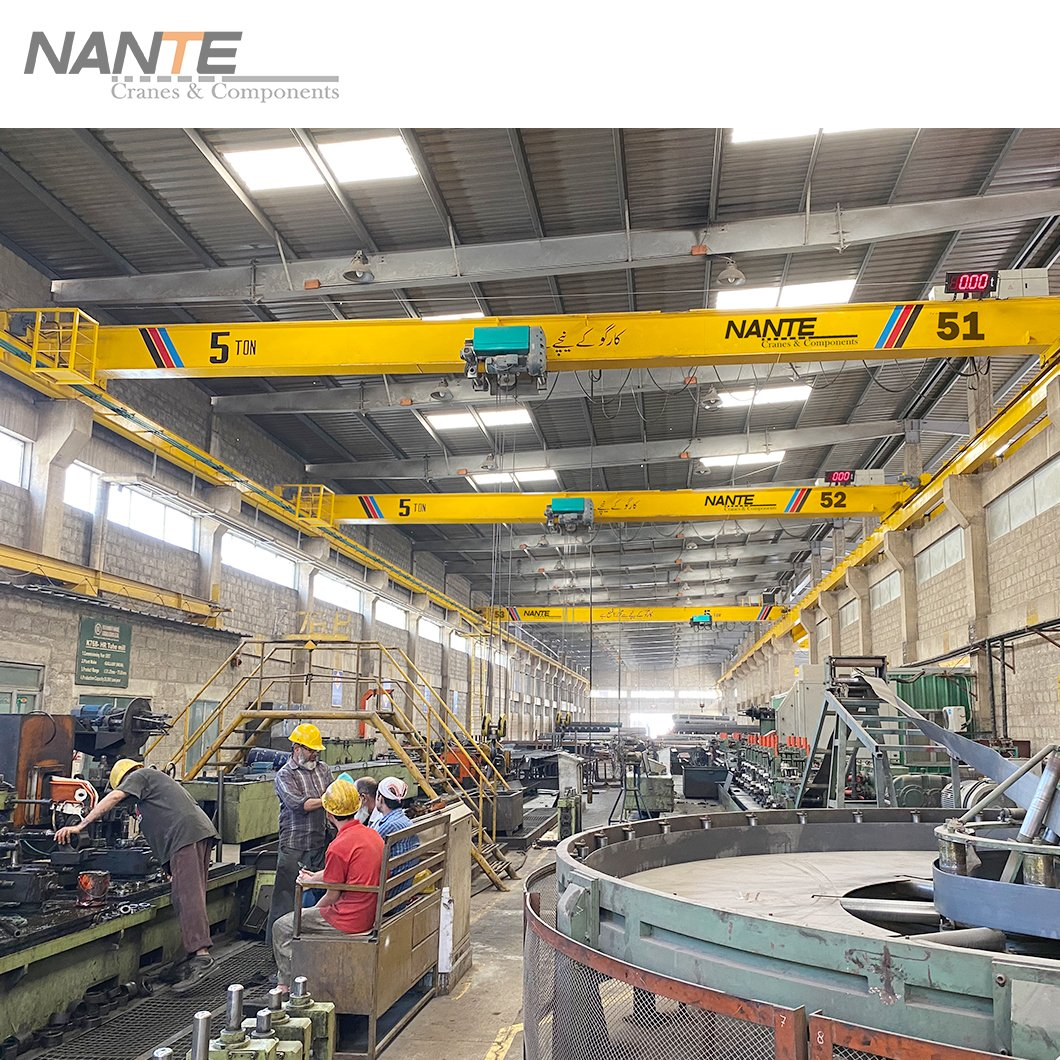
A standard overhead crane may not provide sufficient reliability when exposed to continuous sub-zero temperatures. A properly designed low temperature overhead crane must consider the complete operating environment, from the steel structure to the control system.
Common Applications of Low Temperature Overhead Cranes
Low temperature cranes are widely used in industries where reliable lifting is required during winter conditions.
Typical applications include:
- Mining operations
- Energy projects
- Steel plants
- Shipyards
- Cold storage facilities
- Outdoor manufacturing areas
- Remote industrial sites
Northern markets such as Nordic countries, Russia, and Canada often require cranes designed for extended operation in freezing temperatures.
Key Design Factors for Low Temperature Crane Systems
A reliable cold climate crane requires several engineering improvements compared with conventional crane systems.
The main considerations include:
- Material selection
- Mechanical component design
- Lubrication performance
- Electrical protection
- Heating systems
Material Selection for Cold Climate Crane Structures
Material performance is one of the most important factors in low temperature crane design.
At very low temperatures, some metals may lose impact toughness and become more vulnerable to cracking under dynamic loads.
Important material considerations include:
- Low-temperature resistant structural steel
- Improved impact toughness
- Suitable welding procedures
- Fatigue resistance
Engineers should define the minimum operating temperature before selecting materials. A crane designed for a Nordic winter environment may require different specifications from a crane operating in a moderate climate.
Low Temperature Resistant Mechanical Components
Mechanical components must continue working smoothly in freezing conditions.
Important components include:
- Gearboxes
- Bearings
- Wheels
- Braking systems
- Hoisting mechanisms
- Wire rope systems
Cold temperatures can increase friction and reduce flexibility. Components should therefore be selected according to the expected operating temperature range.
Proper design helps prevent:
- Increased wear
- Slow mechanical response
- Unexpected failures
- Reduced service life
Lubrication Requirements for Low Temperature Crane Operation
Lubrication is a critical factor in cold environments.
Choosing the Right Low Temperature Grease
Standard grease may become highly viscous when temperatures drop, reducing its ability to protect moving parts.
Low temperature grease should provide:
- Stable viscosity at freezing temperatures
- Good wear protection
- Reliable lubrication during startup
- Long service performance
Correct lubricant selection helps protect:
- Bearings
- Gear systems
- Travel mechanisms
- Hoisting components
Lubrication Maintenance in Cold Environments
Regular maintenance is especially important for winter crane operation.
Recommended practices include:
- Checking lubricant condition before winter operation
- Using grease suitable for the lowest expected temperature
- Preventing water contamination
- Following recommended maintenance intervals
A crane operating outdoors in extreme cold requires more careful lubrication planning than an indoor crane.
Electrical and Motor Design Requirements for Cold Environments
Electrical systems are highly sensitive to temperature changes.
A low temperature overhead crane should consider protection for:
- Motors
- Control panels
- Sensors
- Electrical cabinets
- Cable systems
Low Temperature Motor Performance
Cold temperatures can affect motor operation by increasing startup resistance and reducing internal lubrication performance.
Important motor considerations include:
- Cold-resistant insulation
- Reliable starting performance
- Suitable protection level
- Anti-condensation measures
Motor heaters are often used to reduce moisture problems and improve reliability during cold startup conditions.
Heater Systems for Low Temperature Cranes
A heater system helps maintain equipment reliability in freezing environments.
Heating solutions may be applied to:
- Control cabinets
- Electrical panels
- Motor housings
- Sensitive electronic components
The main benefits include:
- Preventing condensation
- Protecting electrical circuits
- Improving startup reliability
- Reducing winter failures
Nante Crane’s crane control panel solutions include electrical control systems for crane operation, with options supporting advanced functions such as automation, IoT monitoring, anti-sway systems, and data logging.
Designing an Arctic Crane for Extreme Cold Conditions
An arctic crane is designed for severe environments where temperatures may remain extremely low for long periods.
Compared with standard cranes, arctic crane solutions require:
- Cold-resistant structural materials
- Special lubrication
- Protected electrical systems
- Heating solutions
- Weather-resistant components
Arctic Crane Structural Protection
Outdoor cranes in extreme cold face additional challenges:
- Snow accumulation
- Ice formation
- Strong winds
- Temperature changes
Structural design should consider:
- Material toughness
- Welding quality
- Corrosion protection
- Long-term fatigue resistance
Arctic Crane Control and Safety Systems
Reliable control systems are essential for safe operation.
Important functions include:
- Emergency stop protection
- Reliable sensors
- Electrical cabinet heating
- Safety monitoring
Modern control technology improves crane reliability by providing better operation management and condition monitoring.
Low Temperature Crane Applications in Northern Markets
Low Temperature Crane Solutions for Nordic Countries
Nordic industries often experience long winters and frequent freezing conditions.
Common applications include:
- Ports
- Manufacturing plants
- Energy facilities
- Warehouses
A suitable crane must maintain reliable operation despite snow, ice, and low temperatures.
Crane Solutions for Russia Cold Climate Industries
Russia’s industrial regions require lifting equipment capable of operating in severe winter conditions.
Typical applications include:
- Mining
- Oil and gas facilities
- Heavy manufacturing
- Outdoor material handling
Key requirements include:
- Reliable startup performance
- Durable mechanical components
- Cold-resistant electrical systems
Cold Climate Crane Applications in Canada
Canada’s mining, energy, and construction industries often require cranes designed for harsh winter environments.
Important considerations include:
- Extreme temperature resistance
- Easy maintenance
- Reliable operation in remote areas
- Protection against snow and ice
How to Select the Right Low Temperature Overhead Crane
Before selecting a crane, customers should evaluate:
Define Operating Temperature Range
Important information includes:
- Minimum temperature
- Maximum temperature
- Indoor or outdoor operation
- Seasonal changes
Evaluate Crane Components
Check:
- Cold-resistant steel
- Low temperature grease
- Motor performance
- Heater systems
- Control protection
Consider Maintenance Requirements
A cold climate crane should allow easy maintenance through:
- Accessible components
- Reliable spare parts
- Simple inspection procedures
Common Mistakes in Low Temperature Crane Design
Using Standard Materials Without Temperature Evaluation
Materials unsuitable for cold environments may become brittle and unsafe.
Ignoring Lubrication Performance
Incorrect grease selection can increase friction and component wear.
Selecting Electrical Components Without Heater Protection
Moisture and freezing can damage electrical systems.
Designing Only for Current Conditions
Future production increases and climate requirements should be considered during crane selection.
Maintenance Tips for Low Temperature Crane Operation
Regular maintenance improves reliability in extreme climates.
Recommended steps:
- Inspect lubrication before winter operation
- Check heaters and electrical cabinets
- Remove snow and ice buildup
- Monitor abnormal vibration or noise
- Perform regular safety inspections
Preventive maintenance reduces downtime and extends crane service life.
FAQ
What is a Low Temperature Crane?
A Low Temperature Crane is designed to operate under very cold climates. The crane can be made to operate in freezing weather by using special materials, and by incorporating an adequate lubrication system, adequate electrical protection and heating.
What is a cold climate crane?
A cold climate crane is a type of crane that is designed for operation in very low temperatures in snow and other harsh winter environments.
Why is low temperature grease important?
Low temperature grease continues to lubricate when regular lubricants have become too thick to operate in freezing temperatures.
Why do low temperature cranes need heaters?
Heaters prevent condensation, protect electrical equipment, and improve startup reliability.
What industries use arctic cranes?
Arctic cranes can be used for a variety of industrial applications, for example: in mining, energy industry, in harbors, manufacturing plants and other industrial locations far remote.
Choose Reliable Low Temperature Crane Solutions with Nante Crane
Nante Crane provides industrial lifting solutions including overhead cranes, gantry cranes, electric hoists, crane components, and crane control systems. The company develops customized lifting solutions for different industrial environments and supports customers across more than 50 countries and regions with a wide range of crane products and services.
Contact Nante Crane today to discuss your Low Temperature Crane requirements and find a reliable lifting solution for extreme cold environments.