English



Industrial Applications of Heavy-Duty Open Winch Cranes
Industrial Applications of Heavy-Duty Open Winch Cranes
Date: 2026-04-02 Share:
Heavy-duty open winch cranes act as vital lifting tools in tough industrial places. These systems do very well in open winch crane applications in heavy industry. They handle huge loads in rough conditions. They do this with great accuracy and dependability. Steel mills, shipyards, and power stations all use them. A heavy duty open winch crane for steel plants and similar places offers the strength and lasting power for steady, fast-paced work. This article looks at their main traits, important uses in different fields, real advantages, comparisons to older systems, and useful tips for picking the right one.
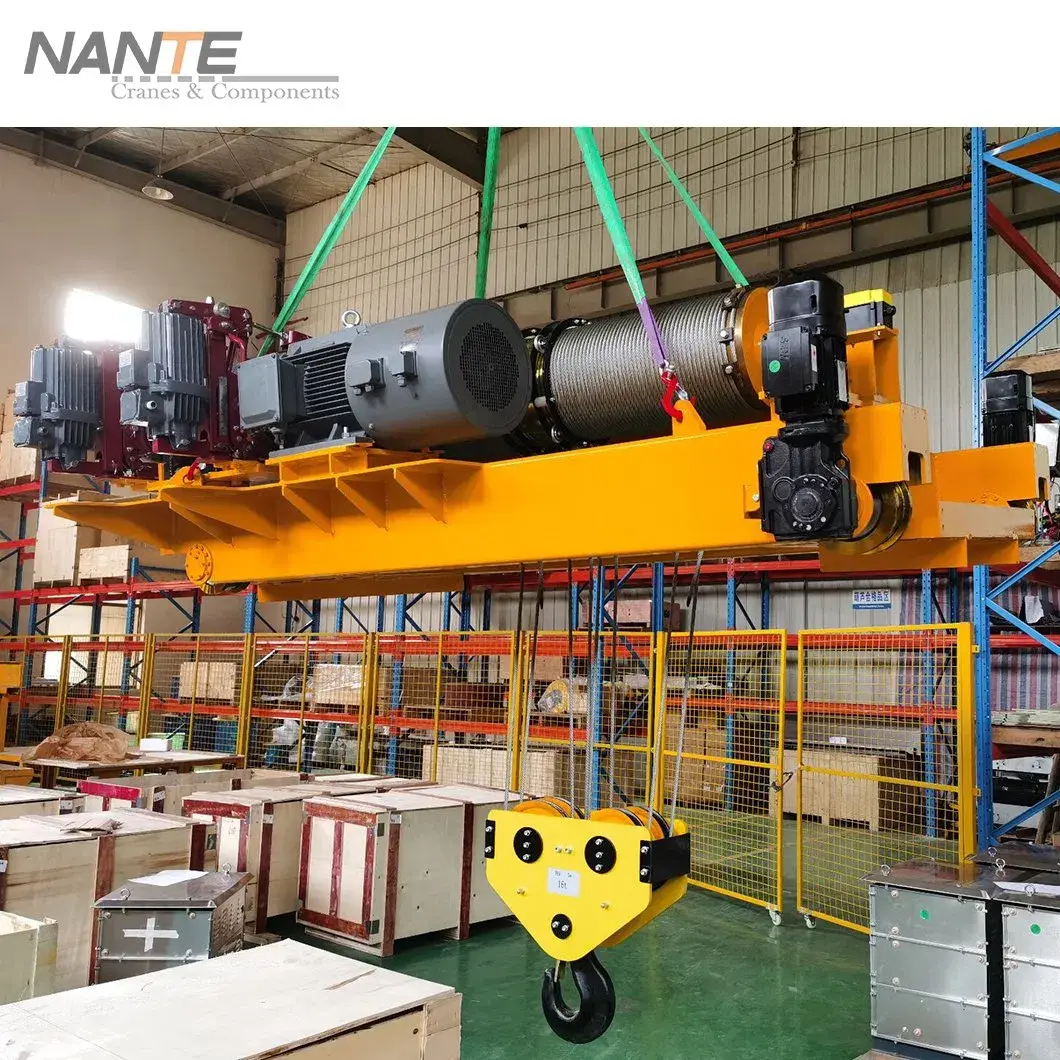 What Is a Heavy-Duty Open Winch Crane?
A heavy-duty open winch crane uses an open winch as its main lifting part. This built-up system puts together separate, strong pieces instead of one small, all-in-one unit. Manufacturers build these cranes for double-girder overhead setups where top lifting strength is key. The open winch handles weights much higher than regular hoists. It often reaches 300 tons in newer models. Workers depend on this design for important tasks that need many repeats and tough settings.
What Is an Open Winch System in Cranes?
An open winch system works as the main lifting unit in overhead cranes. It brings together a strong motor, solid gearbox, big drum, and modern brakes in one working group. This setup allows careful up-and-down lifting with very good load balance. Many industries choose open winch systems when jobs need steady work through long hours.
Difference Between Open Winch and Wire Rope Hoist
Open winch systems provide much bigger load abilities. They often go over 80 tons without trouble. They fit hard duty levels and do well in rough industrial spots. Options for changes make them useful for special needs. Wire rope hoists stay smaller and cheaper for medium-level work. These hoists find it hard with very big weights, lots of use, or bad outside conditions. Places pick open winch cranes when steady work under heavy, repeated loads matters a lot.
Key Components of Heavy-Duty Open Winch Cranes
The drum winds high-strength wire rope safely during lifts and lowers. It keeps even pull to stop rope harm over time. The gearbox sends strong turning force from the motor for smooth power. Variable frequency motors give exact speed control over the whole movement. Several brake setups make sure of quick stops and extra safety for key moments. Overload limiters check weight right away and stop unsafe actions. Limit switches set clear end points to prevent crashes. Phase protection relays keep electrical parts safe from power problems.
Key Features of Heavy-Duty Open Winch Systems
Heavy-duty open winch systems focus on outstanding strength along with careful work. Engineers add power-saving methods to cut down long-term energy use. Safety covers protect parts from dust, water, and very hot or cold air.
High Load Capacity and Precision Lifting
These systems handle loads up to 300 tons all the time without issues. Variable frequency drives allow slow start and stop for exact load setting.
Modular and Customizable Configurations
Separate pieces let engineers set up systems just right for each job. Places change motor sizes, drum lengths, and safety parts to fit exact needs.
Advanced Safety Protections
Overload limiters stop work right away if weights go past safe limits. Dual or extra brakes give backup stopping in urgent cases. Limit switches and anti-collision tools keep motion in allowed areas. Phase sequence relays guard motors from wrong power links.
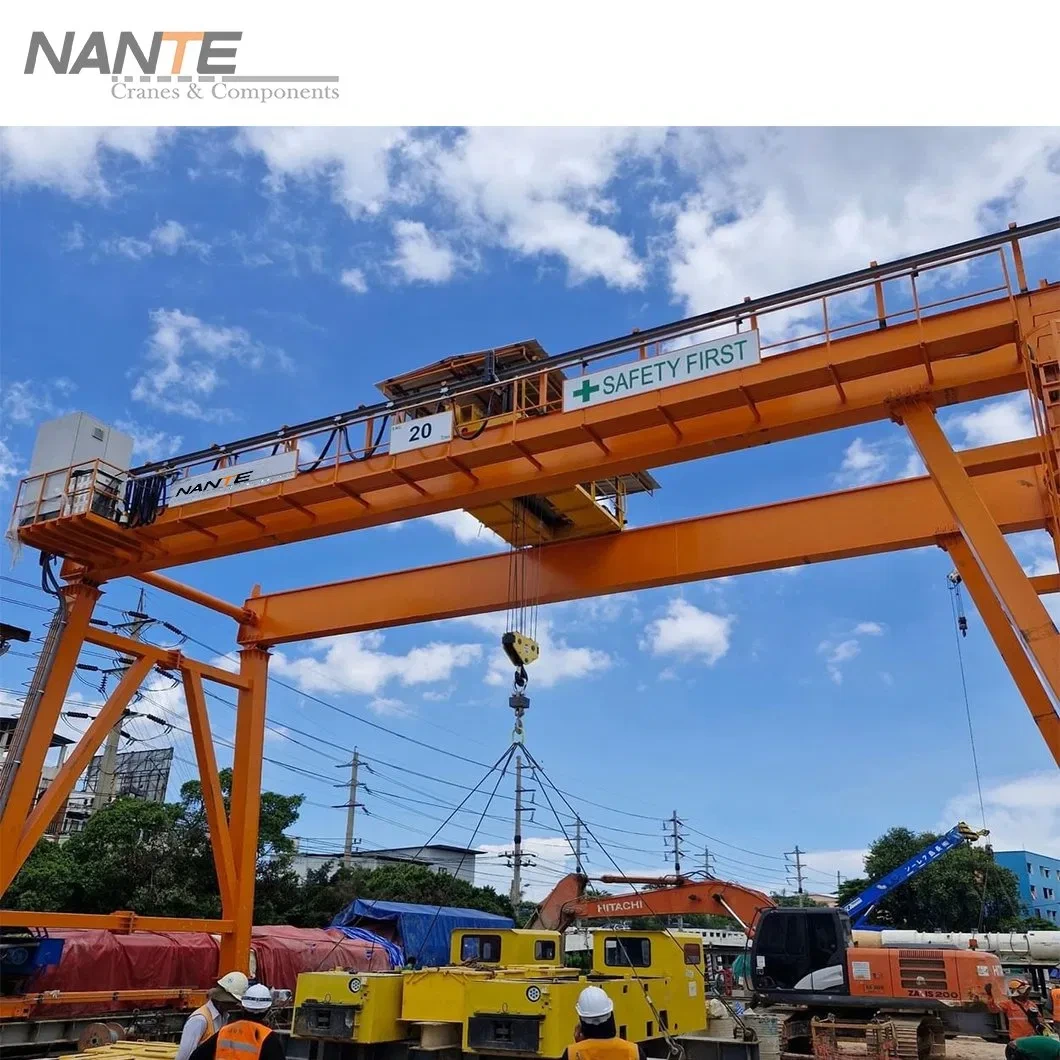 Industrial Applications of Heavy-Duty Open Winch Cranes
Open winch crane applications in heavy industry focus on jobs that need high duty levels and strength against tough conditions. These cranes work well through strong heat, scratching dust, lots of wetness, and steady shaking. Their strong build allows endless cycles with few breaks.
Steel Plants and Metallurgy Industry
Steel plants use heavy duty open winch crane for steel plants a lot for slab moving in rolling mills. Very high heat and giant weights push equipment hard every day. Ladle cranes carry hot metal with top safety and control to avoid spills. Coil handling systems place heavy rolls exactly in lines. Dusty air and nonstop shifts demand great lasting power from these cranes.
Power Stations and Energy Projects
Power places use open winch cranes while putting in turbines. They lift big rotors and generators with care. Small turbine rooms need smooth, controlled moves to stop damage to buildings. Maintenance groups count on these systems for fast take-out and put-back during planned stops. Thermal plants put cranes in heat and shaking. Hydro stations bring extra wetness issues. Boiler building and heavy gear placing gain from the cranes’ strong dependability.
Shipyards and Marine Engineering
Shipyards use open winch cranes to raise huge ship blocks during hull building. Outside contact with salt water and wetness calls for rust-proof builds. Heavy module moving helps quick building of ship parts under short times. Dry dock work includes exact placing of big pieces for welding and fitting. Steady use speeds up project times and keeps safety rules.
Construction and Infrastructure Projects
Construction areas use these cranes to lift ready-made concrete parts and steel beams. Bridge jobs need high-strength lifting for girder setting over wide spaces. Highway and railway work includes heavy gear moving in changing outside weather. Launching gantries and segment lifters often use open winch technology for careful, big lifts.
General Manufacturing and Material Handling
Manufacturing plants use open winch cranes for heavy coil and plate moving in work flows. Big machine parts travel well across factory floors with exact control. Adding them to auto lines improves material movement without stops. These systems back high-amount work that puts speed and exactness first.
Benefits of Using Heavy-Duty Open Winch Cranes in Heavy Industry
Heavy-duty open winch cranes bring clear work gains in hard fields. They raise output while cutting total costs over time. Dependability is the top gain in places where stops cost a lot.
Improved Operational Efficiency and Speed
Variable speed controls cut cycle times a great deal. Precision lifting lowers setting mistakes and fix work. Quicker material moving speeds up whole production steps.
Reduced Maintenance and Downtime
Modular pieces allow fast checks and part changes. Strong build makes service times longer in rough places. Predictive maintenance traits cut surprise breaks.
High Reliability in Harsh Environments
These cranes stand up to very hot or cold air, dust build-up, and water contact well. Steady heavy-duty cycles do not hurt the structure. Tested work keeps going through tough hours.
Compliance with International Standards
Systems follow FEM, ISO, and CMAA rules for safety. Certification helps get official okay in world projects. Following rules builds trust with workers and checkers.
Open Winch vs Traditional Hoisting Systems
Open winch systems beat standard electric hoists in strength and lasting power. They fix problems that older choices face in heavy industry.
Open Winch vs Electric Hoist
Open winch setups manage bigger weights and higher duty levels all the time. Electric hoists fit lighter, now-and-then jobs better and cheaper. Change depth helps open winch for special needs.
When to Choose an Open Winch Crane
Facilities choose open winch when big loads, many cycles, or bad conditions rule. Traditional hoists work for normal warehouse or building tasks. Jobs with lots of process steps make the cost of open winch worth it.
Cost vs Performance Comparison
Starting costs go higher than basic hoists because of better build. Long-term savings come from less upkeep, fewer stops, and longer life. Work gains cover the cost in heavy-duty cases.
How to Choose the Right Heavy-Duty Open Winch Crane for Your Industry
Good choice matches crane details with real work needs. Careful check stops under- or over-building.
Selecting Lifting Capacity and Duty Class
Find top load weights and usual cycle rate correctly. Fit duty class to planned work strength by rules. A bit extra size allows for future increase.
Customization Options for Different Industries
Pick motor kinds, drum sizes, and protection levels exactly. Add field-specific items like heat guards or rust covers. Custom builds raise work level and life span.
Environmental Considerations
Look at outside temperature spread, dust amount, and wetness level. Choose right IP ratings and seal ways. Outside changes make sure of steady work in open air or rough air.
Why Partner with Nante Crane for Heavy-Duty Open Winch Systems
With over 30 years of experience in crane manufacturing and components, Nante Crane specializes in custom heavy-duty open winch systems (such as NW and NWB series up to 300t capacity) tailored for demanding industries worldwide. Their modular designs, proven safety features, and global support make them a reliable choice for heavy lifting solutions. Contact Nante Crane for expert consultation on your project.
Frequently Asked Questions (FAQ)
What is the main advantage of heavy-duty open winch cranes in steel plants?
They handle extreme heat, continuous heavy loads like slabs and ladles, and dusty conditions with unmatched precision and safety.
Are open winch systems suitable for continuous operation in power stations?
Yes, durable components and high duty classifications support non-stop lifting for turbines, generators, and maintenance tasks reliably.
How do open winch cranes handle harsh shipyard environments?
Robust, corrosion-resistant construction withstands humidity, salt spray, and outdoor exposure during block and module lifting effectively.
What duty classes are typical for these cranes?
Heavy process-duty classes align with FEM and ISO standards for frequent, high-load operations in industrial settings.
Can open winch cranes be customized for specific loads?
Yes, modular architecture permits full tailoring of capacity, speed, protections, and components to exact application needs.