English



How to Compare Crane Component Quotes from Different Suppliers: Avoid Costly Mistakes
How to Compare Crane Component Quotes from Different Suppliers
Date: 2026-01-09 Share:
Comparing crane component quotes is a critical step in any lifting equipment procurement process. While price is often the first number buyers focus on, choosing a supplier based only on the lowest quote frequently leads to higher long-term costs, unexpected downtime, and even safety risks.
A proper crane component price comparison requires looking beyond the headline price to evaluate material quality, component specifications, certifications, after-sales service, and total cost of ownership. This guide explains how to compare crane component quotes correctly, identify real value differences, and select suppliers that protect performance, uptime, and budget over the long term.
Why Crane Component Quotes Vary So Much
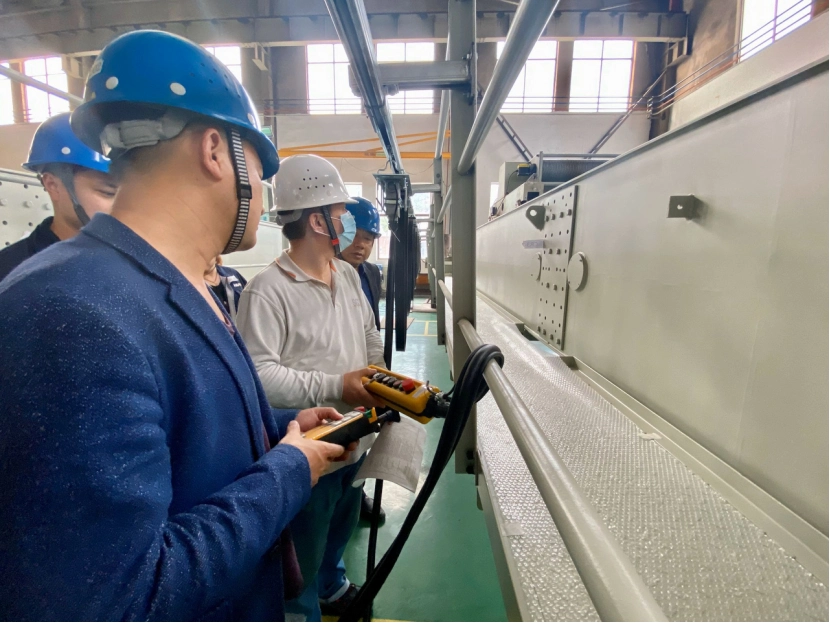
Price gaps between suppliers seldom happen by chance. One quote might come from top-grade European motors and gearboxes. Another might use cheaper options from other areas. The amount of custom work also causes big changes. Things like exact duty class, IP protection rating, explosion-proof needs, or special coatings shift the final amount a lot.
Freight rules matter too. So do packaging quality, currency rates when the quote is made, and current raw material prices. These things make the differences even wider. Core specs may seem the same on paper. Still, variations in testing strictness, component tracking, and added support services lead to real price spreads.
Key Factors to Consider in Crane Component Price Comparison
Experienced crane engineers know that component failures rarely result from a single issue. Most long-term problems stem from a combination of material shortcuts, duty class mismatches, insufficient testing, and weak after-sales support. Evaluating suppliers from an engineering and lifecycle perspective is essential to reducing operational risk.
Material Quality and Long-Term Durability
Material choice ranks as one of the main reasons for differences in crane parts quotation comparison. High-grade alloy steel gets proper heat treatment. It also has multi-layer corrosion protection with epoxy primers and polyurethane topcoats. This kind lasts much longer in wet, dusty, or seaside spots.
Lower-grade materials wear out quicker. They crack earlier or rust too soon. That means more checks, fixes, and possible safety issues. Always ask for mill certificates and coating details in any crane component supplier comparison.
Component Specifications and Performance Matching
Matching specs correctly is key for a fair crane component price comparison. Look at duty classification (FEM/ISO). Check lifting and travel speeds. Review hook approaches, exact load ratings, brake torque, and electrical protection levels.
Wrong matches can cause poor performance. They lead to too much wear or extra design that raises cost with no gain. Ask every supplier for complete technical datasheets and performance curves.
Certifications, Standards, and Compliance Risks
Trustworthy suppliers show clear certifications. These include ISO 9001 for quality management. ISO 45001 covers occupational health and safety. ISO 14001 handles environmental management. They also have third-party type approvals like BV, SGS, TÜV. Such papers prove steady production and testing steps.
Unclear or absent certifications often point to greater risk. Non-compliance may show up in audits or during use. Add this point early to any how to evaluate crane component suppliers checklist.
Brand Selection and Component Sourcing Transparency
The source and brand of key sub-components matter a lot. These include motors, reducers, inverters, brakes, limit switches. They affect reliability and spare-part supply. Brands with clear records usually offer better performance info and worldwide help.
Unproven or mixed sources raise the odds of quick breakdowns and hard-to-find parts. Request a full bill of materials from suppliers. It should list brand and country of origin for each important part.
After-Sales Service, Warranty, and Spare Parts Support
People often overlook service ability in crane parts quotation comparison. Look at warranty length. See what it covers—parts alone or parts plus labor. Check promised response times, spare-parts stock levels, and if the supplier has a real global or local service setup.
Poor after-sales help means longer stops and bigger urgent repair costs. Solid support cuts total ownership cost quite a bit.
Step-by-Step Guide to Comparing Crane Component Quotes
- Send the same technical specs to all suppliers. This makes quotes easy to compare.
- Create a comparison table. List each item: main components, extras, freight, taxes, duties, lead time.
- Break down and separate costs. Show core price, optional add-ons, packaging, delivery. This shows what each quote really includes.
- Give scores to quality factors like materials, certifications, component brands, warranty, service. Use a basic weighted scale.
- Reach out to references. Check past project results for each supplier on the short list.
- Figure total cost of ownership over 5–10 years. Include expected maintenance, energy use, and downtime losses.
- Negotiate better coverage or service. Do not just push for the lowest main price.
Crane Component Supplier Comparison Checklist
Use this useful checklist in the review process:
- Core component price breakdown
- Material grades and surface treatment details
- Major sub-component brands and origins
- List of applicable certifications and approvals
- Warranty period, scope, and exclusions
- Manufacturing and delivery lead time
- After-sales response SLA and spare parts policy
- Technical support availability (drawings, on-site supervision)
- Estimated total landed cost (including all fees)
- Projected 5–10 year ownership cost
This setup moves attention away from price only. It focuses on full value instead.
Why the Lowest Crane Component Quote Is Often the Most Expensive
The lowest quote frequently hides large future costs. Parts made with weak materials or little testing break down sooner. This starts unplanned stops, rushed spare-part buys, output losses, and at times safety problems.
Designs that waste energy push up power bills every year. A small starting price that demands regular fixes or swaps nearly always costs more over time than a slightly better-quality choice. Real crane component supplier comparison must consider these hidden dangers.
Get a Clear and Reliable Crane Component Price Reference
Checking several crane component quotes takes time and can feel messy. The engineering team here focuses on clear breakdowns and fair side-by-side reviews. Need assistance with crane component price comparison or an expert second view? Contact the engineers for straightforward, no-charge advice suited to the project.
Not Sure Which Crane Component Quote Is Truly Better?
Engineers: Get a technical review of duty class, materials, certifications, and component brands
Procurement Teams: Get a clear comparison of price, warranty, delivery, and total ownership cost
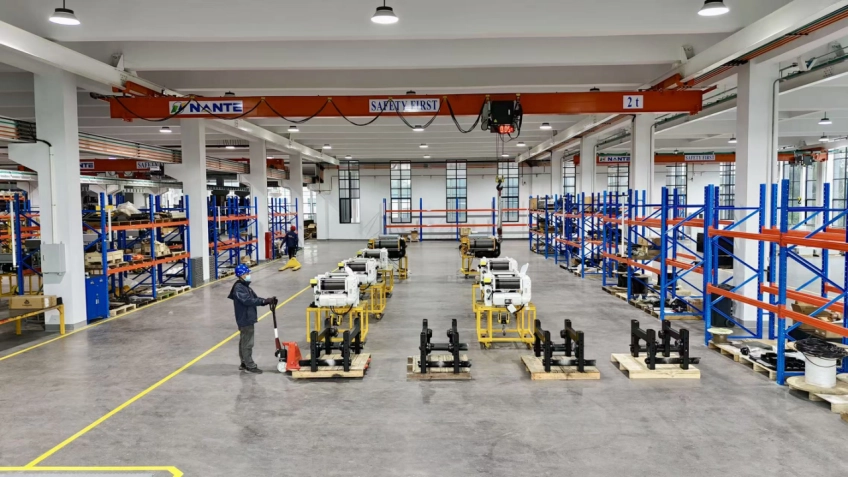
Speak with a Nante crane component specialist and receive a clear, risk-free evaluation.
FAQ
What is the smartest way to perform crane component price comparison?
Ask for identical specs from every supplier. Use a detailed comparison table. Calculate total cost of ownership instead of looking only at the starting price.
How can buyers avoid the lowest price trap when analyzing crane parts quotes?
Put material certificates, brand tracking, warranty details, and service strength first. Include 5–10 years of maintenance, downtime, and energy expenses.
What are the most important points when you evaluate crane component suppliers?
Check certifications, sub-component quality and source, warranty conditions, spare-parts supply, response speed, and solid project history.
Why do quotes for the same crane parts show such large differences?
Differences stem from material grade, component brands, custom level, certification strength, production costs, freight setup, and added after-sales features.
What hidden costs frequently appear in crane parts quotation comparison?
Unclear shipping fees, short or limited warranties, slow spare-part delivery, frequent maintenance needs, low energy efficiency, and no technical help.
How critical is after-sales service during crane component supplier comparison?
It is very important. Good technical aid, quick spare-part sending, and nearby support cut downtime length. They also safeguard the long-term value of the purchase.