English



How to Choose the Right Overhead Crane for Your Industrial Application: A Complete Buying Guide
How to Choose the Right Overhead Crane for Your Industrial Application: A Complete Buying Guide
Date: 2026-07-31 Share:
Choosing the correct lifting system requires more than matching a load to a rated capacity. A reliable decision must consider the load, building geometry, operating cycle, environment, and control requirements. This overhead crane buying guide explains how to choose an overhead crane through a structured industrial overhead crane selection process.
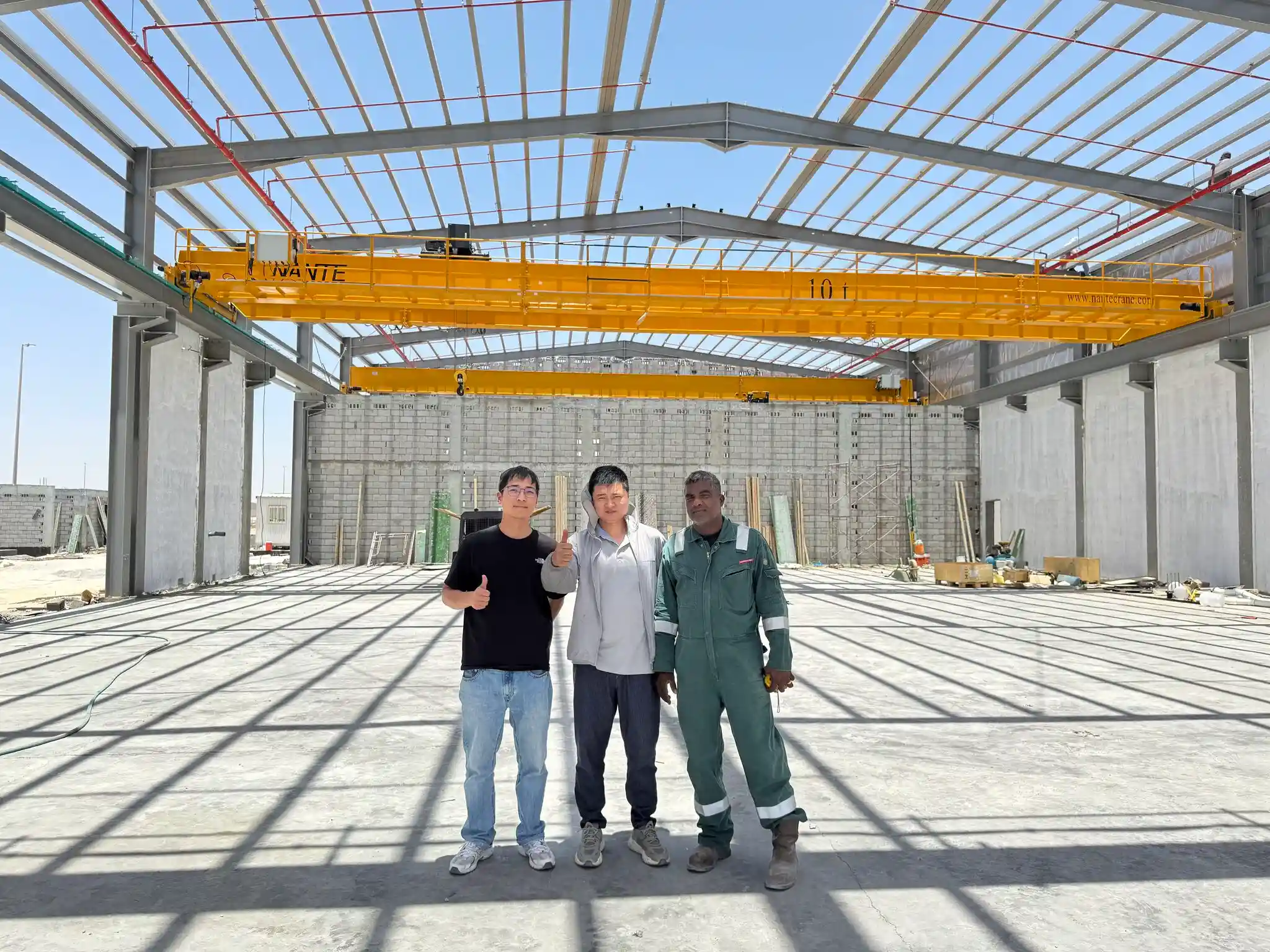
Understanding Overhead Cranes Before Making a Purchase Decision
What Is an Overhead Crane?
The overhead crane lifts the suspended load up and down while moving it sideways via a bridge and runway system. The crane is made up of bridge girders, end trucks, hoist or winch, trolley, runway rail, power and electrical components.
Why Correct Crane Selection Matters
An undersized crane may not safely handle the complete suspended load. An oversized crane may increase structural weight, power demand, and project cost without providing useful capacity. The selected crane must suit the load, building, runway, power supply, and production process.
Key Factors in Industrial Overhead Crane Selection
Determine the Required Lifting Capacity
The project team should identify the heaviest confirmed load, including any lifting beam, spreader, grab, magnet, sling assembly, or attachment. The selected capacity must cover the complete suspended load rather than the product weight alone.
The team should also record typical load weights and the frequency of maximum-load lifts. Repeated lifting near rated capacity requires a different design basis from occasional heavy lifting.
Evaluate Crane Span and Working Area
The crane span generally follows the distance between the runway rails. However, building width alone does not determine the final span because columns, walls, brackets, walkways, and safety clearances affect the available geometry.
The project layout should identify pickup points, load routes, set-down positions, machinery, columns, walls, and other fixed obstructions. An accurate survey reduces the risk of interference, limited hook coverage, and costly redesign.
Select the Correct Lifting Height
The lifting height represents the vertical distance through which the hook must travel. The team should distinguish lifting height from total building height because the bridge, trolley, hoist, hook block, and clearances consume vertical space.
The highest hook position should account for the tallest load, destination height, lifting attachment, and required clearance. The lowest position also matters when the crane must reach a pit, truck bed, or recessed area.
Confirm Working Frequency and Duty Classification
The crane duty class reflects service severity. The classification considers operating cycles, load distribution, and average movement during the crane’s design life.
The project team should provide:
- Expected lifts per hour.
- Operating hours and shifts per day.
- Proportions of light, medium, and maximum loads.
- Average lifting and travel distances.
These facts allow the supplier to size the structure, motors, brakes, ropes, wheels, and controls correctly.
Overhead Crane Buying Guide: Choosing the Right Crane Type
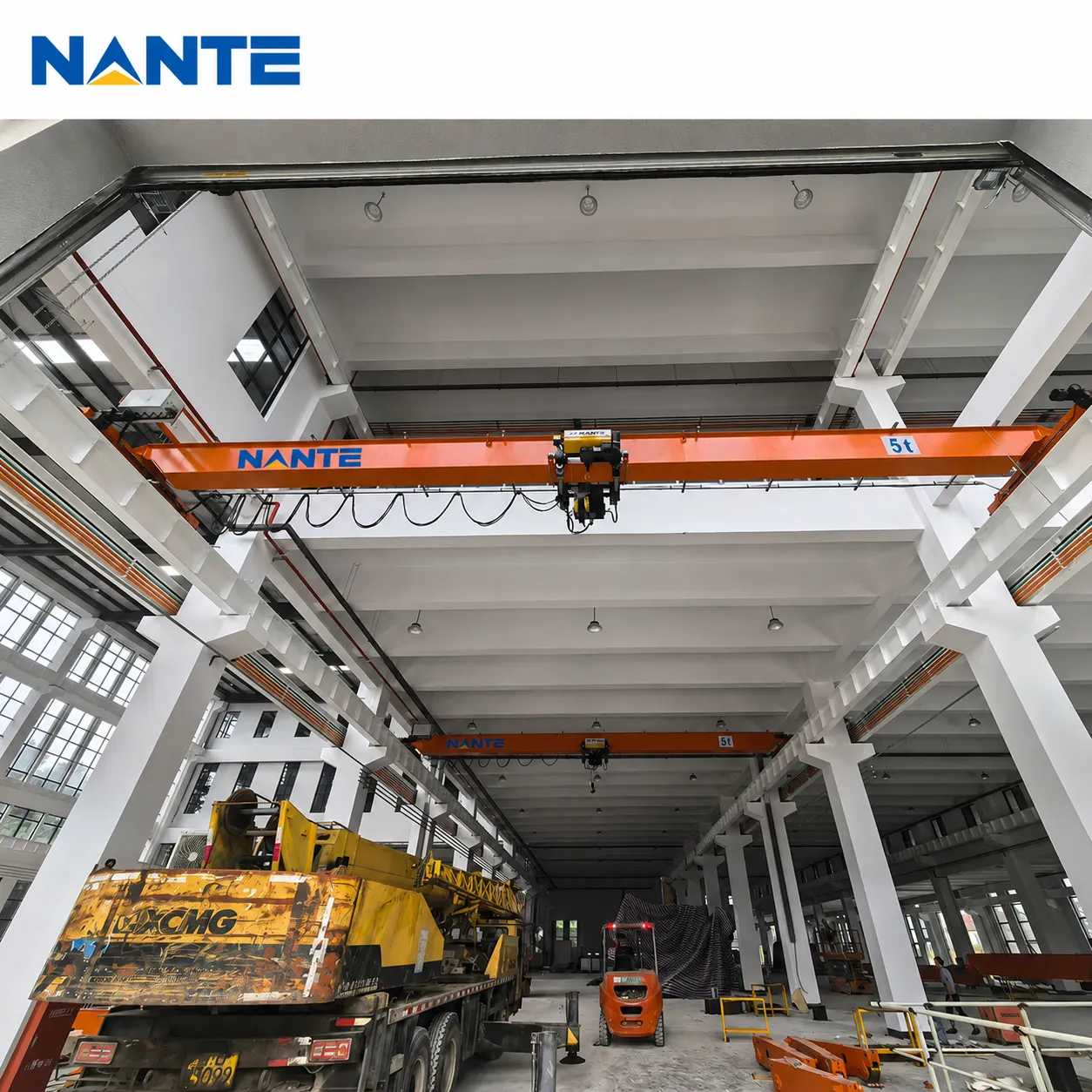
Single-Girder Overhead Crane
A single-girder crane uses one main bridge girder, and the hoist commonly travels below it. The configuration often suits light and medium capacities, moderate spans, and facilities that prioritize lower structural weight.
Double-Girder Overhead Crane
A double-girder crane uses two bridge girders and commonly supports a top-running trolley or open-winch arrangement. The structure suits higher capacities, longer spans, demanding duty classes, improved hook height, and specialized lifting devices.
The design is suitable for heavy manufacturing, metal processing, large machinery assembly, and other high-intensity applications.
Underhung Overhead Crane
An underhung crane travels on a runway suspended from the roof or another supporting structure. The configuration can suit lighter applications and facilities where floor-mounted columns would obstruct production routes.
A structural engineer must verify the supporting frame, coverage, headroom, and hook approach.
Matching the Crane to the Industrial Application
Manufacturing and Assembly Applications
A manufacturing crane should support the production sequence rather than merely cover the building. The application may require variable-speed motion, smooth acceleration, accurate positioning, and clear operator visibility.
Metal Processing and Heavy Industry
A heavy industrial crane may handle concentrated loads, large attachments, heat, dust, or long operating cycles. The structure, mechanisms, enclosure, motors, brakes, and controls must suit those conditions.
Warehouse and Logistics Applications
A warehouse crane should improve material flow without conflicting with racks, doors, vehicles, or pedestrian routes. The layout should define storage positions, loading areas, transfer points, and approach distances.
Important Components That Affect Crane Performance
Hoisting and Travelling Mechanisms
The hoisting mechanism raises and lowers the load, while the trolley and bridge systems provide horizontal movement. The project team should evaluate speeds, brakes, rope reeving, hook approach, wheel loads, and electrical demand.
Crane Control Panel and Electrical System
The control panel sends commands to the hoisting, cross-travel, and long-travel mechanisms. The electrical system may include variable-frequency control, motion limits, overload interfaces, anti-sway functions, data logging, or automation interfaces.
The project team should specify environmental, voltage, and communication requirements before approving the design.
Common Mistakes When Choosing an Overhead Crane
Choosing Only by Price
A low purchase price does not confirm that a crane suits the application. The comparison should include technical scope, component ratings, control functions, testing, documentation, and installation responsibilities.
Ignoring Confirmed Future Requirements
Approved production changes should be reviewed before finalizing capacity and coverage. Vague oversizing should be avoided because unnecessary capacity can increase building loads, power demand, and total cost.
Skipping Technical Supplier Evaluation
A qualified supplier should request detailed application information and explain the proposed configuration. The evaluation should cover engineering capability, manufacturing scope, quality controls, testing, documentation, and communication.
How to Choose a Reliable Overhead Crane Manufacturer
Evaluate Engineering and Customization Capability
The manufacturer should analyze the application before issuing a final proposal. The proposal should explain how the crane type, capacity, span, lifting height, duty class, speeds, controls, and building interfaces support the process.
Check Quality Control and Project Scope
The project team should review fabrication, inspection, load testing, documentation, acceptance criteria, and each party’s project responsibilities.
Submit Confirmed Project Information to Nante Crane
Nante Crane designs and manufactures industrial cranes and crane components, including single-girder, double-girder, and underhung overhead cranes, hoisting and travelling mechanisms, mobile power supply systems, and crane control panels. Its product range covers light-duty systems, heavy double-girder solutions, and control panels for individual mechanisms or complete-crane control.
A project team can contact Nante Crane after confirming capacity, span, lifting height, duty data, environment, power supply, control method, and building layout. The team can submit this information for a professional configuration review and a project-specific quotation without making an immediate purchasing commitment.
FAQ
What Information Does a Buyer Need Before Choosing an Overhead Crane?
A buyer needs the maximum suspended load, span, lifting height, duty data, environment, power supply, building drawings, and technical requirements.
How Does a Buyer Choose Between a Single-Girder and Double-Girder Crane?
A buyer should compare capacity, span, duty class, hook height, building loads, and attachments. A single-girder crane often suits moderate requirements, while a double-girder crane often suits heavier service.
What Is the Most Important Factor in Overhead Crane Selection?
No single factor determines the correct crane. The design must combine load capacity, geometry, duty class, environment, controls, and building capability.