English



How Environmental Conditions Affect Gantry Crane Design
How Environmental Conditions Affect Gantry Crane Design
Date: 2026-02-13 Share:
Surroundings shape gantry crane design choices. Things like very hot or cold air, rust from water or salt, and dirt with wet air push builders to adjust parts, crane components, and guard setups. Such changes affect how well the crane works, how safe it is, and the full cost to own it. Knowing how surroundings hit gantry cranes aids in picking options that skip often breaks and too much upkeep. Right gantry crane design for harsh environments weighs more start money against much less long-run costs and stop times.
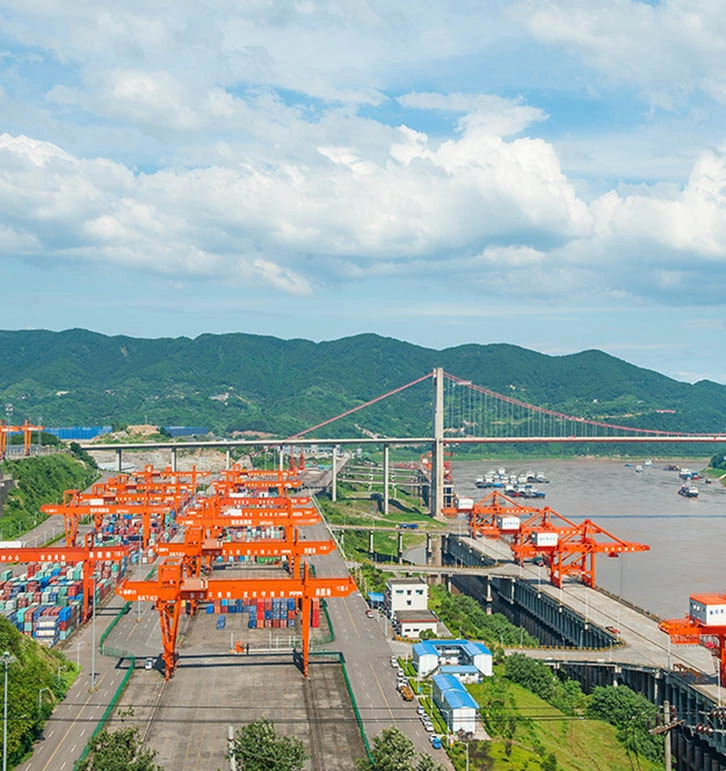
Why Environmental Factors Are Key in Gantry Crane Design Considerations
Tough surroundings speed up damage to crane girders, crane wheels, crane motors, and crane electrical systems. Builders pick special parts, add guard layers, and use closed pieces. These steps lift start costs. But they greatly grow use time and cut fix needs.
Main gains of surroundings-fit design cover:
Longer work life, often hitting 20–30 years or more rather than the usual 10–15 years
Less surprise halts and linked output drops
Better safety records and simple match to world rulesSmaller full life cost even with a bigger start buy price
Temperature Extremes and Their Impact on Gantry Crane Design
High Temperatures – Effects and Design Adaptations
Long time in heat over 40–50°C leads to heat grow in crane girders. It also causes too much heat in crane motors and crane electrical systems. Oils break fast. Seals wear quick. Electric parts lose life fast.
Usual design changes include:
Pick of heat-fight mixes or treated steel for crane girders and key build parts
Set-up of air-push cool units or heat guards near crane motors
Choice of high-heat bearings, special oils, and better wrap for crane electrical systems
These fixes often raise part and piece costs by 15–30%. Yet, they stop heat-linked breaks well. They cut dear stop times. And they skip rush fixes that break work flow.
Low Temperatures – Effects and Design Adaptations
Cold below zero makes normal steel hard and easy to break. It thickens oil liquids. And it cuts crane motor start power sharp. Water drops in crane electrical boxes can freeze. This may cause short wires or part harm.
Common changes include:
Pick of cold-fit steel types for crane girders to stop break risks
Use of thin oils with heat parts for oil or liquid systems
Set-up of wrapped and heated crane electrical boxes with water-fight traits
Top parts and built-in heat units raise start costs. But they end big safety dangers from quick breaks. They also make sure steady work in cold areas.
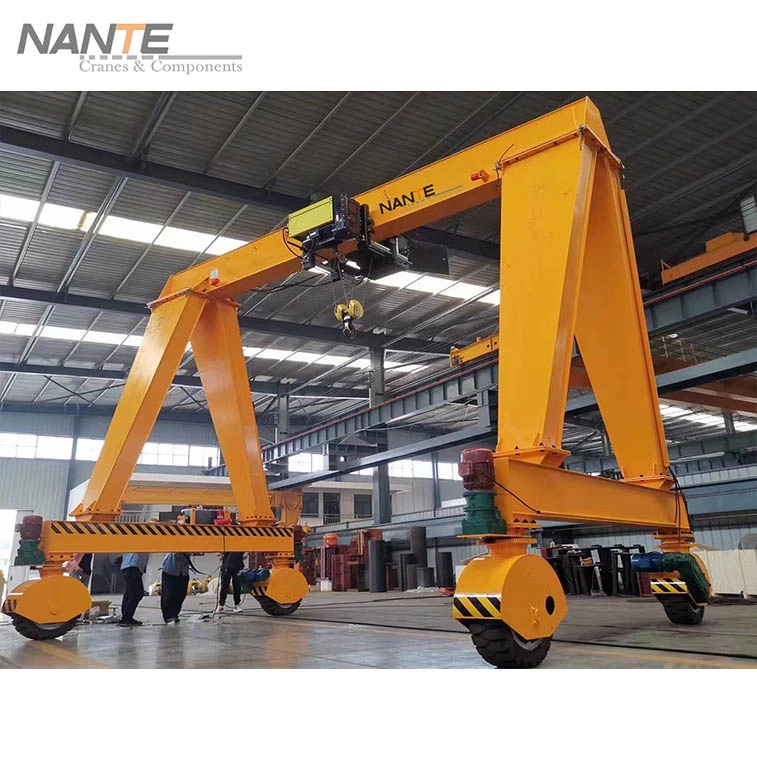
Corrosion Challenges in Gantry Crane Design for Harsh Environments
Causes of Corrosion in Outdoor and Coastal Settings
Water, salt mist, and plant chemicals hit open crane girders, crane wheels, crane rails, and bolts fast. Sea and shore spots see quick electric rust from high salt levels. Even inner places with wet air can grow rust. This happens with often heat shifts.
Protective Design Measures Against Corrosion
Builders use many guard levels:
Hot-dip zinc coat on crane girders and main build parts
Many-layer epoxy or strong poly coats over zinc
Use of no-rust steel or sea-fit mixes for crane wheels, bolts, and other key crane components
Full closed IP66 or better crane electrical systems and rust-fight crane bearings
These joined steps make a strong wall. It cuts water and salt get-in a lot.
Cost Implications of Corrosion-Resistant Features
Using zinc, new coat setups, and top parts often adds 20–40% to base crane price. Though start money is more, good rust guard can grow use life by years. It cuts yearly upkeep cash. And it lessens dear build swaps.
Dust and Humidity Effects on Gantry Crane Design
How Dust Impacts Crane Components
Small dirt bits from mine work, cement sites, or dry lands slip into crane motors, crane wheels, and crane electrical systems. In time, this build-up causes rub, too much heat, early bearing breaks, and less machine work.
Humidity and Moisture-Related Issues
High wet air levels cause steady water drops on crane girders. It also happens inside crane electrical boxes. When dirt and wet air mix, they make a rub mix. This speeds face wear. And it grows hid rust in joins and cracks.
Design Solutions for Dust- and Humidity-Prone Environments
Good guard steps include:
IP65 or better closed boxes for crane electrical systems and crane motors
Set-up of strong dirt filters with push air flow units
Add of guard lids and twist seals on crane wheels and other move parts
Use of well-made drain paths and wet-air out vents
These traits keep inside clean and dry. They work even under hard surrounding push.
Cost Considerations for Dust and Humidity Protection
Better seal setups, filter gear, and guard lids often raise make costs by 10–25%. The spend gives quick back gains. It comes from less clean needs, fewer part swaps, and steady work output.
Summary of Environmental Impact on Gantry Cranes – Key Trade-Offs
Varied work spots need varied focus in gantry crane design considerations.
| Environment | Main Challenge | Key Design Change | Approx. Cost Increase | Primary Benefit |
| High Temperature | Overheating & expansion | Heat-resistant materials & cooling systems | 15–30% | Prevents motor and electrical failure |
| Low Temperature | Brittleness & fluid issues | Low-temp steel & insulation/heating | 15–35% | Avoids fractures & cold-start problems |
| Corrosive (Coastal/Marine) | Rust & pitting | Galvanizing + advanced coatings + stainless | 20–40% | Extends life by decades |
| Dusty & Humid | Abrasion & condensation | Sealed IP-rated components & filtration | 10–25% | Reduces wear & electrical short circuits |
Smart spend on surroundings-fit design picks gives the top long-run gain. It fits the crane just to real work conditions.
Ready to Optimize Your Gantry Crane for Any Environment?
Nante Crane focuses on fit gantry crane solutions. These include outdoor gantry cranes built for tough spots with new crane components, top rust guard, steady crane electrical systems, and good dirt-fight traits. The company gives a full set of gantry cranes, crane components, varied use fixes, and pro after-sales services. Contact the Nante Crane team today for pro talk and a fit quote on gantry crane design for harsh environments.
FAQ
What are the main gantry crane design considerations for outdoor use?
Heat fight, rust guard, dirt and wet air seals, wind load fight, and right pick of crane components matter for long-run steady work.
How does corrosion affect gantry crane costs?
Crane without guard needs often fixes and early swap of big build parts. Right zinc and guard coats raise start cost. But they cut upkeep spend a lot. They also grow use life.
Can standard gantry cranes handle harsh environments?
Normal models often break early in very hot or cold, rust, dirt, or very wet spots. Fit design changes are key for safety and money work.
Where can I obtain more information about custom gantry cranes?
The Nante Crane team gives full help on fit fixes, part details, and use samples. Reach out right for fit picks.