English



How Does an Enclosed Conductor Rail Improve Safety and Reliability in Crane Power Supply?
How Does an Enclosed Conductor Rail Improve Safety and Reliability in Crane Power Supply
Date: 2026-03-12 Share:
In today’s industrial work, cranes need a safe and steady power supply. This helps them run well and keeps people out of danger. An enclosed conductor rail for crane power supply gives a shielded, up-to-date way to send electricity to moving parts like bridges, trolleys, and hoists. Unlike open setups, it covers live parts completely. This brings big safety gains by stopping accidental touches and cutting down on electrical risks. It also boosts crane power reliability with enclosed rails. The system stands up to dust, water, and shaking. That cuts downtime in tough places. This piece looks at the system’s build, safety and reliability perks, setup advantages, real uses, and key technical points.
What is an Enclosed Conductor Rail?
Definition and Key Components
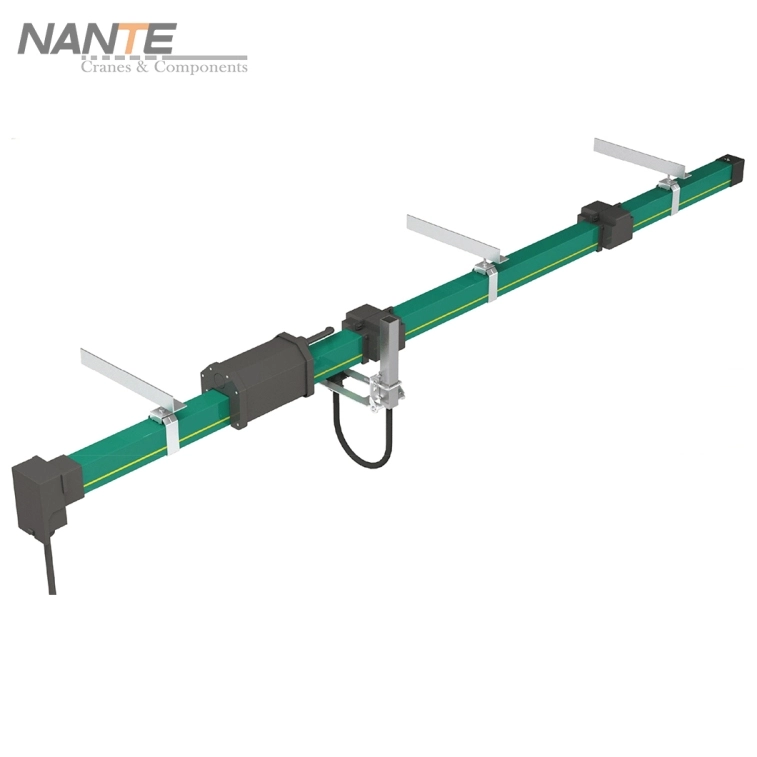
An enclosed conductor rail is a fully insulated setup made to send power to moving gear like cranes. It uses high-purity copper or aluminum bars inside a strong PVC or tough plastic cover. This gives great shielding from touches and outside conditions. The system often gets IP23 to IP65 ratings based on setup. Some versions add sealing lips for better dust and water blocking.
Key parts include:
Insulated housing (PVC or strong plastic to hold shape, resist hits, and last long).
Conductive bars (pure copper for low resistance, little voltage drop, and steady power flow).
Current collectors (strong nylon bodies with copper-graphite brushes or shoes for steady, low-drag contact and longer life).
Joint boxes, end feeds, line feeds, hangers, brackets, and towing arms (galvanized to fight rust).
Extra options like dustproof strips, heating parts to stop condensation, and expansion sections for heat changes.
These parts make sure power moves safely and well along crane runways and bridges.
Differences from Traditional Conductor Rails and Festoon Systems
Enclosed conductor rails stand out from other options:
Vs. bare/open conductor rails: The full cover removes exposed live parts. It cuts shock and arc flash dangers a lot. It also stops junk buildup. Bare rails often need extra guards and get dirty easily.
Vs. festoon systems: Fixed, solid rails avoid cable twists, pull wear, or loop problems. Those issues limit speed, distance, or dependability. Festoons work for lighter or bendy uses. But they need regular cable checks and swaps in long runs, turns, or busy work. Enclosed rails give steady, low-care power with no hanging parts.
Enclosed setups shine in heavy crane travel. They offer better safety and more uptime.
Typical Applications in Cranes and Industrial Settings
These systems power overhead cranes, gantry cranes, workstation cranes, monorails, and transfer setups. They fit manufacturing plants, steel mills, ports, warehouses, and automated storage spots. They handle bridge and runway power, curved paths for tricky layouts, and rough spots that need steady mobile power for big current loads.
Why Safety Matters in Crane Power Systems
Electrical Hazards with Exposed Power Systems
Exposed conductors bring real dangers. Accidental contact can cause shocks, electrocution, or arc flashes. Dust, water, or junk leads to short circuits, spotty failures, or rust. In busy crane areas, these risks hurt operators, repair crews, and others nearby. They can lead to injuries, gear damage, or work stops.
Worker Protection and Industrial Safety Compliance
Industry rules demand shields from live parts to stop dangers. Enclosed systems meet needs for touch prevention, grounding, and risk cuts. They help make safer work areas and simpler rule-following in checked settings.
Safety Advantages of Enclosed Conductor Rails
Complete Protection from Live Parts and Accidental Contact The full enclosed, finger-safe cover blocks direct reach to conductors. This drops electrocution or shock chances during crane work, checks, or nearby tasks.
Reduced Risk of Short Circuits and Foreign-Object Intrusion Sealed build stops dust, metal bits, junk, water, or chemicals from getting in. It ends shorts, arcs, rust, or contact fails that hit open systems often.
Enhanced Performance in Dusty, Moist, or Harsh Environments Strong insulation and IP protection keep things solid in hard spots. Think steel mills with thick dust and heat, ports with salt spray and wet air, or chemical plants. Enclosed options hold up where bare ones break down fast.
Reliability Improvements with Enclosed Conductor Rails
Stable and Continuous Power Supply
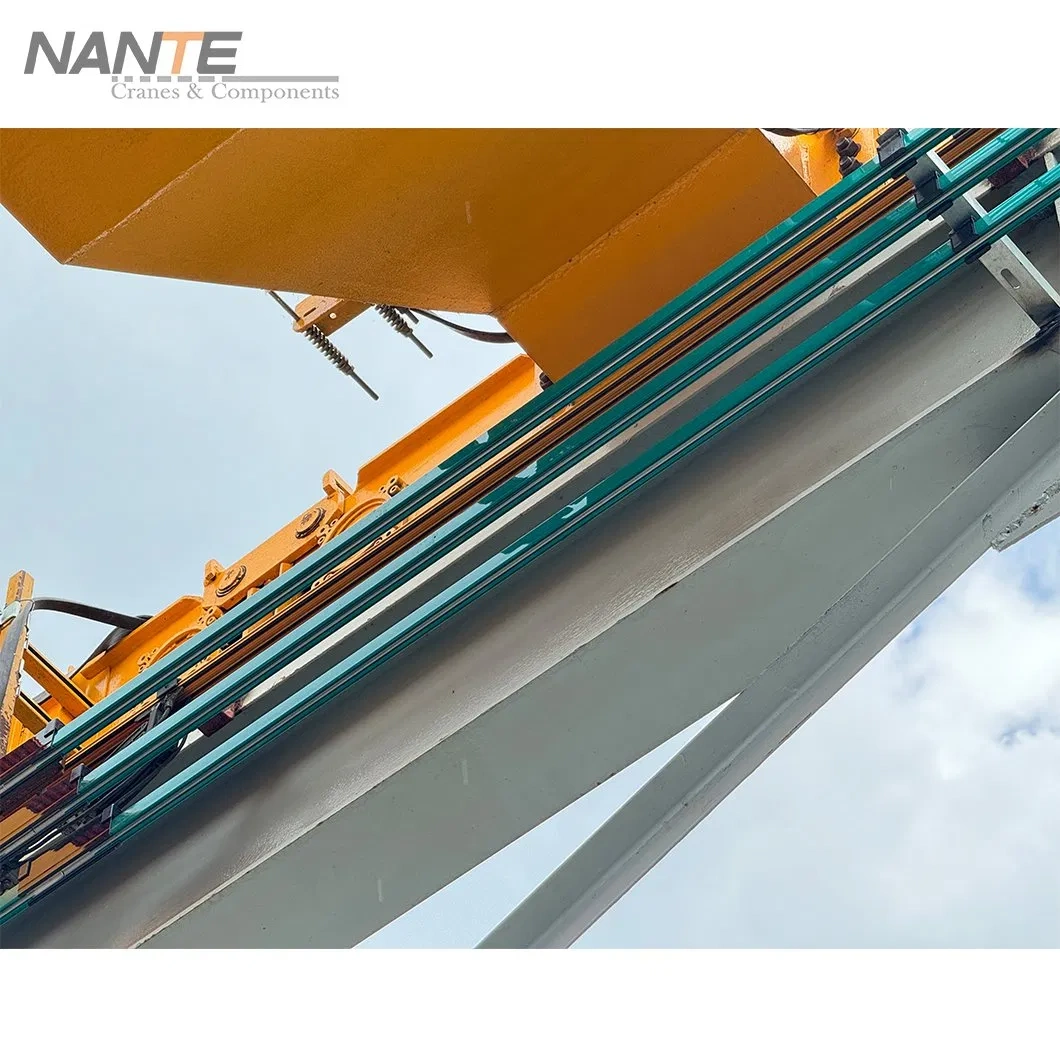
Low voltage drop (usually kept small with high-conductivity copper and right sizing) and steady collector touch give non-stop electricity. Cranes move smoothly without breaks common in cable setups.
Resistance to Environmental Contamination and Vibration
The cover guards against dirt and takes in shakes from crane moves. It keeps conductivity good, stops wear, and holds performance under moving loads.
Reduced Maintenance and Downtime
Tough materials, little part wear, and sealed design cut check times, brush swaps, and fixes. This beats festoon tangles or bare rail cleaning. It means more uptime and lower running costs.
Technical Specifications Supporting Reliability
Voltage Drop and Current Capacity Considerations Enclosed rails keep voltage drop low (often in 2-5% range) with low-resistance conductors and good collector designs. Systems handle currents from tens to hundreds of amps at voltages up to 690V. They use derating for temps over 35°C to stay steady.
IP Ratings and Environmental Protection Basic IP23 stops finger touches and solid entry. Better versions with sealing lips hit IP24 or more. They resist splashes. This suits outdoor or wet crane uses.
Installation and Maintenance Benefits
Easy Installation and Modular Expansion
Modular 4m sections with clip or bolted joints allow fast put-together. Many have tool-free links. Extensions work easily for different crane lengths or curved routes. Good alignment with runway supports keeps collector travel smooth.
Long Service Life and Lower Lifecycle Costs
High-quality copper conductors, strong collectors, and solid enclosures stretch life span. They cut swaps and full ownership costs compared to systems with frequent cable wear or exposure fails.
Real-World Examples and Comparisons
Industrial Environments Where Enclosed Rails Excel
In steel mills, enclosed rails handle dust, heat, and shakes for steady overhead crane power. Ports gain from water and rust resistance in gantry work. Manufacturing spots get ongoing uptime in busy, round-the-clock setups.
Comparison with Alternative Systems
Enclosed vs. bare rails: Better safety (no exposed parts) and reliability (dirt resistance), with okay startup cost balanced by less care.
Enclosed vs. festoon: No twists, wear, or pile-up problems. Good for long distances, turns, and multi-bridge setups. Lower long-term care despite similar or higher start costs.
Enclosed vs. cable reels: Stronger shielding in rough spots for straight paths. Wins in safety and uptime.
Enclosed rails bring clear safety benefits enclosed conductor rail crane. They improve crane power reliability with enclosed rails in tough uses.
Ready to Upgrade Your Crane Power Supply?
As a leading manufacturer of cranes and crane components, Nante Crane delivers high-quality enclosed conductor rails tailored for safe, reliable power in overhead cranes, gantry cranes, and industrial applications. Featuring robust PVC housing, high-purity copper conductors, durable collectors, and options like curved tracks or dustproof strips, Nante’s systems ensure long service life and performance in demanding environments. Contact Nante Crane today to discuss customized solutions for your crane power needs.
FAQ
What is the main advantage of an enclosed conductor rail for crane power supply?
It gives top safety with full live-part shielding and better reliability from outside resistance. This cuts dangers and stops time lost.
How does an enclosed conductor rail compare to festoon systems in cranes?
Enclosed rails give solid, no-tangle power with less care. They fit long spans and turns well. Festoons suit lighter work but face cable wear risks.
Is an enclosed conductor rail suitable for outdoor crane applications?
Yes. Sealed builds with high IP ratings fight water, dust, and rust. They work great for ports or open sites.
How does it improve crane power reliability with enclosed rails?
It uses steady contact, low voltage drop, and shields from dirt and shakes for ongoing work.
What safety benefits does an enclosed conductor rail offer in crane operations?
It stops accidental touches, blocks junk shorts, and helps cut dangers for safer work spots.