English



Gantry Crane vs Semi Gantry Crane: Which Works Better for Narrow Workshops?
Gantry Crane vs Semi Gantry Crane Which Works Better for Narrow Workshops
Date: 2026-04-29 Share:
Business owners who look for lifting solutions in limited areas often compare gantry crane vs semi gantry crane. In narrow workshops, every square meter of floor space directly affects productivity and safety. A full gantry crane relies on two legs and two ground rails for complete independence. A semi gantry crane uses one ground leg and one building-supported runway beam. This basic difference makes the semi gantry crane a strong choice as the crane for small factory space.
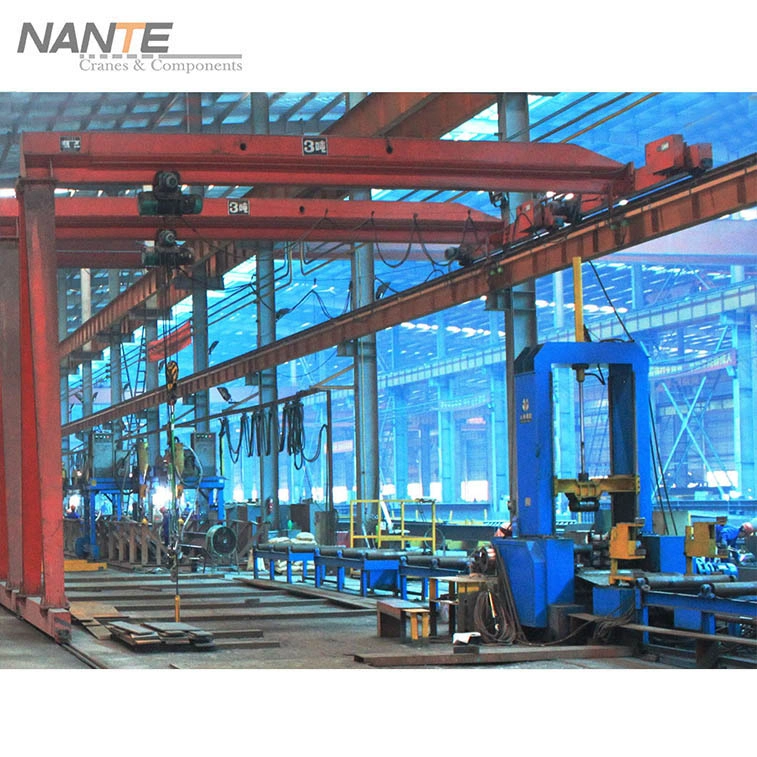
What Is a Gantry Crane and How Does It Work?
A full gantry crane forms a self-supporting portal structure. It moves heavy loads without depending on the building. Manufacturers design these cranes for reliability in various industrial settings.
Full Gantry Crane Structure and Two-Leg Design
Every full gantry crane features two vertical legs. These legs support the main girder from below. The legs connect to end carriages equipped with wheels or bogies. Single girder versions suit lighter duties. Double girder models handle higher capacities with greater rigidity. The entire frame stands independently on the workshop floor or outdoor yard. This two-leg construction provides excellent stability across the full span.
How Gantry Cranes Use Dual Ground Rails
The crane travels along two parallel ground rails. These rails sit on strong, level foundations. Wheels on the end carriages roll smoothly along these rails. This setup enables long-travel motion. Drive systems, often including gear motors with brakes, ensure controlled movement. Dual rails distribute loads evenly and maintain alignment during operation. Proper rail alignment and foundation strength remain essential for safe, long-term performance.
Typical Applications for Full Gantry Cranes in Workshops
Full gantry cranes perform well in open or wide manufacturing areas. Ample clearance exists in these places. They handle cargo, bulk materials, and assembly tasks in warehouses, stockyards, and large workshops. Capacities range from 1 ton to 300 tons. This range depends on single or double girder configuration with hoist or open winch. These cranes suit outdoor environments or bays with sufficient width for both legs and safety clearances.
What Is a Semi-Gantry Crane? Key Structural Differences
A semi gantry crane combines features of a gantry crane and an overhead crane. It offers a practical hybrid solution for facilities with space or structural constraints.
One Leg + One Runway Beam Design Explained
The semi gantry crane has one ground-traveling leg. This leg has an end carriage on a floor rail. The opposite side features an end carriage. It runs on an elevated runway beam fixed to the workshop wall or columns. This asymmetric design reduces the need for a second full leg and rail system. The main girder spans between the ground leg and the building-supported side.
How Semi-Gantry Cranes Use Building Support
One side of the crane transfers its load directly to the building structure via the runway beam. The other side rests on the ground rail. This “borrowed support” approach eliminates one set of legs and foundations. Operators must verify that existing columns or walls can safely bear the additional loads before installation.
Load Distribution and Structural Requirements
Load distribution in a semi gantry crane remains asymmetric. Yet engineers control deflection effectively through proper girder design. Compact girders often use high-strength S355 material for low self-weight. Components include alloy steel wheels with heat treatment, gear motors, brakes, and power supply via festoon systems or enclosed conductor rails. Typical capacities reach 1–20 tons or up to 32 tons. Spans range from 5m to 30m and lifting heights of 3m to 10m. Cross travel speed averages 20m/min. Long travel speed reaches 32m/min. Control options combine pendant and remote systems.
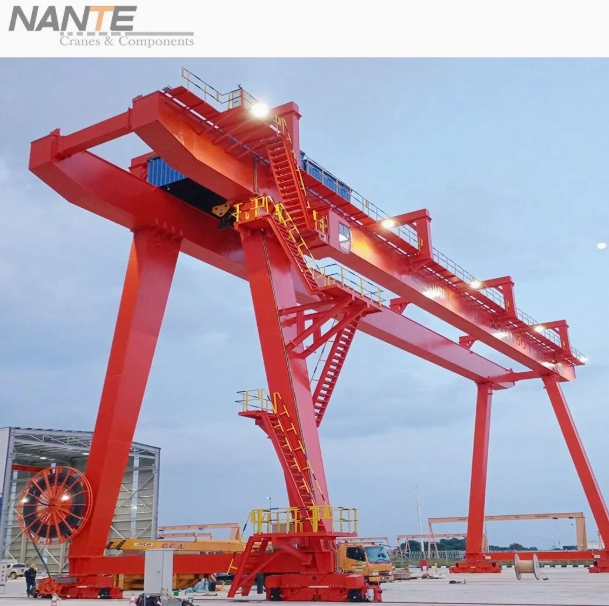
Gantry Crane vs Semi Gantry Crane: Key Differences
Understanding the practical distinctions helps buyers match equipment to their specific workshop conditions.
Floor Space Occupation Comparison
A full gantry crane occupies significant floor area with two legs and dual rails plus safety clearances. This setup can block aisles and restrict forklift or personnel movement. In contrast, a semi gantry crane requires only one ground rail and leg. It saves approximately 1–2 meters or more on one side. The freed space allows better workflow and keeps central aisles open.
Installation Complexity and Cost Differences
Full gantry cranes demand dual rail foundations, more steel, and extensive civil works. These factors increase both material and labor costs. Semi gantry cranes leverage existing building structures. They result in simpler installation, reduced foundations, and lower overall project expenses. Installation time and production downtime decrease noticeably with the semi gantry option.
Flexibility and Movement Efficiency
Full gantry cranes offer strong independent mobility in open areas. Semi gantry cranes integrate well under existing overhead cranes in the same bay. This integration enhances overall space utilization. Their design provides good flexibility in tight layouts while maintaining efficient travel speeds.
Load Capacity and Stability Comparison
Full gantry cranes excel with heavier loads and larger spans. They benefit from symmetrical two-leg support and high inherent stability. Semi gantry cranes handle medium loads effectively when the building structure meets requirements. Stability remains sufficient for workshop duties. Engineers always recommend structural assessment.
- Floor space: Full gantry crane occupies more area; semi gantry crane saves space on one side.
- Installation cost: Full gantry crane requires more civil works; semi gantry crane lowers expenses.
- Best suited loads: Full gantry crane for heavy-duty; semi gantry crane for medium-duty in constrained spaces.
Why Semi-Gantry Cranes Work Better for Narrow Workshops
Space constraints drive many workshop owners to choose the semi gantry crane for narrow workshop applications. The design directly addresses common pain points in compact factories.
Saving Ground Space by Reducing One Rail
The semi gantry crane eliminates the second ground rail and leg. It minimizes floor occupation. This reduction allows tighter layouts without compromising lifting coverage across the span.
Avoiding Aisle Blockage in Tight Layouts
The single ground leg keeps central aisles clear for vehicles and workers. Forklifts can pass safely without collision risks from multiple supports. This feature improves daily safety and operational flow.
Utilizing Dead Corner Areas Efficiently
Operators can position the semi gantry crane along walls or in previously underused corners. This placement maximizes coverage in irregular or narrow workshop shapes.
Ideal for Retrofit and Old Factory Buildings
Many older facilities lack space or budget for new dual foundations. The semi gantry crane adapts to existing structures. It enables quick upgrades with minimal disruption. It complements larger overhead cranes and increases overall workshop efficiency in retrofit projects.
In a typical 10-meter-wide bay, a full gantry crane might consume 3 meters for legs and clearances. This leaves limited usable space. A semi gantry crane reduces this footprint. It preserves an extra meter or more for production activities.
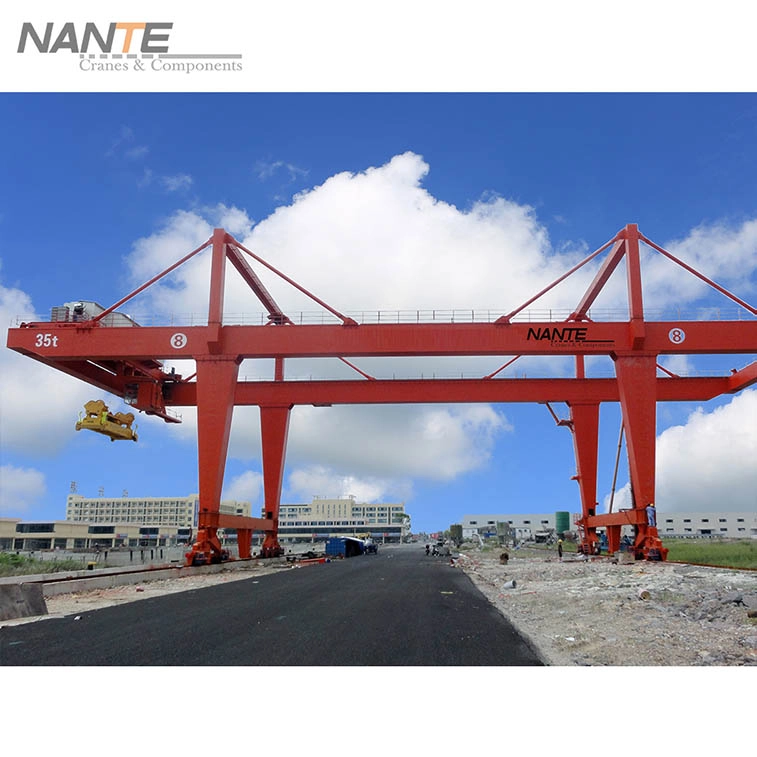 When a Full Gantry Crane Is Still the Better Choice
Although semi gantry cranes offer clear advantages in tight spaces, full gantry cranes remain preferable in certain scenarios.
Heavy Load and Large Span Requirements
Operations involving loads over 50 tons or very wide spans benefit from the symmetrical rigidity and stability of a full gantry crane. The two-leg design distributes forces more evenly under extreme conditions.
Outdoor or Open Workshop Environments
In open yards or areas exposed to wind or uneven ground, the self-supporting structure of a full gantry crane provides reliable performance. It does not rely on building walls.
Situations Without Structural Support
When workshop columns or walls cannot safely bear runway beam loads, a full gantry crane becomes the only viable independent option. No building modifications are necessary.
How to Choose Between Gantry Crane and Semi Gantry Crane
A systematic evaluation ensures the selected crane matches workshop realities.
Check Workshop Width and Layout Constraints
Measure available width, required aisle space, and clearance heights. Narrow bays under 10–15 meters often favor semi gantry cranes for better space utilization.
Evaluate Building Structure Load Capacity
Engage structural engineers to confirm that walls or columns can support the additional loads from the runway beam. This step prevents future safety or performance issues.
Consider Budget and Installation Time
Calculate total costs including materials, foundations, and downtime. Semi gantry cranes usually deliver savings in both initial investment and project timeline.
Match Crane Type with Production Workflow
Align the choice with load types, lifting frequency, and integration needs with other handling equipment. Consider future expansion plans as well.
Decision checklist:
- Is workshop space severely limited?
- Does the building structure offer adequate support?
- What are the required load capacity and span?
- How important are installation speed and cost?
- Will the crane integrate with existing overhead systems?
Get Expert Help from Nante Crane for Your Workshop Lifting Needs
Nante Crane is one of the prominent suppliers that have been operating for over three decades. They offer top-notch quality gantry cranes, semi gantry cranes, overhead cranes, jib cranes, and crane components all around the world. They also provide options such as single girder, double girder, custom span lengths up to thirty meters, and customization of the capacity as per your workshop’s needs. To learn more, get in touch with Nante Crane today.
FAQ
Is a semi gantry crane suitable for a narrow workshop?
Yes. Its single-rail design makes the semi gantry crane highly suitable as a crane for small factory space. It saves 1–2 meters or more while maintaining effective lifting coverage.
How much space can a semi gantry crane save compared to a full gantry crane?
It typically frees 1–2 meters or additional floor area on one side by removing the second leg and rail. This preserves aisles and improves workflow.