English


Gantry Crane for Outdoor Storage Yards: Span, Wind Load & Rail Layout Guide
Gantry Crane for Outdoor Storage Yards: Span, Wind Load & Rail Layout Guide
Date: 2026-08-13 Share:
A gantry crane for an outdoor storage yard provides an independent lifting system when a site has no workshop structure to support an overhead runway. However, capacity alone does not determine the right configuration. A buyer must also evaluate the gantry crane span for the storage yard, outdoor gantry crane wind load requirements, rails, foundations, lifting height, truck access, and material flow.
Why Gantry Cranes Suit Outdoor Storage Yards
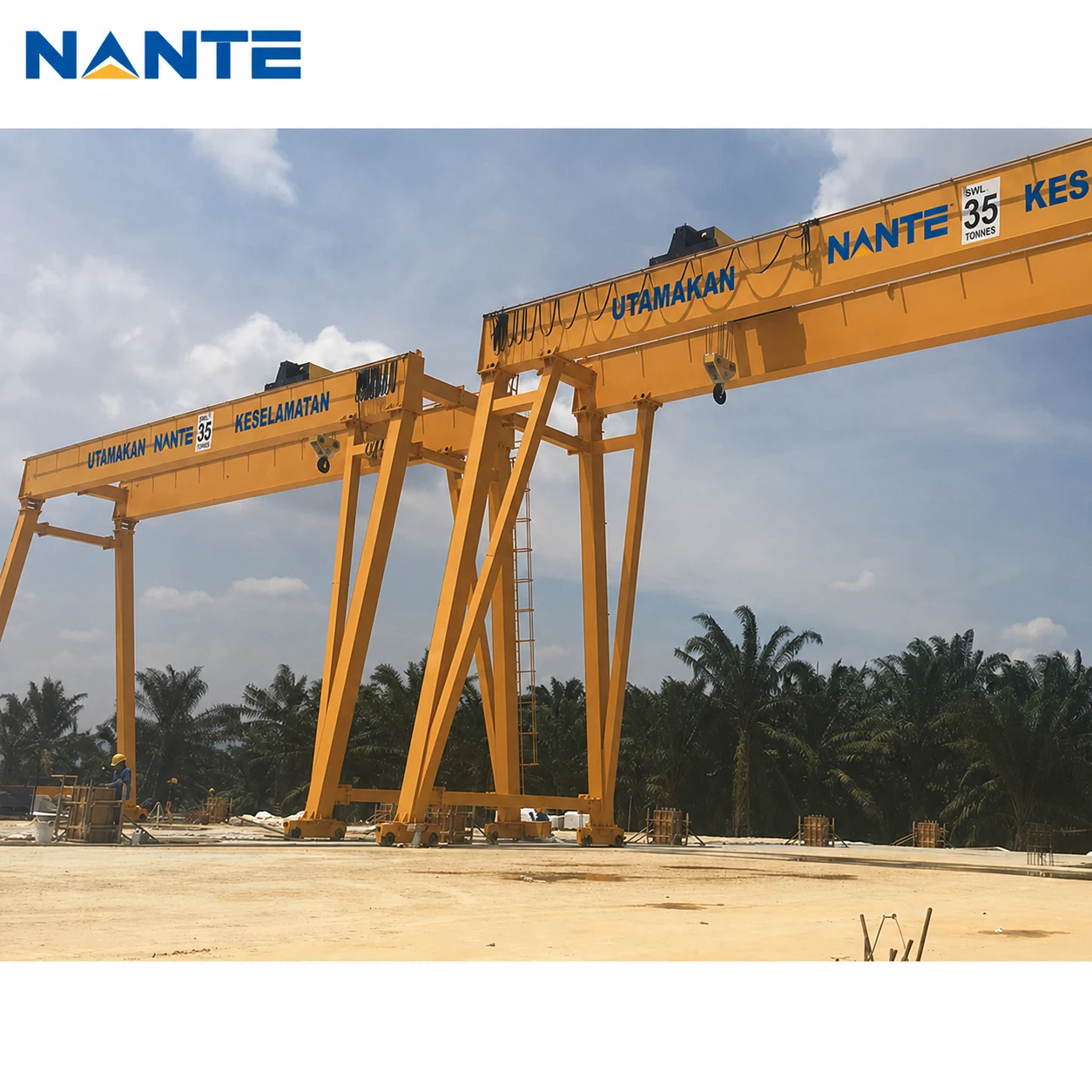
A full gantry crane carries its bridge on travelling legs, so it does not depend on an existing building runway. This configuration suits stockyards, steel yards, precast yards, pipe yards, and equipment yards. The formal definition of a gantry crane also distinguishes its leg-supported bridge from an overhead crane that relies on an elevated fixed runway.
The yard layout should drive the crane configuration. The buyer should first map material entry, truck loading, storage, and dispatch points.
Start With the Yard Layout
Define the Actual Working Zone
The total property width does not automatically equal the required crane span. The working zone should include storage width, truck lanes, crane-leg zones, rail positions, clearances, and practical hook coverage.
The buyer should mark buildings, fences, roads, drainage channels, utilities, foundations, overhead lines, and future expansion areas because these constraints can influence span, rail position, crane height, and travel length.
Map Truck and Material Flow
The buyer should decide whether trucks will drive between the legs, stop outside a rail, or load at the runway end because the route can change span and cantilever requirements.
The buyer should also keep vehicle routes separate from unnecessary crane travel wherever the yard layout permits it.
Choose the Right Gantry Crane Configuration
Single-Girder or Double-Girder
A single-girder configuration can suit moderate capacity, span, lifting height, and duty. A double-girder configuration can suit heavier loads, wider spans, greater lifting heights, or intensive service.
The buyer should therefore evaluate the complete operating requirement instead of selecting a crane from rated capacity alone.
Full Gantry or Semi-Gantry
A full gantry crane has supporting legs on both sides, so it suits yards without building support. A semi-gantry crane uses one leg-supported side and one elevated runway-supported side, so it requires a suitable structure. OSHA definitions make the same structural distinction between gantry and semigantry cranes.
Determine the Required Lifting Capacity and Height
The buyer should define the maximum suspended load rather than only the average material weight. The total should include the heaviest item and any lifting attachment that contributes to the suspended load.
The buyer should describe the load shape because beams, pipes, coils, precast elements, and irregular machinery can require different lifting points.
The lifting height should include truck deck or stacking height plus rigging space. The buyer should not confuse lifting height with overall crane height.
How to Determine Gantry Crane Span for a Storage Yard
Measure the Required Working Width
The crane span should follow the effective working width. Crane terminology generally measures span between runway rail centerlines, and OSHA defines span as the horizontal center-to-center distance between runway rails.
The buyer should map storage width, truck position, rail locations, crane-leg positions, clearances, and required hook reach before confirming the span. A 30-meter-wide yard does not automatically require a 30-meter span.
Use Cantilevers Where They Improve Coverage
A cantilever extends the bridge beyond one or both crane legs and can let the trolley reach a truck or storage zone outside the rail corridor. OSHA also defines a cantilever gantry crane as a gantry or semigantry crane whose bridge extends beyond the runway on one or both sides.
A suitable cantilever can provide the required coverage without increasing the main span unnecessarily. The buyer should specify outreach from the actual loading position.
Account for Outdoor Gantry Crane Wind Load Requirements
Separate Operating Wind From Storm Wind
Outdoor crane design requires more than one wind condition. ISO 4302 addresses wind-load assessment for both in-service and out-of-service conditions. The standard also provides guidance on securing a crane for out-of-service conditions.
The buyer should avoid relying on one universal “maximum wind speed.” The project should identify the location, design basis, and relevant storm conditions.
Plan Wind Restraint and Securing Devices
Wind can create forces on the crane structure and suspended load. The design may therefore require wind indication, travel braking, rail clamps, anchoring devices, or other securing measures.
ISO 12210 addresses anchoring devices for in-service and out-of-service conditions. U.S. OSHA rules also give an example using automatic rail clamps and a wind-indicating alarm for outdoor storage bridges, although local requirements govern each project.
Plan Rails and Foundations as One System
Set the Rail Position Around Operations
The rail position determines the travel corridor and main span. The rail length should follow the actual pickup and placement route.
The layout should also account for runway ends, truck movement, fixed obstacles, drainage, and future site interfaces.
Control Rail Geometry
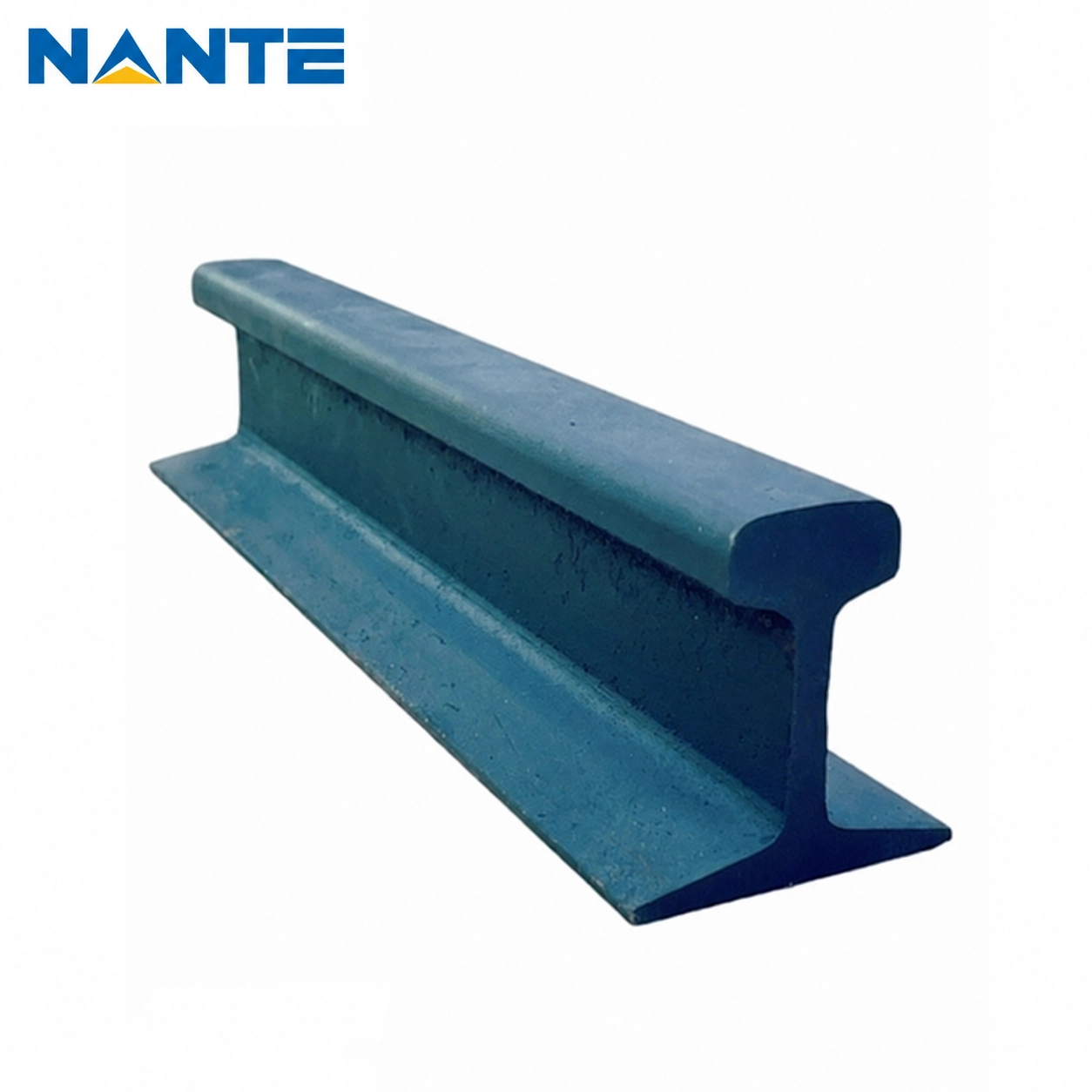
ISO 12488-1 specifies tolerances for crane wheels and travel and traversing tracks. The standard addresses excessive load effects associated with deviations or misalignment, so the civil and crane teams should coordinate rail alignment, elevation, and installation tolerances.
Design the Foundation From Project Loads
A universal foundation size cannot be selected from crane capacity alone. The foundation engineer needs wheel loads, horizontal forces, wind effects, rail arrangement, and ground conditions.
The buyer should provide soil or geotechnical information, especially for fill, soft ground, reclaimed land, or uncertain soil. The final foundation should also support the rail geometry required for reliable crane travel.
Match Crane Duty to the Workload
ISO 4301-1 classifies cranes and mechanisms according to service conditions that include total working cycles and load spectrum. The buyer should therefore provide daily operating hours, estimated lifting cycles, typical load weights, and the frequency of lifts near rated capacity.
Two cranes with the same rated capacity can require different configurations when their operating workloads differ substantially.
Specify Outdoor Electrical and Environmental Requirements
The buyer should confirm supply voltage, phase, frequency, and the available power location. The project should also select an operating method and power-feeding arrangement that suit the runway and working distance. IEC 60204-32 specifically covers electrical equipment for hoisting machines, including cranes.
Electrical enclosures should use ingress protection appropriate to the environment. IEC 60529 defines the IP classification system for protection provided by electrical enclosures against intrusion by solids and liquids.
The buyer should also provide the temperature range, rain exposure, dust level, corrosive conditions, and unusual snow or ice conditions.
Common Outdoor Storage Yard Applications
Steel, precast, pipe, machinery, and heavy-material yards can require different lifting points, storage coverage, truck access, and load-control arrangements.
Each application should lead to a site-specific configuration rather than a specification chosen only by industry name. A steel yard with long sections, for example, can have a very different hook-coverage requirement from a precast yard that handles shorter but heavier components.
What Affects Outdoor Gantry Crane Cost?
Capacity, span, lifting height, duty, cantilever length, rail length, wind design, and controls can affect equipment scope. Civil works, power supply, shipping, and installation can form separate budget items.
The buyer should compare quotations using the same technical scope because different assumptions can distort headline prices. A wider span, longer runway, higher duty classification, or more demanding outdoor design can change the project scope even when two cranes have the same nominal capacity.
What Information Should You Prepare Before Requesting a Quote?
ISO 9374-5 specifically addresses information exchanged by purchasers and manufacturers during enquiries, orders, offers, and supply of overhead travelling and portal bridge cranes. A structured RFQ can therefore improve the quality of the initial technical proposal.
The buyer should provide the following information:
- The buyer should provide lifting capacity, maximum actual load, and material dimensions.
- The buyer should provide estimated span, lifting height, runway length, and cantilever reach.
- The buyer should describe lifting attachments and expected operating frequency.
- The buyer should provide project location, wind data, temperature range, and environmental conditions.
- The buyer should provide yard dimensions, storage zones, truck routes, fixed structures, ground information, and power supply.
- The buyer should send a yard drawing whenever one is available.
A simple drawing should show the yard boundary, storage areas, truck route, proposed rails, hook coverage, fixed obstacles, and power location.
FAQ
Can a Gantry Crane Work Without a Workshop Building?
Yes. A full gantry crane supports its bridge on its own legs, so it does not require a workshop runway on either side. This structural independence is one of the main reasons that gantry cranes are suitable for outdoor storage yards.
How Should I Choose the Gantry Crane Span for My Yard?
The buyer should base the span on hook coverage, rail positions, storage width, truck lanes, leg locations, cantilevers, and clearances. The buyer should determine the required working area before deciding the final rail-to-rail span.
What Foundation Does a Gantry Crane Need?
The foundation design should reflect wheel loads, horizontal forces, crane geometry, wind, soil properties, rail layout, and local civil requirements. No universal foundation dimension fits every yard.
How Much Wind Can an Outdoor Gantry Crane Withstand?
Allowable wind conditions depend on crane design, project location, applicable standards, and operating state. The design should distinguish operating wind from out-of-service storms because ISO 4302 evaluates those conditions separately.
Can a Gantry Crane Load Trucks Outside the Rails?
Yes. An appropriate cantilever can extend hook coverage beyond a crane leg. The designer should confirm the outreach from the actual truck position and handling process rather than selecting the cantilever independently from the yard layout.
Contact Nante Crane for Your Outdoor Yard Crane
Nante Crane provides gantry cranes and crane components for outdoor material-handling applications. The crane configuration can be matched to your required capacity, span, lifting height, yard layout, and outdoor conditions.
If your main project requirements are confirmed, contact Nante Crane with your capacity, span, lifting height, runway length, yard dimensions, project location, and wind information. A simple yard drawing can also help the engineering team evaluate a suitable crane layout and configuration.